The best things to do in Georgia (the country), from Tbilisi and Kazbegi to Svaneti’s stone towers: the top places to visit, with a map, travel essentials and the stops worth skipping.
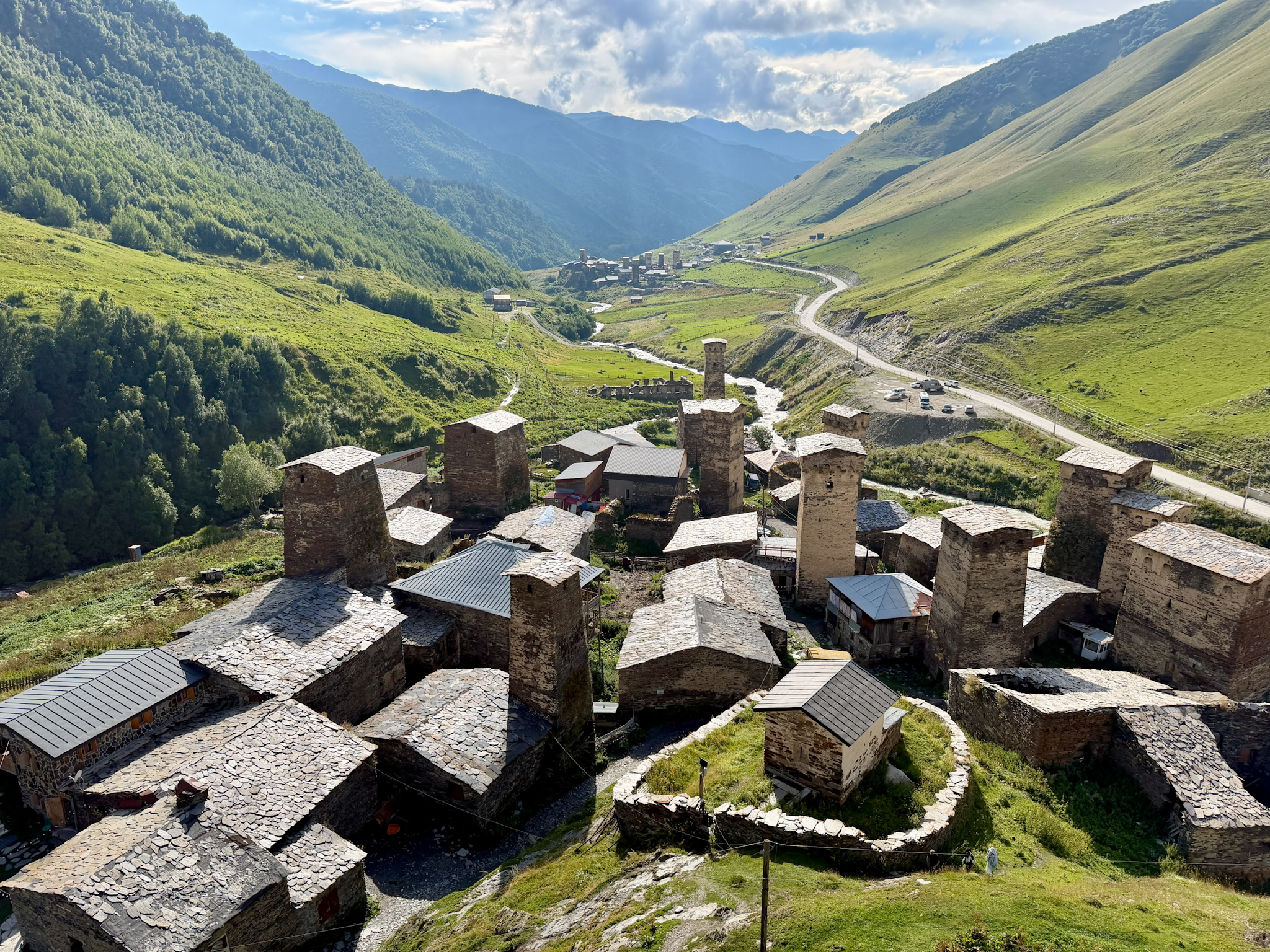
In two weeks of driving around Georgia, the Caucasus country tucked between Russia and Turkey, I went from a cave town carved into a cliff above a river to a glacier at the end of a long mountain trail, with a lot of khachapuri in between.
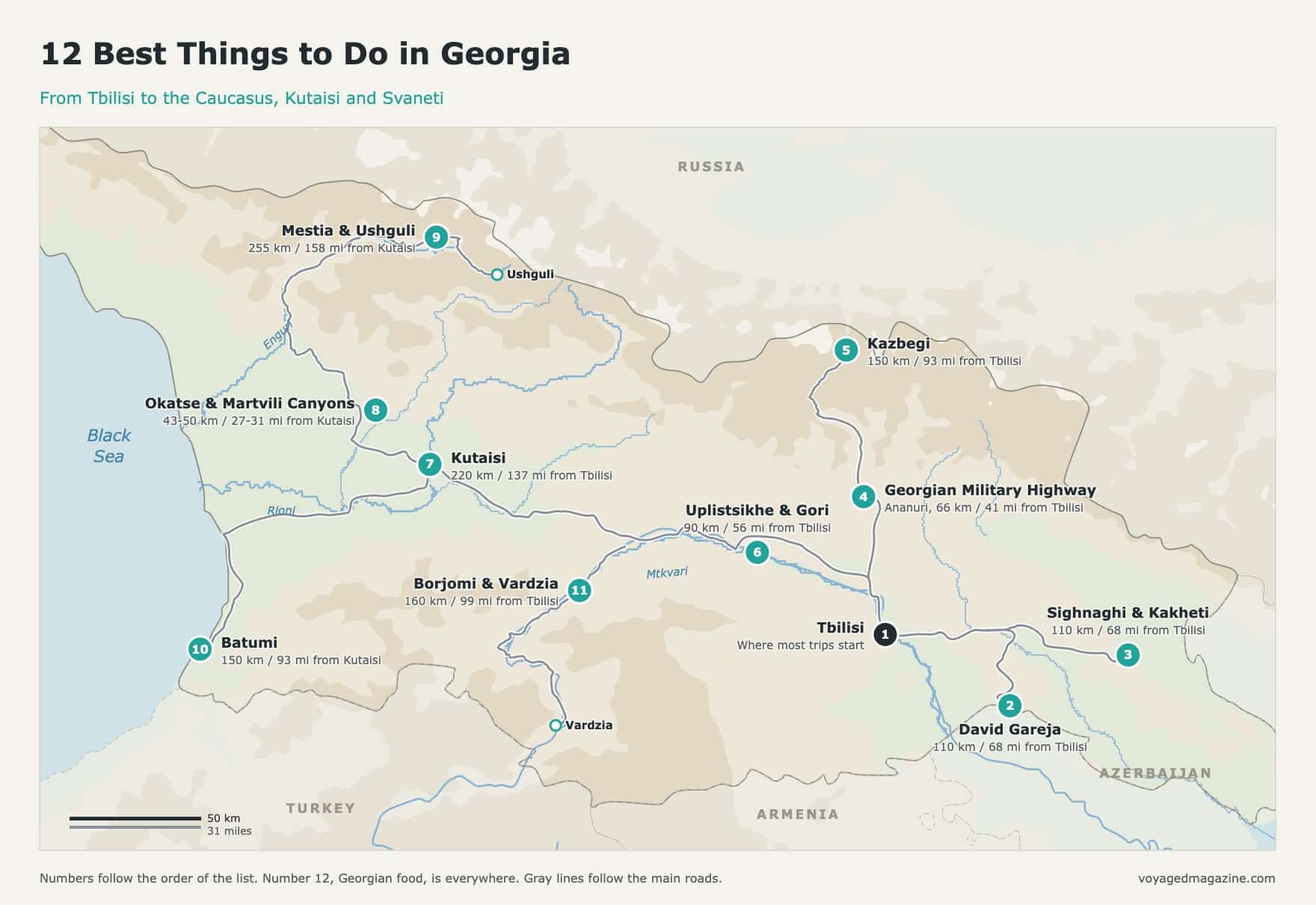
Tbilisi is where almost every trip starts, but many of the best places to visit in Georgia are a few hours from the capital, up in the mountains or in the green, river-cut west of the country. This list covers the 12 best things to do in Georgia (the country), mapped and ordered as a route you can drive.
Some need half a day and others a few nights, and I also point out the stops I’d skip when time is short.
Planning a Trip to Georgia (the Country): What to Know First
Let's go over the basics very quickly:
- Where Georgia is: Georgia is a small country in the Caucasus, the mountain region between the Black Sea and the Caspian Sea. It borders Russia to the north, Turkey and Armenia to the south, and Azerbaijan to the east. The Greater Caucasus mountains run along its northern border.
- Flights: Most international flights land in Tbilisi, the capital. Kutaisi, in the west, has a smaller airport used mostly by budget airlines from Europe.
- Entry rules: Citizens from the US, EU and selected other countries like the UK, Canada, Australia and New Zealand can stay in Georgia for up to a year without a visa. Since January 1, 2026, every foreign visitor also needs health and accident insurance for the whole stay, with at least 30,000 GEL (about $11,000) of coverage. Border officers can ask to see it, so keep the policy on your phone.
- Money: The local currency is the lari, written GEL. Cards work in hotels, supermarkets and most city restaurants. Small guesthouses, markets and minibuses usually want cash, and cash machines are easy to find in every town on this list.
- Getting around: I rented a car in Tbilisi and drove most of the trip, and it’s the easiest way to reach the places below, since many of them sit far from any bus route. In cities, the ride-hailing app Bolt works well and is cheap. Between towns there are marshrutkas, shared minibuses that leave when they’re full, cheap but slow. For a few places, a day tour from Tbilisi or Kutaisi saves you the logistics.
- Phone and data: Buy a local SIM card from Magti or get an eSIM before you land. You’ll need data for Bolt and for maps, and the signal drops on some mountain trails.
- When to go: For the mountains, go between June and September, when high roads and trails are open. Tbilisi and the lowlands are more comfortable in May, June, September and October, because July and August get very hot.
- Safety: For road safety and the scams I ran into, here’s [my guide to staying safe in Georgia].
- Organized tours I took: I did a day trip to David Gareja and the Rainbow Mountains from Tbilisi and a private 3-day tour of Svaneti with Megobari Tours. I traveled independently the rest of the time
- Where I stayed:
- In Tbilisi, Mukhrantubani Boutique Hotel ⭐⭐⭐⭐
- In Stepantsminda, Lens Design Hotel ⭐️⭐️⭐️⭐️
- In Kutaisi, Newport Hotel Kutaisi ⭐⭐⭐⭐
- In Mestia, Lahili Boutique Hotel ⭐⭐⭐⭐
Best Things To Do in Georgia (Country)
I put these 12 in an order that works as a route. You start in Tbilisi and the day trips east of it, head north into the Caucasus, then cross the middle of the country to Kutaisi and up into Svaneti, in the far northwest. The last three sit off that route: Batumi on the coast, Borjomi and Vardzia in the south, and Georgian food, which you’ll find at every stop.
The map below shows where each of these places to go in Georgia is.
1. Explore Tbilisi’s Old Town and Beyond
- Where: the capital, in eastern Georgia
- Time needed: three days
- Getting there: Tbilisi International Airport is about 17 km (11 mi) from the center, 25 to 30 minutes by Bolt
- Book it: Mukhrantubani Boutique Hotel ⭐⭐⭐⭐, where I stayed, a few steps from the Clock Tower
Tbilisi is where your trip will most likely start, and I’d give it three days. The old town sits on both banks of the Mtkvari River, under the walls of Narikala Fortress, and most of it is easy to cover on foot. On my first afternoon I walked around the Clock Tower, a crooked little tower built next to a puppet theater, then crossed the Bridge of Peace, a glass and steel footbridge that lights up at night. Holy Trinity Cathedral, the huge gold-domed church on the hill across the river, was my last stop that day.
The next morning I went up to Kartlis Deda, the aluminum statue of the Mother of Georgia. She holds a sword in one hand and a bowl of wine in the other, wine for guests and the sword for enemies. From there, the Botanical Garden takes you down to Abanotubani, the old bath district. The brick domes of the sulfur baths stick out of the ground here, and a small waterfall hides in the gorge right behind them.
The city also has very good museums, a lot of Soviet-era architecture and some of the best restaurants in the country. All of it is in my full guide to the best things to do in Tbilisi, with a map.
Read more about Tbilisi:
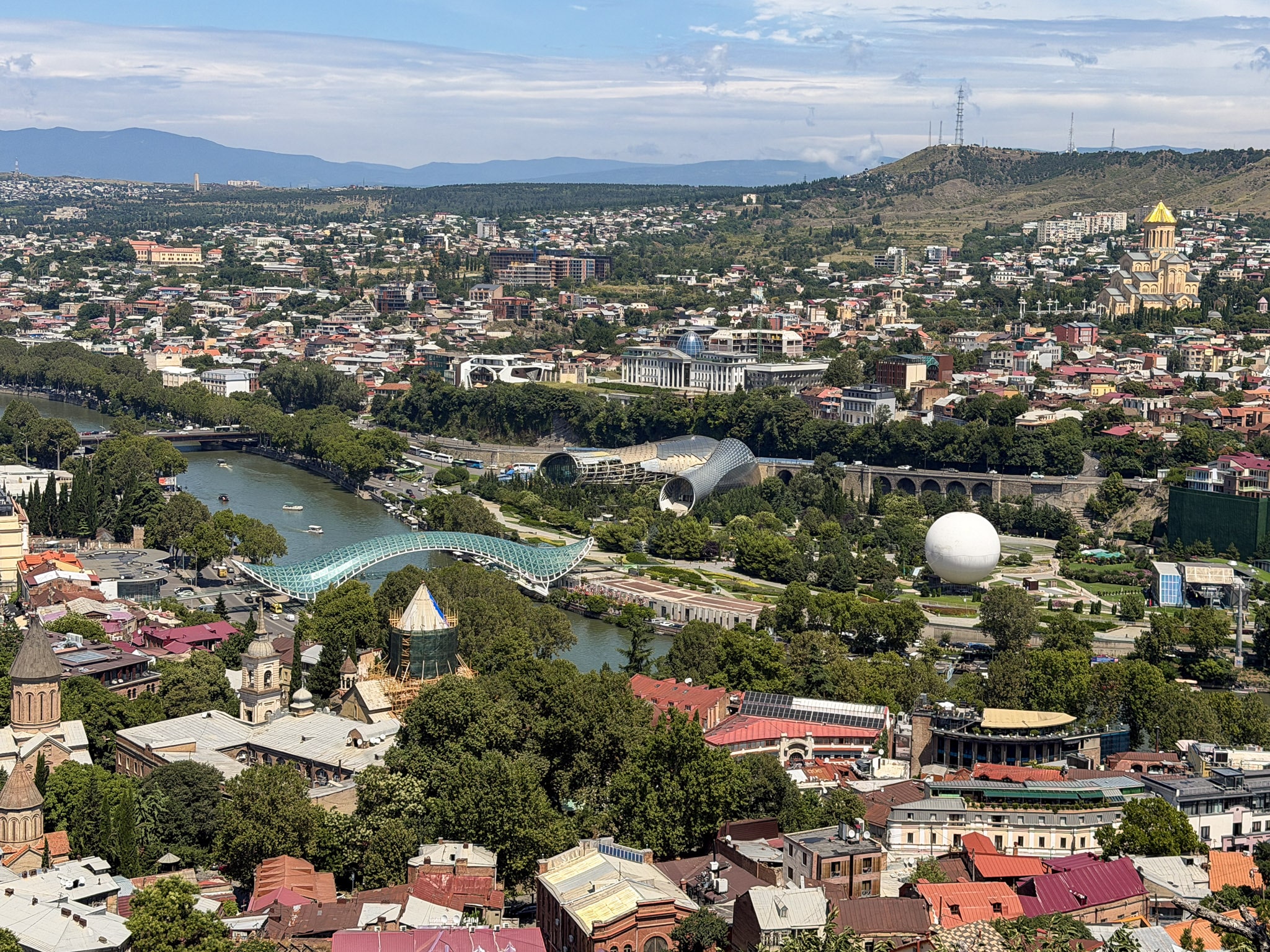
Tbilisi city view
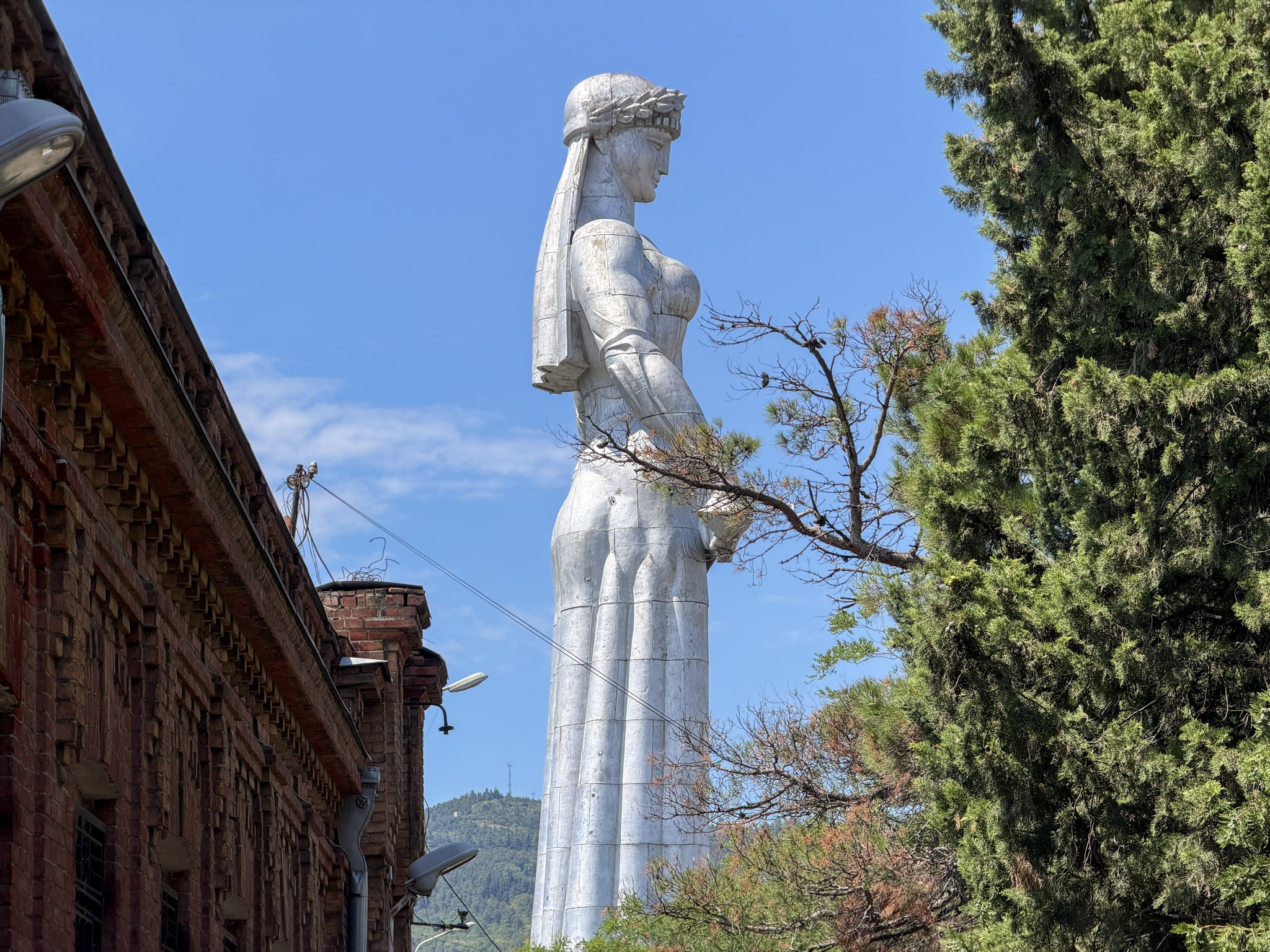
Mother of Georgia
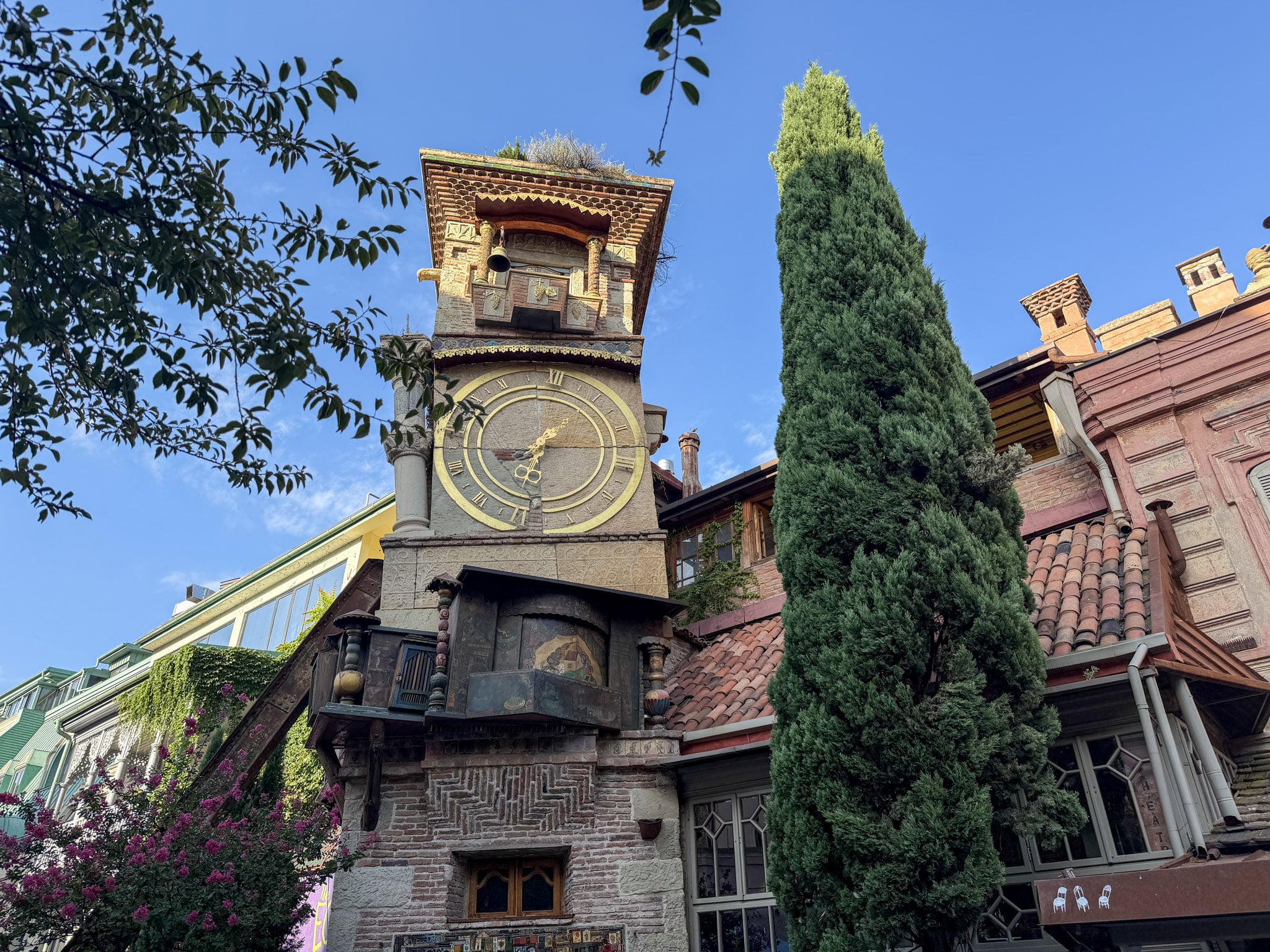
The Clock Tower
2. Visit David Gareja and the Rainbow Mountains
- Where: semi-desert on the border with Azerbaijan, about 110 km (68 mi) southeast of Tbilisi
- Time needed: a full day
- Getting there: about two hours each way by car, on a road paved all the way to the monastery
- Book it: the David Gareja and Rainbow Mountains tour I took
The drive is half the experience. After the last villages the fields turn into open, dry steppe, and the country looks different from anywhere else on this list. David Gareja is a group of monasteries carved into the rock, founded in the 6th century by a monk named David and the followers who came with him from Mesopotamia. The part you can visit today is Lavra, the lower monastery, with cave cells and a small cave church where David is buried.
The upper monastery, Udabno, is on the ridge above. It has some of the oldest frescoes in the area, but it sits right on a stretch of border with Azerbaijan that was never fully agreed on, and it’s been closed to visitors since 2019.
A few miles away, near the village of Udabno, are the Rainbow Mountains, low hills striped red, yellow and green by layers of different minerals. My tour ended with a short walk on them. In summer there’s no shade anywhere, so bring a hat and more water than you think you need.
I wrote about the tour and the walk in my complete guide to the David Gareja and Rainbow Mountains day trip.
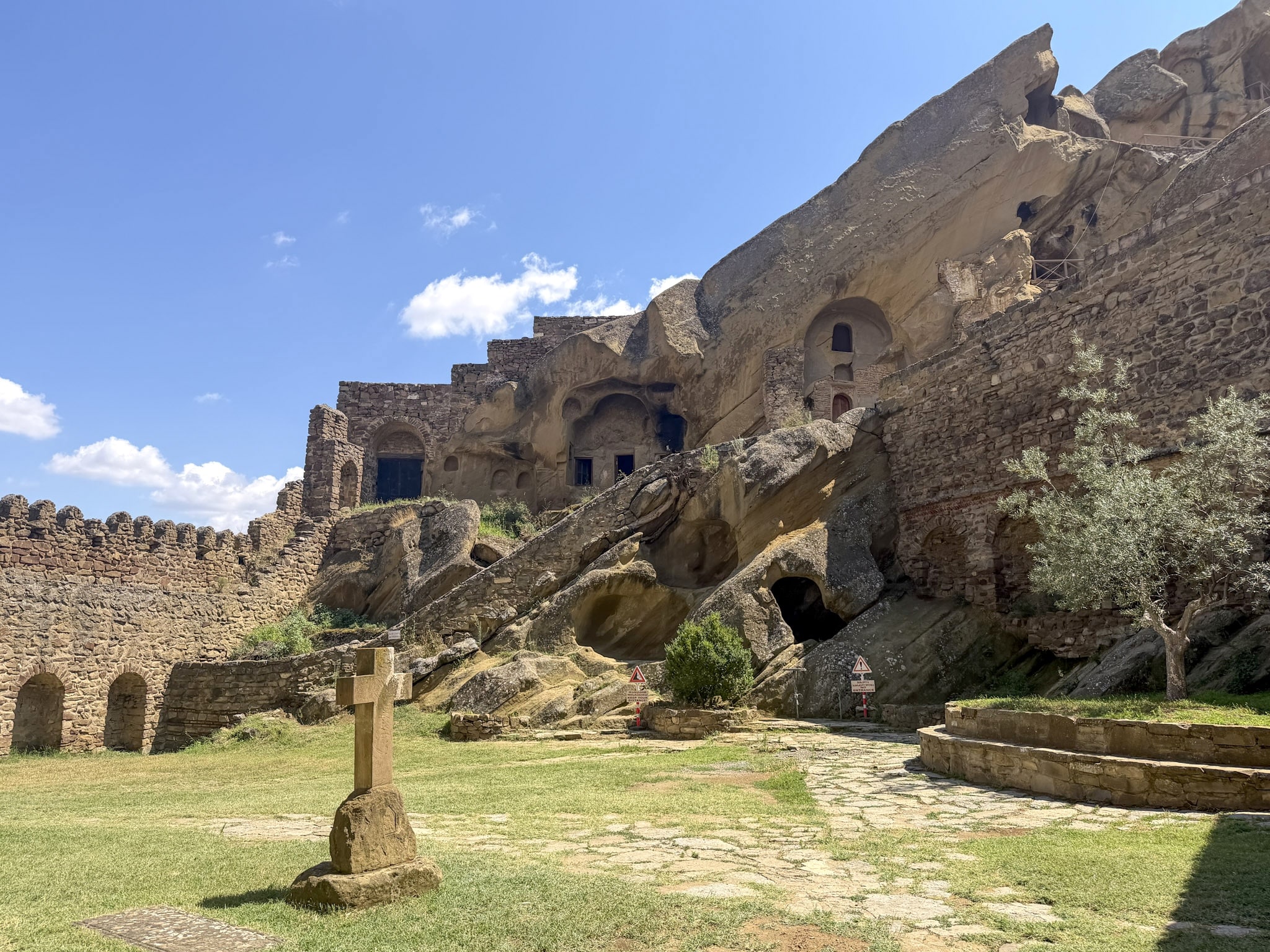
David Gareja Monastery
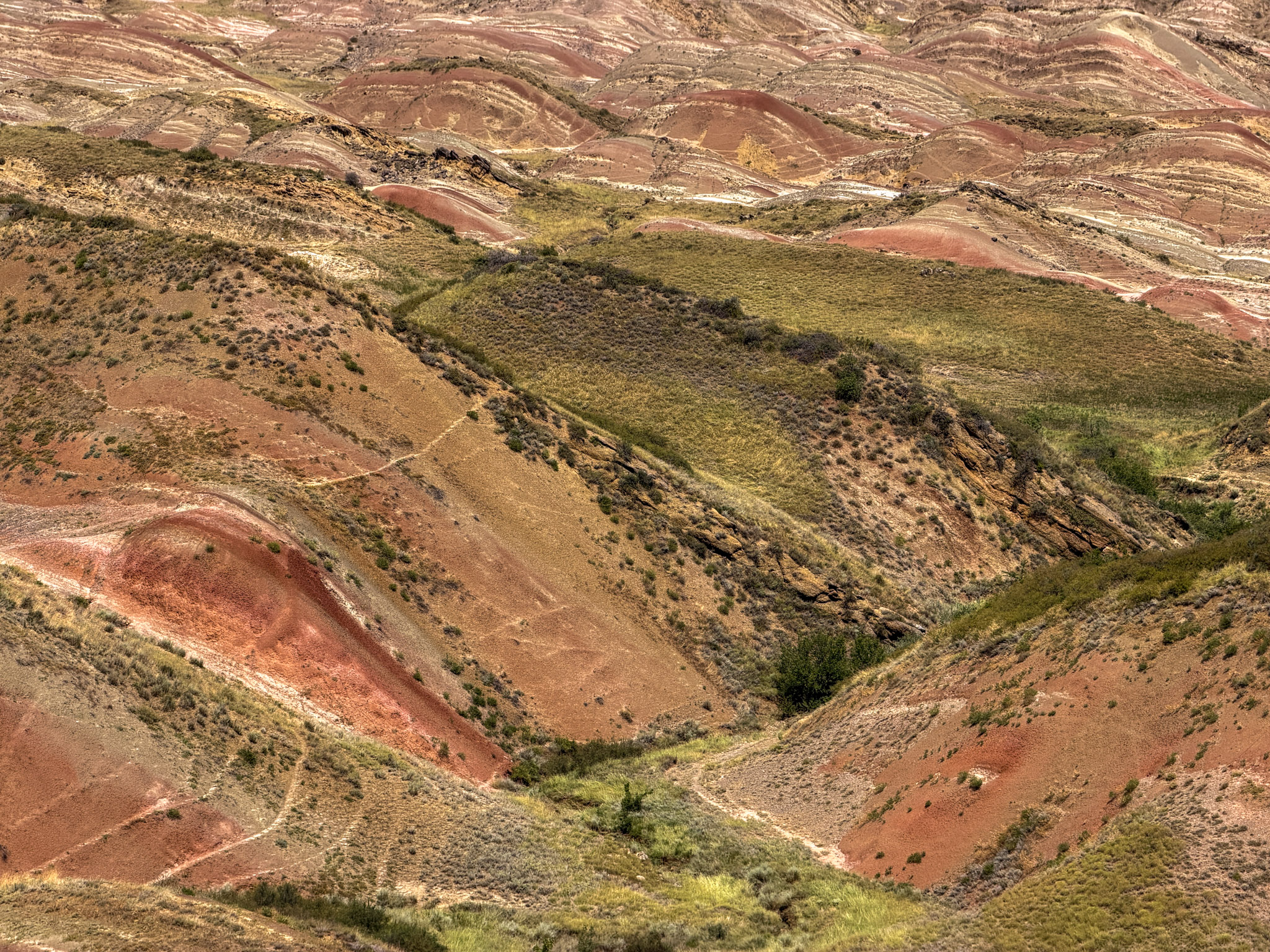
Rainbow Mountains near Gareja Monastery
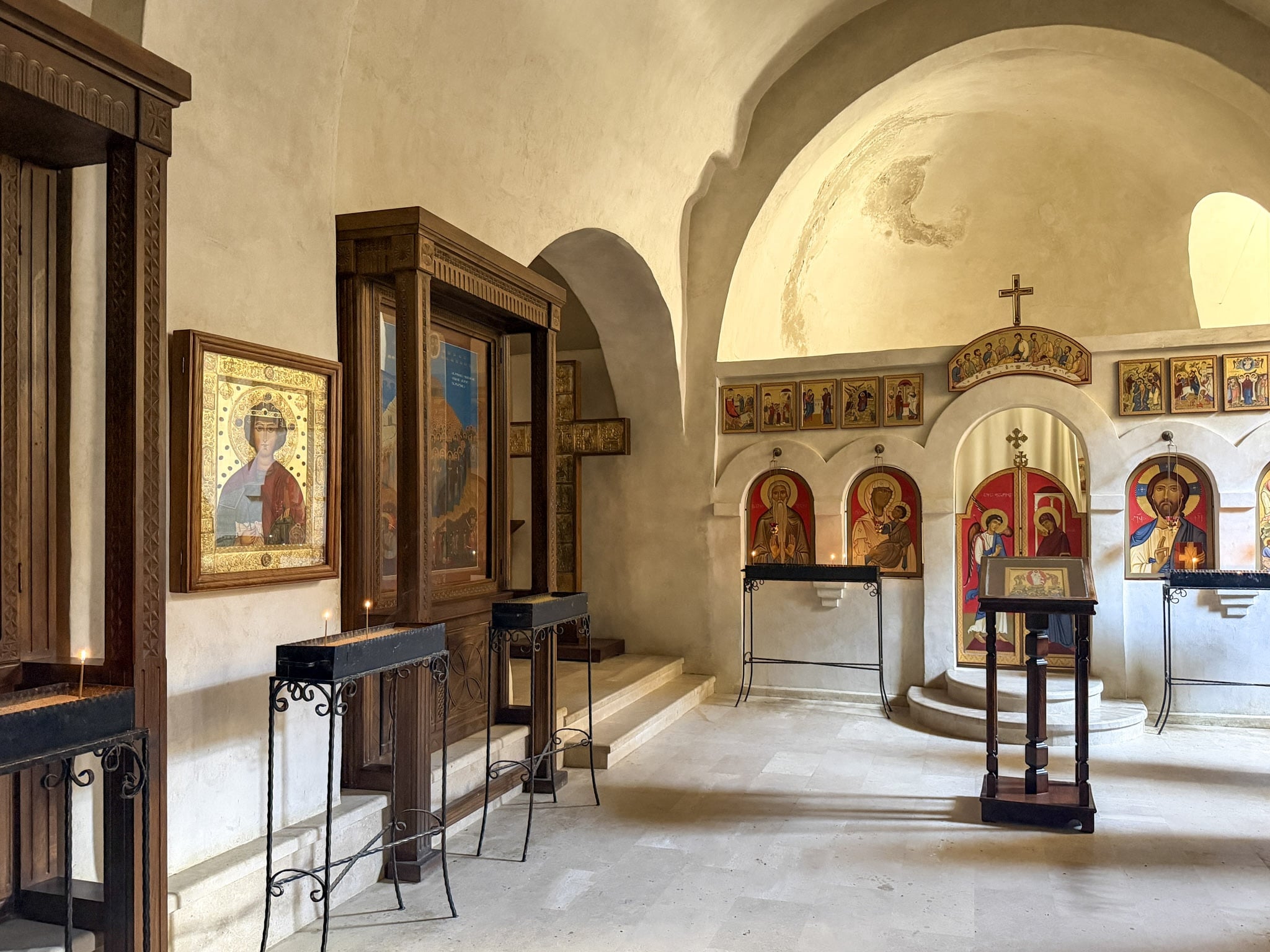
Inside David Gareja Monastery Church
3. Taste Wine in Kakheti and Sighnaghi
- Where: Kakheti, the wine region in the far east of Georgia
- Time needed: a full day, or one night in Sighnaghi
- Getting there: Sighnaghi is about 110 km (68 mi) from Tbilisi, around two hours by car
- Book it: a Kakheti and Sighnaghi wine tour from Tbilisi
Georgia has been making wine for around 8,000 years, and one very old method is still in use. The grapes ferment and age in a qvevri, a large clay jar buried in the ground up to its neck. In 2013 UNESCO added the qvevri method to its list of intangible cultural heritage. White wines made this way stay on their skins for months and come out a deep amber color, so you’ll often see them sold as amber or orange wine.
The easiest base is Sighnaghi, a small hilltop town wrapped in 18th-century walls, with long views over the Alazani Valley, the flat plain where most of the vineyards are. Just outside town is Bodbe Monastery, where Saint Nino is buried, the woman who brought Christianity to Georgia in the 4th century. Day tours from Tbilisi usually combine Sighnaghi, Bodbe and one or two family wineries.
If your dates are flexible, the grape harvest, called rtveli, runs through September and October, and many wineries let visitors join in.
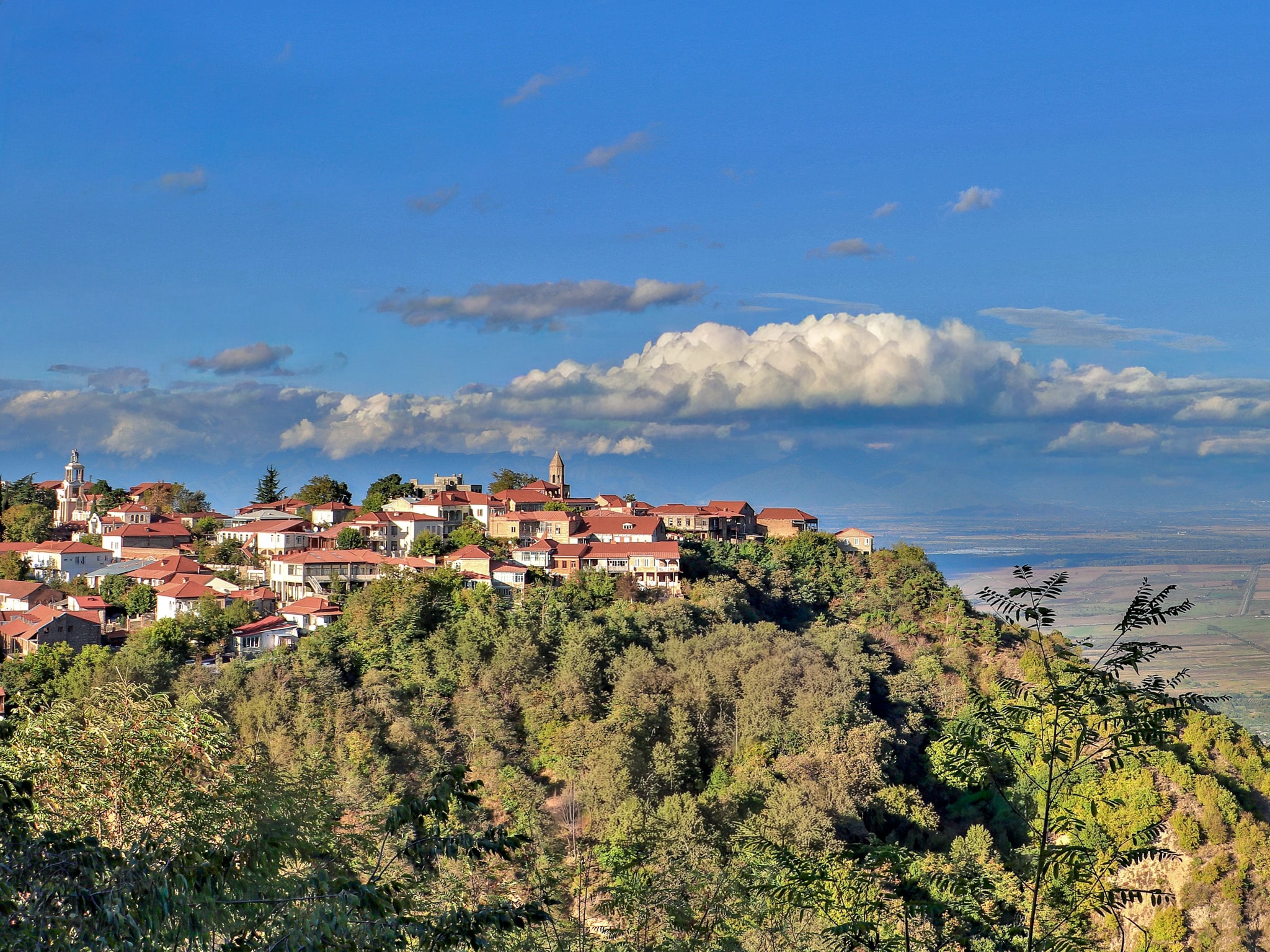
Hillside Town of Sighnaghi above Georgia’s Kakheti
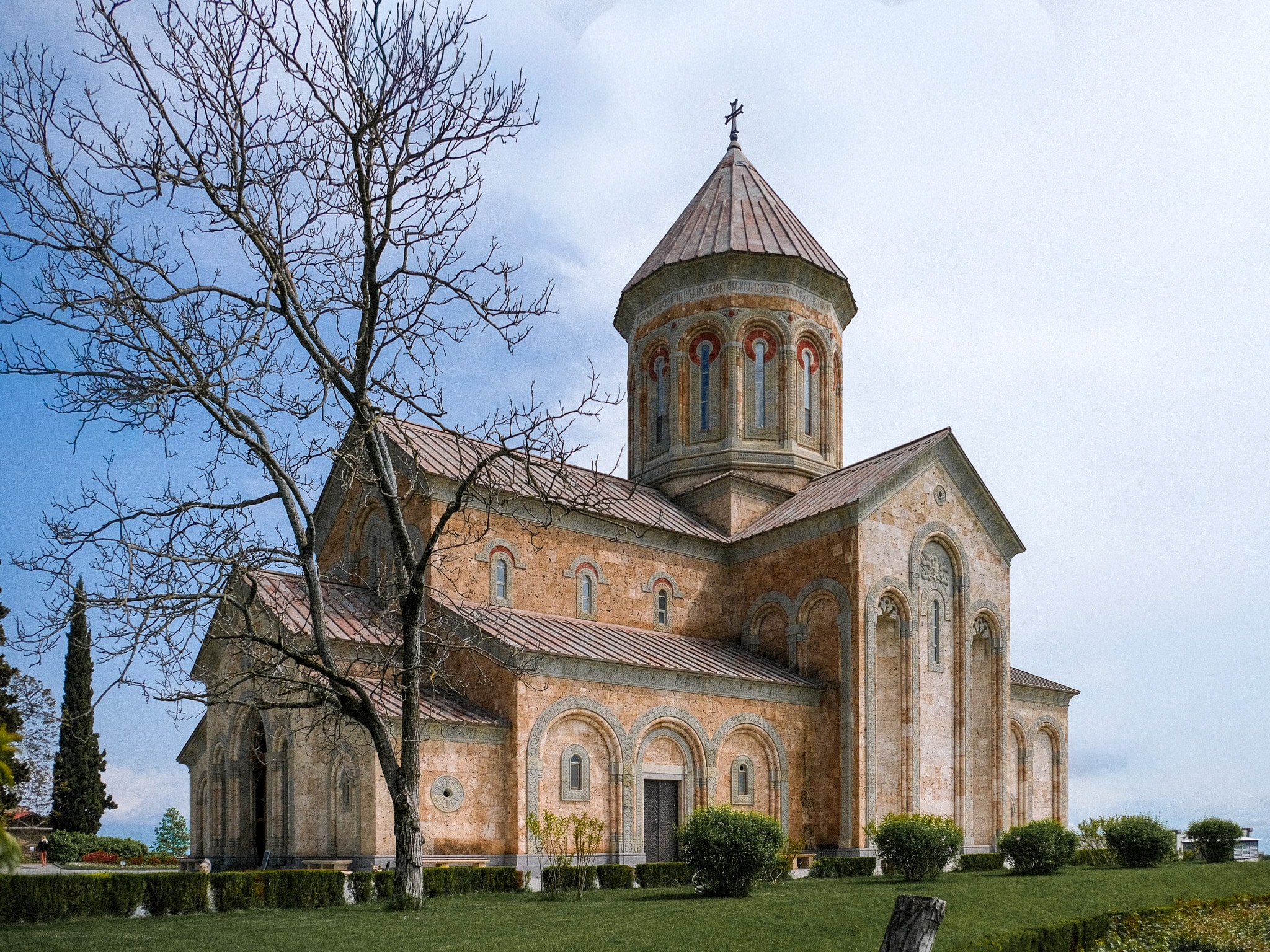
Bodbe Monastery of Saint Nino
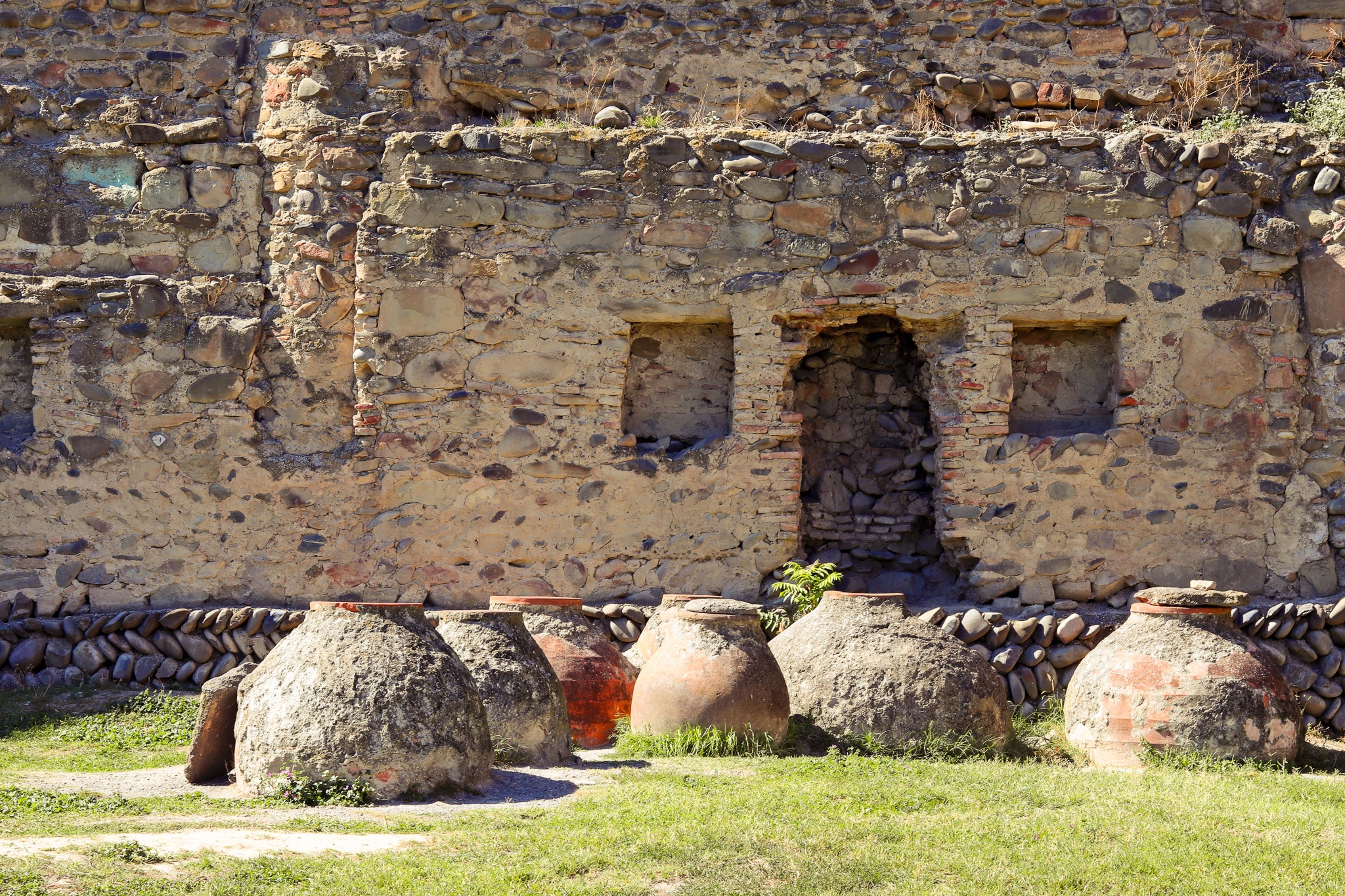
Traditional Georgian qvevri wine jars
4. Drive the Georgian Military Highway
- Where: the road from Tbilisi north to Stepantsminda, the town at the foot of Mount Kazbek
- Time needed: a full day with stops
- Getting there: about 150 km (93 mi), 2.5 to 3 hours without stops, 3 to 4 hours with them
- Book it: rent a car, or book a day tour from Tbilisi along the Military Highway
This is the only road from Tbilisi into the high Caucasus, and the main road between Georgia and Russia, so the stops along it are half the reason to drive it yourself. I picked up a rental car in Tbilisi and made four of them.
The first one comes after about 20 minutes. Jvari Monastery is a small 6th-century stone church on a hilltop above Mtskheta, the old capital, right where two rivers meet, one clear and one muddy. I only went up to the monastery. The big cathedral of Svetitskhoveli is down in the town below, if you have more time.
About an hour from Tbilisi you reach Ananuri, a 17th-century fortress with stone walls, towers and two churches on the shore of the Zhinvali Reservoir, a lake so turquoise it looks dyed. It’s always crowded and full of souvenir stalls, but the inside of the main church, with its gilded wall of icons, is worth the stop. Entry is free, and the parking lot is tiny.
After the ski resort of Gudauri comes the Friendship Monument, a round Soviet-era balcony covered in a huge tile mosaic, hanging over a deep valley. Then the road climbs to the Jvari Pass, at 2,379 m (7,805 ft) the highest point of the drive, where orange and cream mineral terraces spill down right next to the asphalt.
Expect long lines of trucks heading to the Russian border, cows on the road, and some old, dark avalanche tunnels.
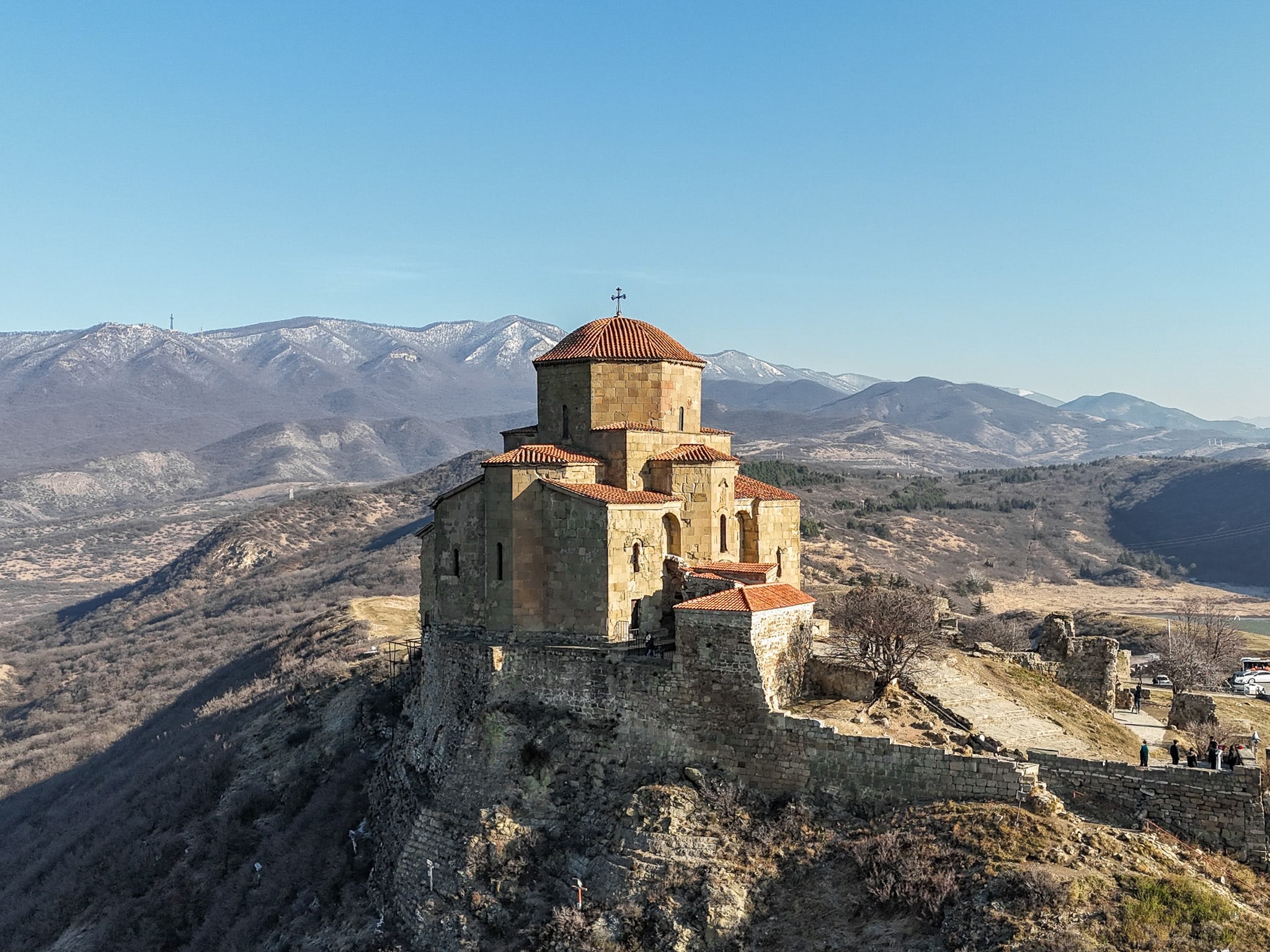
Jvari Monastery in Mtskheta

Ananuri Fortress
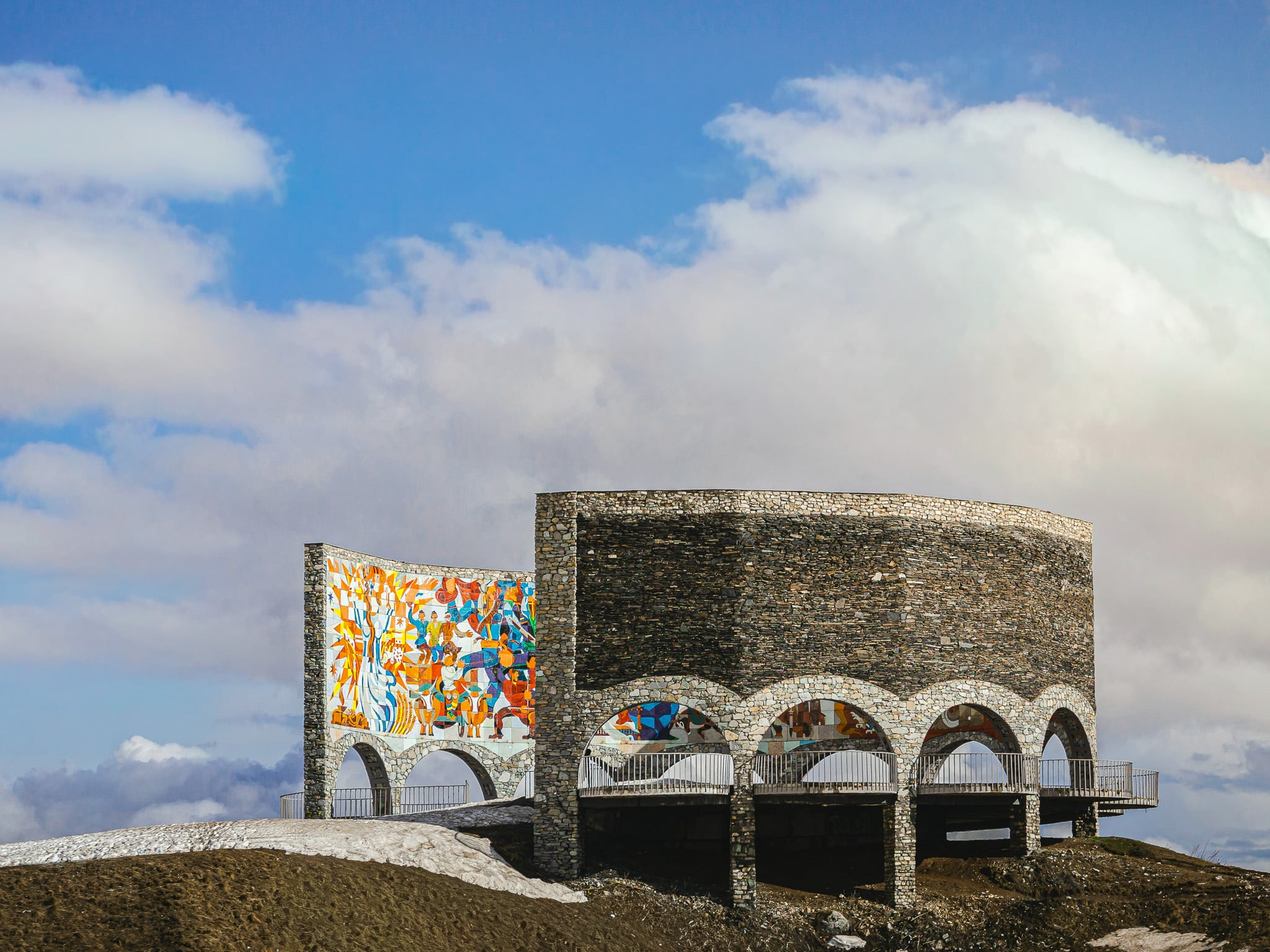
Friendship Monument near Gudauri
5. See Kazbegi: Gergeti Trinity Church and the Hikes Around It
- Where: Stepantsminda, a small town in the Greater Caucasus, about 150 km (93 mi) north of Tbilisi, near the Russian border
- Time needed: at least three nights
- Getting there: by car on the Military Highway, or by marshrutka from Tbilisi’s Didube station in about three hours
- Book it: Lens Design Hotel ⭐️⭐️⭐️⭐️, where I stayed, with a view of the church across the valley
Kazbegi is the name of the whole mountain area, and most people also use it for its only town, Stepantsminda. The photo everyone has seen of Georgia was taken here: Gergeti Trinity Church, a 14th-century stone church on a ridge at 2,170 m (7,119 ft), with Mount Kazbek right behind it. Kazbek is an old volcano covered in glaciers, 5,054 m (16,581 ft) high, and on a clear day it fills the whole sky behind the church.
A paved road now leads all the way to a parking lot right below the church, so any car can make it. The real reason to stay a few nights is hiking. The trail behind the church continues up toward the Gergeti Glacier. South of town, the Truso Valley has mineral springs, abandoned villages and an old fortress. In Juta, a side valley lined with jagged peaks, a trail climbs to Chaukhi Lake.
The town itself isn’t that pretty, with potholed streets and a lot of construction, but nobody comes here for the town. I put everything together in my complete guide to the Caucasus Mountains in Kazbegi.
Read more about Kazbegi:
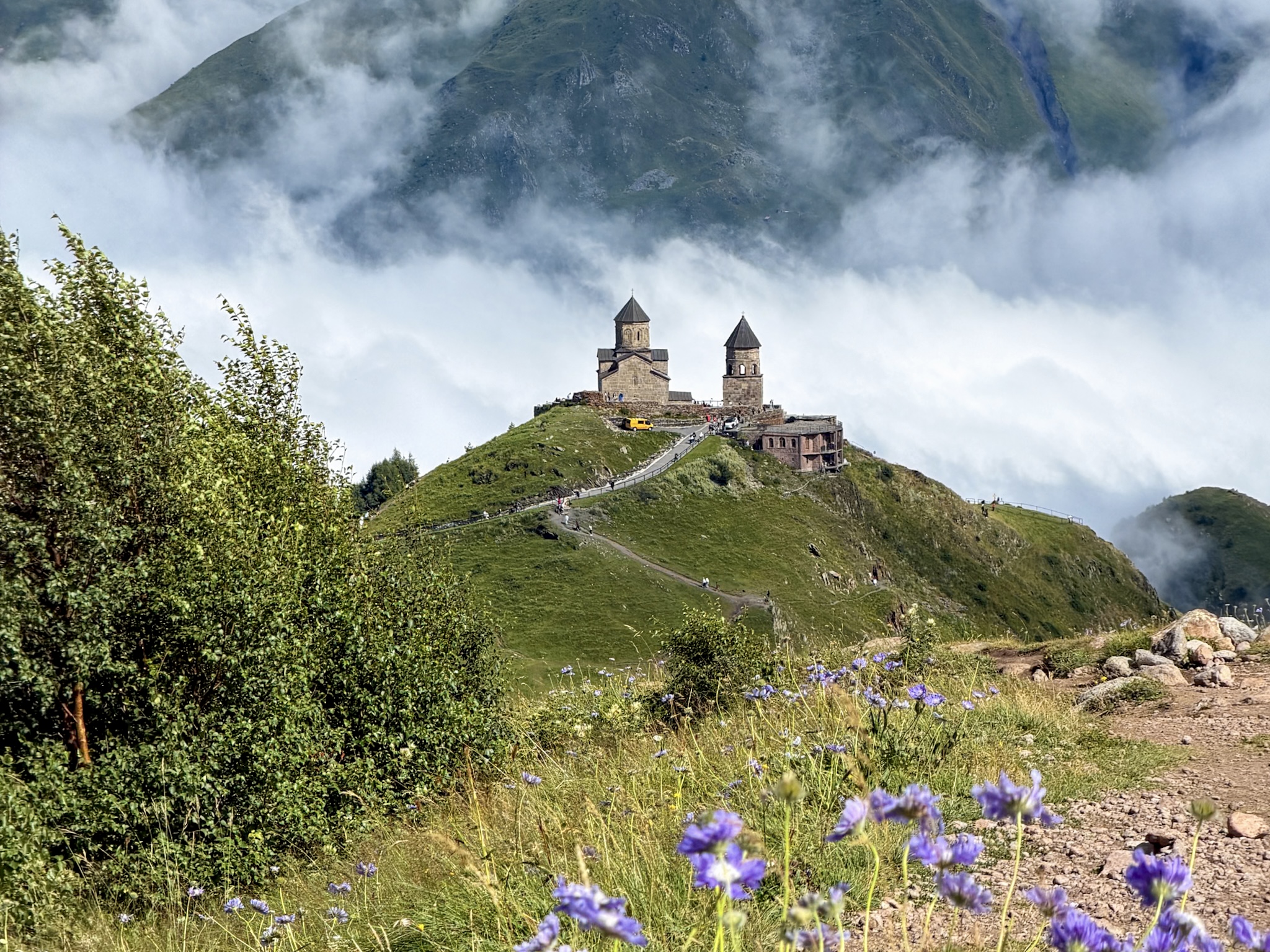
Gergeti Trinity Church in Kazbegi
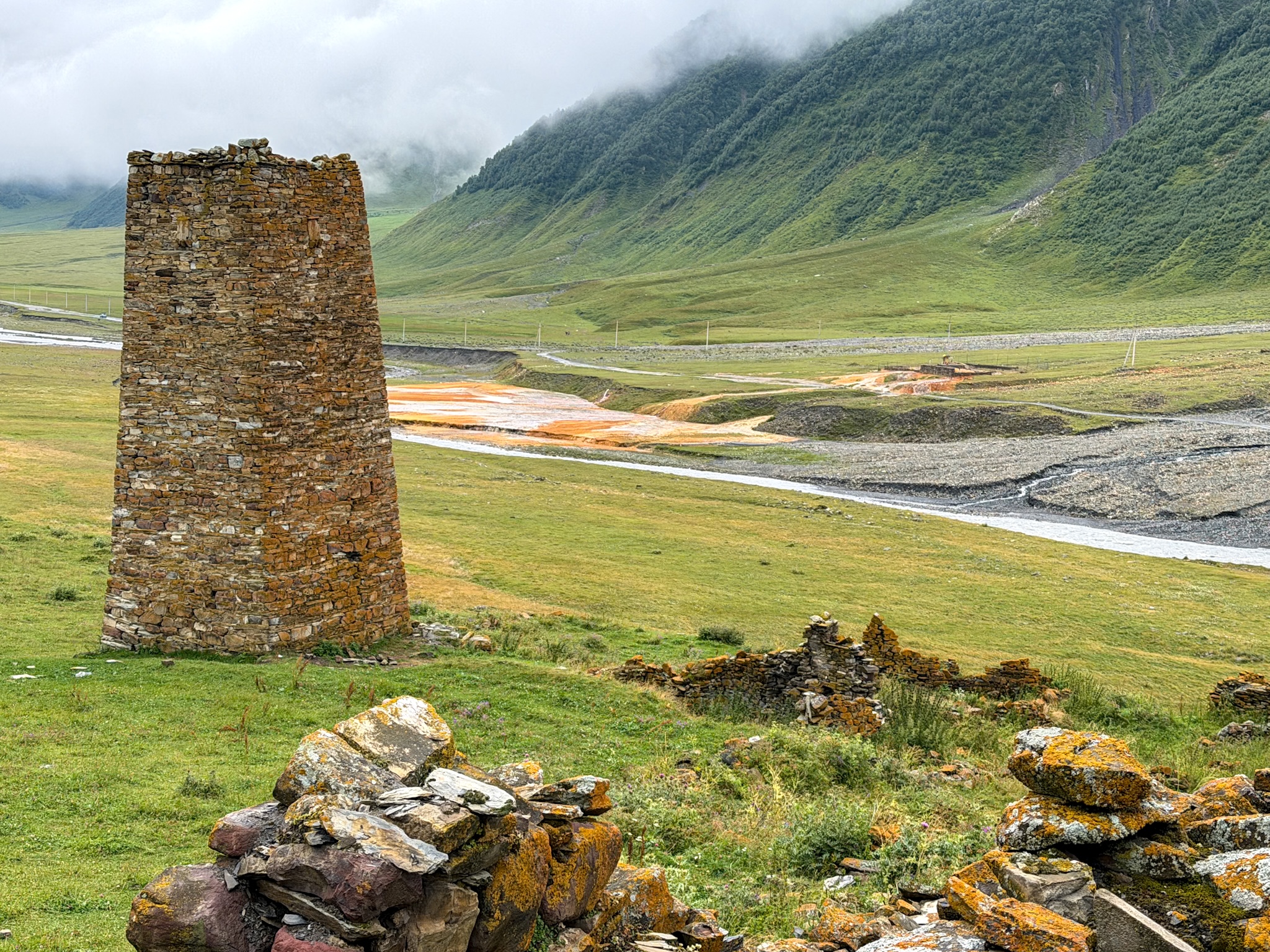
Ketrisi Tower & Sulphur Streams in Truso Valley
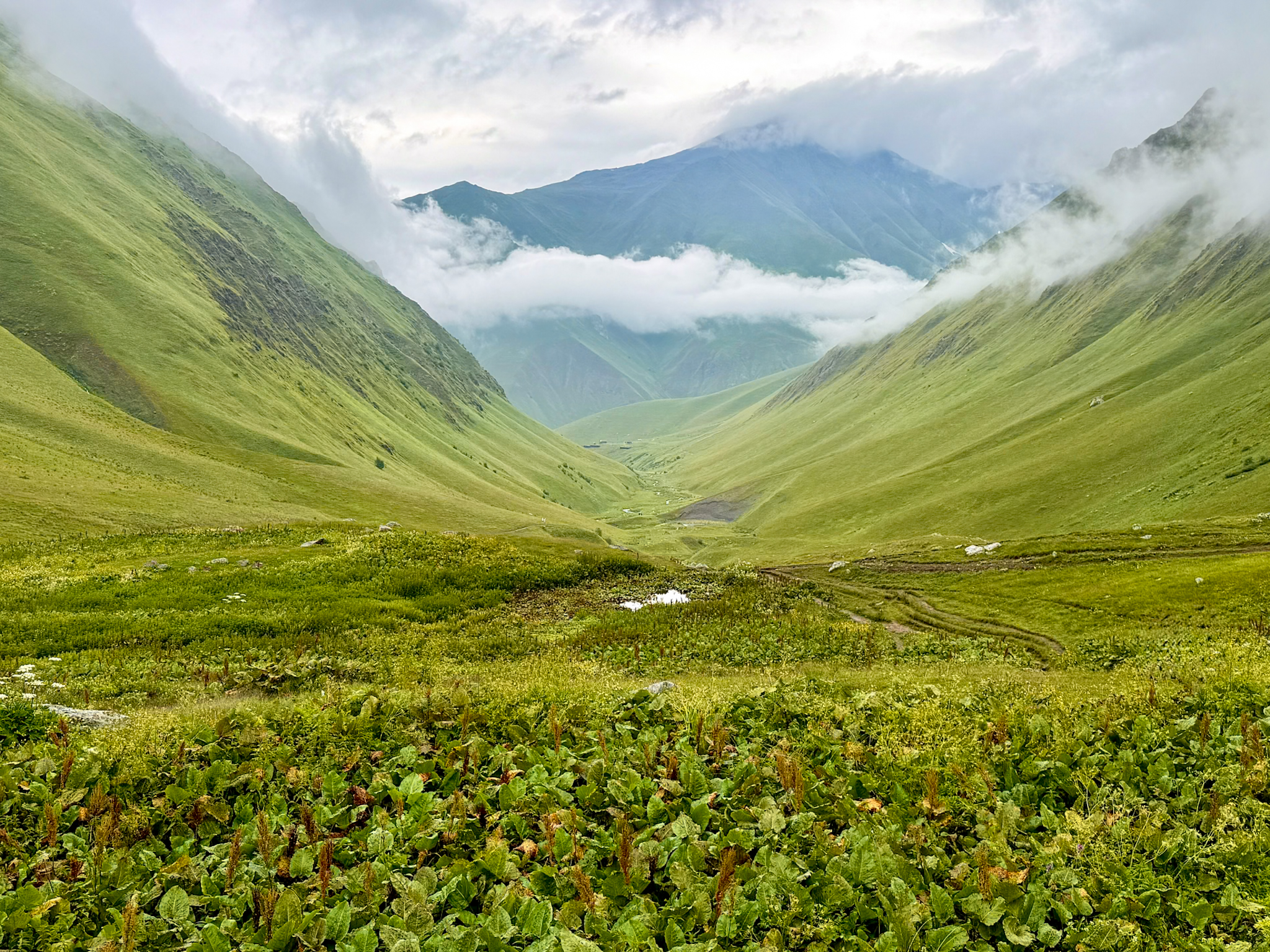
Chaukhi Pass Trail
6. Explore Uplistsikhe Cave Town and Gori
- Where: central Georgia, on the main highway between Tbilisi and Kutaisi; Gori is about 90 km (56 mi) west of Tbilisi, and Uplistsikhe about 15 km (9 mi) east of Gori
- Time needed: half a day, or a full day with the Didgori memorial
- Getting there: easiest by car, since the highway passes right by; day tours from Tbilisi combine the two
- Book it: a day tour to Uplistsikhe and Gori from Tbilisi
Uplistsikhe is a town carved out of a sandstone plateau above the Mtkvari River, and people lived in it for around 3,000 years, from long before Christianity until the Middle Ages. You walk over smooth rock between halls, cellars and rooms cut straight into the cliff. Some of the spaces were pagan temples, and later a small brick church was built on the very top. A narrow tunnel leads from the town all the way down to the river. I spent about two hours there on the drive back from Kutaisi to Tbilisi.
Gori, the nearest town, is where Joseph Stalin was born in 1878. The Joseph Stalin Museum, opened in 1957, still tells his story much the way the Soviet Union wanted it told. Outside you’ll find the small house where he was born and his armored train carriage. I went in, and I’d see it as a museum about Soviet propaganda more than about Stalin himself, since the darkest parts of his rule are barely there.
On the way back to Tbilisi, you can take a detour north into the hills to the Didgori Battle Memorial, a hilltop covered in giant stone swords that marks Georgia’s most famous medieval victory, in 1121. I wrote a guide to visiting Didgori’s field of swords, with the roads that get you there.
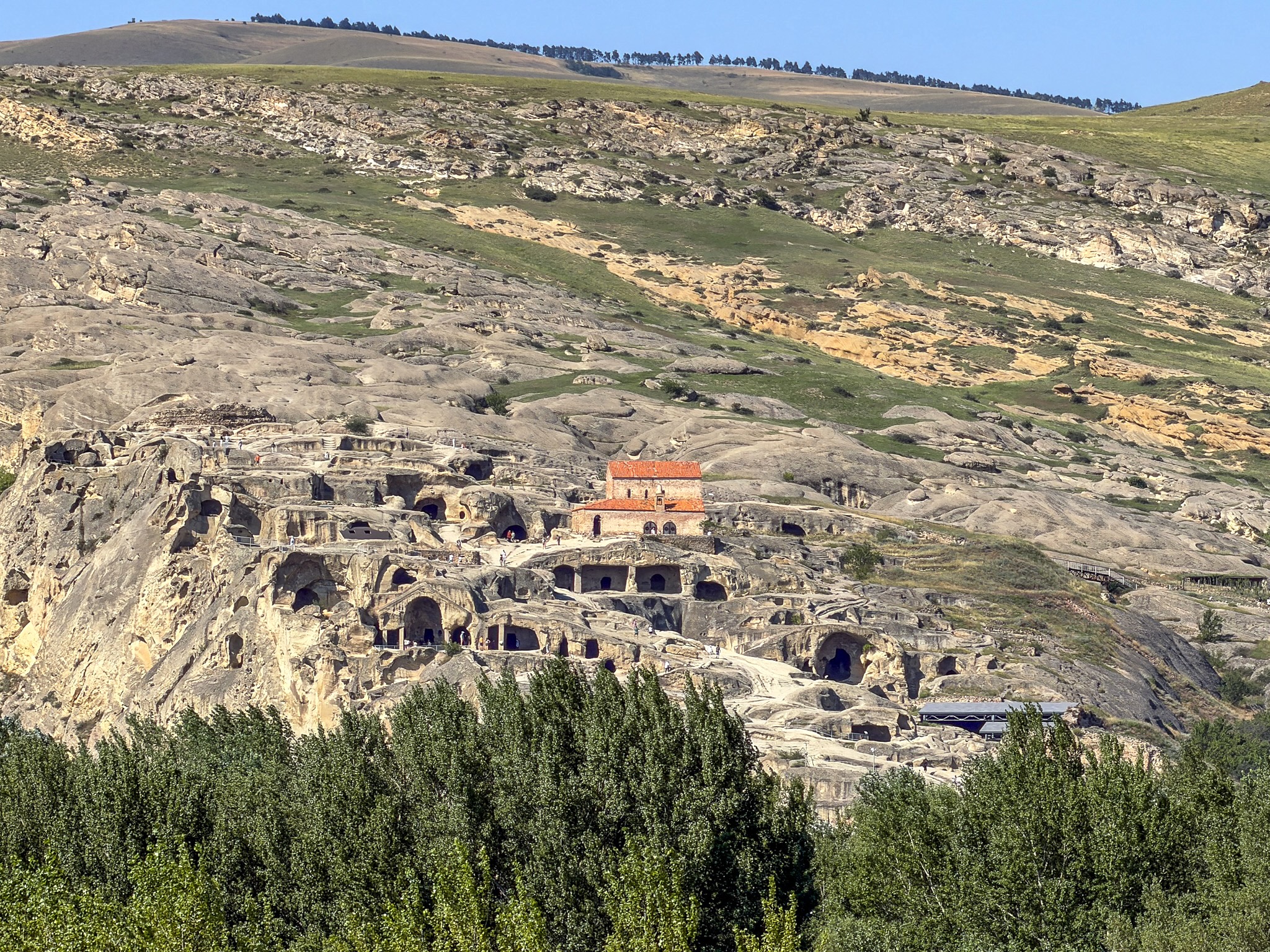
Uplistsikhe rock-hewn town
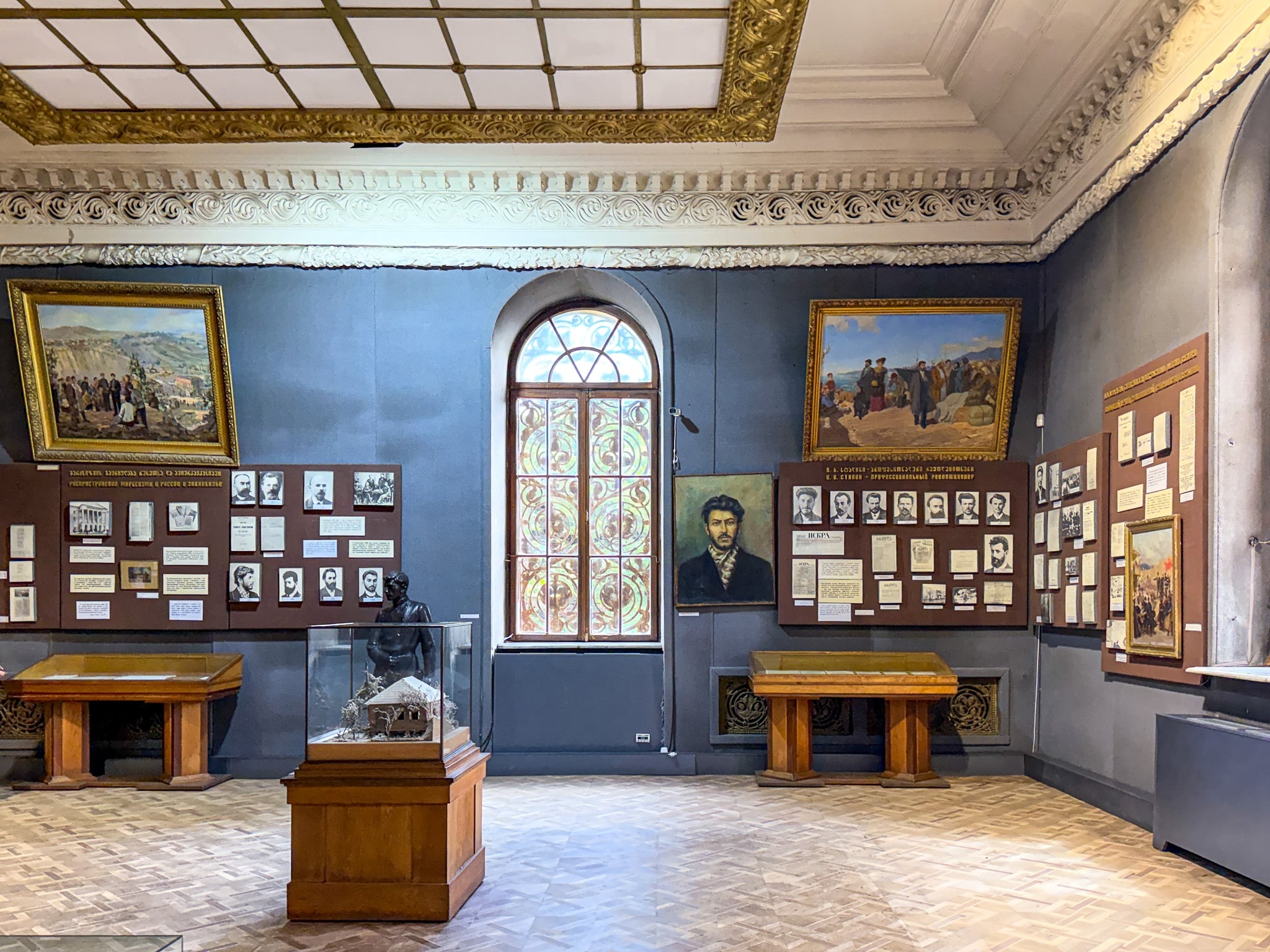
Inside Stalin Museum in Gori
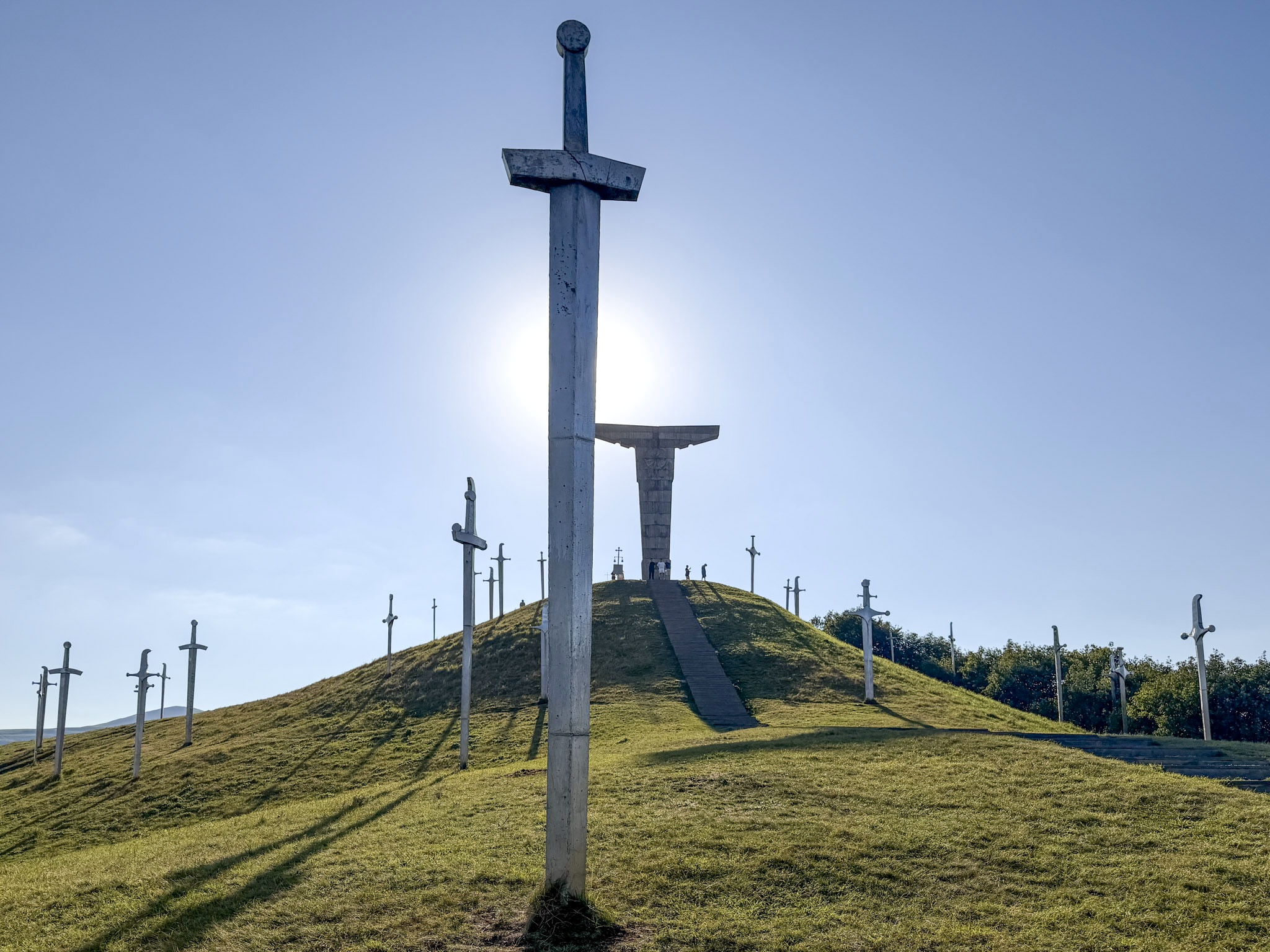
Field of Swords at Didgori Battle Memorial
7. Spend Some Time in Kutaisi and the Places Around It
- Where: western Georgia, about 220 km (137 mi) west of Tbilisi by road
- Time needed: two days
- Getting there: by car on the main highway from Tbilisi, by train, or by plane, since Kutaisi has its own international airport
- Book it: Newport Hotel Kutaisi ⭐⭐⭐⭐, where I stayed
Kutaisi is Georgia’s third-largest city, and plenty of travelers only see it from the airport. I think it's very underrated. The center is small and there's plenty to see. Bagrati Cathedral sits on a hill above the river. It was finished in 1003, ruined over the centuries, and rebuilt so heavily in the 2010s that UNESCO took it off its World Heritage list, and you can see where the old stone ends and the new begins. Down by the river, the Botanical Garden is shady and quiet, with a tiny chapel built inside the trunk of an old tree.
Tskaltubo, 20 minutes away, was an ex Soviet spa town, and its grand sanatoriums now sit half-abandoned in the woods. The Katskhi Pillar nearby is a 40 m (131 ft) limestone column with a small church on top, where monks lived for centuries. The canyon tours in the next entry also start from here. So you can see how Kutaisi works well as a base for seeing many of the best places to visit in Georgia.
I cover the center and all of the day trips in my list of the 10 best things to do in Kutaisi, with a map and a two-day plan.
Read more about Kutaisi:
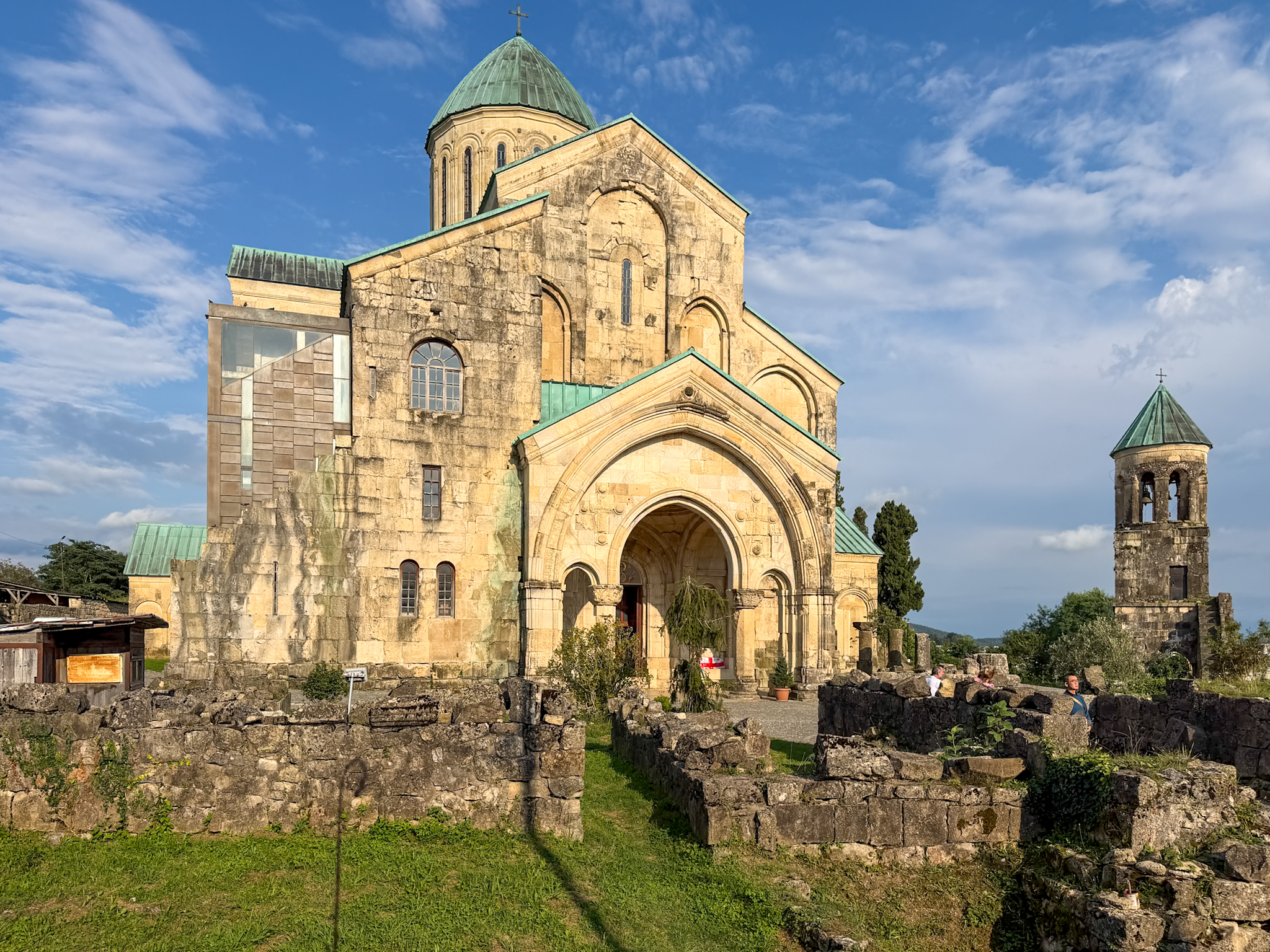
Bagrati Cathedral on Ukimerioni Hill in Kutaisi
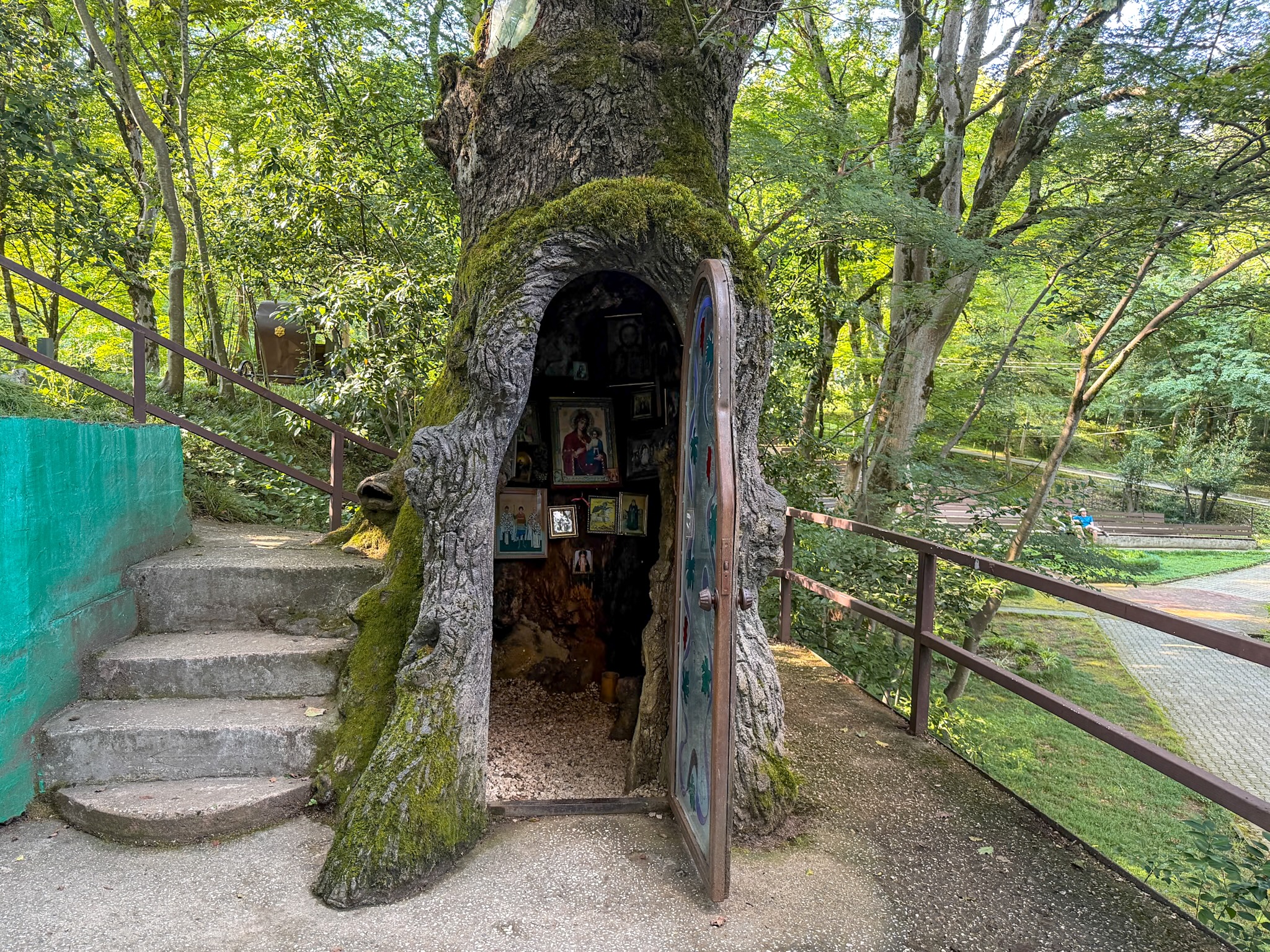
Orthodox chapel oak tree in Kutaisi Botanical Garden
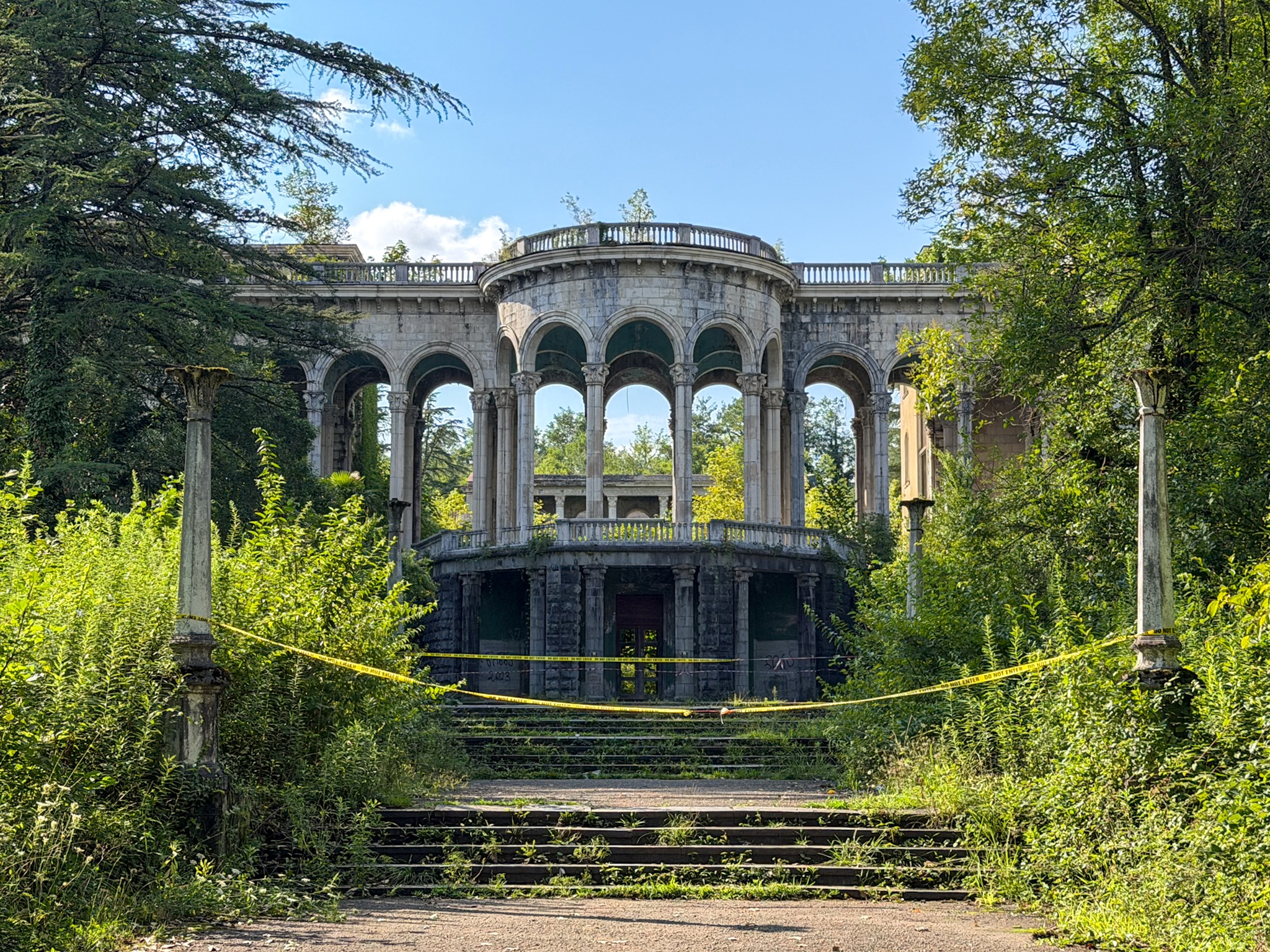
Sanatorium Medea in Tskaltubo
8. Walk Through the Canyons Near Kutaisi: Okatse and Martvili
- Where: north and northwest of Kutaisi; Okatse is about 43 km (27 mi) from the city, and Martvili about 50 km (31 mi)
- Time needed: one full day for both, plus the Kinchkha waterfall
- Getting there: by car, about an hour to each one, or with a day tour from Kutaisi; the two canyons are about 40 minutes apart
- Book it: a tour from Kutaisi to Okatse, Martvili and the waterfall
These two canyons are usually sold together, but they’re quite different. I did both on the same day, and Okatse Canyon was my favorite. Its walkway is bolted onto the side of a deep, forested canyon and hangs right over the drop, so it’s not a great idea if you’re scared of heights. The full loop took me about 50 minutes, and the way back climbs steeply through the woods. About 20 minutes further by car is the Kinchkha waterfall, a tall cascade at the head of a green valley.
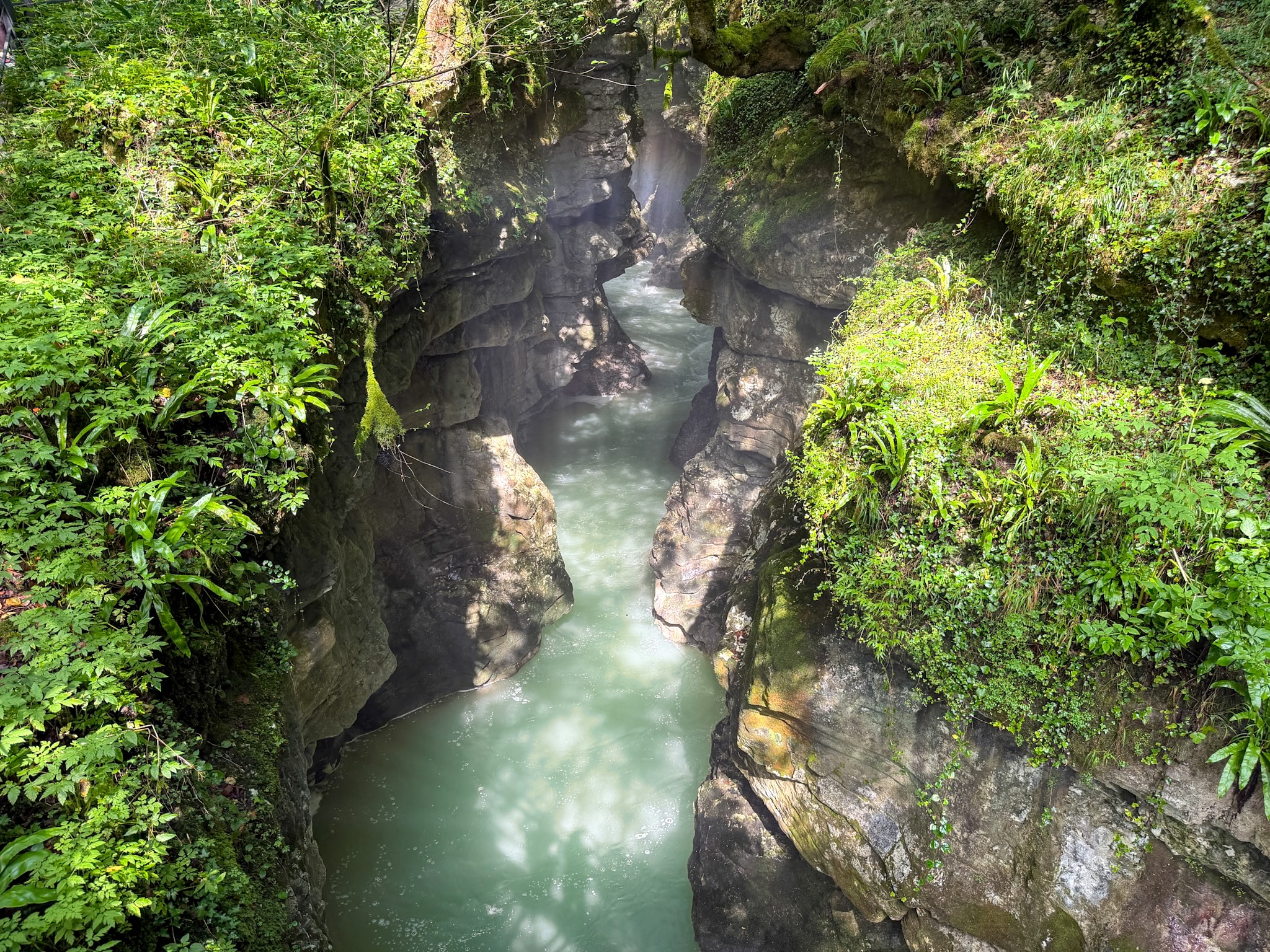
Martvili Canyon is shorter, with turquoise water between moss-covered rock walls. You can walk the path or, when the water level allows, take a boat ride through the narrowest part, the bit you can’t see from the path. On my day the boats weren’t running, and there’s usually no way to check in advance. Martvili is also the only place in Georgia where I met scammers.
If you’re seeing more than one site, buy the combined ticket at the first one. I wrote everything about the visits, tickets and routes in:
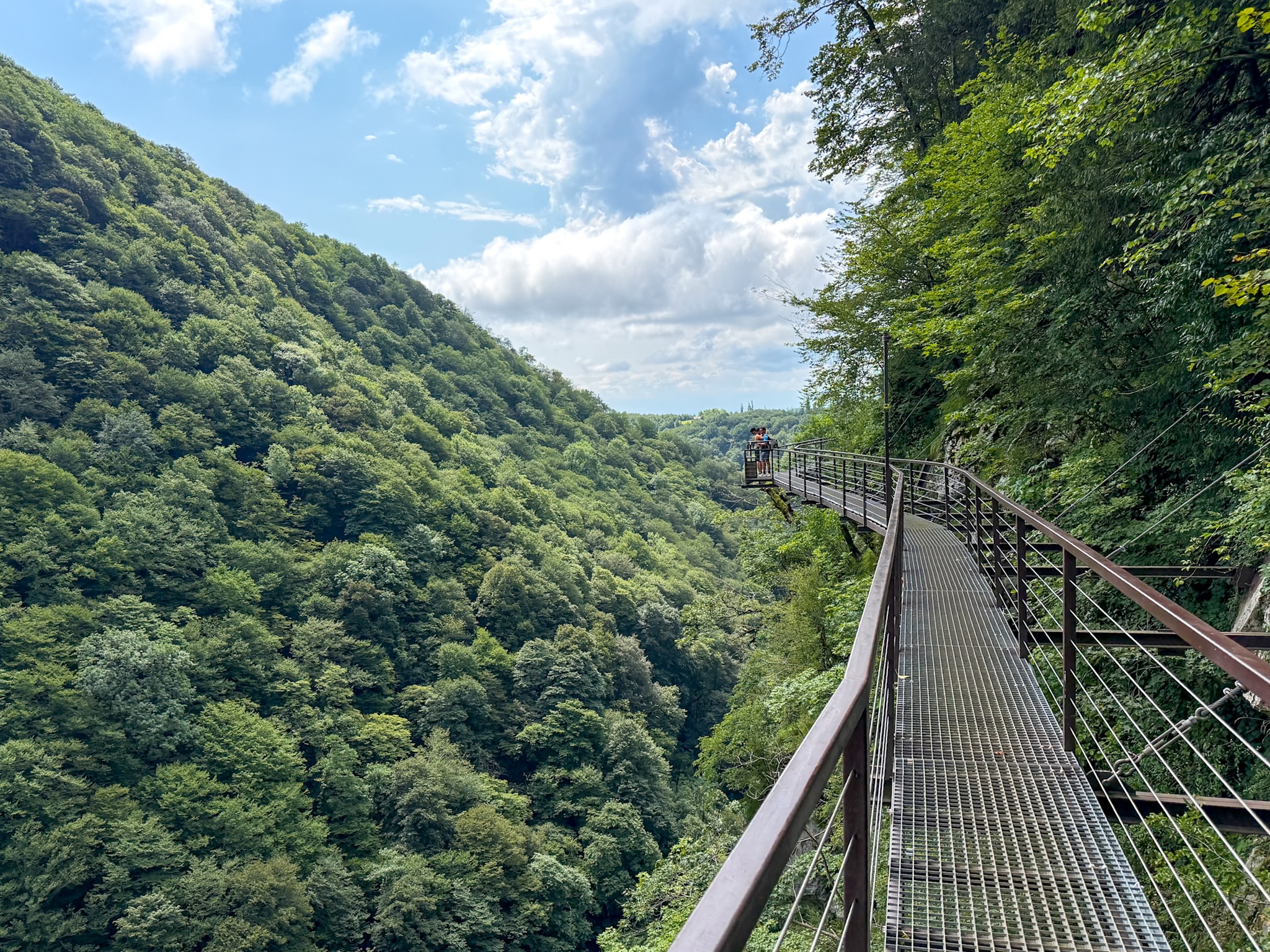
Okatse Canyon
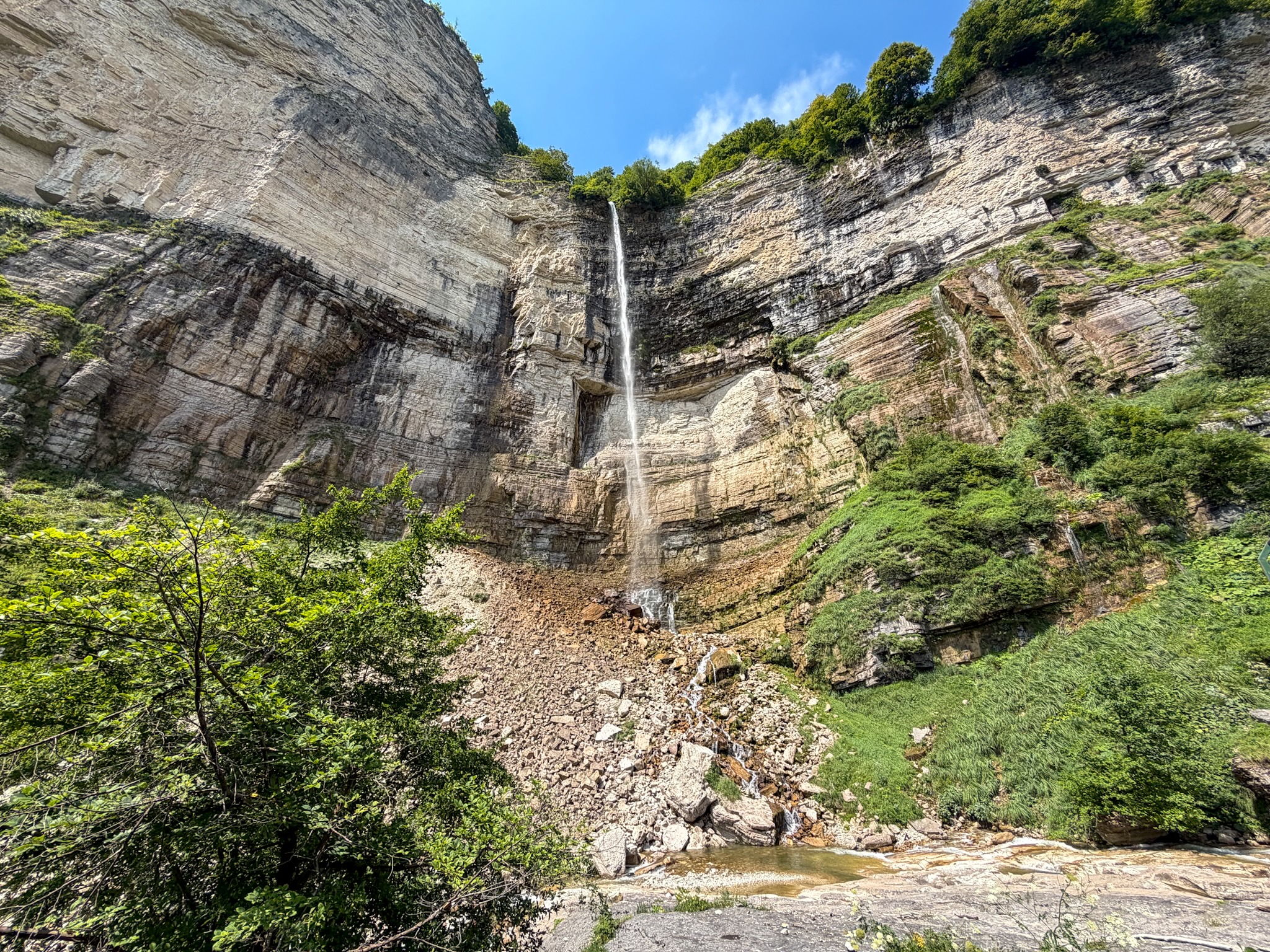
Okatse Waterfall (Kinchkha)
Martvili Canyon
9. Hike Among the Stone Towers of Svaneti: Mestia and Ushguli
- Where: Upper Svaneti, high in the Greater Caucasus in the far northwest of Georgia
- Time needed: at least three days
- Getting there: about 255 km (158 mi) from Kutaisi, around five hours by car; Mestia to Ushguli is another 45 km (28 mi), 1.5 to 2 hours on a mountain road
- Book it: the 3-day private Svaneti tour I took with Megobari Tours, and Lahili Boutique Hotel in Mestia, where I stayed
This was my absolute favourite thing to do in Georgia. Svaneti is a high mountain region where almost every village is crowded with stone towers. Families built them between the 9th and 12th centuries to defend themselves from invaders and from each other, and hundreds still stand. The whole of Upper Svaneti is a UNESCO World Heritage Site, since 1996. Mestia, at 1,400 m (4,593 ft), is the main town and the easiest base, with the most hotels and restaurants. I did Svaneti on a private three-day tour from Kutaisi, with a guide who also drove, and we slept in Mestia.
Ushguli is a cluster of four villages at the very end of the road, between 2,060 and 2,200 m (6,760 and 7,220 ft), among the highest permanently inhabited places in Europe. Behind it rises Shkhara, Georgia’s highest mountain at 5,193 m (17,037 ft). I climbed up inside one of the towers there, on wooden ladders with a few rungs missing, then hiked toward the Shkhara Glacier.
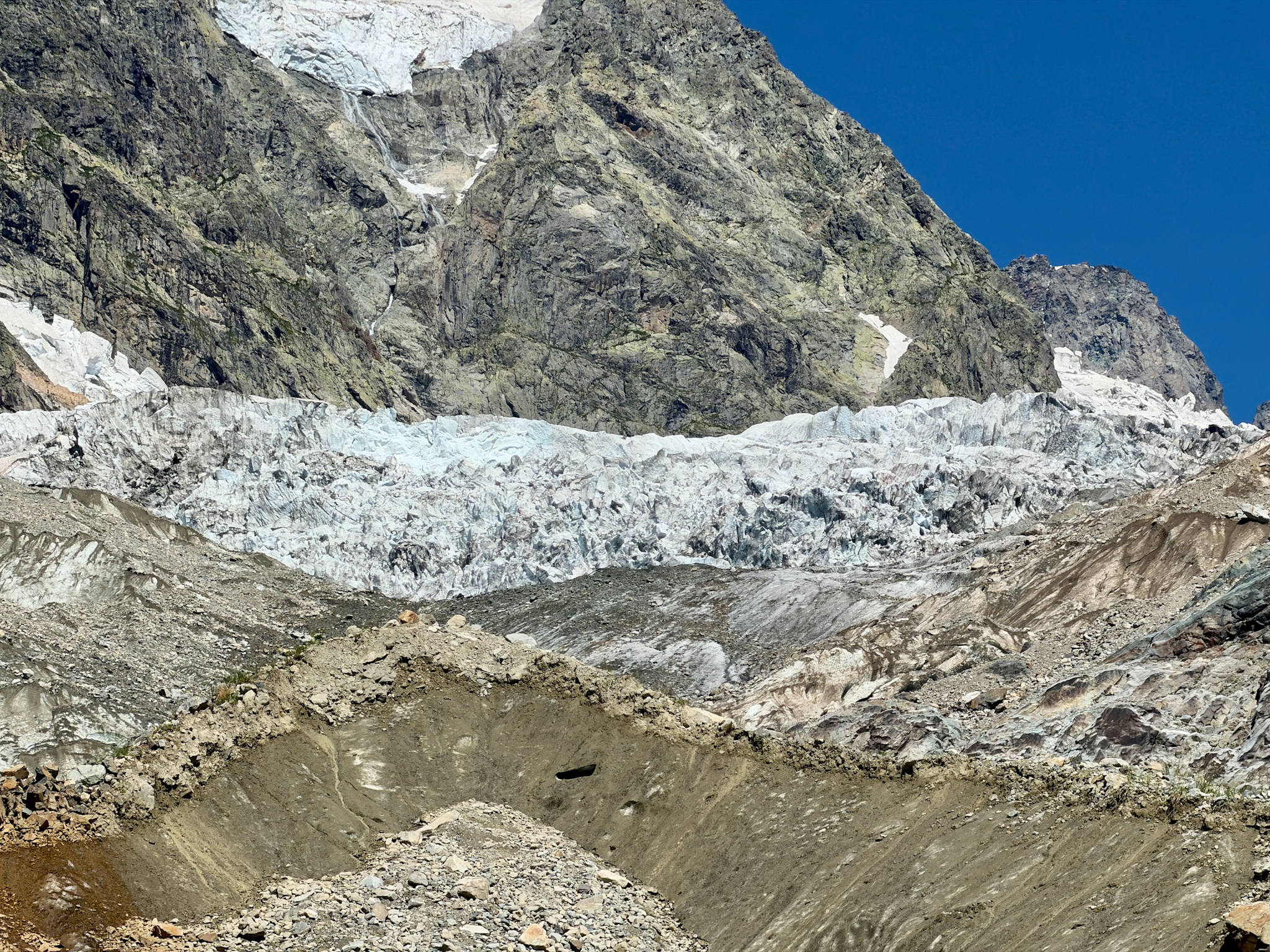
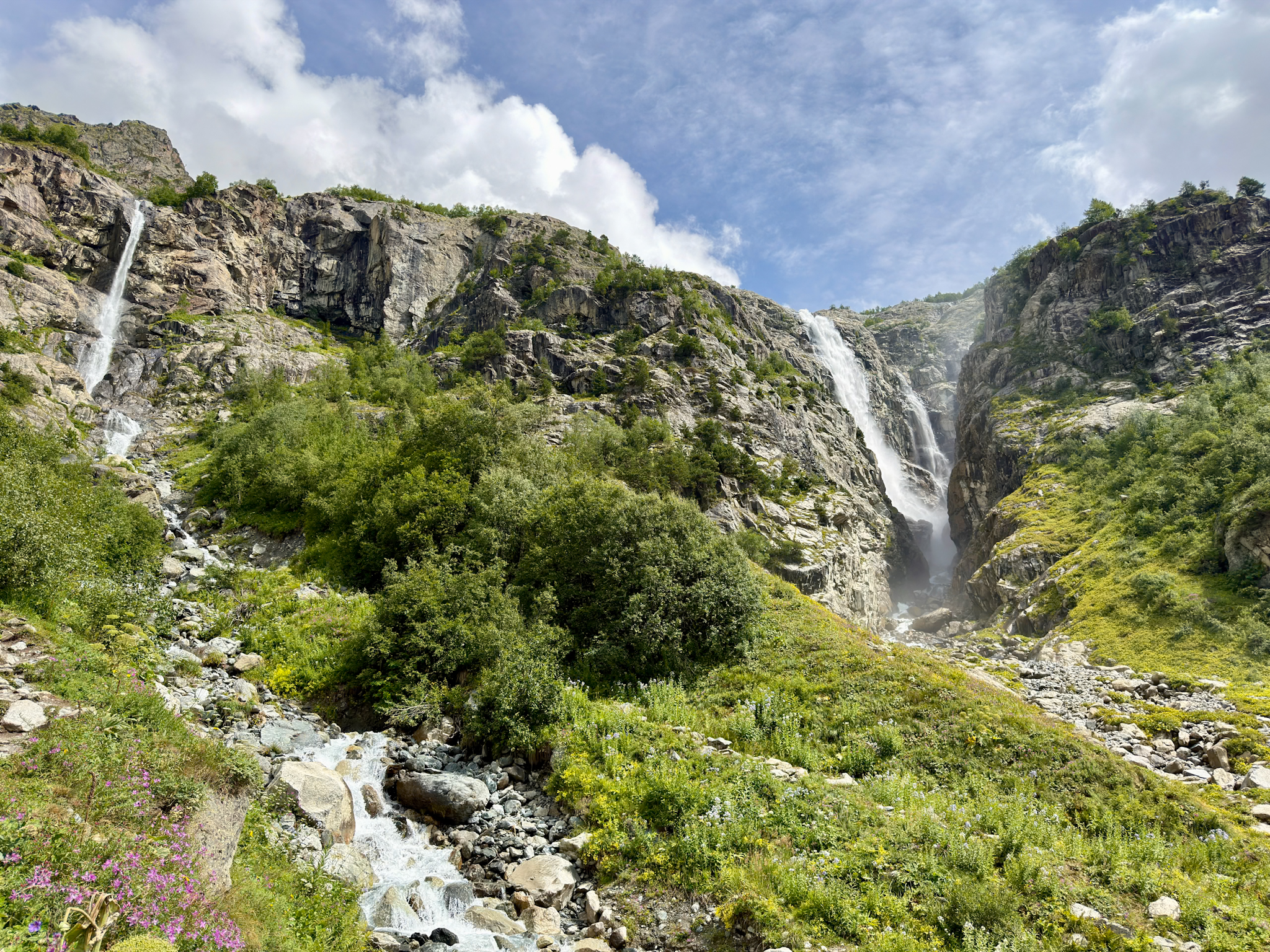
Hiking is the main thing to do here, and most trails start close to Mestia. The Chalaadi Glacier is the easiest, the Shdugra Waterfall trail faces the twin peaks of Mount Ushba, and the Koruldi Lakes sit high above Mestia, reachable on foot or by 4x4. Experienced hikers can also walk all the way from Mestia to Ushguli in about four days. I compared all of them in my guide to the 5 best hikes in Svaneti.
Read more about Svaneti:

Ushguli Village & Mount Shkhara
Chalaadi Glacier Close Up
Shdugra (Ushba) Waterfall Hike
10. Spend a Day or Two on the Coast in Batumi
- Where: on the Black Sea, in the far southwest of Georgia, close to the Turkish border
- Time needed: two to three days, if you go
- Getting there: about 150 km (93 mi) from Kutaisi by car, or about 5.5 hours from Tbilisi by train; Batumi also has its own airport
- Book it: hotels in Batumi
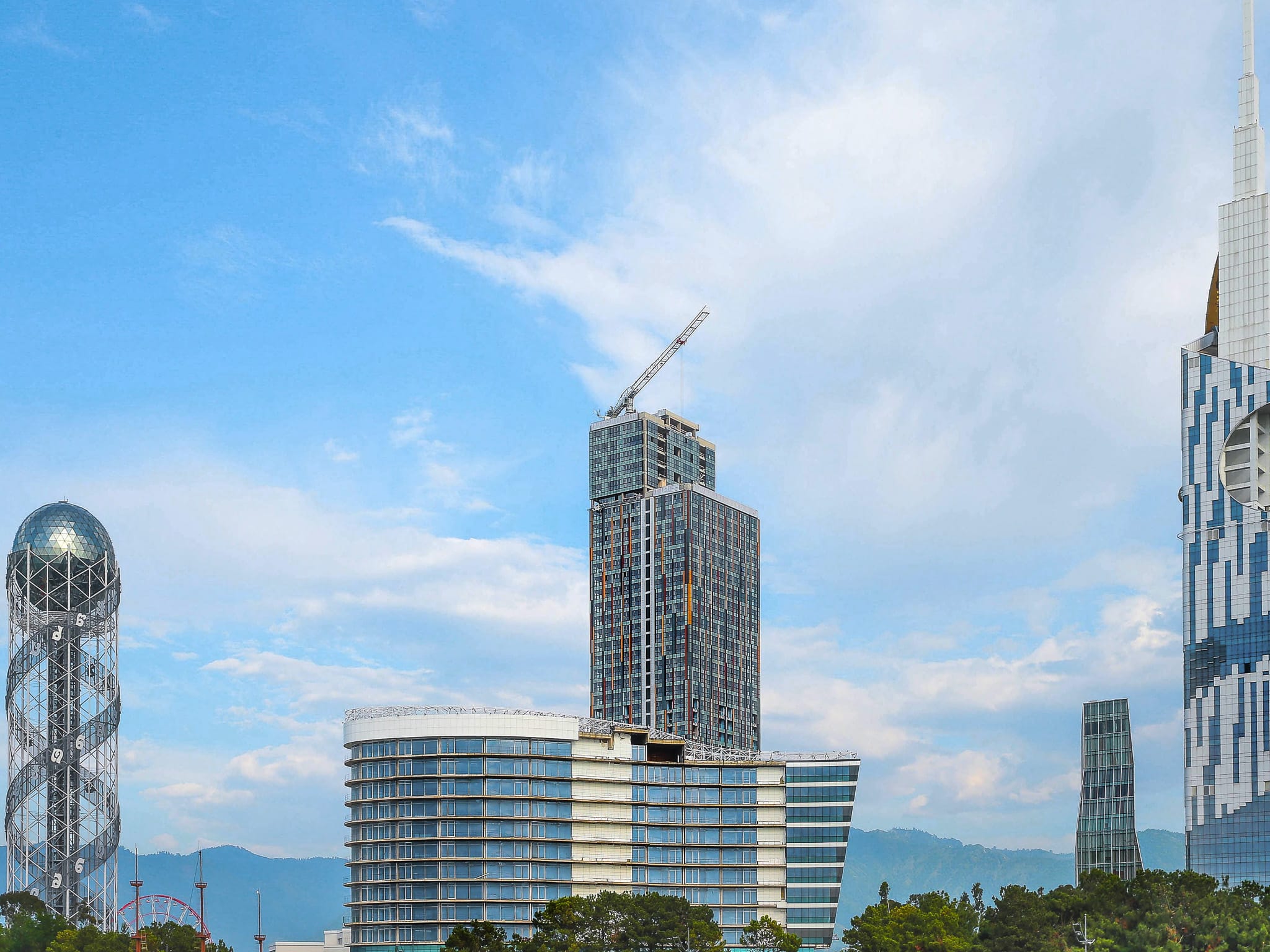
Batumi is Georgia’s second-largest city and its main seaside resort. The city runs along a long boulevard by the water, lined with palm trees, cafés and some very unusual modern towers. One of them, the Alphabet Tower, is wrapped in the letters of the Georgian alphabet. Along the promenade there’s also Ali and Nino, a pair of tall steel figures that slowly move toward each other and pass through one another every evening. Behind all that is a small old town, and a few miles north is the Batumi Botanical Garden, which spreads over the hills above the sea.
The beach is made of pebbles, and in July and August the coast road gets jammed with traffic. September is usually calmer, and the water is still warm. Batumi is also the home of Adjarian khachapuri, the boat-shaped cheese bread with an egg and a block of butter melting in the middle.
Batumi modern skyline
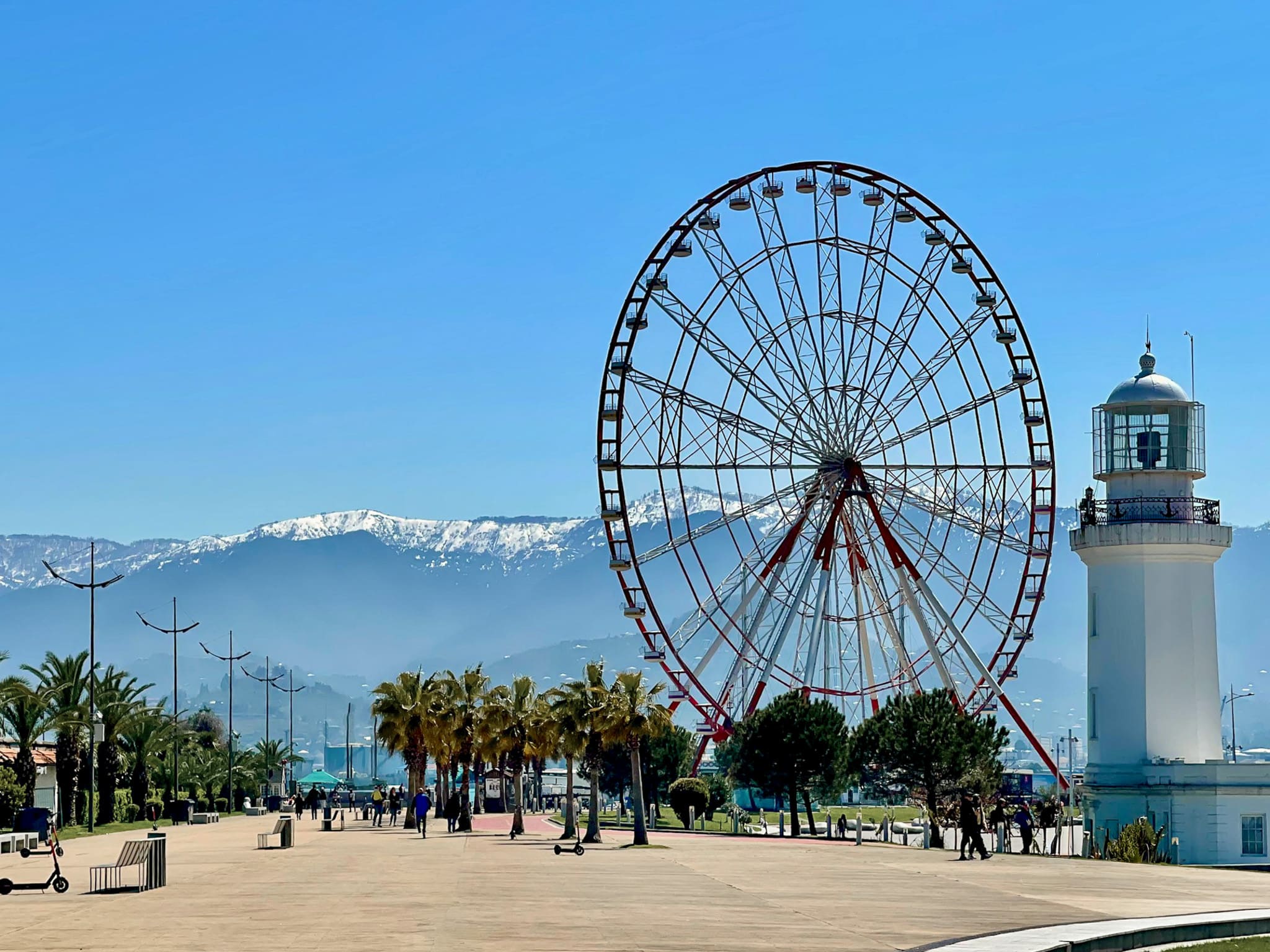
Main Promenade in Batumi
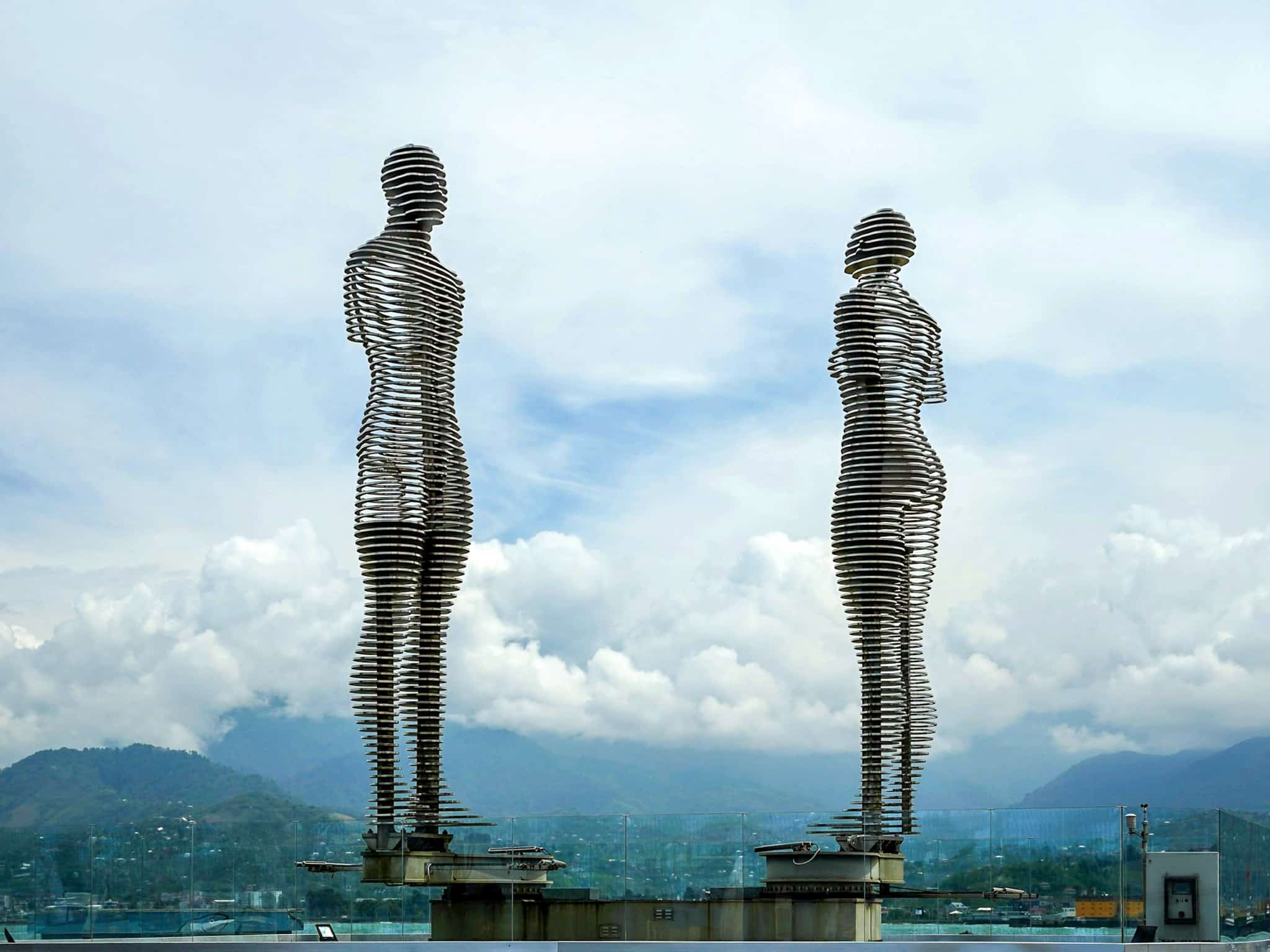
Ali and Nino Steel Figures
11. Visit Borjomi and the Vardzia Cave Monastery
- Where: south-central Georgia, in the Lesser Caucasus; Borjomi is about 160 km (99 mi) west of Tbilisi, and Vardzia about 110 km (68 mi) south of Borjomi
- Time needed: two days, with a night in Borjomi or Akhaltsikhe
- Getting there: by car is easiest; day tours from Tbilisi cover both, but make for a very long day
- Book it: a day tour to Borjomi and Vardzia from Tbilisi
These two didn’t fit into my two weeks itinerary, but they come up in almost every Georgia trip I’ve read about, and they’re easy to combine.
Borjomi is a spa town in a forested valley, famous across the former Soviet Union for its salty, fizzy mineral water. The Russian royal family turned it into a summer retreat in the 19th century. In the central park you can fill a bottle straight from the spring, and further up the valley there are warm sulfur pools to swim in. The town is also the gateway to Borjomi-Kharagauli National Park, one of the largest protected areas in the country, with marked hiking trails.
Vardzia, two hours further south, is a cave monastery carved into a cliff above the Mtkvari River in the 12th century, under Queen Tamar. It once had hundreds of rooms over many levels, with churches, wine cellars and water channels, and an earthquake in 1283 tore off the outer wall and left the rooms open to the valley, the way you see them today.
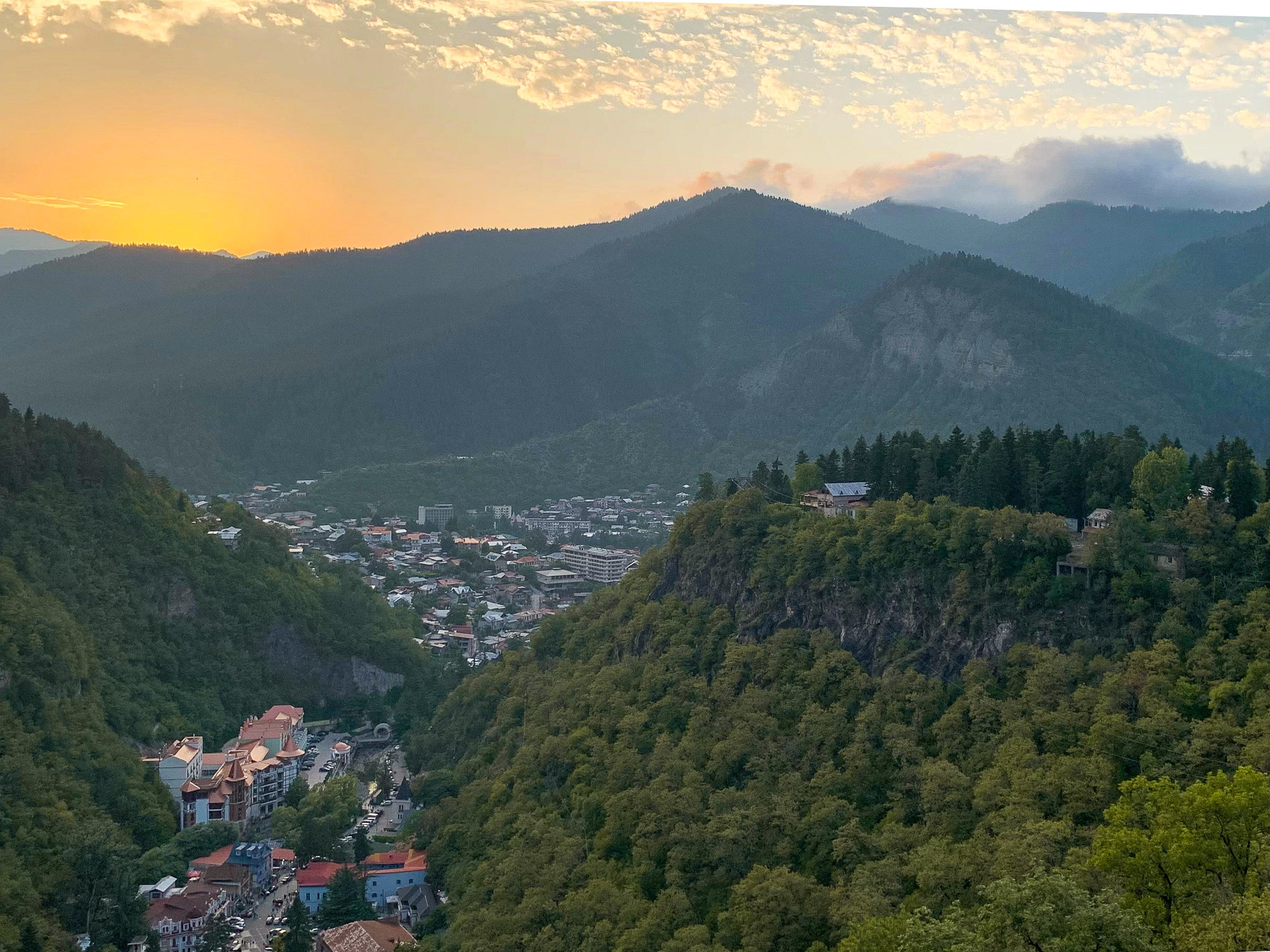
Borjomi National Park
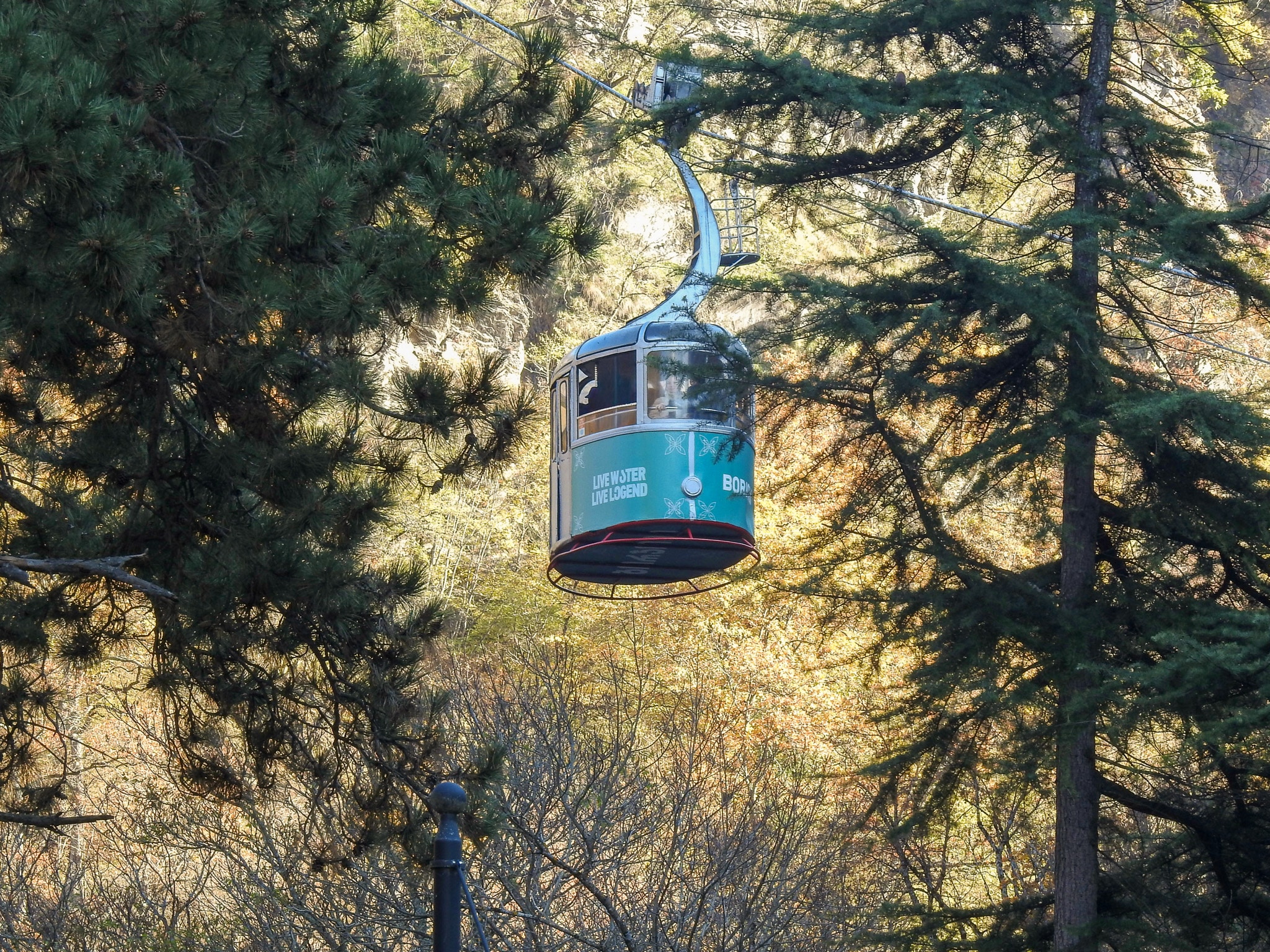
Cable Car in Borjomi
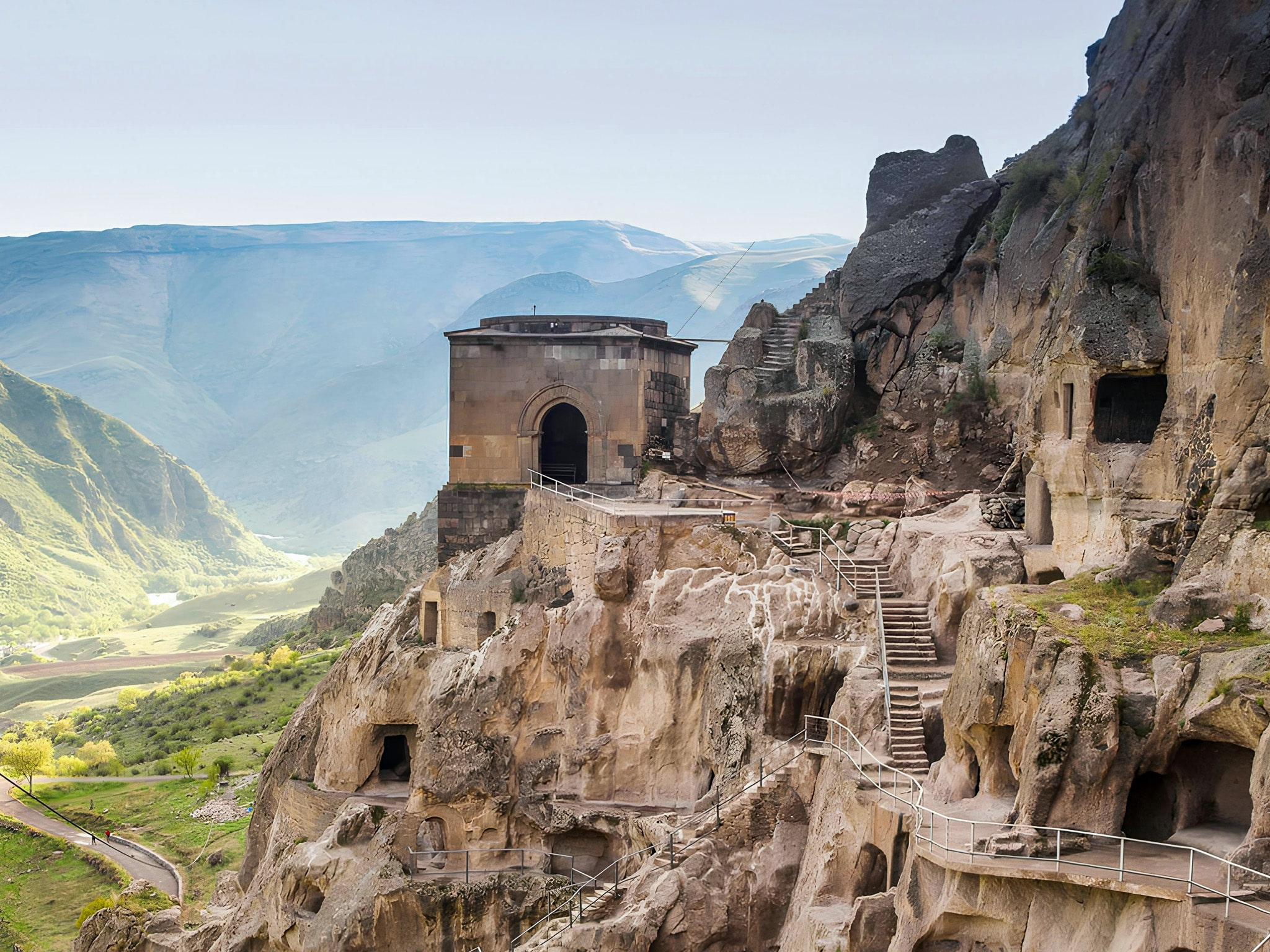
Vardzia Cave Monastery
12. Eat Your Way Through Georgian Food
- Where: everywhere, from Tbilisi’s restaurants to family guesthouses in the mountains
- Time needed: every meal of the trip
- Getting there: every town on this list has at least one good Georgian restaurant
Food was one of the best parts of the trip, and it’s a big reason people come back to Georgia. The dish you’ll see first is khachapuri, bread filled with melted cheese. Every region has its own version, from the round, flat Imeruli to the boat-shaped one from Batumi I mentioned above.
Then there’s khinkali, big twisted dumplings filled with spiced meat and broth. You hold them by the knot on top, bite a small hole, drink the broth, and leave the knot on the plate.
Walnuts show up in a lot of dishes. Pkhali are small balls of chopped spinach, beets or other vegetables mixed with walnut paste and herbs. Badrijani are thin slices of fried eggplant rolled around the same paste, with pomegranate seeds on top.
Wine comes with almost everything, and many restaurants serve their own house wine by the carafe. I’m putting together a guide soon to the best foods to try in Georgia, with all the dishes worth ordering and where I ate them.
Read more about where I ate:
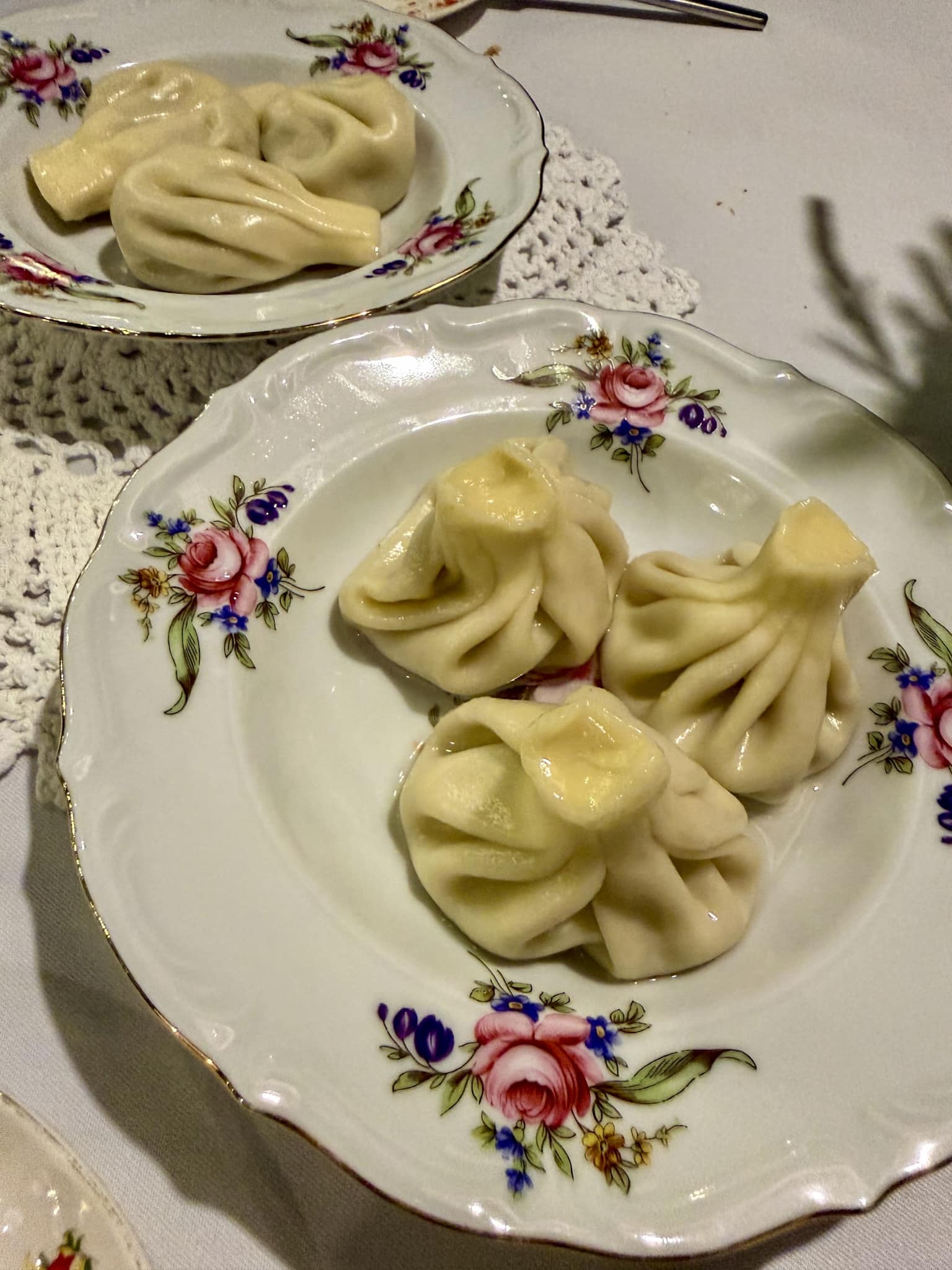
Khinkali dumplings at Stumari Restaurant in Tbilisi

Khachapuri & Kebab at Alpine Lodge Restaurant in Kazbegi
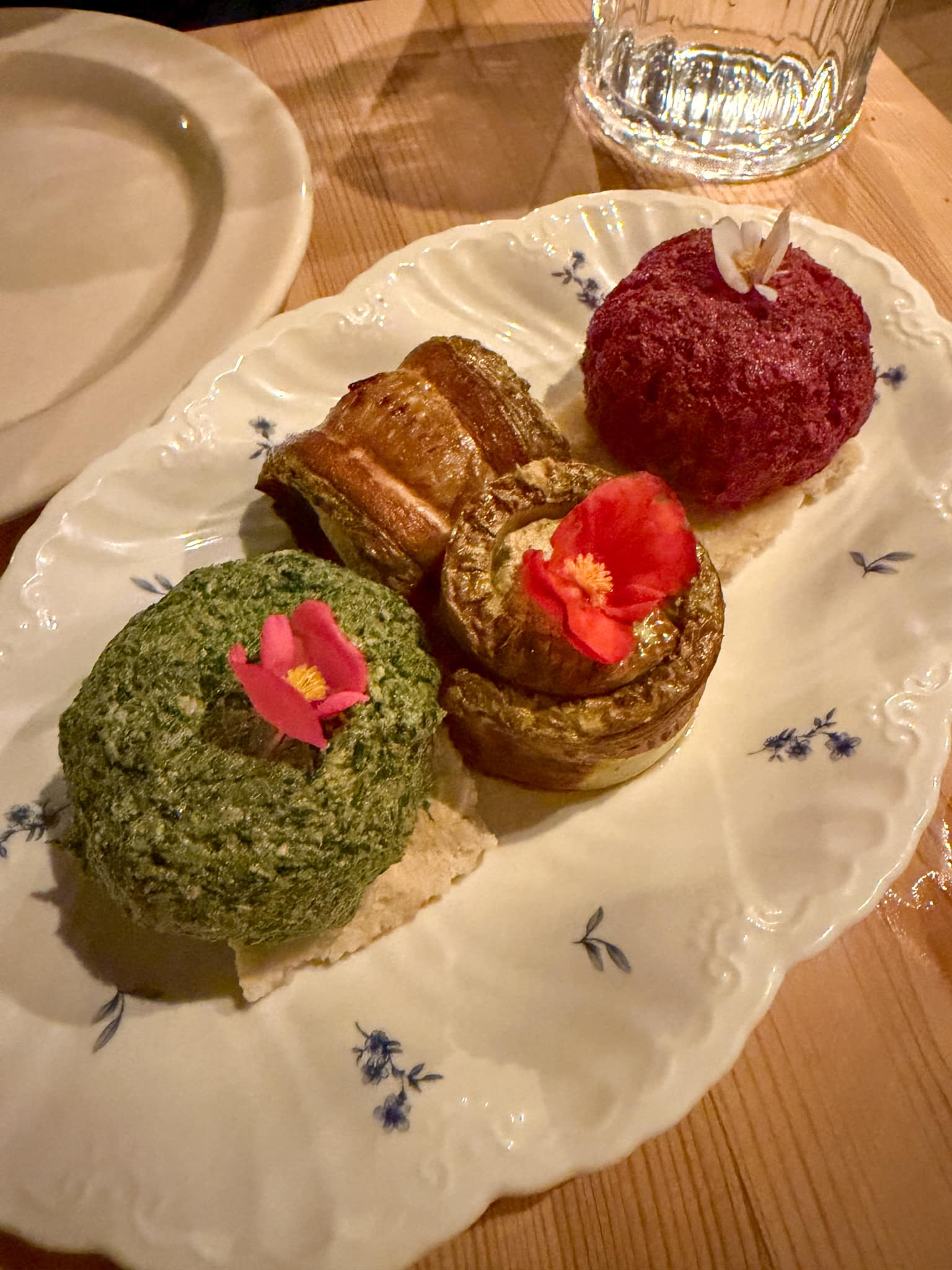
Traditional Pkhali at 1740 restaurant in Kazbegi
What to Skip in Georgia (Country) If You’re Short on Time
Nobody really tells you to skip anything in Georgia, and most of these places are fine. The problem is time. With one or two weeks, some stops eat a whole day for not much, and that day goes better somewhere else on this list. Here’s what I’d leave out, or do differently, if your trip is tight.
Kazbegi as a day trip from Tbilisi
This is the most common tour sold in Tbilisi, and on paper it works: Military Highway in the morning, Gergeti Trinity Church at lunch, back in the city by night. In practice you spend about 7 hours in a minibus for maybe an hour up at the church. You also miss the hikes, which are the real reason to go up there. And Kazbek is hidden by clouds about half the time, so on a single day you might not see the mountain at all. What to do instead: sleep in Stepantsminda for at least two nights. That gives you one day for the church and the Gergeti Glacier trail, and one for Truso or Juta, and a second chance at clear skies. I wrote more about this in my honest answer to whether Kazbegi is worth visiting.
Martvili Canyon on its own
Martvili shows up on every Instagram feed about Georgia, mostly because of the boat ride through the gorge. The boats often don’t run, though, after rain or when the water is low, and you only find out once you’re there. The entrance is also full of people selling extra tours and “guides” you don’t need. It’s pretty, but I wouldn’t cross the country only for it. What to do instead: see it on the same day as Okatse Canyon, which is 40 minutes away, while you’re based in Kutaisi. If you have to pick one, pick Okatse.
Batumi on a short trip
Batumi is Georgia’s seaside city, with a modern skyline and a long promenade. It’s a fun place if you want a few beach days. On a tight schedule, though, it’s a long detour, about 2.5 hours from Kutaisi each way, and it’s the least typical stop in the country. The beach is pebbles, and in July and August the city is packed. What to do instead: give those days to Svaneti or to Kutaisi and the places around it. Save Batumi for a second trip, or for a slower one with time to spare.
Gelati Monastery on a weekday
Gelati is a 12th-century monastery about 20 minutes from Kutaisi, on UNESCO’s list for its gold mosaics. It’s under restoration, and in 2026 it was only open on weekends and public holidays. Lots of people drive up on a Tuesday and find the gate closed. Check the opening days before you go, since they change as the work moves forward. What to do instead: if it’s closed, drive to Motsameta Monastery, about 10 minutes away, a small church on a cliff above a bend of the river. It’s open every day and much quieter.
Gudauri in summer
Gudauri is Georgia’s biggest ski resort, on the Military Highway just before the pass. In winter it’s the whole point of the trip. In summer it’s mostly hotels and closed lifts, and some tours still give it an hour or more. What to do instead: stop for 20 minutes at the Friendship Monument, just past Gudauri, for the view over the valley, then keep driving. Kazbegi is less than an hour away.
How to Fit These Things To Do in Georgia Into One Trip
Georgia is small on the map, but the roads are slow. Mountain roads, trucks and cows on the asphalt add up, so a 150 km (93 mi) drive can take most of a morning. The easiest way to see the best places to visit in Georgia is to pick three or four bases and do day trips from each, instead of changing hotel every night.
With up to 10 days
- Days 1 to 3: Tbilisi. Two days in the city, plus one day trip to David Gareja and the Rainbow Mountains, or to Uplistsikhe on the way west.
- Days 4 to 5: Kazbegi. Drive the Military Highway with stops at Ananuri and the Friendship Monument, then two nights in Stepantsminda for Gergeti Trinity Church and one hike.
- Days 6 to 7: Kutaisi. Back through Tbilisi and west, about 4 hours of driving. One day for the city and Bagrati, one for Okatse and Martvili.
- Days 8 to 10: Svaneti. Drive up to Mestia, one day in Ushguli, then the long drive back to Kutaisi to fly out from its airport.
It’s a full schedule. Kakheti, Batumi and Borjomi don’t fit here.
With 14 days
Two weeks is what I had, and it’s the amount of time I’d suggest for a first trip. Use the same route, with more breathing room:
- Add one more night in Kazbegi, for a second hike and a second chance to see Kazbek without clouds.
- Add one more day around Kutaisi, for Katskhi Pillar and the abandoned sanatoriums of Tskaltubo.
- Stay four nights in Svaneti instead of three, so you can do one of the long hikes from Mestia.
- If hiking isn’t your thing, swap those extra days for a day of wine tasting in Kakheti, or a detour south to Borjomi and Vardzia.
You can see the full route day by day, with drive times and where I slept, in my 2-week Georgia itinerary.
FAQ About Traveling to Georgia (Country)
Is Georgia expensive to visit?
Not really, compared to most of Europe. Food is the cheapest part: a big Georgian dinner with wine costs a lot less than in Western Europe. Guesthouses in the mountains are cheap too. What adds up is getting around, so car rental, fuel and private drivers to places like Juta or Ushguli. Tbilisi and Batumi have expensive hotels if you want them, but you can easily do the whole trip on a mid-range budget.
Do you need a car to travel around Georgia?
You don’t need one, but it makes everything easier. I rented a car in Tbilisi and it let me stop at Ananuri, Uplistsikhe and the canyons whenever I wanted. Without a car you can use marshrutkas, the shared minibuses that link most towns, and take day tours from Tbilisi or Kutaisi for places like David Gareja. For some roads, like the ones to Juta, Truso or the Gergeti Glacier trailhead, you’ll want a local driver with a 4x4 anyway, even if you have your own car.
Can you visit Kazbegi and Svaneti in one trip?
Yes, and on a trip of 10 days or more I’d do both. They’re on opposite sides of the country though, and there’s no road between them across the mountains, so you go back through Tbilisi or Kutaisi. If you only have time for one, I compared them in my guide to choosing between Kazbegi and Svaneti.
Is it better to base yourself in Tbilisi or Kutaisi?
Both, if you can. Tbilisi works for the east: David Gareja, Kakheti, Uplistsikhe and the start of the Military Highway to Kazbegi. Kutaisi works for the west, with the canyons, Katskhi Pillar and Tskaltubo all less than an hour away, and it’s also where you start the drive to Svaneti. Kutaisi airport has cheap flights from Europe, so some people fly into one city and out of the other.
Can you get around Georgia without speaking Georgian or Russian?
Yes. Young people often speak good English, and restaurants usually have menus in English. In small villages and with older people it’s a bit harder, but still manageable. Road signs are in both Georgian and Latin letters, and a translation app covered the few times I got stuck.