From ancient gold and a secret palace room to 8,000-year-old wine and a hidden Soviet press, here’s a ranked guide to the 5 best museums in Tbilisi and what I found inside each one.
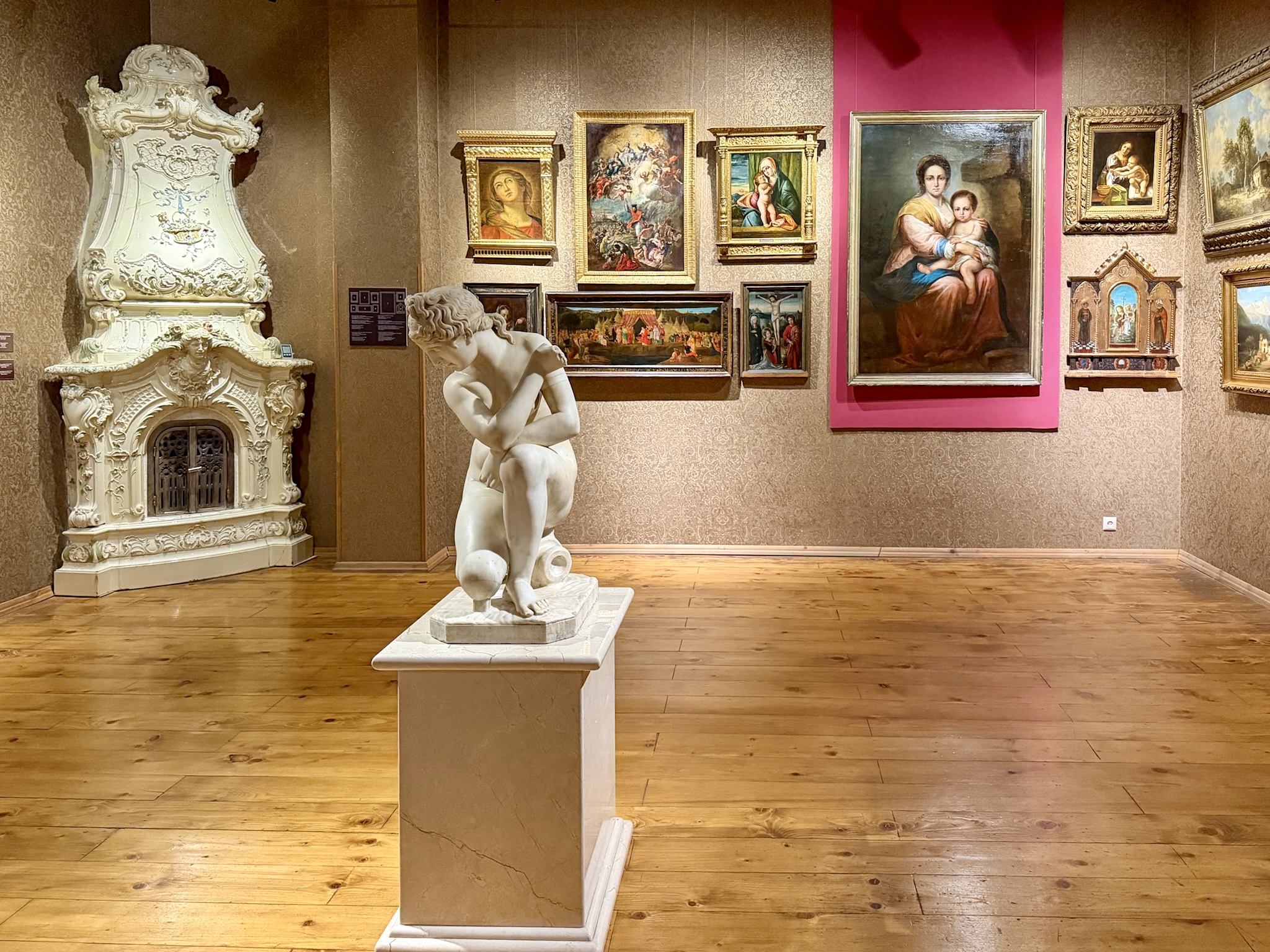
Tbilisi has more museums than most visitors have days in the city. I’ve been in and out of a good chunk of them, and at the end these are the five museums in Tbilisi I loved the most: the National Museum, the Art Palace, the Wine Museum, the Underground Printing House, and lastly the Open Air Museum of Ethnography.
Some of these you can knock out at the same time in an afternoon. One needs a half day and decent weather. I’ve ranked them below, starting with the one I’d send you to first.
A Quick Summary of the Best Museums in Tbilisi
For those in a rush, here’s my summarized list:
1. Georgian National Museum: Georgia’s history from archeology findings up to the Soviet Occupation Hall. Absolutely a must-visit. Open Tuesday to Sunday, closed Monday. 40 GEL.
2. Art Palace: A 19th-century Gothic mansion with incredible Georgian paintings, objects, royal costumes and a secret 'love room' upstairs. Aesthetically, this one was my favorite. Closed Monday. 10 GEL.
3. Wine Museum: A qvevri from the 5th millennium BC and a crash course in 8,000 years of Georgian wine. Open daily. 20 GEL, includes a glass of wine.
4. Underground Printing House: The 1893 German press Stalin’s group used to print banned pamphlets underground. Open Monday to Friday, closed weekends. 10 GEL.
5. Open Air Museum of Ethnography: Traditional houses moved in from villages across Georgia. Far out from the city center, and best for families and on a sunny day. 20 GEL per person.
More on each one below!
Top Museums to Visit in Tbilisi, Georgia
1. Georgian National Museum
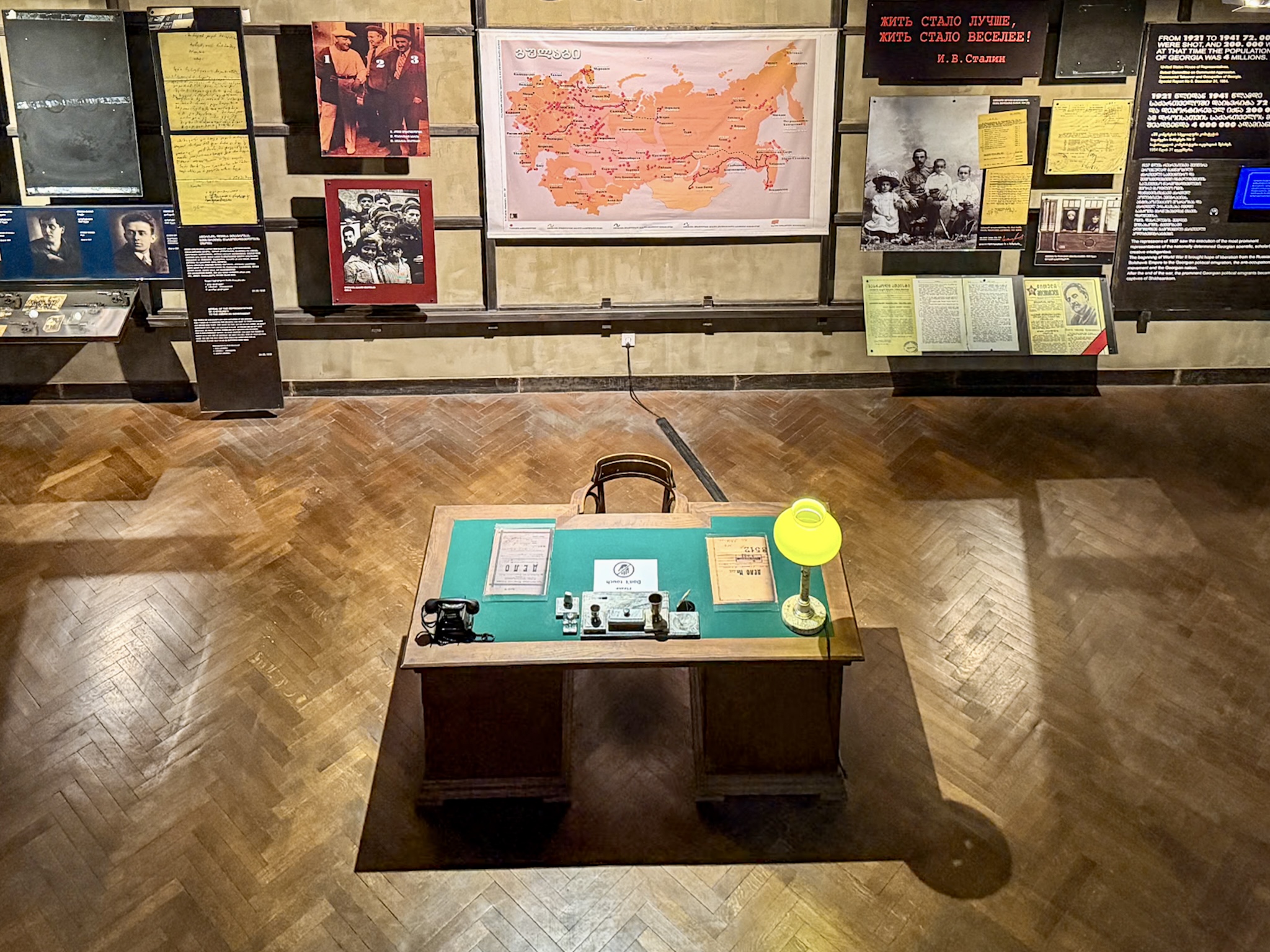
This is Georgia’s flagship museum, the one that covers the country’s history from prehistoric times all the way through the Soviet era, all inside one grand building on Rustaveli Avenue. If you only have room for one museum on your trip, this is the one I’d send you to first.
The museum is organized so you move roughly in chronological order. It starts with a Stone Age hall near the entrance, where the Dmanisi skulls are the main draw: two skulls found just south of Tbilisi, dated to around 1.8 million years old, among the oldest evidence of humans found anywhere outside Africa. From there it moves through Colchian gold and medieval icons in the basement Treasury, before ending on the top floor with the Soviet Occupation Hall. A wooden train carriage sits there, the same type used to transport people during the 1924 anti-Bolshevik uprising.
Budget around 90 minutes if you’re moving at a normal pace without an audio guide. The museum is open Tuesday to Sunday, closed Monday, and a ticket for foreign visitors runs 40 GEL as of 2026, which covers the whole museum.
-
- I wrote up the full visit room by room in a separate guide of the Georgian National Museum, linked here, if you want more before you go.
2. Art Palace: Georgia’s Most Underrated Museum
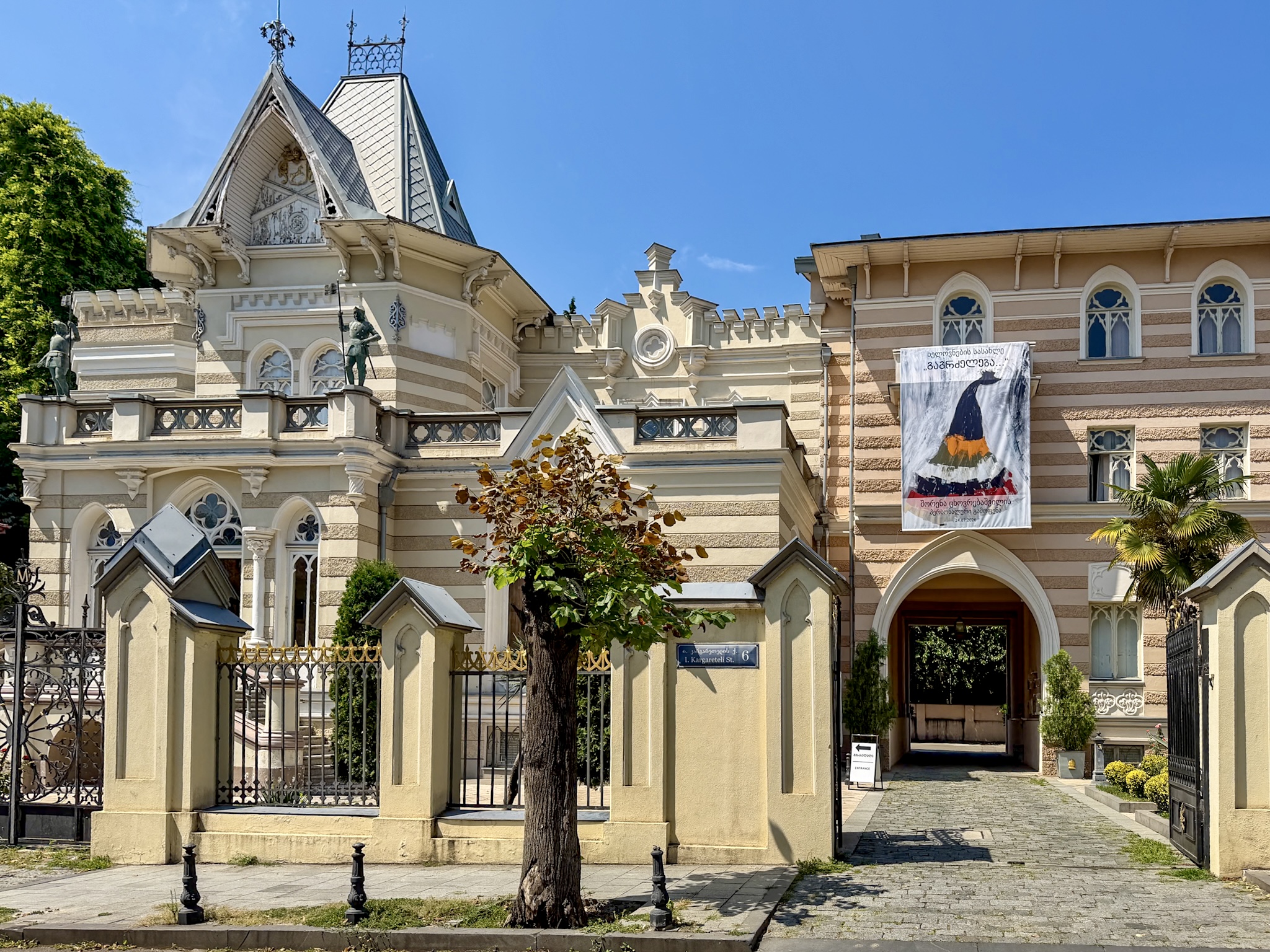
This one is a 19th-century mansion in Chugureti, a five-minute walk from Fabrika. It’s much more than just an art gallery, but rather a museum for Georgian theater, music, cinema, and costume design. It also won Best Museum in Georgia at the 2025 International Travel Awards.
The building is half the reason to go, with the Gothic turrets and pointed arches. Prince Constantine Oldenburg had it built in 1895 for Agraphina Japaridze, a Georgian noblewoman he fell for. Inside, past rooms of incredible paintings, period objects, royal costumes and theater relics, a narrow staircase climbs to what’s known as the secret room, a private attic space Oldenburg built for him and his wife.
Budget at least an hour. The museum is closed Monday, and entry runs 10 GEL as of an August 2026 visit, up from just 2 GEL a few years back.
-
- Full museum breakdown, including its history and things to know befor your visit, is in the dedicated article to the Art Palace linked here.
3. Wine Museum: A Fast Primer on 8,000 Years of Wine
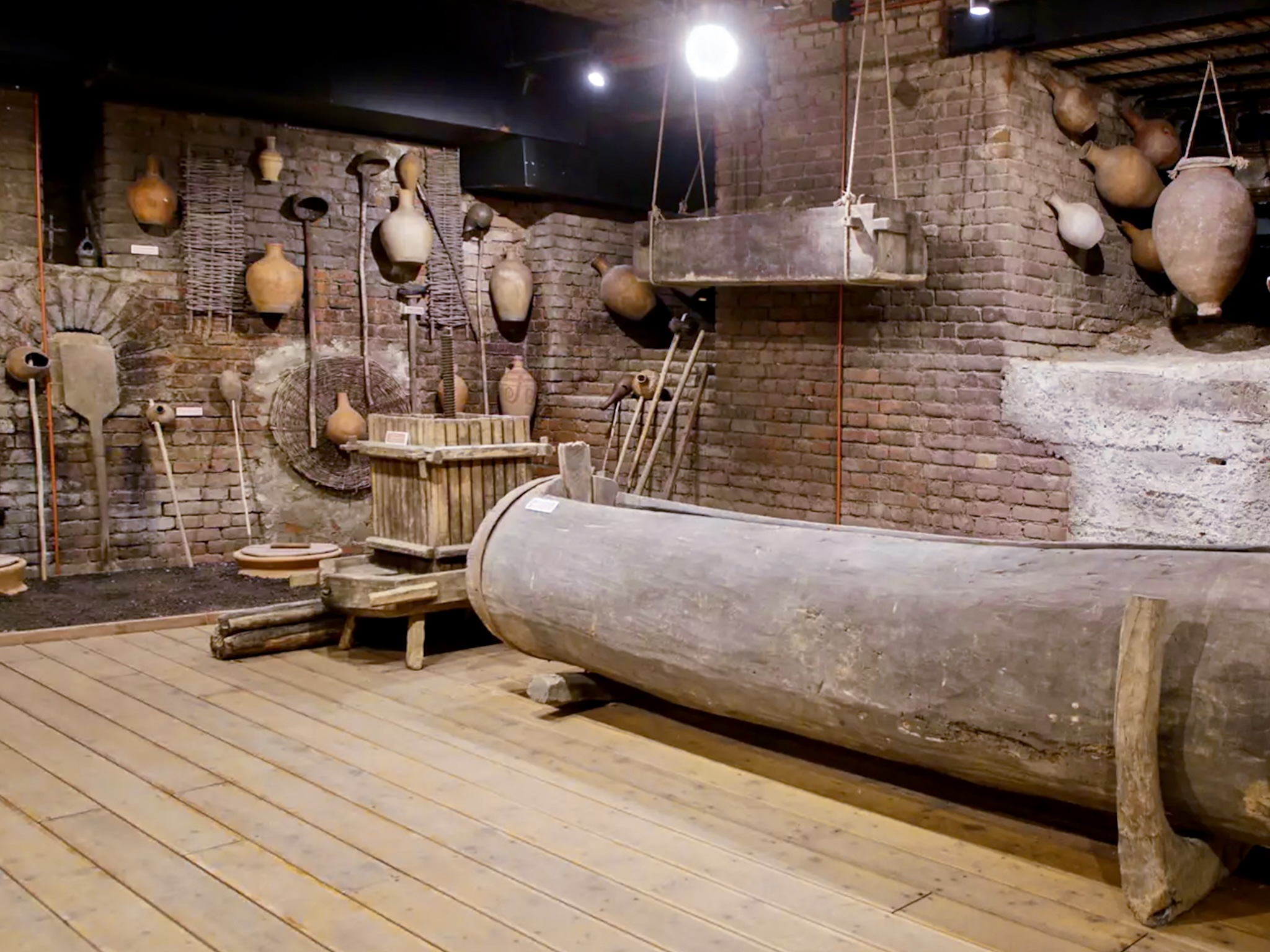
This one sits underground in Old Town, on Sioni Street, in the same building as the Tbilisi History Museum but with its own separate ticket. It covers Georgian winemaking, a tradition that goes back further here than anywhere else on earth.
A guide walked me and other visitors through the whole thing. The centerpiece is a qvevri from the 5th millennium BC, one of the clay vessels Georgians have used to ferment and store wine underground for thousands of years, a method that’s still in use today and looks nothing like how wine gets made in most of Mediterranean Europe. Past that sits a decanter from the 3rd century BC, some old equipment for distilling chacha, and a case of natural wines in colors I hadn’t seen before, deep ambers and cloudy golds instead of the usual reds and whites.
I’ll say it plainly: the visit has a bit of a commercial feel to it, and it’s not going to be the most memorable hour of your trip. But it’s a genuinely useful one if you’re planning to do wine tasting anywhere else in Georgia afterward. You go in with the basics already down, qvevri, chacha, the whole timeline, instead of picking it up on the fly at your first tasting.
The museum is open daily, unlike most others on this list. I paid 20 GEL total, 15 for entry plus 5 for a glass of wine at the end. It’s about a 15-minute walk from the Georgian National Museum if you want to do both in the same morning.
4. Underground Printing House: Stalin’s Secret Press
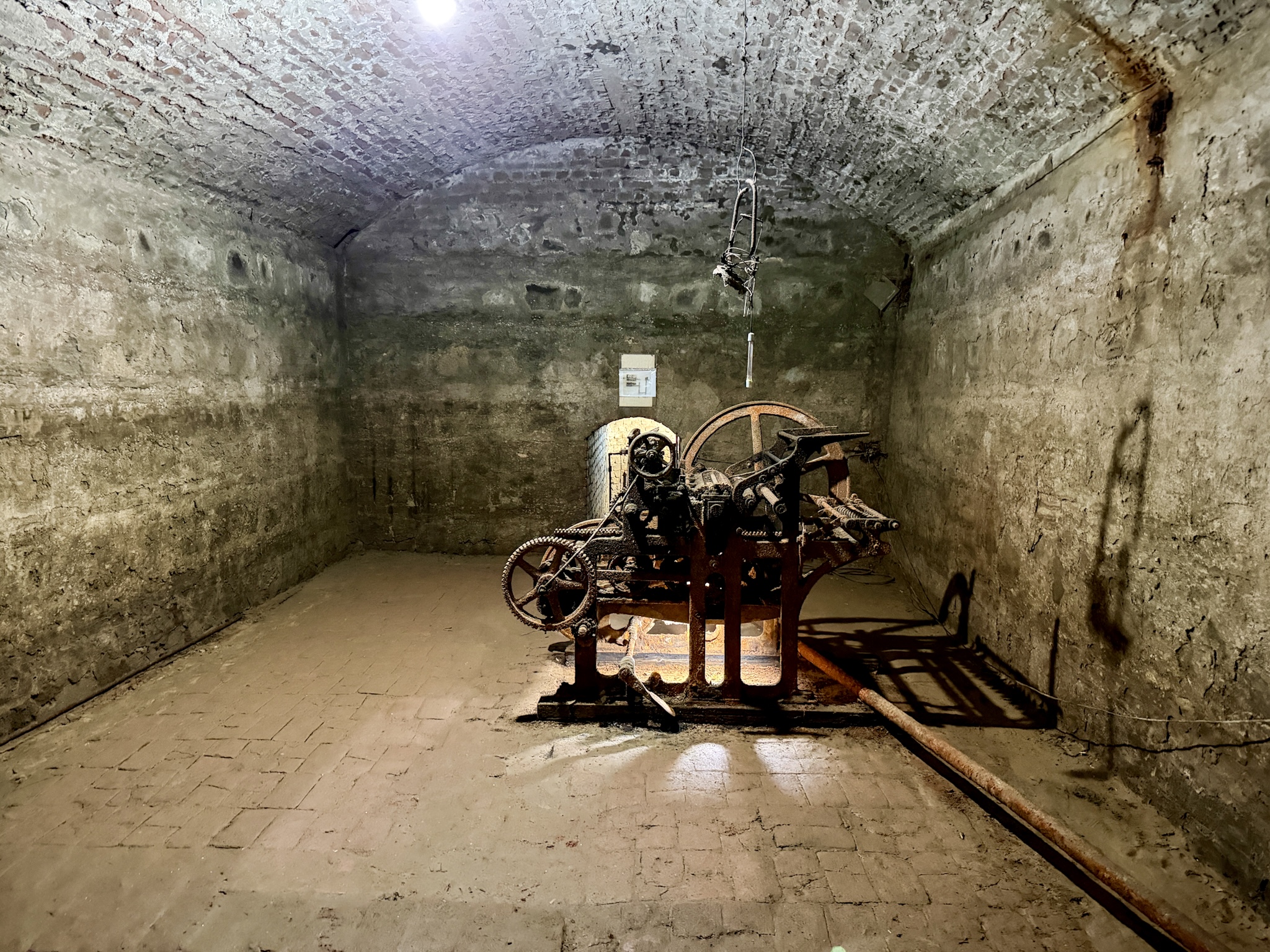
Avlabari, on the east side of the river, is mostly quiet streets and old Soviet apartment blocks. Under one of those houses sits a chamber where a young Stalin’s group printed illegal pamphlets for three years, and the Tsarist police never found it until 1906. That’s what you’re actually walking into here.
The press itself is German-made, built in 1893, smuggled into Tbilisi in pieces and reassembled about 15 meters underground. A narrow spiral staircase takes you down to it now, rusted through in a few spots, and the printing press still sits under a low brick arch with the original manufacturer’s plaque intact. The caretaker who runs the place tells the story with a strange pride, which is worth knowing going in, so you can treat what you hear as just a partial political version.
Budget under an hour. It’s open Monday to Friday, roughly 10am to 6pm, though I wouldn’t treat that as gospel since the hours have shifted. I paid 10 GEL, cash only. Bolt is the best option to get here, and if you’ve got 15 minutes left afterward, the Palace of Rituals is a walk away, one of the more original examples of Brutalist architecture in the city.
-
- I went into a lot more detail, including the full history of the place and what you typically experience during a tour, in a separate article related to the Underground Printing House.
5. Open Air Museum of Ethnography
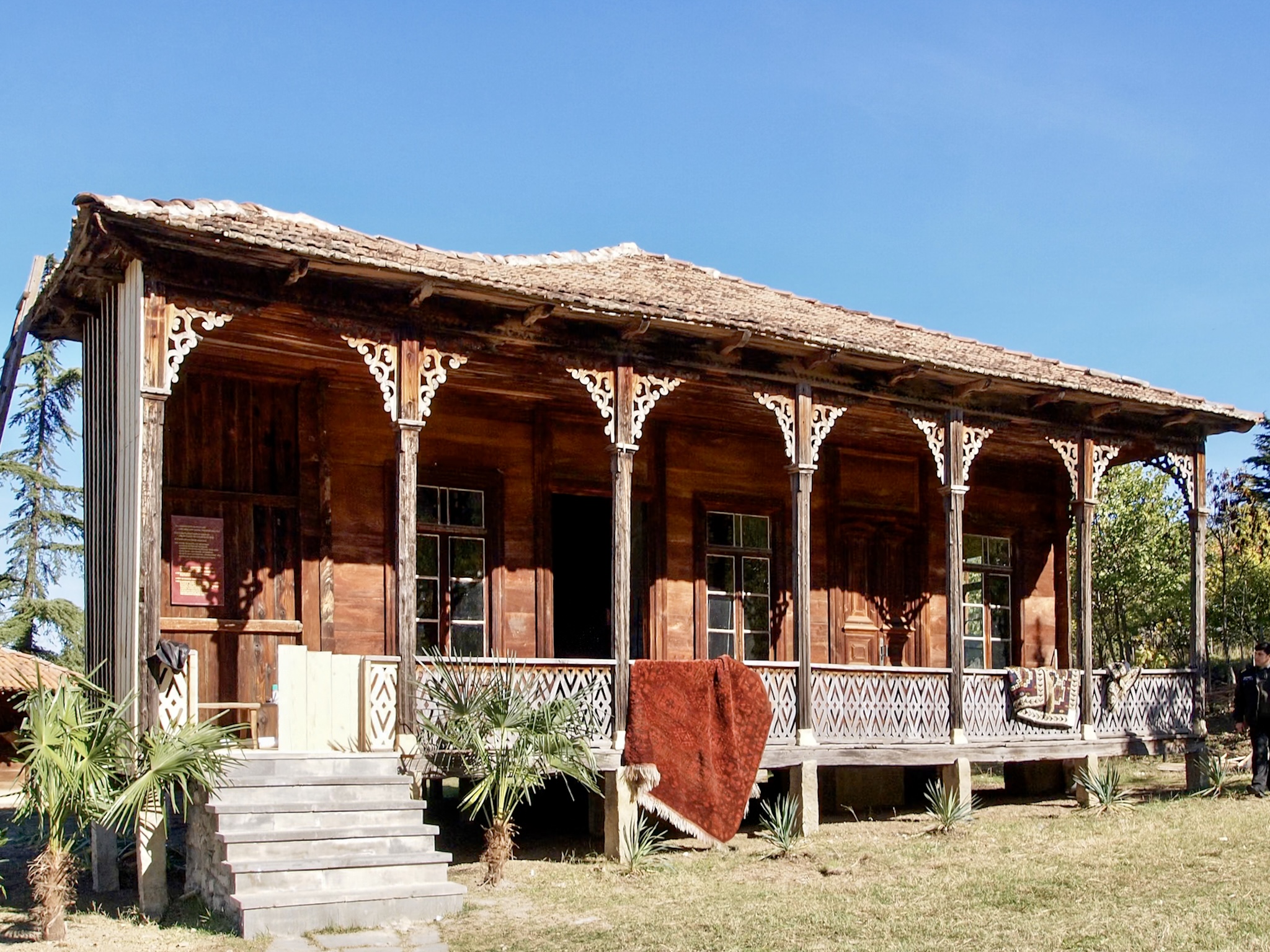
Up in Vake, near Turtle Lake, this one is different from the other four. It’s not a building, it’s a hillside covered in traditional houses moved in from regions all across Georgia and rebuilt on site. You’re walking through something closer to a preserved village than a museum in the usual sense.
Only six of the houses were open for visitors when I went there in August, out of a lot more scattered across the grounds. The ones that were open each had a guide inside, willing to explain the details of daily life in that specific house and region. Signage for foreigners is thin, some of the paths feel a little neglected, and the whole place is better thought of as a park you wander through than a museum with a clear route. Good news if you’ve got kids with energy to burn, less good if you were expecting something dense and tightly curated.
Save this one for a spare sunny day since it’s entirely outdoors, and take a Bolt to get there. Public transport is a hassle and the final stretch doesn’t really have a sidewalk. I paid 20 GEL per person. A guide on site told me the opening hours and days aren’t reliable, so call ahead before you make the trip out.
Tips for Visiting Tbilisi’s Museums
- Most museums in Tbilisi close on Monday, except the Underground Printing House, which does the opposite: open Monday to Friday, closed on weekends. If you’re stacking a few of these into one week, that’s the one to plan around first.
- Bring cash just in case. The Underground Printing House won’t take a card at all, and at the smaller museums on this list, cash just moves things along faster even where cards are technically accepted.
- Three of the five need a Bolt to reach if you’re staying in the city center: Art Palace, the Underground Printing House, and the Open Air Museum. None of them are close enough to each other to walk between. The National Museum and Wine Museum are the exception, 15 minutes apart on foot through Old Town, so that’s your easiest pairing if you’d rather walk than call a car.
- If you’re doing all five, budget around 100 GEL total per person for entry. Treat the Open Air Museum as its own day, weather permitting, and split the other four across two days if you don’t want to rush.
Is It Worth Visiting All 5 of Tbilisi’s Best Museums?
No, or at least not on one short trip, and probably not even if you’re the museum type. If you’ve got a single afternoon in Tbilisi, go to the Georgian National Museum. If you’ve got a full rainy day in Tbilisi, add the Art Palace and the Wine Museum, both close enough to fit around it without much extra planning.
The Underground Printing House is the one I’d add if you’ve got more time and a specific interest for Soviet history and strange places.