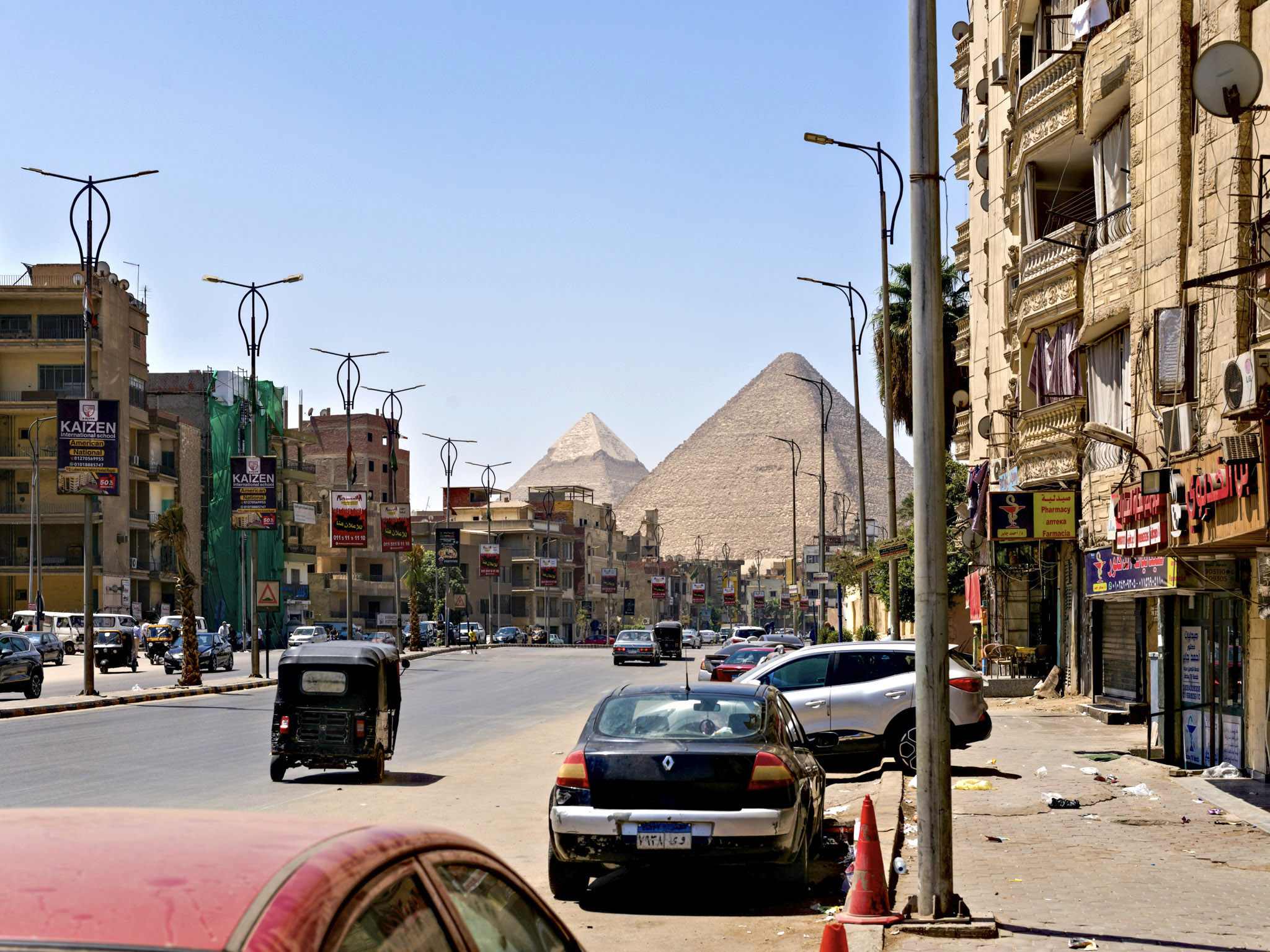
A complete 10-day Egypt itinerary covering Cairo, the pyramids, a Nile cruise and the Red Sea, with realistic travel planning, costs and booking advice.
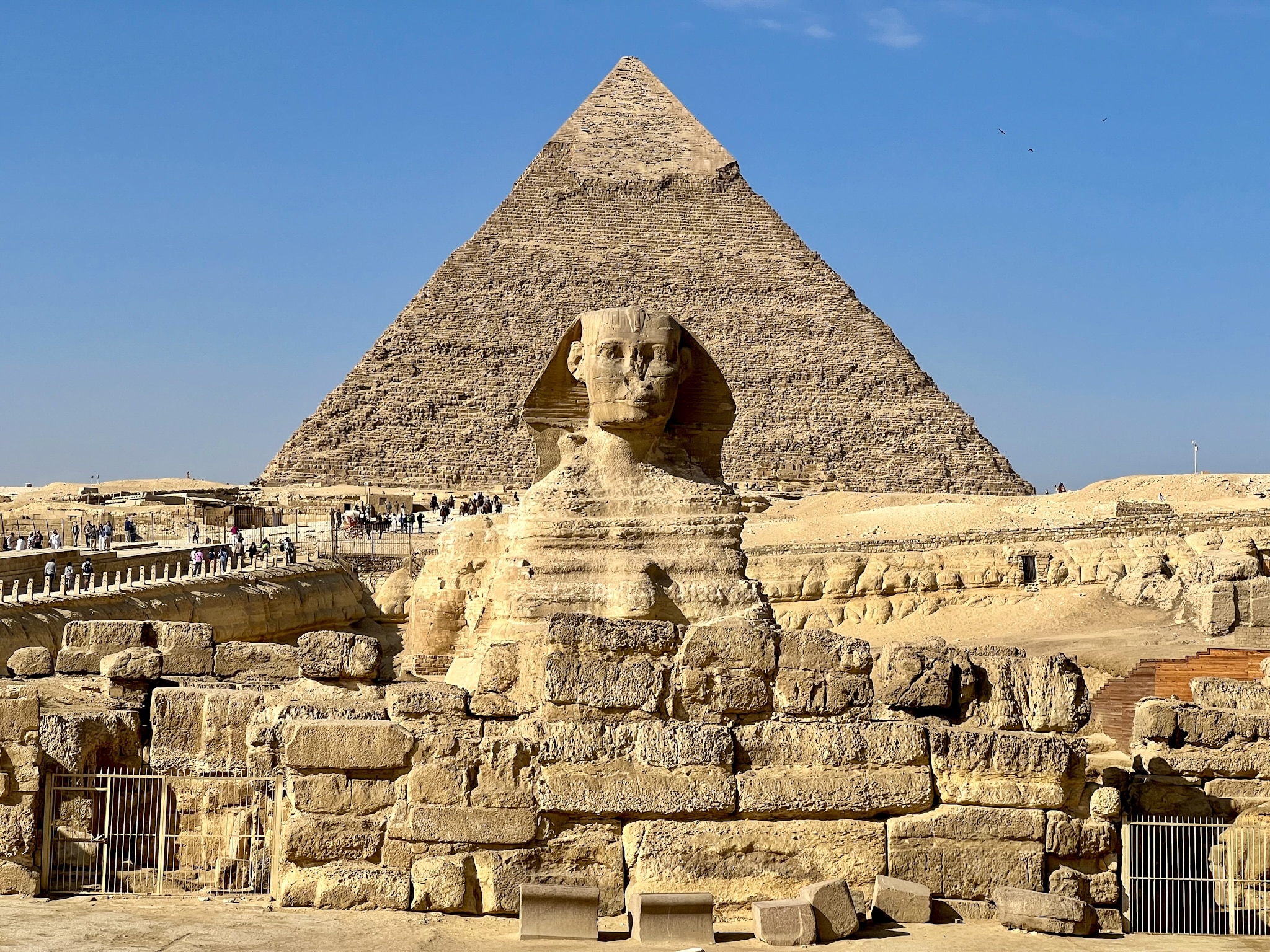
If you only have ten days in Egypt, you have exactly enough time to do this properly. After months of research and a trip built around testing what works, this is the version I would recommend without changing a single stop. It covers the sites you grew up seeing in documentaries, the ones historians obsess over, and the experiences that end up being the highlight once you are there.
The structure is simple on paper: start in Cairo with Giza and Saqqara, spending real time with Egypt’s most important museum collections; then, move south and let the Nile do the heavy lifting, connecting Luxor, Aswan and the temples that make Upper Egypt feel like a completely different world from the capital; finally, finish the trip on the Red Sea, either in Sharm El Sheikh or Hurghada.
This is a blueprint for a first journey that is complete, detailed and surprisingly smooth once you are on the ground.
How Many Days Do You Need for Egypt?
For a first trip, it helps to think of Egypt as three separate travel blocks: 1. Cairo, with Giza and Saqqara, 2. the Nile Valley between Aswan and Luxor, and 3. the Red Sea. Most itinerary decisions come down to how many of these you want to combine without turning the trip into pure logistics.
- Cairo works best with at least two days. One full day usually goes to Giza, Saqqara and Memphis. A second day is ideal for the Grand Egyptian Museum and works well as a buffer before flying south. If you want to go deeper into Cairo, add one extra day for places like the historic Egyptian Museum, Islamic Cairo, major mosques, or Coptic Cairo.
- The Nile cruise is usually the core of a first trip. Cruises run between Aswan and Luxor and typically last three or four nights, with the same main stops in both directions, including Philae, Kom Ombo, Edfu and the temples and tombs around Luxor. Starting in Aswan and ending in Luxor is just easier if you plan to continue to the Red Sea, thanks to short direct flights from Luxor (if you finish your cruise in Aswan, the flight would need a layover in Cairo).
- For the Red Sea, plan at least two full days there. Three is more relaxed and gives you time to enjoy the water properly. The main resort areas are Hurghada and El Gouna on the mainland coast, and Sharm El Sheikh or Dahab in Sinai, each offering slightly different atmospheres but similar access to diving, snorkeling and boat trips.
For travelers combining Cairo, a Nile cruise and the Red Sea, a minimum of ten full days in Egypt are usually enough to experience each area properly.
-
- If you want the bigger picture first, every highlight ranked and explained on its own, here's my guide: 10 Best Places To Visit in Egypt for First-Time Travellers.
10 Days in Egypt: Overview
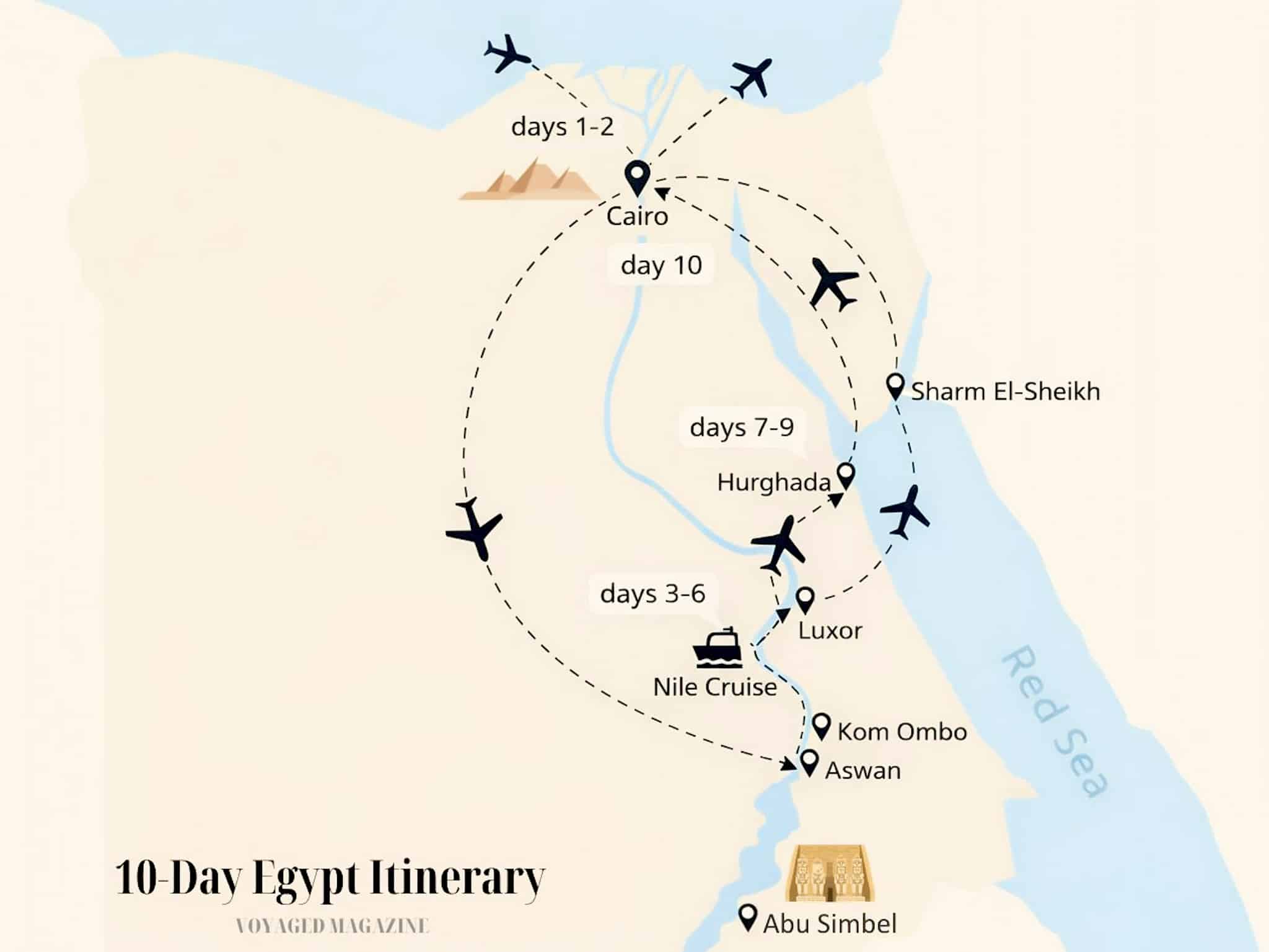
Fly In / Out: Cairo (CAI)
Day 1: Cairo — Giza, Saqqara, Memphis Tour
Day 2: Cairo — Grand Egyptian Museum visit, then Domestic Flight: Cairo → Aswan, followed by one night in Aswan before boarding the cruise
Days 3–6: Nile Cruise from Aswan to Luxor
From Aswan, the trip continues by Nile cruise to Luxor. Cruises are normally booked as full packages through an agency and include the boat, guide, temple visits and all transfers.
Day 7: Domestic Flight: Luxor → Red Sea
After the cruise ends in Luxor, short direct flights make it easy to reach Red Sea destinations. The most common options are Hurghada on the mainland coast, or Sharm El Sheikh and Dahab in Sinai.
Days 7–9: Red Sea stay
Two or three days here gives you time to reset the pace after several early mornings and full temple days.
Day 10: Domestic Flight: Red Sea → Cairo, then international flight home
Note: This itinerary includes three domestic flights (Cairo → Aswan, Luxor → Red Sea, Red Sea → Cairo). Each flight is very quick, typically around 1 hour 30 minutes. Travelers who prefer fewer transfers can skip the Red Sea portion and use those days to add more time in Cairo.
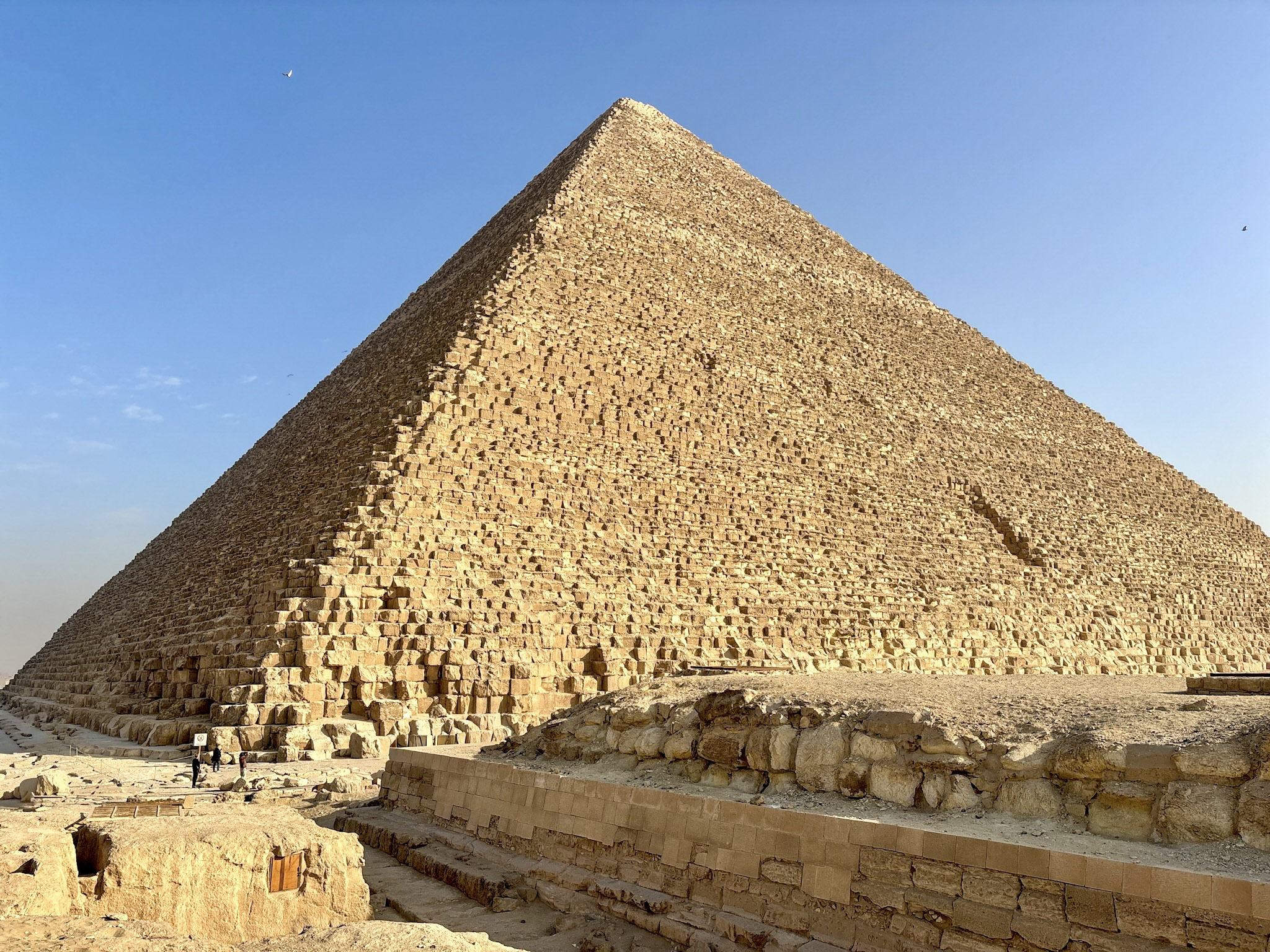
Day 1 — Giza, Saqqara and Memphis
The first day is built around Egypt’s most recognizable sites.
Start early at the Giza Plateau to see the pyramids and the Sphinx before peak crowds and heat. Plan to spend real time walking the plateau and entering at least one pyramid if you are comfortable with tight spaces. One very practical detail many travelers do not know is that the Giza Plateau has recently added an internal bus system that connects the main areas of the site. It is useful for moving between the entrance, the pyramid viewpoints and the Sphinx area without constantly relying on cars or walking long distances in the sun. Lunch works very well at Khufu’s Restaurant, inside the Giza Plateau area, which makes it easy to break the day without leaving the archaeological zone.
A guided tour is always suggested, and it’s especially useful once you leave Giza. At Saqqara and Memphis, most structures are less self-explanatory than the pyramids, and having someone explain what you are seeing changes the experience significantly.
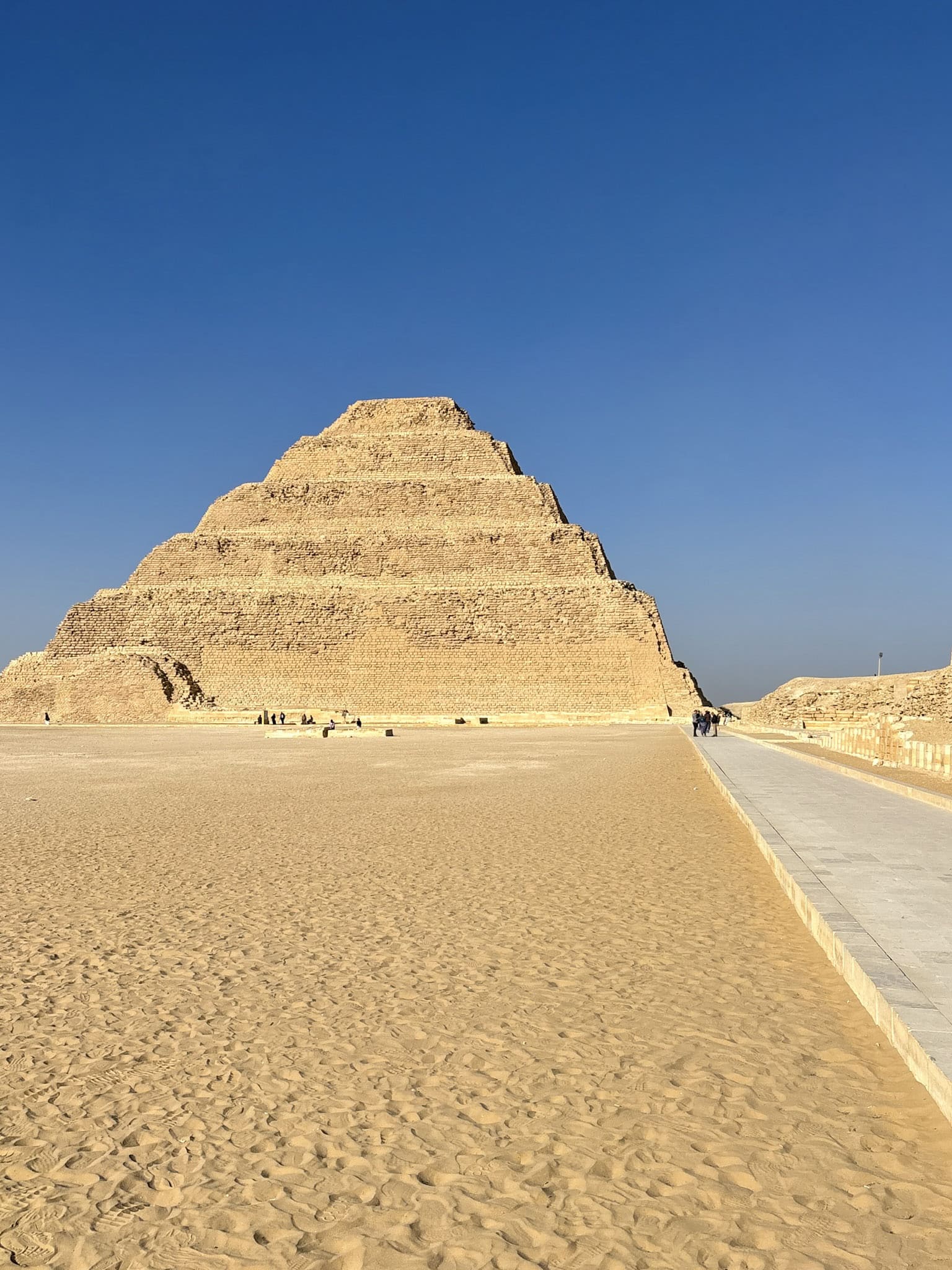
In Saqqara, the Step Pyramid complex is the main highlight. Just around the corner, the Serapeum is one of the most unique sites in Egypt. The underground galleries and massive granite sarcophagi make it completely different from anything at Giza.
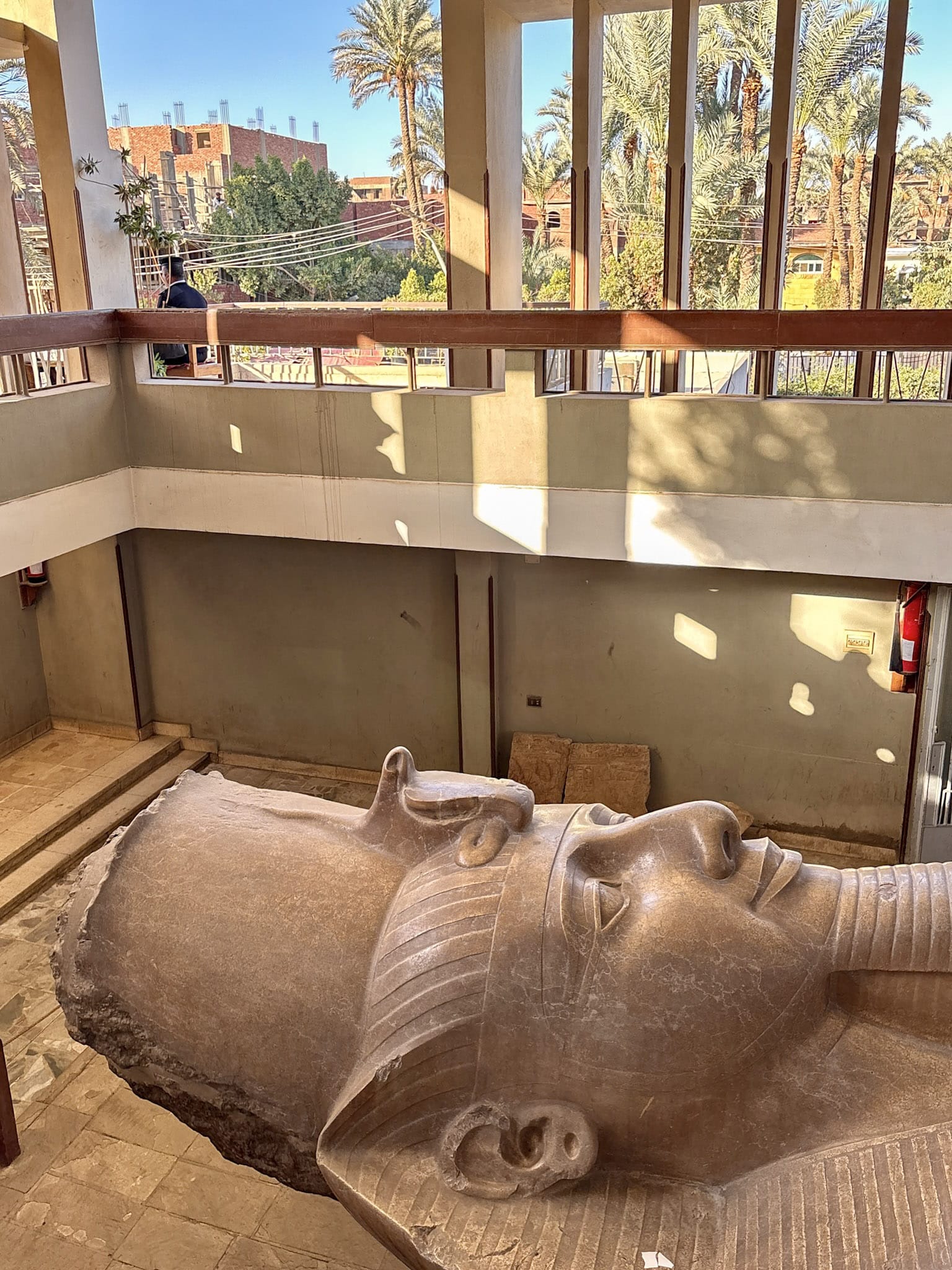
Finish the day in Memphis with the Colossus of Ramses II and the open-air archaeological area. Memphis is usually a shorter stop, but it helps complete the historical timeline before returning to Cairo for the night.
-
- The Serapeum is the one part of Saqqara most visitors miss entirely, and it's worth asking for: Inside The Serapeum of Saqqara: Photos, Theories, Visit.
Day 2 — Grand Egyptian Museum and Flight to Aswan
The second day shifts from outdoor archaeological sites to Egypt’s museum collections, with a schedule that also works well as a buffer before flying south.
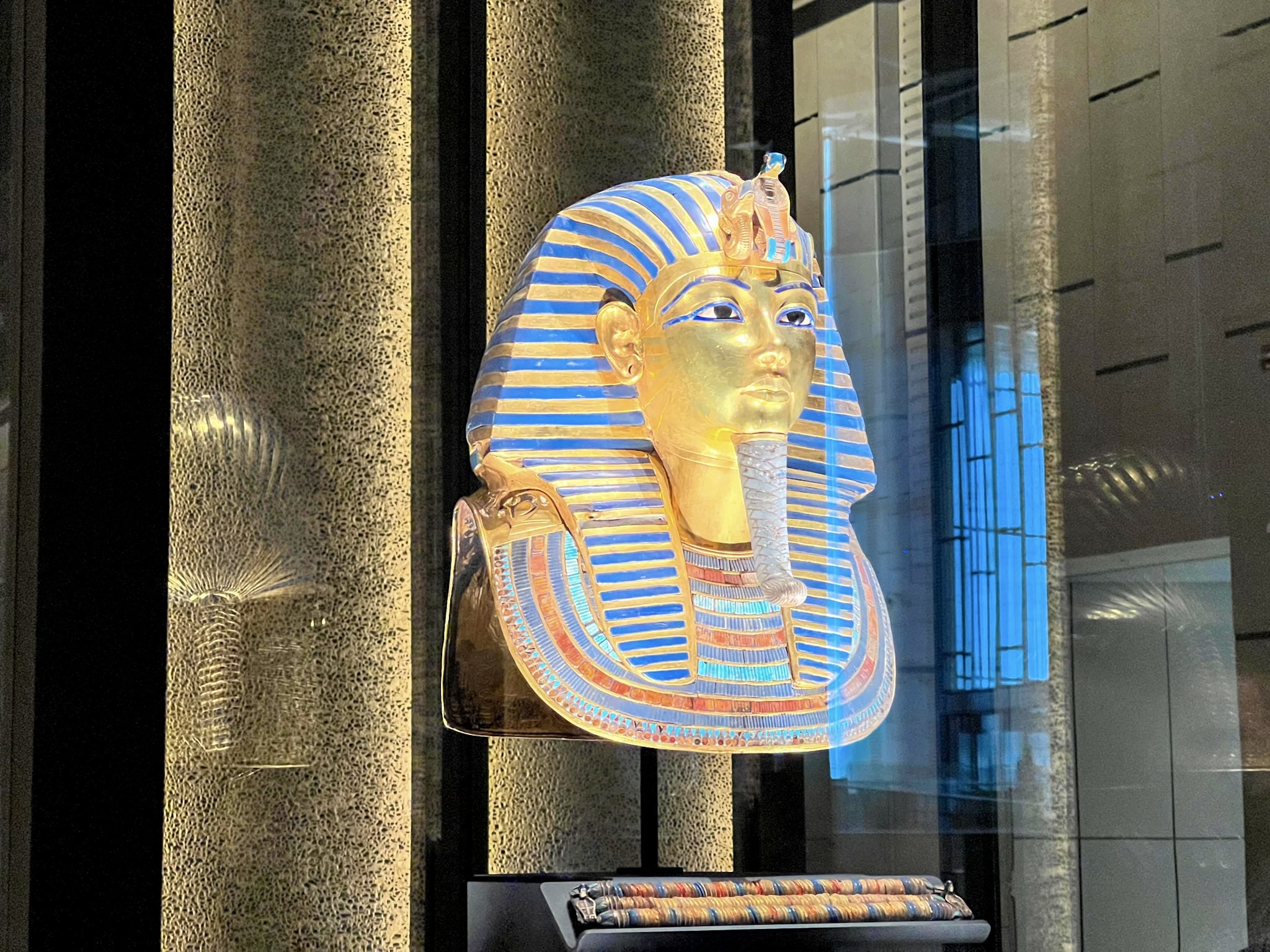
Start at the Grand Egyptian Museum (GEM) and plan to spend at least 3 hours inside (you can read about the best GEM visit strategy here). The scale of the building is massive, the architecture spectacular and the layout is designed for slow exploration. Even without seeing everything, this is one of the easiest places to understand the broader timeline of ancient Egyptian history. Having lunch inside the museum complex works well logistically and avoids losing time moving back into city traffic before the flight.
In the afternoon or evening, take a domestic flight from Cairo to Aswan. Keeping this flight later in the day adds flexibility in case the morning runs longer than expected and makes the transition south much less rushed.
Spend the night in Aswan before starting the cruise the following day. This overnight stay acts as a buffer between Cairo travel and cruise boarding and usually makes the start of the Nile portion of the trip much smoother.
Day 3 — Aswan and Start of the Nile Cruise
After the overnight stay in Aswan, this is the day when the Nile portion of the trip actually begins.
Most Nile cruises start with late morning boarding. After check-in and lunch on board, visits begin with Philae Temple, dedicated to the goddess Isis. The temple is located on an island and reached by small boat, which already makes it feel different from most mainland sites and is a very good introduction to Upper Egypt temples.
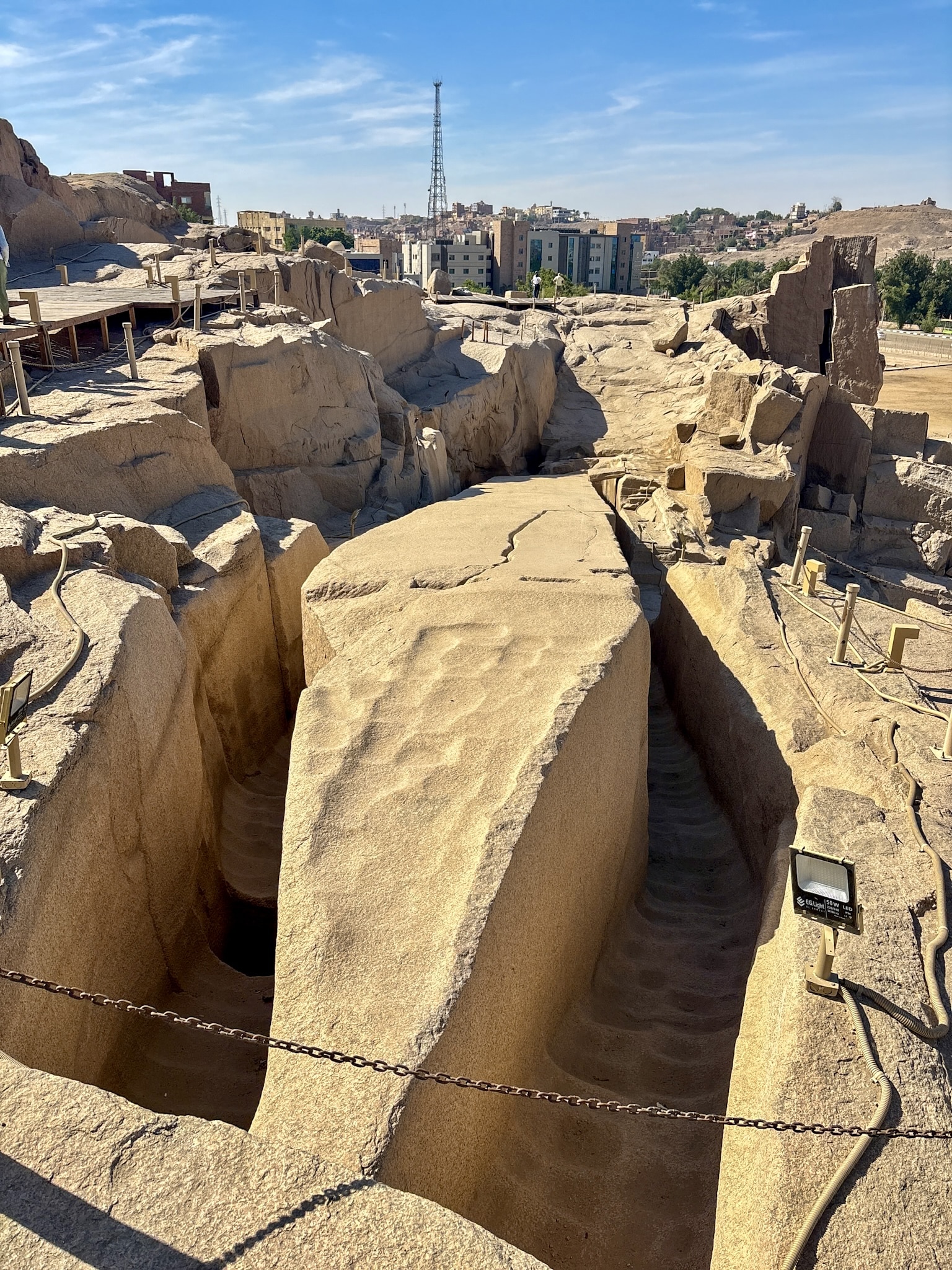
The next stop is the Unfinished Obelisk, which is one of the clearest places to understand how ancient Egyptians actually worked granite. It is less about visual impact and more about understanding technique and scale.
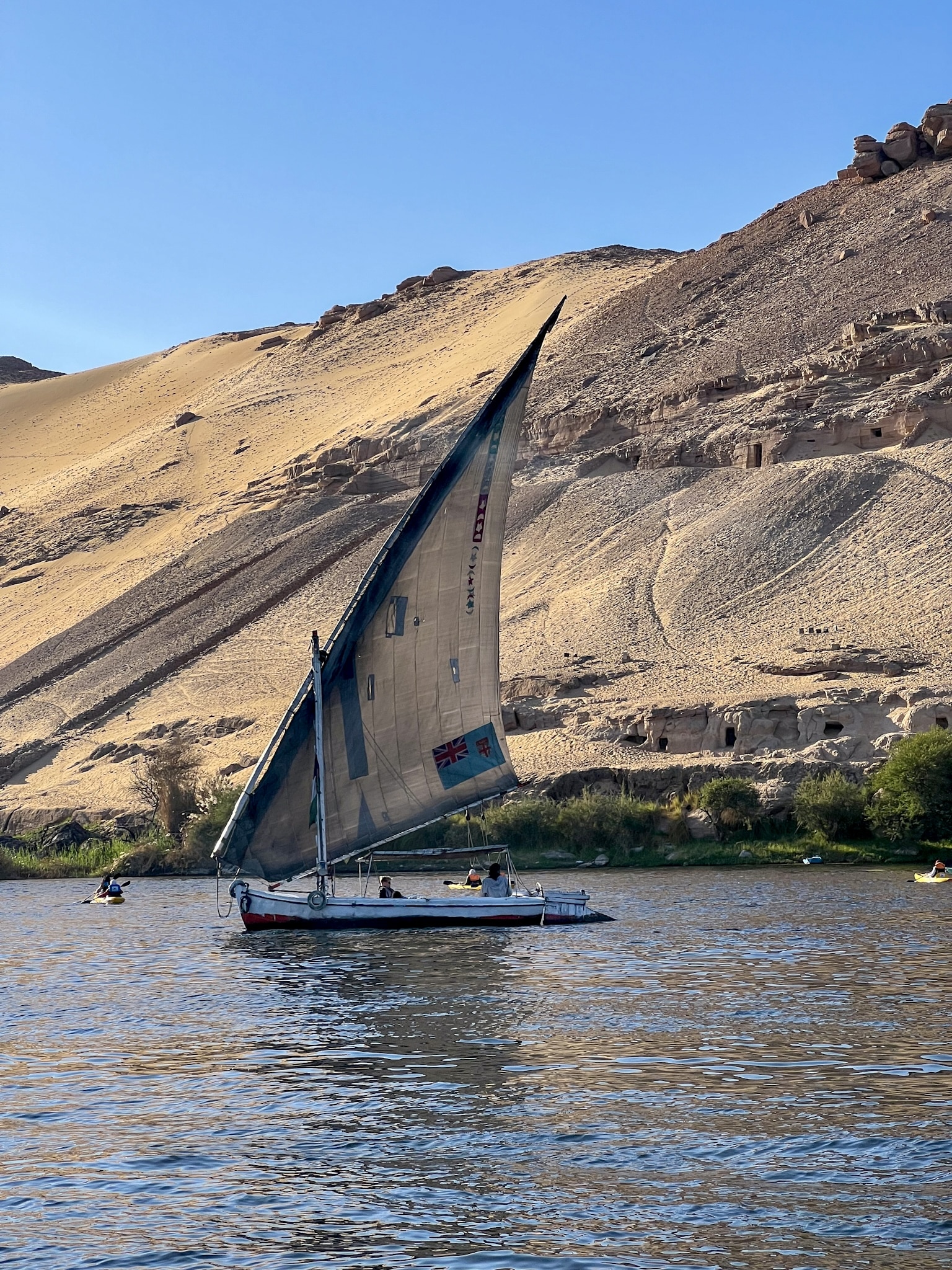
Later in the afternoon, cruises include a felucca ride around Elephantine Island, which is one of the calmest moments of the entire trip and a good transition from travel days into cruise rhythm. Dinner and overnight are on board.
-
- If a Nile cruise is part of your plan, here's what four days on board are actually like: What It's Really Like to Spend 4 Days on a Nile Cruise – Review.

Day 4 — Abu Simbel and Kom Ombo
This is for many one of the most memorable days.
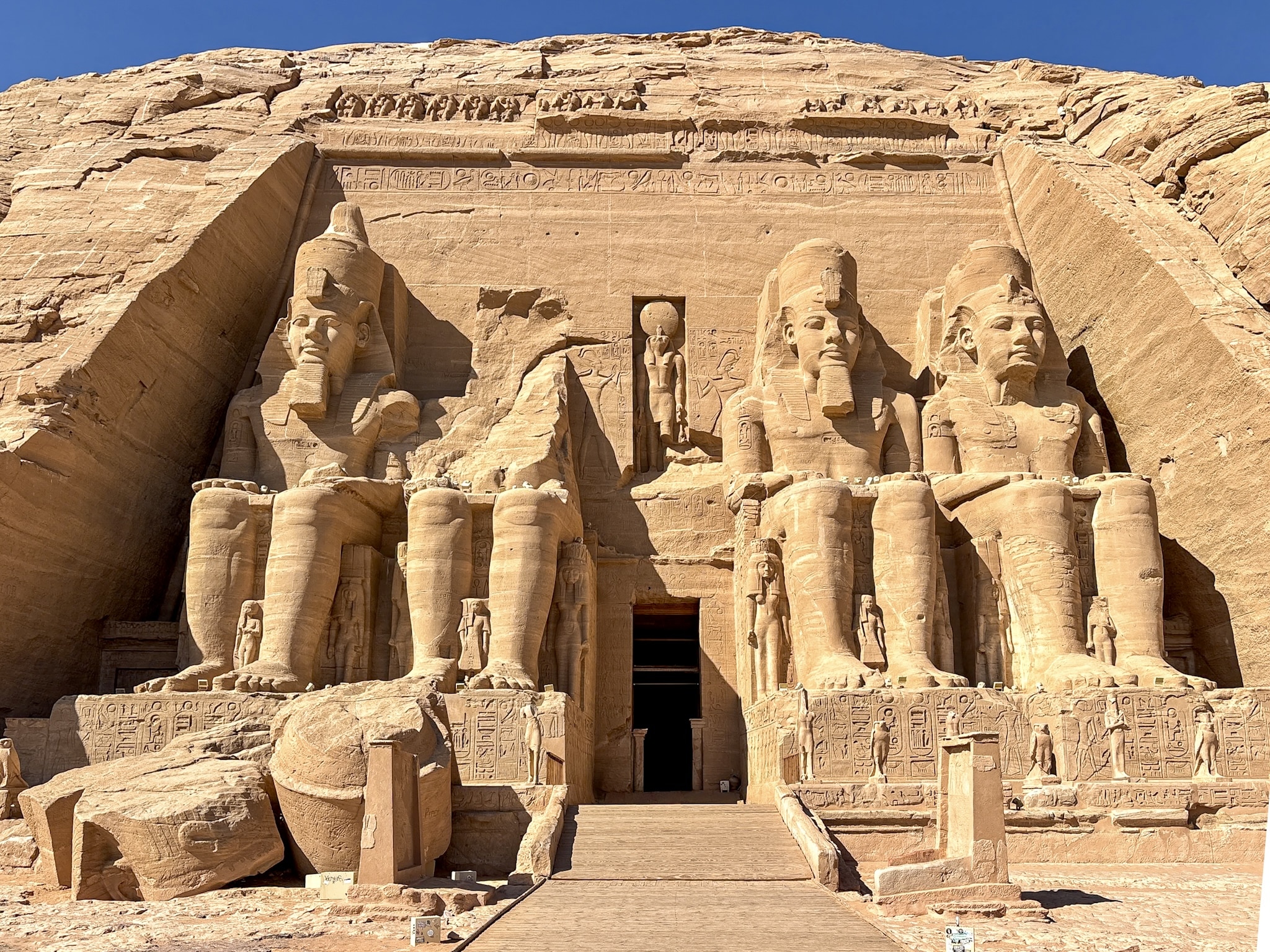
Cruises organize an early departure from Aswan for the 3-hour drive to Abu Simbel, one of the most impressive sites in Egypt, both for its scale and for the story of how the temples were relocated to save them from the rising waters of Lake Nasser. After visiting the main temple of Ramses II and the smaller temple dedicated to Nefertari, you return to the ship around midday. Lunch is then served on board while the cruise sails north toward Kom Ombo.
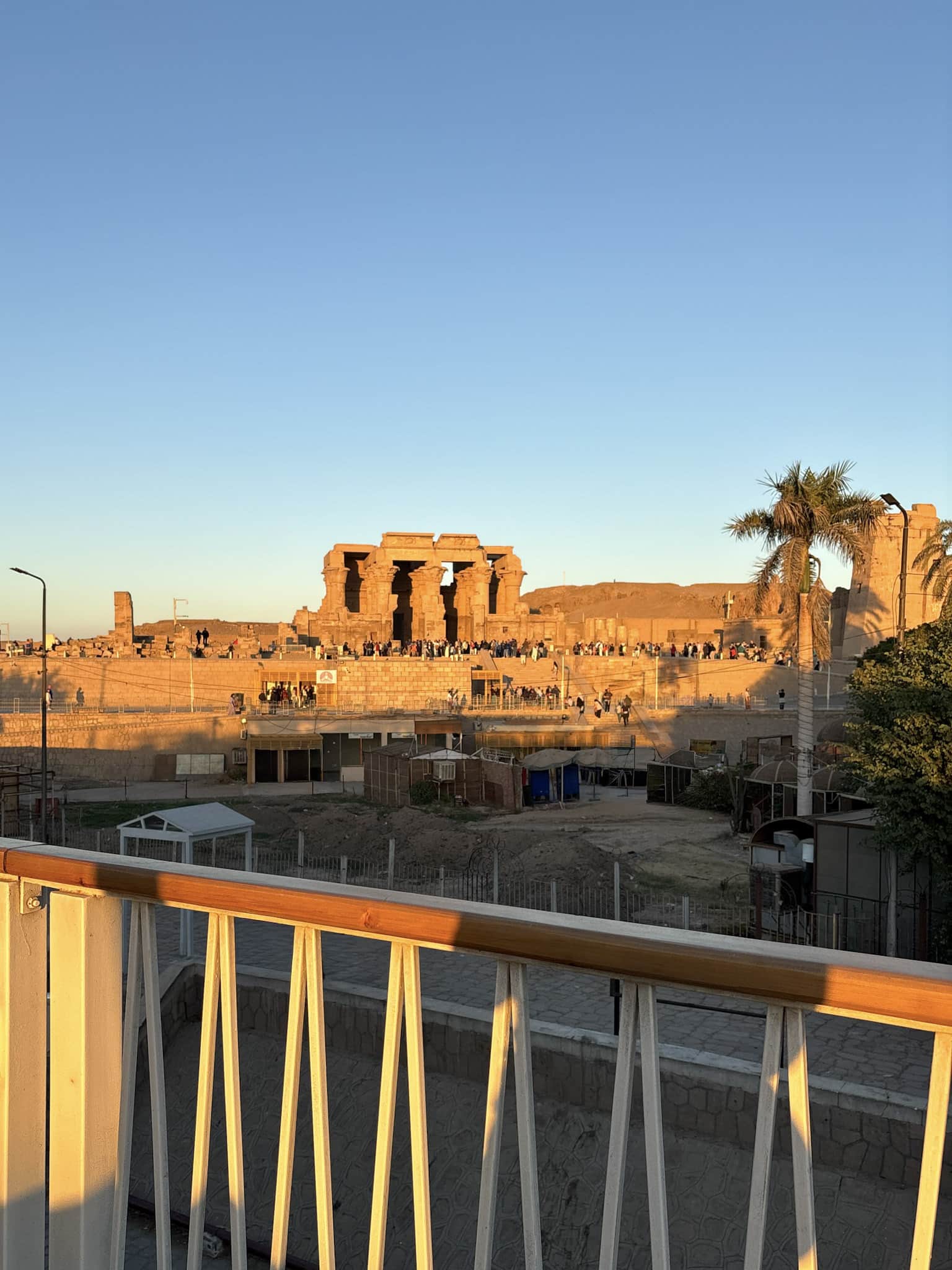
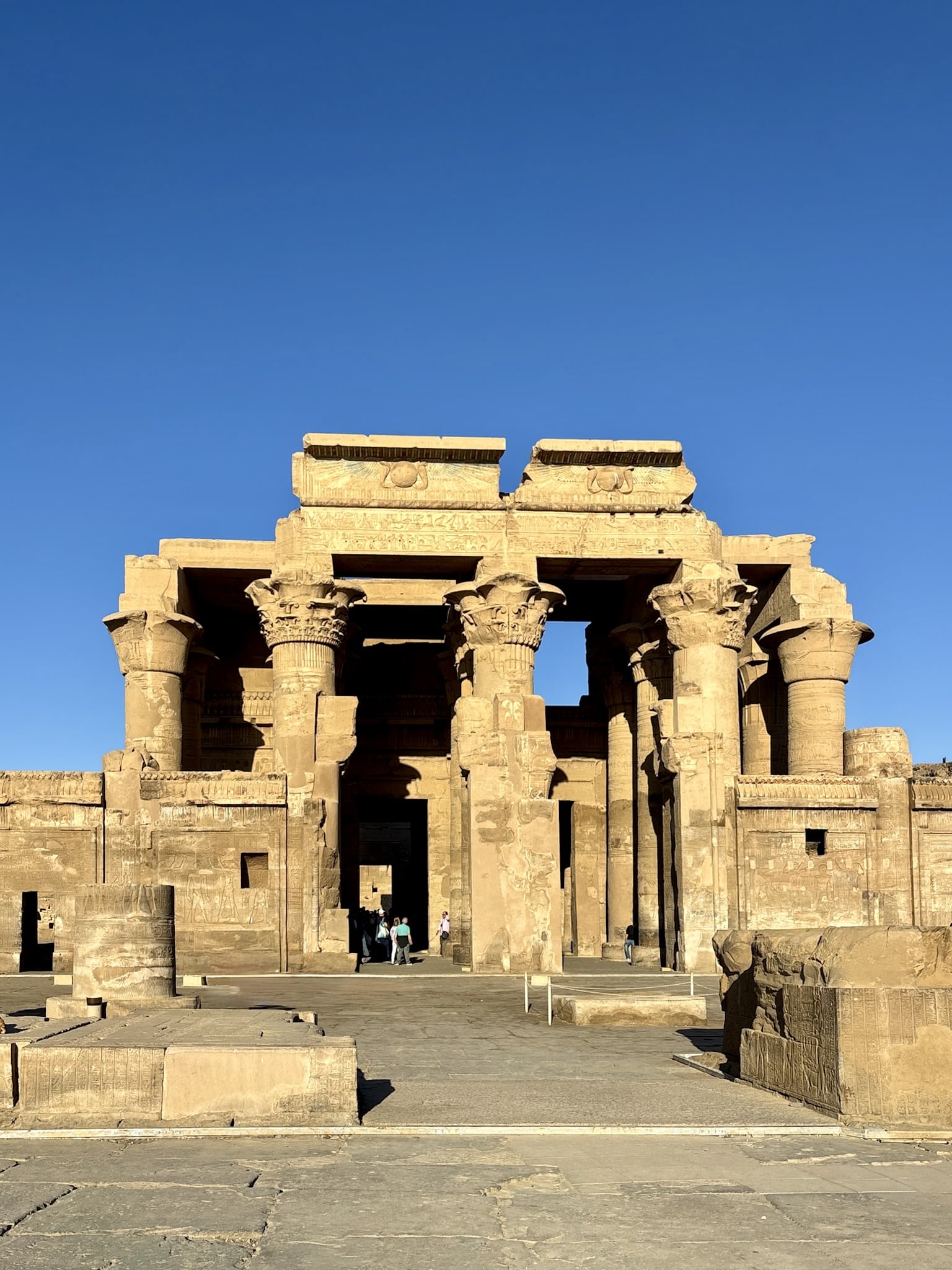
In the afternoon, the ships stop at Kom Ombo Temple, uniquely dedicated to two gods, Sobek and Horus. The temple sits directly on the riverbank, and the late afternoon light often makes this one of the most atmospheric temple visits of the cruise. Dinner is served on board while the ship continues sailing toward Edfu.
Day 5 — Edfu and Arrival in Luxor
The day starts with a visit to Edfu Temple, one of the best-preserved temples in Egypt and one of the easiest places to understand how these complexes originally looked when they were fully intact. After the visit, the cruise continues sailing north toward Luxor. This part of the navigation is the most scenic stretches of the Nile, with long views of riverbanks, villages and agricultural land that help put ancient sites into a real landscape context.
Once in Luxor, you’ll have a guided visit to Luxor Temple, scheduled for late afternoon or evening, when the light changes and the atmosphere inside the temple complex is completely different from daytime visits.

Day 6 — Luxor West Bank, Karnak and End of the Cruise
The final cruise day focuses on the West Bank of Luxor, where many of the most important tombs and funerary temples of ancient Egypt are located.
The main stop is the Valley of the Kings, where most itineraries include entry to three tombs, with the option to add specific tombs like Tutankhamun or Seti I depending on availability and ticket rules. This is one of the most detailed site visits of the entire trip, and planning which tombs to prioritize can make a big difference. You can find a full guide to the Valley of the Kings tomb visit here.
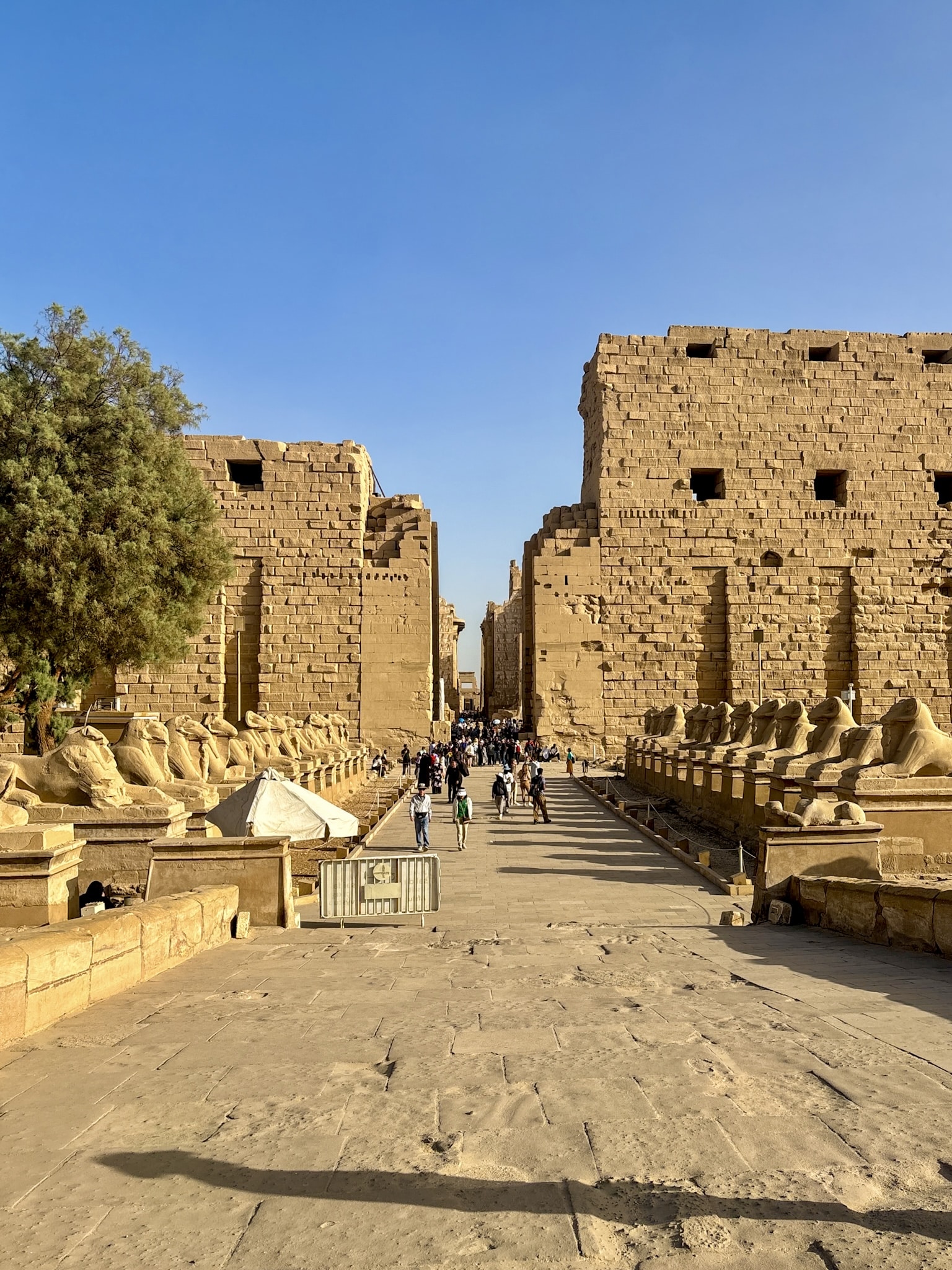
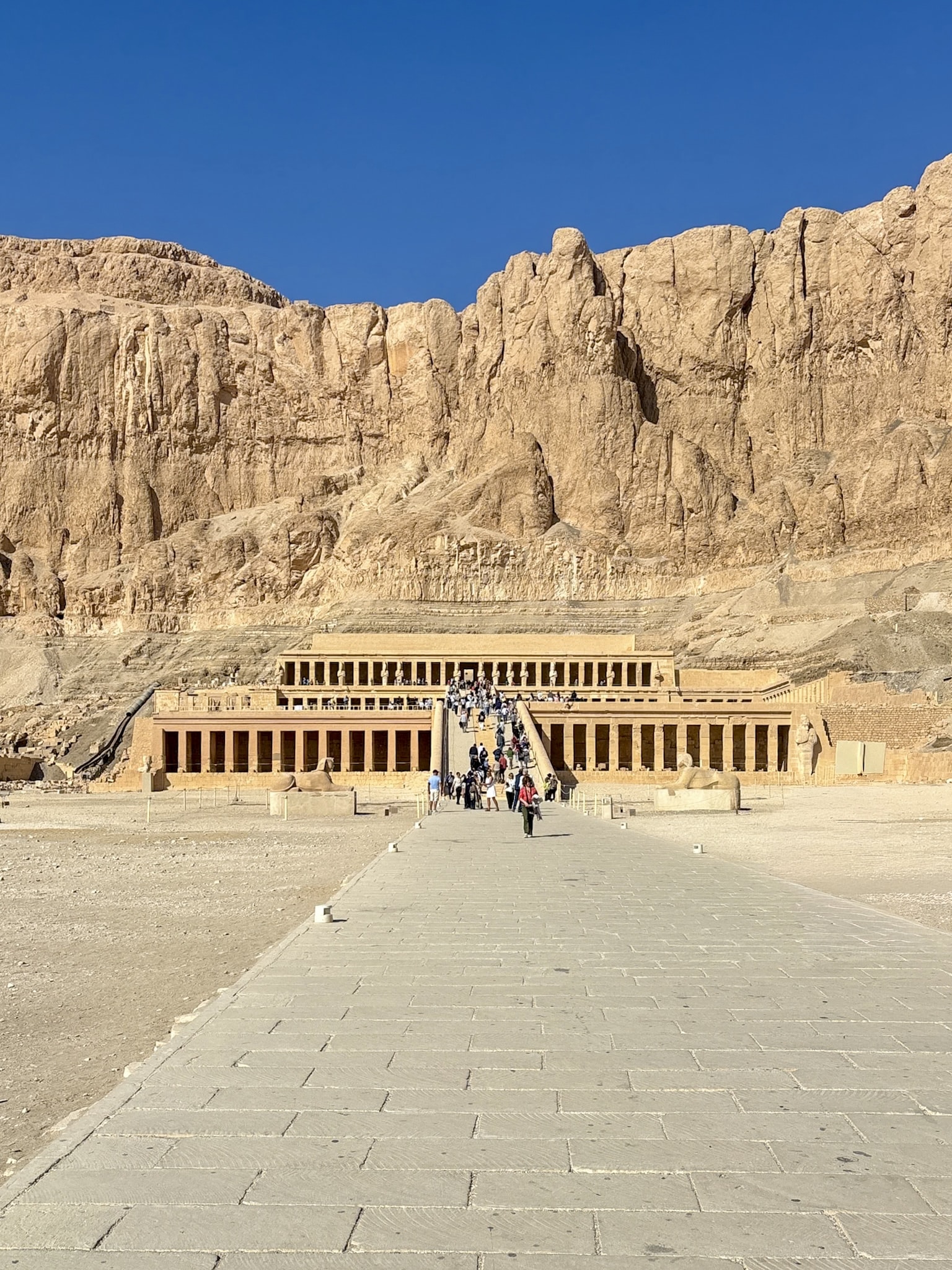
From there, the day continues to the Temple of Hatshepsut, set directly against the desert cliffs, followed by a stop at the Colossi of Memnon, which is usually shorter but historically important. The day finishes with a visit to Karnak Temple, the largest temple complex in Egypt and one of the most impressive archaeological sites in the country.
After the visits, you either transfer to a hotel in Luxor or prepare for the flight to the Red Sea the following day, depending on your exact schedule.

Day 7 — Transfer to the Red Sea
This day is mainly about changing pace and location. Most travelers reach the Red Sea with a short, direct domestic flight from Luxor to coastal destinations such as Hurghada or Sharm El Sheikh. These flights are under two hours and are one of the easiest ways to add a completely different environment to the trip without losing an entire day to transfers.
Once you arrive, the rest of the day is usually light. Check into your hotel or resort, get familiar with the area and, if time allows, spend a few hours at the beach or pool.
Days 8–9 — Red Sea
These two days are intentionally left open to balance the pace of the trip after the Nile cruise and Luxor visits.
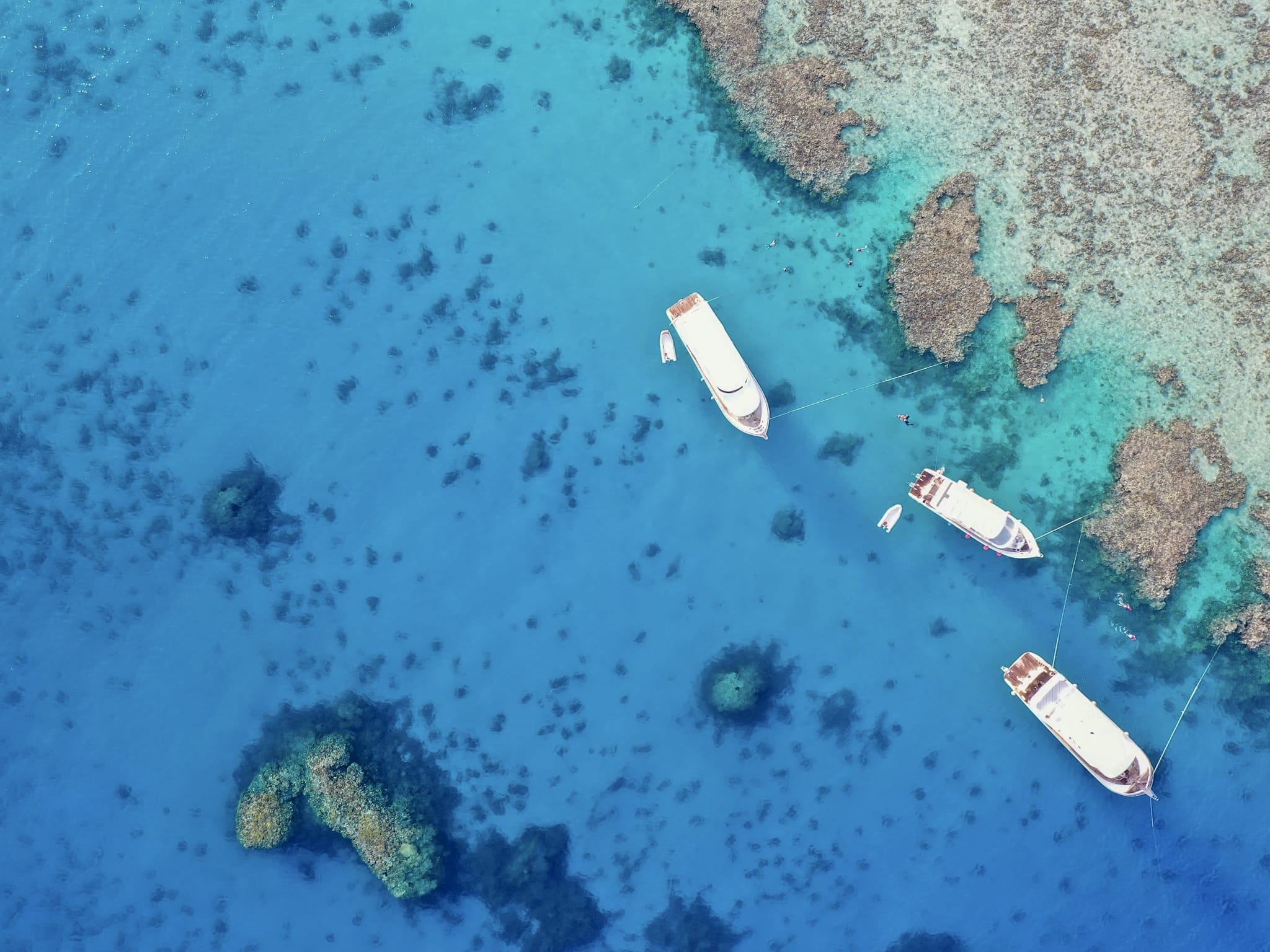
Use this time for snorkeling, diving or boat trips to reefs, which are usually easy to organize directly through hotels or local operators. The Red Sea is known for very clear water and accessible reef systems, so even short trips offshore can be very rewarding. Depending on where you stay, you may also find optional activities.
If you stay in Hurghada, most day trips focus on boat excursions to offshore reefs and islands, such as Giftun Island. If you stay in Sharm El Sheikh, snorkeling and diving often happen directly from shore. Desert trips toward the Sinai mountains are also common, especially sunset or evening excursions.
Day 10 — Return to Cairo and International Departure
The final day is built around returning to Cairo in time for your international flight home.
Most travelers take a morning or early afternoon domestic flight from the Red Sea back to Cairo. These flights are short and frequent, but planning a comfortable connection window with your international departure is important, especially if you are flying long haul.
Cost of a 10 Day Trip to Egypt
The total cost of a 10-day trip to Egypt can obviously vary a lot depending on cruise level, hotel category and season. But, for an itinerary that includes Cairo, a Nile cruise and a Red Sea stay, there is a fairly realistic mid-to-high range most travelers fall into once they are in the country.
- The biggest single cost is usually the Nile cruise. For a luxury-level cruise, a realistic total price can be around $2,500 total for the full cruise package (per room, not per person) depending on cabin type and season. This typically includes accommodation on board, meals, guided visits and transfers between sites.
- Hotels in Cairo with Pyramids views in the mid-to-high range typically average around $100 to $150 per room per night, depending on location and season. Red Sea resorts can vary more depending on level and all-inclusive options.
- Private guided tours in Giza, especially when combined with Saqqara and Memphis, are often around $100 per person for a full-day private tour. Excursions like Abu Simbel, when booked as an extra through the cruise, are usually around $120 per person depending on group size and transport.
- Domestic flights inside Egypt usually range between $100 and $200 per person per route, if not already included in a package.
- On top of structured costs, most travelers should budget for tips, extra meals and small daily expenses. A realistic range is usually $150 total per person for tips and roughly $120 to $200 per person for additional meals and small purchases across the trip.
For a trip structured like this, a realistic on-the-ground total usually lands around $2,500 to $3,000 total per person (excluding international flights). This range refers to high level hotels, cruise categories and private or semi-private tours.
It is possible to spend significantly less by choosing lower-tier hotels, standard cruises or large group tours, and the lower-cost version of this trip exists at around $1,800 to $2,200 per person, again international flights excluded. Egypt offers options at many price levels, but quality can vary, so it is usually worth checking recent reviews and operator reputation carefully before booking.
How to Pack for 10 Days in Egypt
Packing for Egypt is mostly about heat, sun exposure and comfort during long site visits. You will move between cities, temples, boats and possibly the Red Sea, so flexibility matters.
- Light, breathable clothing works best for daytime temple visits. Loose shirts, linen pants, light dresses and comfortable (closed) walking shoes with some grip make a huge difference during long days on archaeological sites. Even if you normally travel with minimal gear, Egypt is one of those trips where good footwear is worth prioritizing.
- Sun protection is essential. A hat, sunglasses and high SPF sunscreen are not optional, especially during pyramid visits, West Bank temple days and Abu Simbel, where shade is nonexistent.
- Evenings on the Nile or by the Red Sea are usually more relaxed, so one or two slightly nicer outfits are useful if you plan to have dinner on the cruise deck or at a resort restaurant.
- A light layer is also useful for air-conditioned spaces like museums, airport transfers and cruise interiors, which can sometimes feel surprisingly cool compared to outdoor temperatures.
- A power bank, a refillable water bottle and small cash in local currency for tips and small purchases are all things you will likely use every day.
- For the Red Sea portion, a swimsuit, flip flops and reef-safe sunscreen are usually enough. Most resorts and dive centers provide or rent additional gear if needed.