Your essential guide to visiting Brera in Milan, the city's official art and design district.
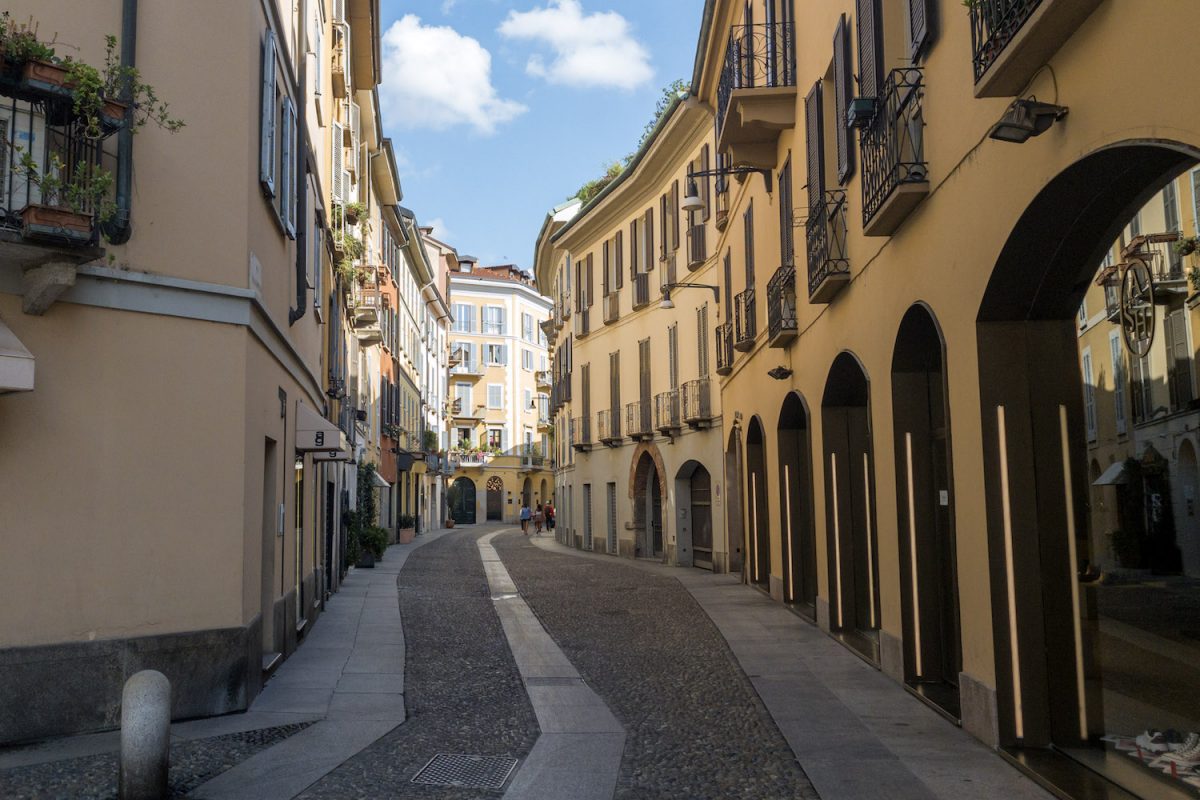
Located right in the heart of the Italian fashion capital, Brera is known as Milan's art and design district.
Brera's popularity began to rise in 1776 when Empress Maria Theresa of Austria commissioned the construction of the Academy of Fine Arts, nowadays commonly referred to as the Pinacoteca. Since then, the district has served as a vital hub for artists, creative people, students, and intellectuals from all over Europe. Today, the creative nature of Brera can still be appreciated in antique stores, art galleries, and boutiques. On summer nights, the cobbled streets are populated with fortune-tellers and palm readers. During Design Week, the district becomes a bustling stage where designers and companies showcase new ideas to shape our culture and aesthetics.
Brera is unquestionably a must-see for anyone visiting Milan for the first time. To help you get the most out of your stay in the district, below is an essential guide to visiting Brera, Milan.
How to Get to Brera
Brera can be reached in a 15-minute walk from the Duomo area, Castello Sforzesco, and Porta Garibaldi. The closest subway stations are Lanza (MM2 Green line), Cairoli (MM1 Red line), and Montenapoleone (MM3 Yellow line).
To get around Brera, there's no better option than walking. The district is relatively small and flat, and most streets are either fully or semi-pedestrian.
Best Things To See in Brera
1. Pinacoteca di Brera
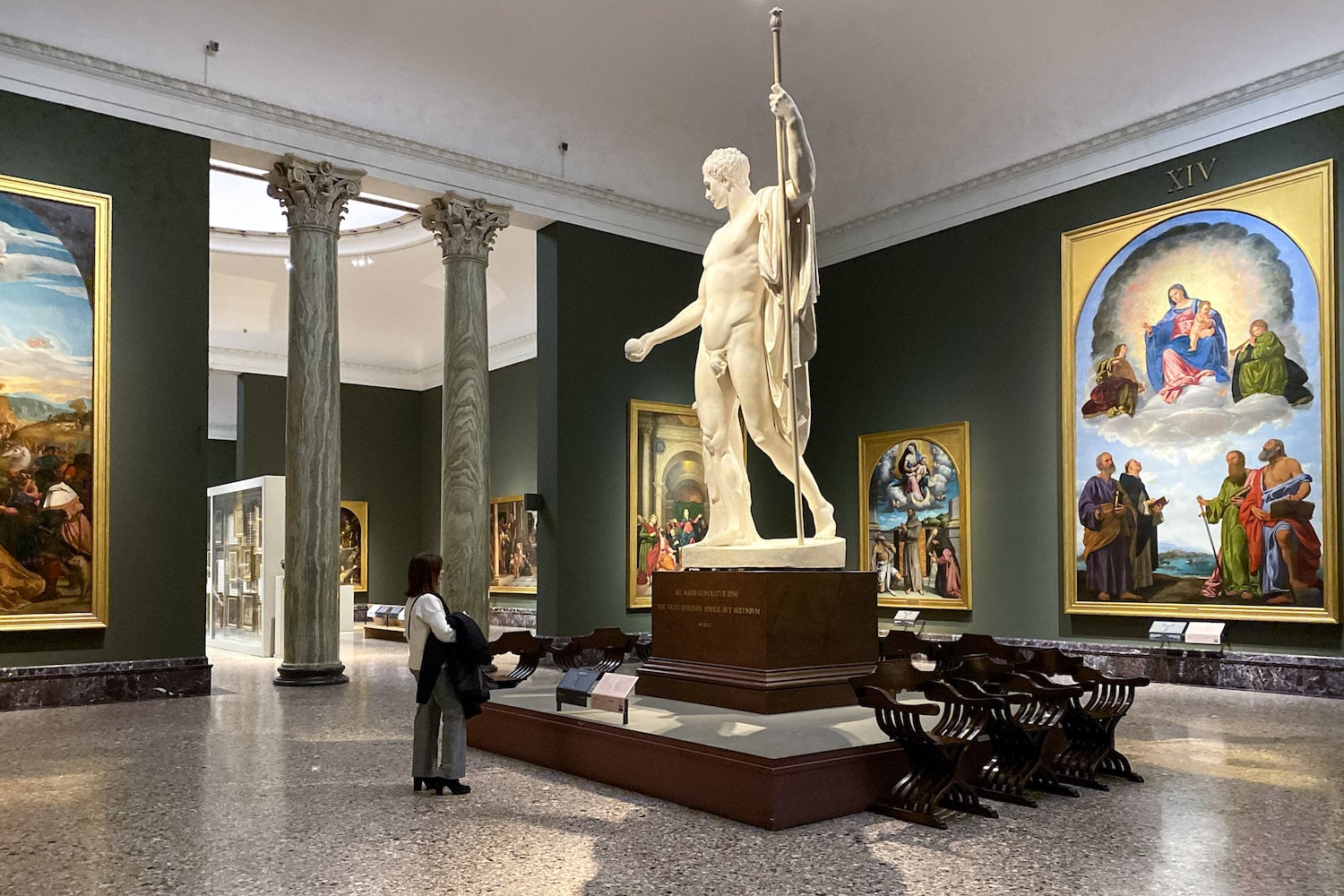
The Pinacoteca di Brera was one of Italy's first public art museums, with an original collection consisting of a few works collected during the Napoleonic period. Today, it is an established gallery that houses one of Europe's most prestigious ancient and modern art collections.
The 40 rooms of the Pinacoteca cover several centuries of art, with masterpieces by Caravaggio, Bramante, Raphael, Piero della Francesca, Rembrandt, and Francesco Hayez displayed in the permanent collection. If you're planning a visit to the Pinacoteca but are unsure where to start, I wrote a guide that will take you through the most celebrated paintings in the gallery.

2. Braidense National Library
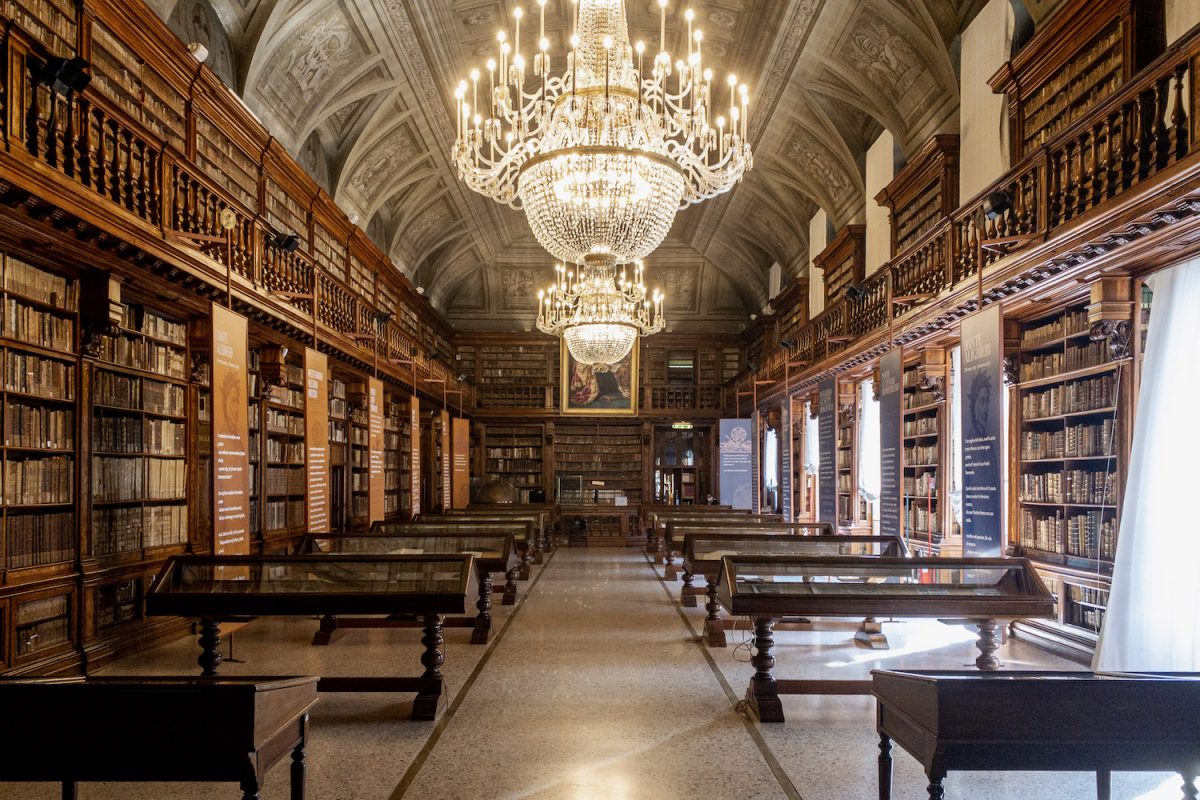
Braidense National Library can be found on the second floor of the Brera Palace, right above the Pinacoteca. Just like the gallery, the library was established in 1770 by Empress Maria Theresa of Austria, and it's nowadays the third largest library in Italy in terms of books' heritage and value. The library houses about one and a half million resources, including books, manuscripts, periodicals, letters, prints, photographs, and more.
To see the entire collection, you have to be registered as a member, but visits to the seventeenth-century frescoed hall are always allowed; you can also visit the Salone Monumentale or Sala Maria Teresa, dedicated to the Empress.
3. Brera Botanical Garden
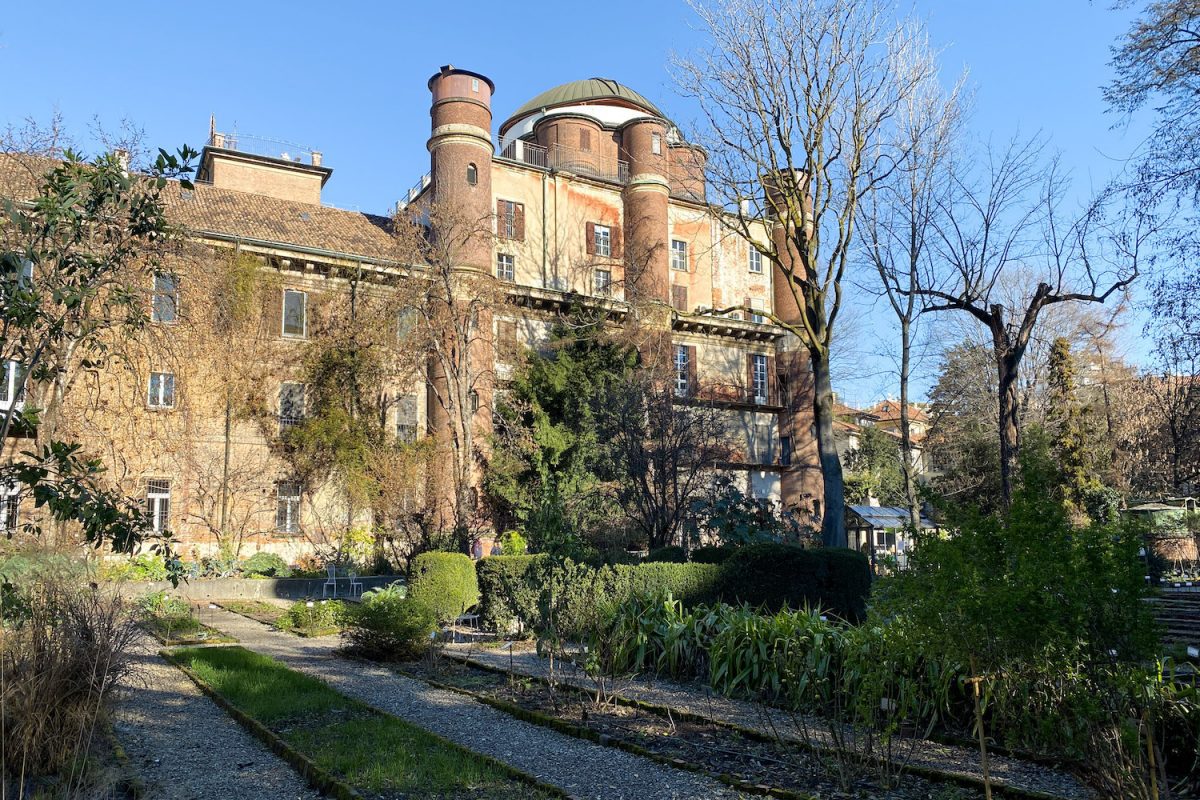
If you're visiting Palazzo Brera in Milan during spring or summer, you must add a third stop right after the library. Walking along the inner corridor on the right side of the palace, you will soon reach Brera Botanical Garden.
The garden's history goes back to the fourteenth century when it was used as a place of meditation for the Humiliati and Jesuits. When in 1775 the palace became a cultural center, the yard was converted into a botanical garden, serving as an educational and training center in pharmacy and medicine. It's not a perfectly trimmed garden, but the decadence merely adds to the allure and charm. Resting in the shade of the ginkgo biloba trees, you will soon forget you're in downtown Milan.
4. Explore the contemporary art scene
In addition to an extensive offer of art museums, including the newly expanded Grande Brera complex at Palazzo Citterio, which opened in December 2024, Milan houses many private art galleries and foundations. These spaces are an essential destination for contemporary art collectors and nosey art enthusiasts looking to see the works of emerging and established artists. Moreover, they usually offer free entry.
Right on Via Brera itself, Galleria Il Castello (Via Brera 16) has been showing 20th century and contemporary art since the 1960s, with past exhibitions dedicated to artists like Lucio Fontana, Andy Warhol, and Damien Hirst. A few doors down, Galleria Ponte Rosso (Via Brera 2) has been a reference point for Italian figurative painting since 1973.
The Antonio Colombo Arte Contemporanea gallery, on Via Solferino 44 just steps from Via Brera, was established in Milan in 1998. Since its first exhibit, it has brought into the spotlight an incredible selection of Italian visionary painters. The Antonia Jannone Disegni di Architettura gallery, active since 1976 (it opened its own space in the heart of Brera in 1979, on Via del Carmine), was the first gallery in Italy to treat specifically architecture projects. Now on Corso Garibaldi 125, a short walk from Brera, its exhibits still mainly focus on models, prints, and drawings of famous Italian and foreign architects.
5. Visit Santa Maria del Carmine Church
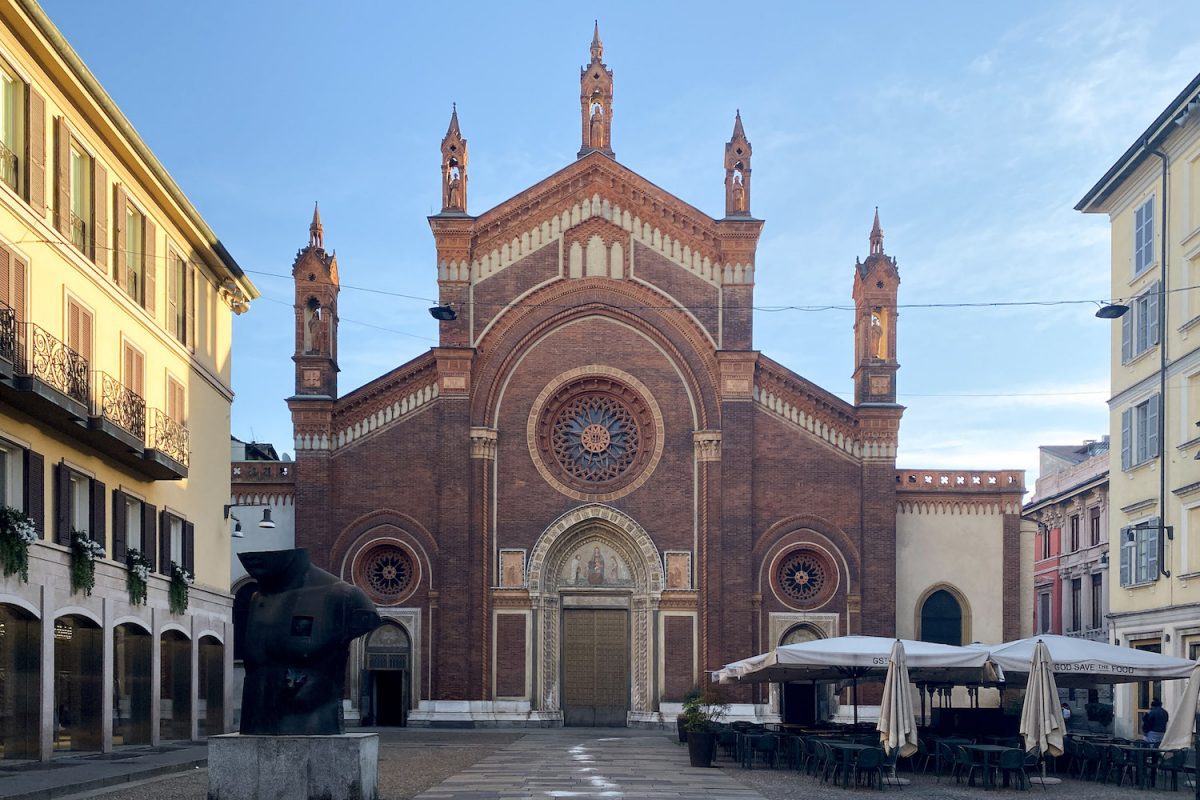
At the end of the charming Via Madonnina lies Piazza del Carmine.
The Church of Santa Maria del Carmine towers over the piazza. Built around 1400, its façade was partially restored in 1880 in Lombard Gothic style. The interior is Baroque and densely decorated in contrast to the essential exterior. Inside the church, make sure to pay a visit to the statue of St. Expeditus, famously known as the patron saint of procrastinators. Funnily enough, the statue of St Expeditus always has candles lit up at its foot, with students struggling with exams often turning to the saint for some help.
Piazza del Carmine is also graced by a few popular bars and a bronze sculpture by Polish artist Igor Mitoraj.
6. Shop for authentic crafts and niche fragrances
In Brera, there is certainly no shortage of unique shops and stores. However, if we had to highlight the most distinctive products retailed here, we’d have no doubts: handcrafts and fragrances.
Every third Sunday of the month, Brera hosts a lively handcrafts and antiques market. It is open from 9 am to 6 pm along Fiori Chiari and Madonnina Street, with stalls selling modern antiques, books, precious jewellery, vintage clothes, and more. Opened in 1881 and run by the fourth generation, Pettinaroli is also considered a mecca for fans and collectors of antique items. This is the best boutique to shop for luxury stationery, period prints, and antique maps.
Moving on to perfume shops, the center of Italian’s olfactory art is in via Brera, which has recently become the street with the highest presence of niche perfumeries. Here’s a list of addresses (updated to 2026) to add to your itinerary to find your signature scent:
Via Brera
- The Merchant of Venice, Via Brera 4
- Olfattorio Bar à Parfums, Via Brera 5
- Montale Parfums, Via Brera 6
- Campomarzio70, Via Brera 2/A
- Diptyque, Via Brera 23
- Casa Carthusia, Via Brera 23
Via Fiori Chiari
- Le Labo, Via Fiori Chiari 6
- Amouage, Via Fiori Chiari 7
- Laboratorio Olfattivo, Via Fiori Chiari 7
- Dr. Vranjes Firenze, Via Fiori Chiari 24
Via Madonnina
- Officina Profumo-Farmaceutica di Santa Maria Novella, Via Madonnina 11
- Fragrans in Fabula, Via Madonnina 17
Where to Eat in Brera
On the cobbled pedestrian streets of Brera, you will find plenty of tourist-hungry restaurants. However, most of them should be avoided. We’d recommend instead:
For breakfast:
- Caffè Fernanda - artsy cafè located inside the Pinacoteca di Brera
- Bianchi Fioraio Caffè - charming bistrot immersed within a floral laboratory
For a classic aperitif:
- La Casa Iberica - Spanish restaurant specializing in tapas
- Caffè Triennale - stylish rooftop restaurant with a great view over Sempione Park
For dinner:
- Clotilde Brera - romantic Italian overlooking Piazza San Marco
- Nabucco - elegant seafood restaurant loved by locals
- Niko Romito - a stylish restaurant run by Three-Michelin-star chef Niko Romito