Three days in Tbilisi mapped out stop by stop in the ultimate itinerary, from the Old Town to the Chronicle of Georgia, with where to eat along the way.
I spent three days in Tbilisi and mapped out exactly how I moved through the city: what I saw each day, in what order, how I got from one place to the next, and where I stopped to eat along the way. I put this together after actually walking, and Bolting, the whole route myself, so the timing and the sequence of places both come from experience.
Below, I've broken it down day by day. Each day sticks to a different part of the city, so you're not crossing back and forth more than you have to, with lunch or dinner spots worked into the plan. Enjoy!
Good to Know Before You Go
- Where I stayed: Mukhrantubani Boutique Hotel, a couple of minutes from the Clock Tower. Central enough to walk out in any direction, and close to a spot where Bolts show up fast when you need one. I highly recommend that area in general.
- Getting around: Day 1 is almost entirely on foot. Day 2 needs Bolt for most of it, expect somewhere between 5 and 25 GEL per ride depending on distance. Download the app before you land, it needs a working phone number to sign up.
- Metro and buses: if you use them at all, get a MetroMoney card at any station (2 GEL for the card itself, reloadable). A single ride is 0.5 to 1 GEL and covers transfers within 90 minutes.
- Reservations: none of the attractions need to be booked ahead, except for the group tour on day 3. However, the restaurants on this itinerary may need to be booked ahead, especially on weekends. I've noted how for each one below.
-
-
Not sure yet how many days you'll actually have in Tbilisi, or want an overview before locking a plan? I put together a guide to the best things to do in Tbilisi here, covering even more ground. This itinerary is the sequenced, ready-to-use version of it.
-
Day 1 in Tbilisi: Old Town, Sololaki & the Bridge of Peace
Almost this entire day is on foot, starting from the Old Town. My hotel put the Clock Tower two minutes from the front door, which made for an easy start.
The Clock Tower
A deliberately crooked clock tower, built in 2010 by Rezo Gabriadze, the Georgian puppeteer and artist, using reclaimed bricks and tiles pulled from old buildings around the city. It sits right next to his own marionette theatre. Every hour a small golden angel steps out to strike the bell, and twice a day, at noon and again at 7pm, a short puppet show plays out in a lower window. It's free to see any time, no ticket or set hours, since it's really just a structure on a public street. I caught the angel striking the hour on my way past, small thing, worth timing your walk around if you want.
Anchiskati Basilica
A short walk from the Clock Tower. This is the oldest surviving church in Tbilisi, built in the early 500s. It's free to enter, and stoles are available at the door if you need to cover your shoulders. Inside, it's small and dark, and smells like the centuries it's actually seen. I wasn't in there for more than a few minutes, but it's worth the detour even that briefly.
Crossing the Bridge of Peace
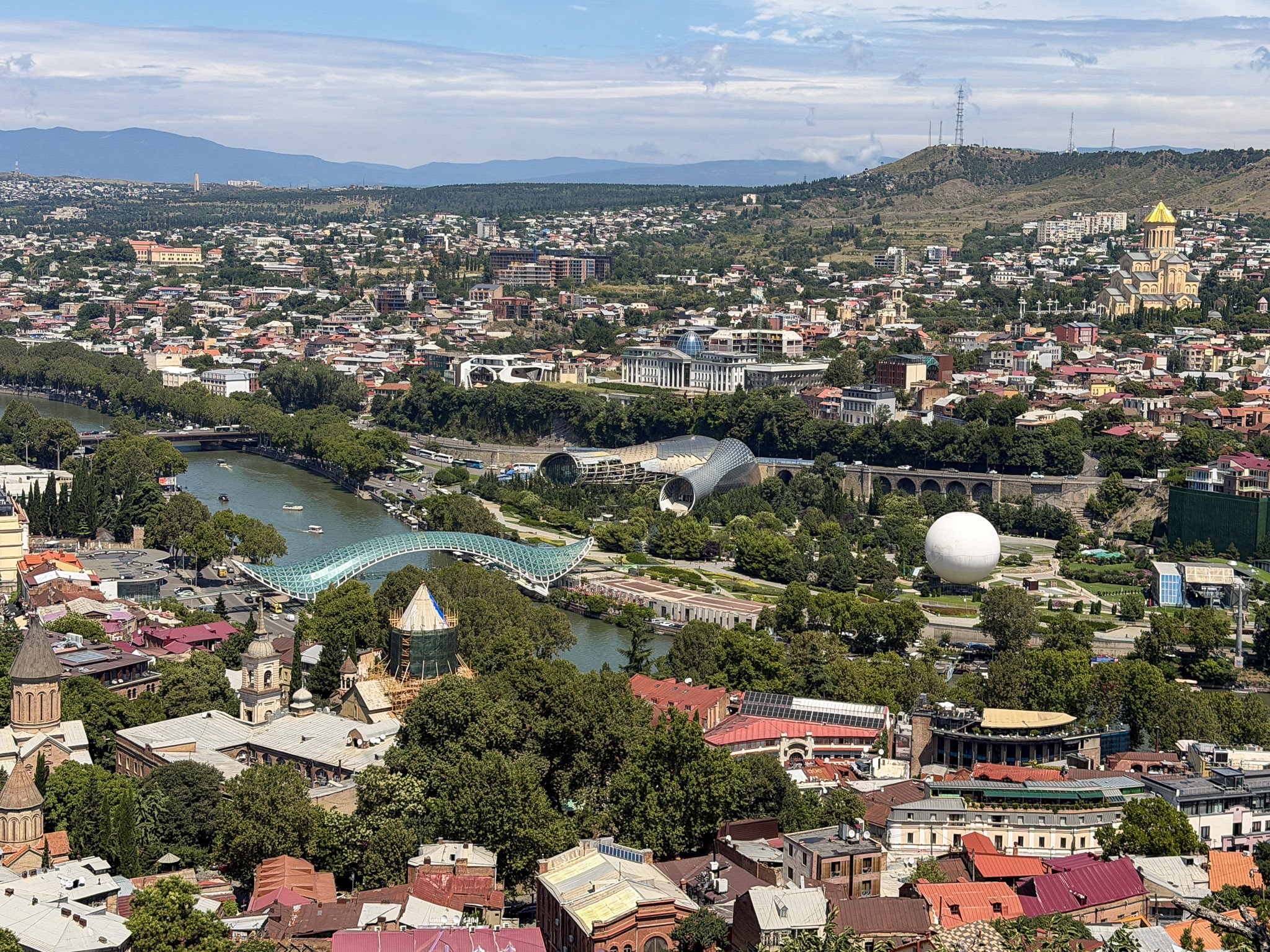
From Anchiskati, it's a walk down toward the river. The bridge itself is a 150-meter arc of steel and glass, opened in 2010, connecting the Old Town to Rike Park on the other bank. Free to cross, no ticket needed. Crossing it midday means crowds, phones out for photos, people stopped in the middle of the walkway, chaotic but genuinely fun to push through. If you'd rather see it lit up, the glass canopy switches on with LEDs about 90 minutes before sunset, though that means shifting this whole leg of the day later.
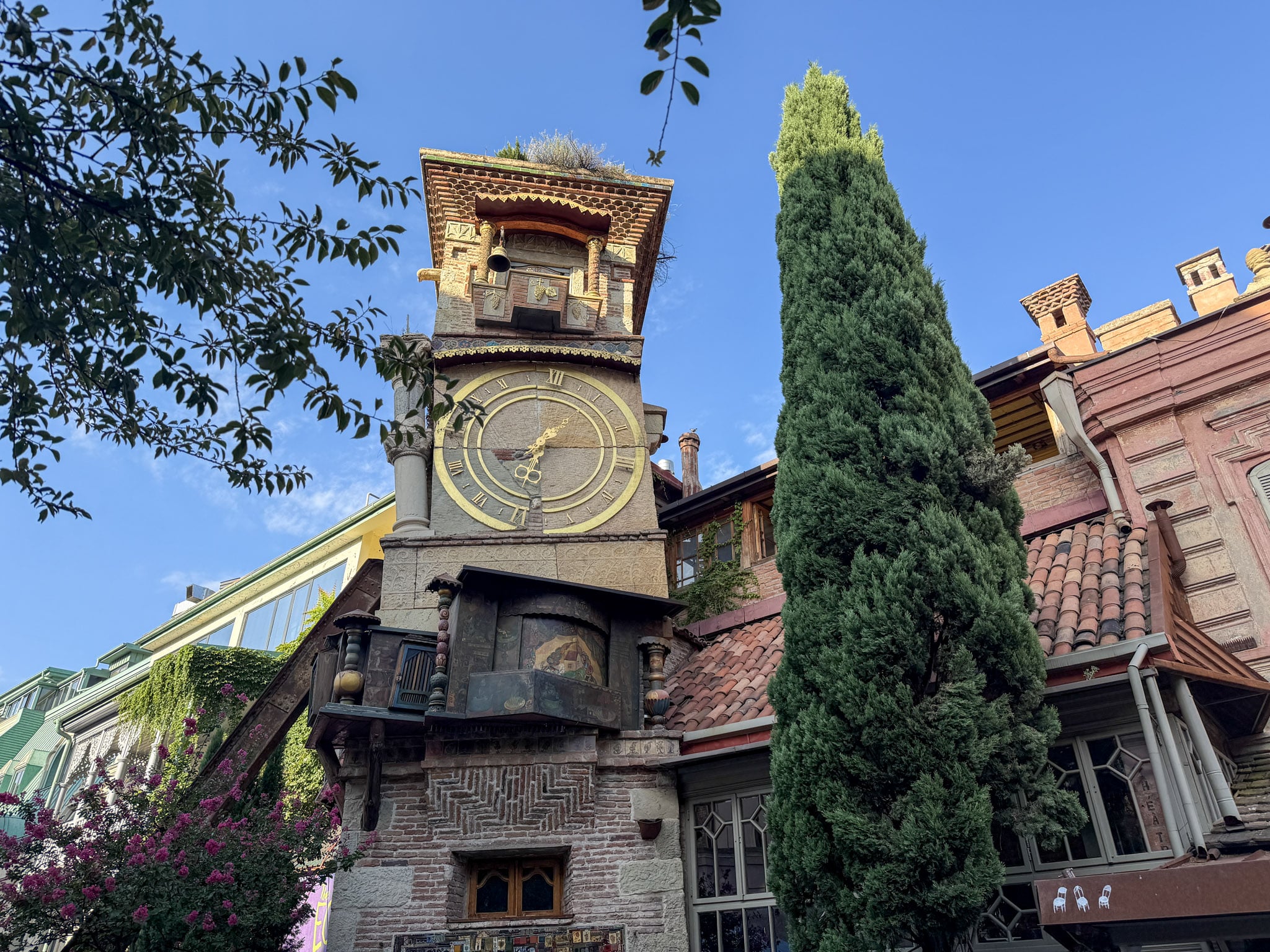
The Clock Tower
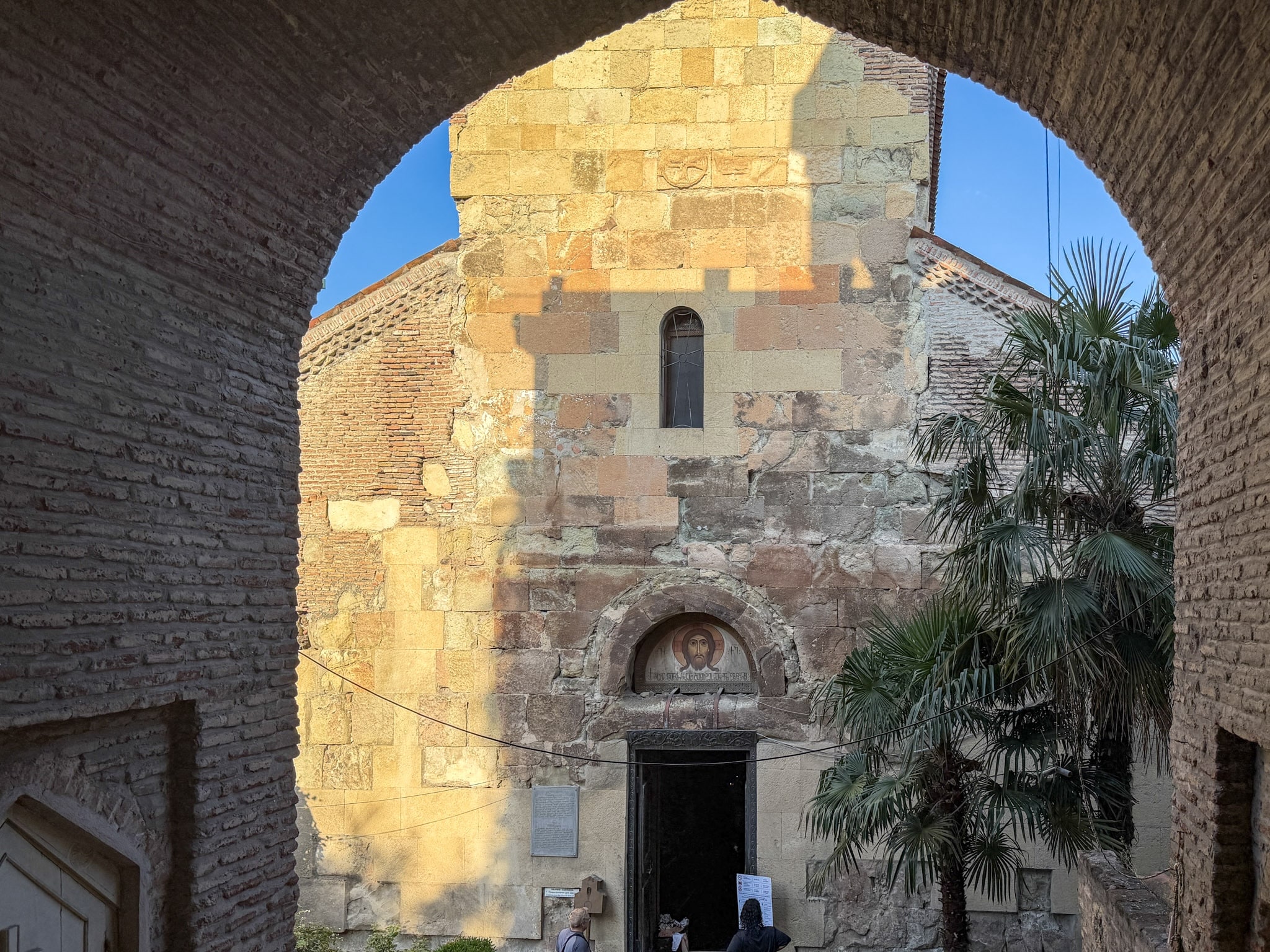
Anchiskati Basilica
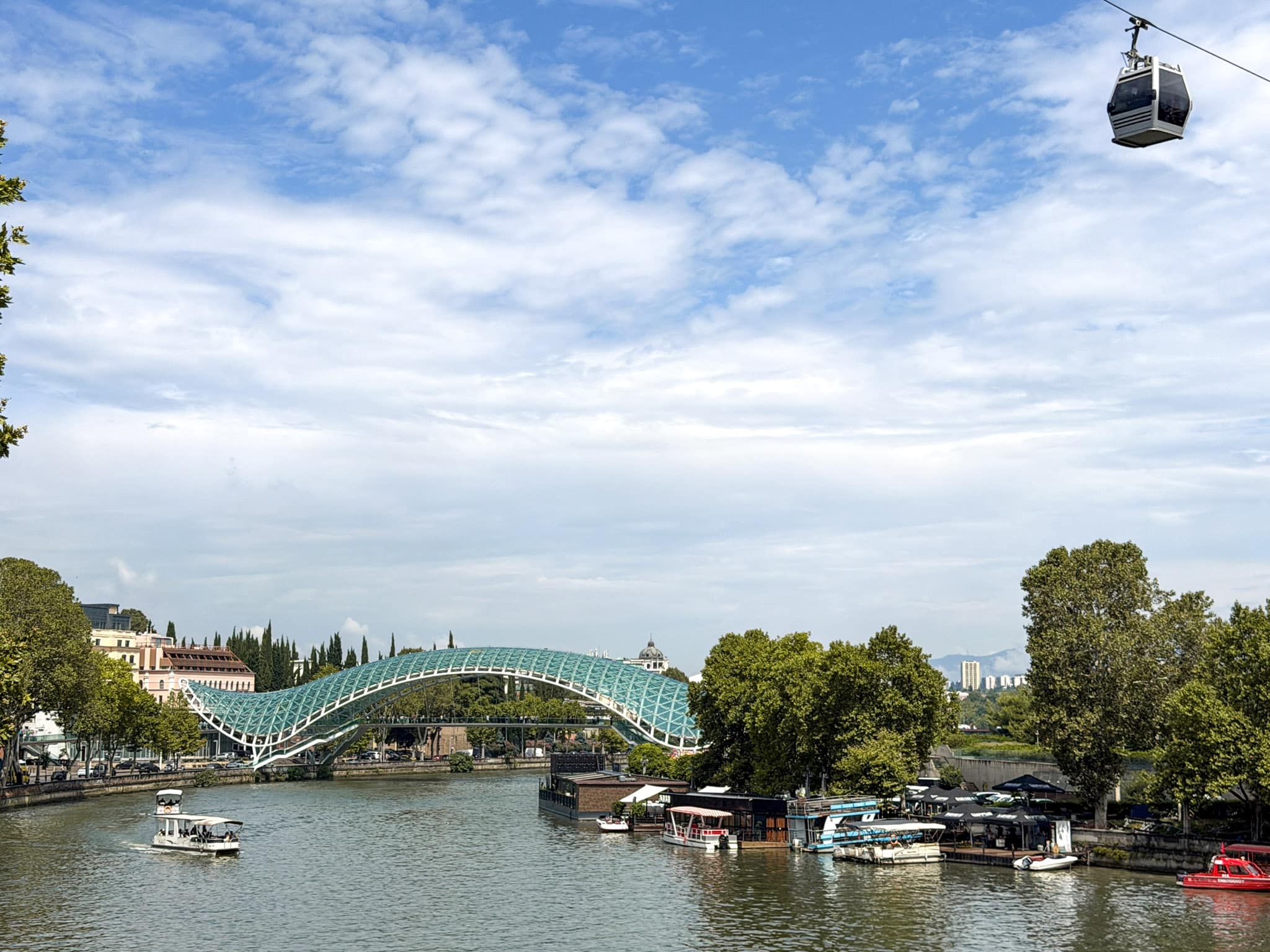
The Bridge of Peace
The Cable Car Up to Mother of Georgia
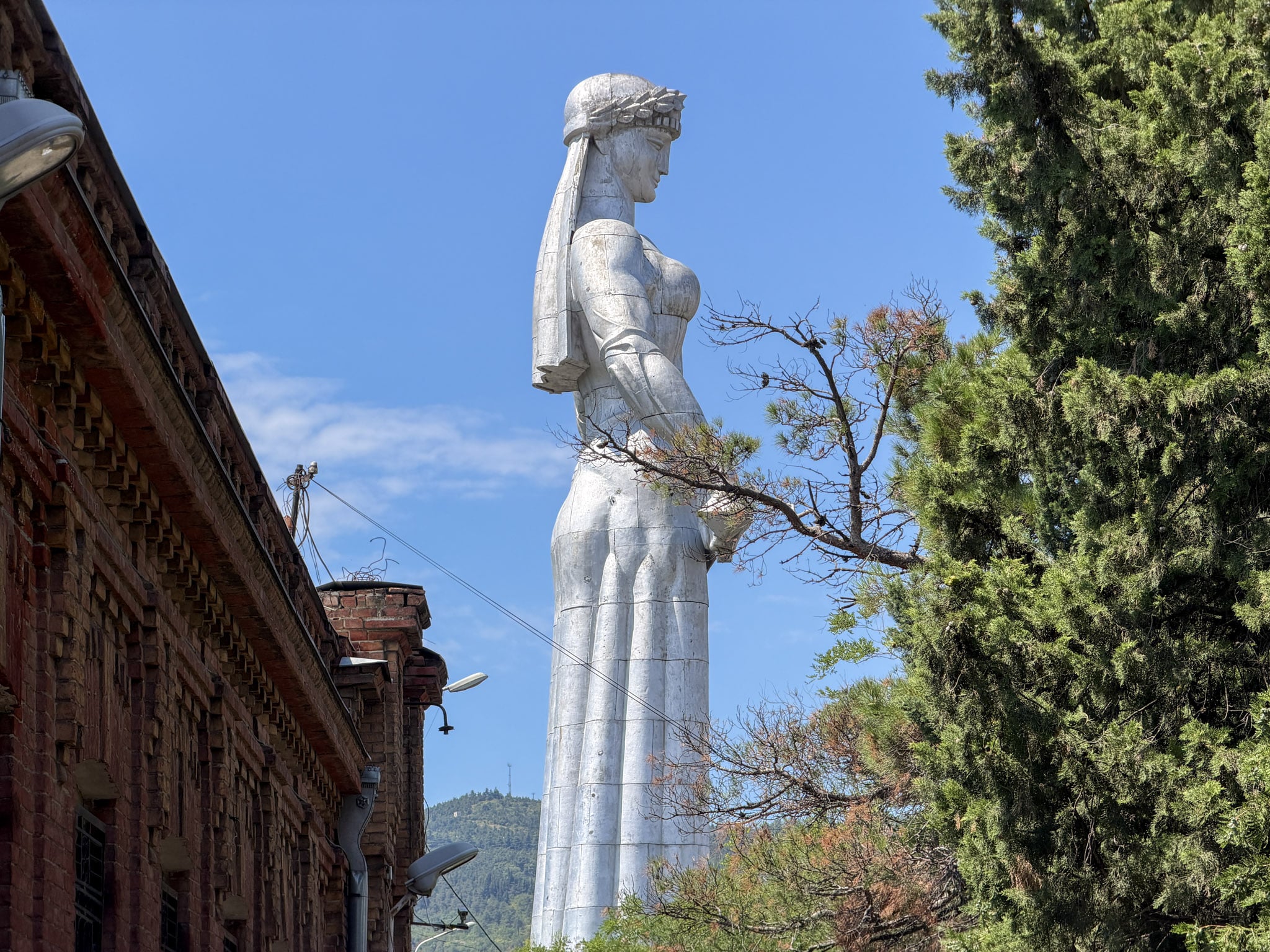
The cable car station sits right at the Rike Park end of the bridge, an easy walk once you're across. A ticket is 2.5 GEL one-way, paid with a MetroMoney card, and the car runs roughly 10:00 to 22:00, weather permitting. The ride is quick, and it puts you right at the base of the statue: twenty meters of aluminum on top of Sololaki Hill, one hand holding wine, one a sword, standing since 1958. The aluminum figure standing today actually went up in 1997, replacing a wooden original from 1958. Wine for a friend, the sword for anyone who isn't. Narikala Fortress sits nearby too, but it's currently closed for restoration, so don't build time in for it.
Lunch at Café Littera
Down from Mother of Georgia and into Sololaki, in the garden behind the Writers' House of Georgia. We had the six-dip sampler and a mushroom and artichoke salad, around 120 GEL for two. Service runs slow, budget 30 to 40 minutes between ordering and food arriving, but the garden makes the wait easy. I didn't book ahead and still got a table on a weekday, though I'd call for a weekend lunch.
-
-
I wrote up the full meal, along with other restaurants I tried throughout this trip, in a separate guide to the best restaurants in Tbilisi here, worth a look if you want the complete list with prices and booking details for all of them.
-
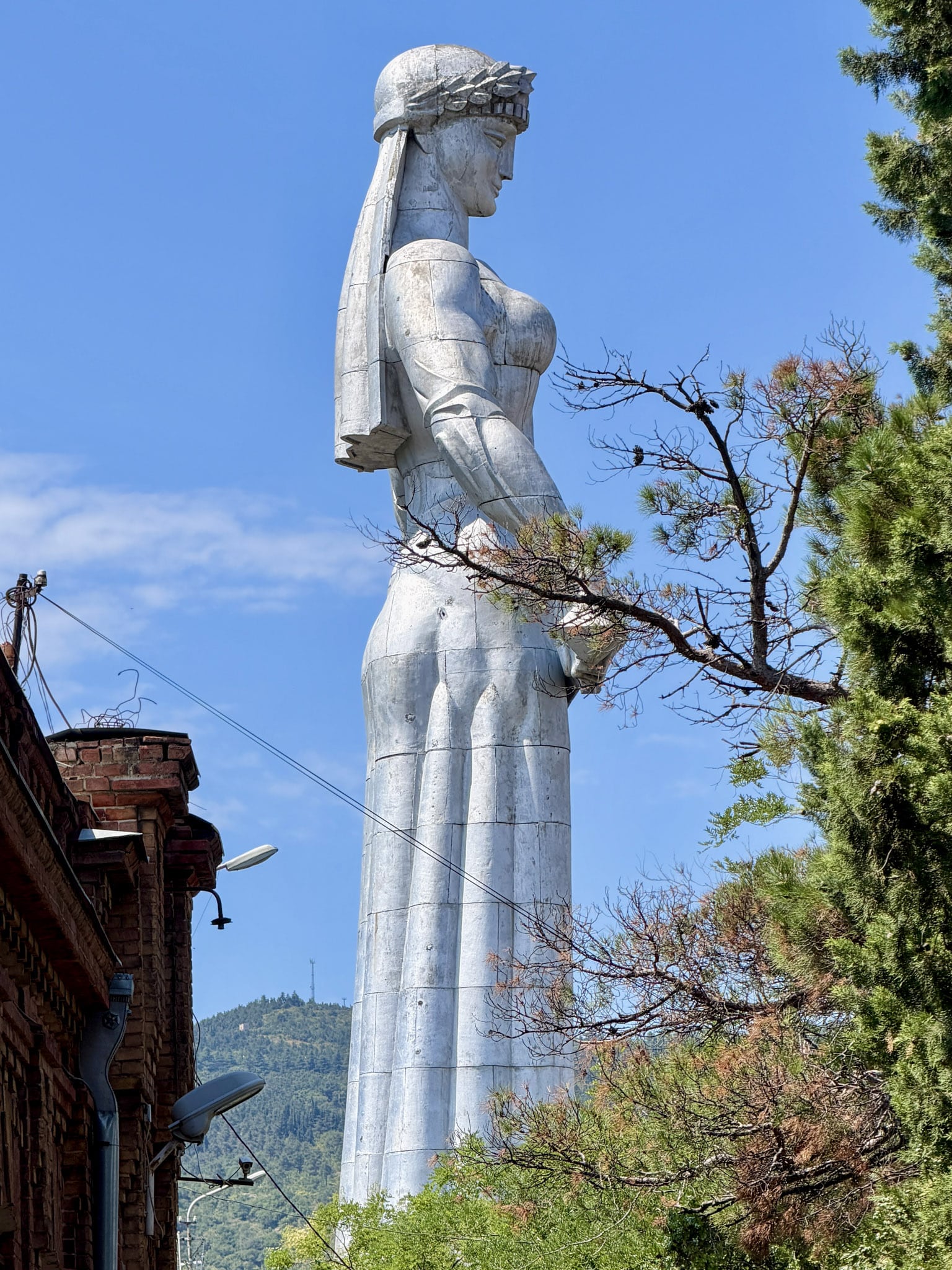
Mother of Georgia
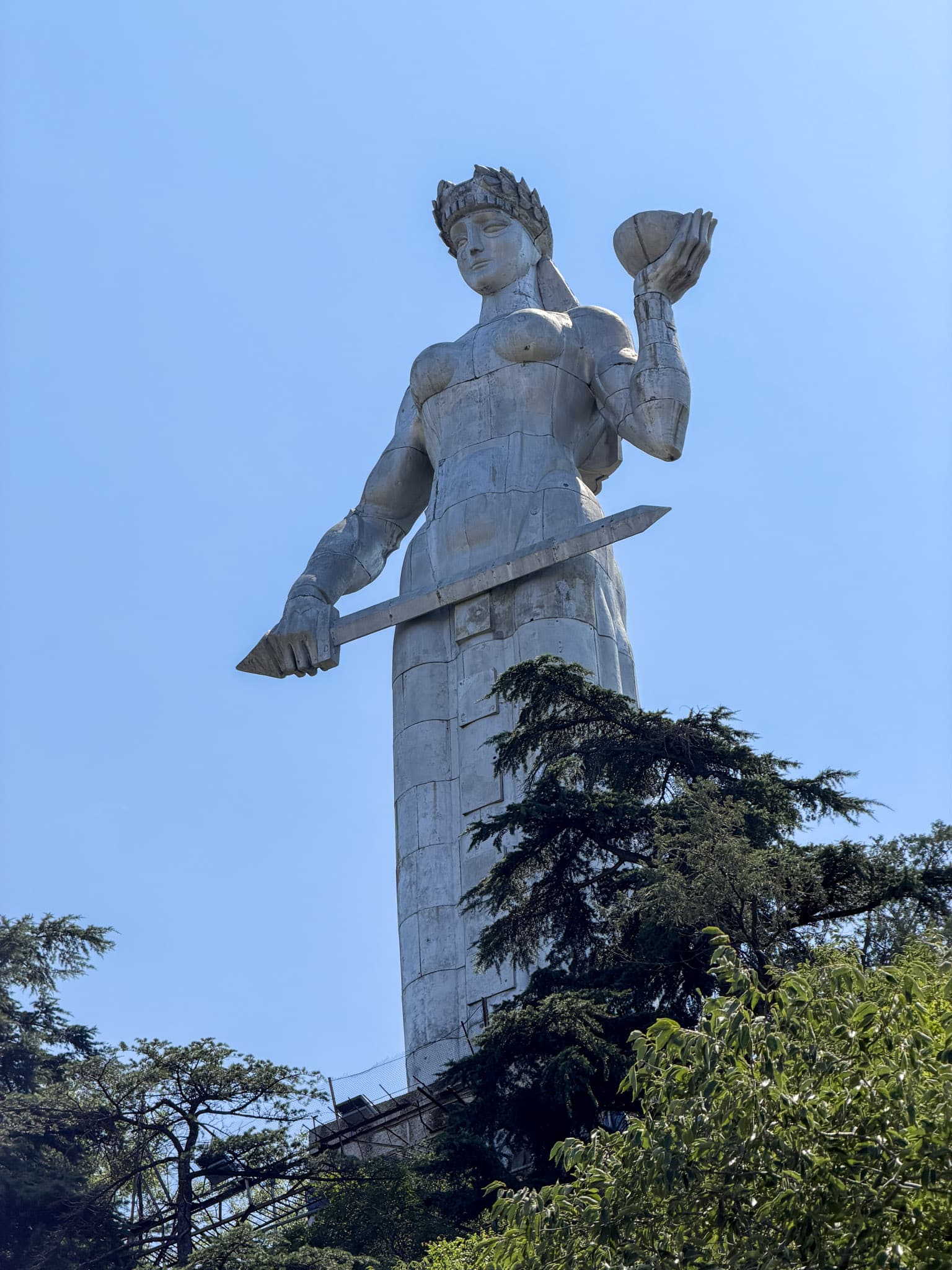
Mother of Georgia
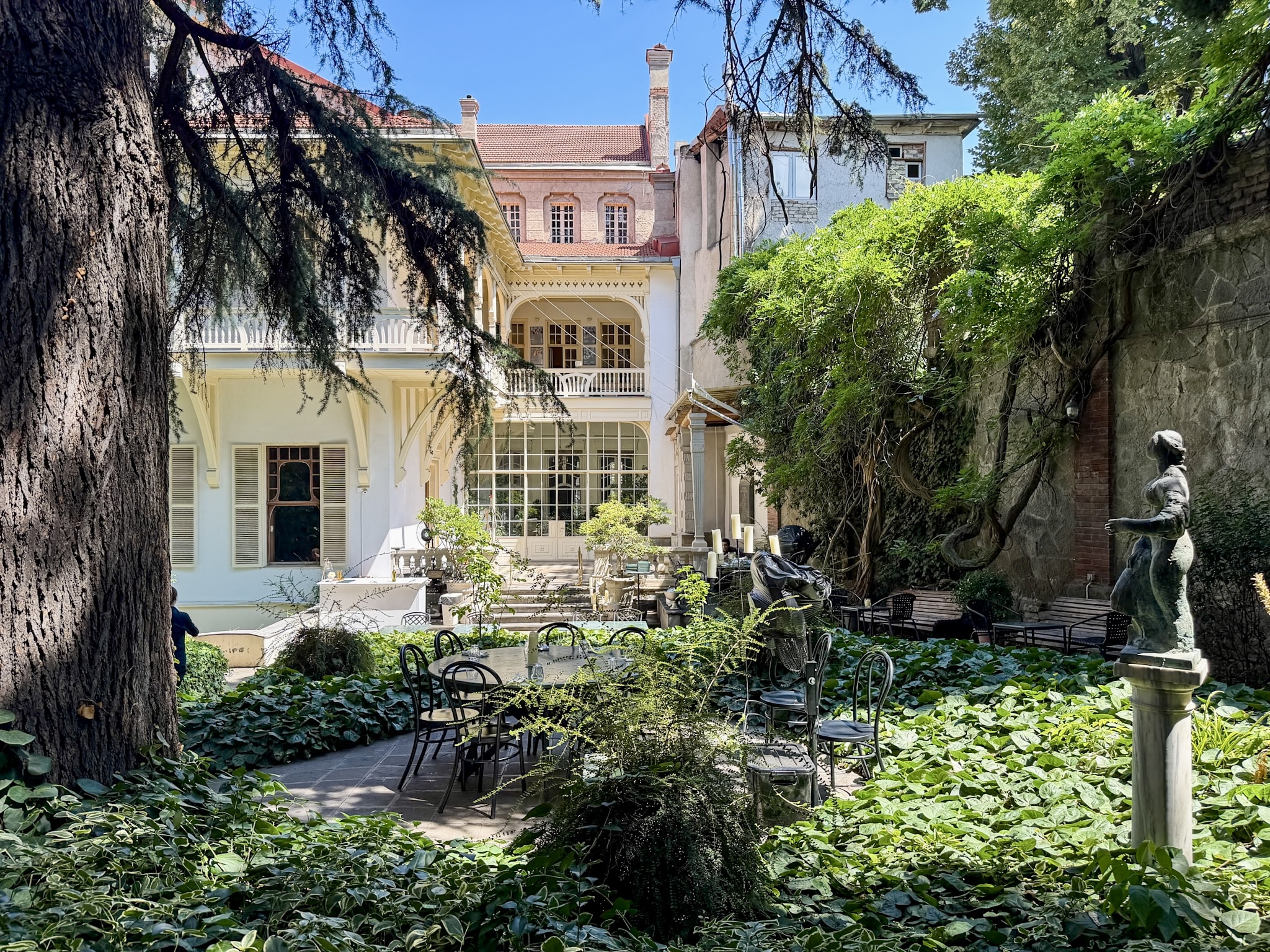
Café Littera’s garden
Meidan Bazaar
Back down toward the river, there's an underground market built into the space beneath Meidan Square, on a trading spot used since at least the 4th or 5th century. Free to browse, open roughly 10:00 to 22:00 daily. Prices aren't always marked, and bargaining is normal. I didn't buy anything, but the hand-drawn ceiling map right at the entrance, showing the old defensive walls of the city, is worth stopping for on its own.
Sioni Cathedral
Two minutes on foot from Meidan Bazaar. The current building mostly dates from the 12th century, though there's been a church on the site since the 6th or 7th. Free to enter, same dress code as Anchiskati.
Abanotubani's Sulfur Baths
A short walk from Sioni. This is Tbilisi's bathhouse district, domes built over natural sulfur springs that come out of the ground around 37 to 42°C. The sulphur smell reaches you before the domes come into view. I didn't take a bath, just walked into Chreli Abano, the bathhouse with the blue and cream tiled facade, to look at prices and availability out of curiosity. Public communal baths run 10 to 20 GEL per person, private rooms 60 to 200+ GEL per hour, charged per room rather than per person, so worth splitting between more than two people if you can. Worth the stop even without bathing, the exterior alone justifies it.
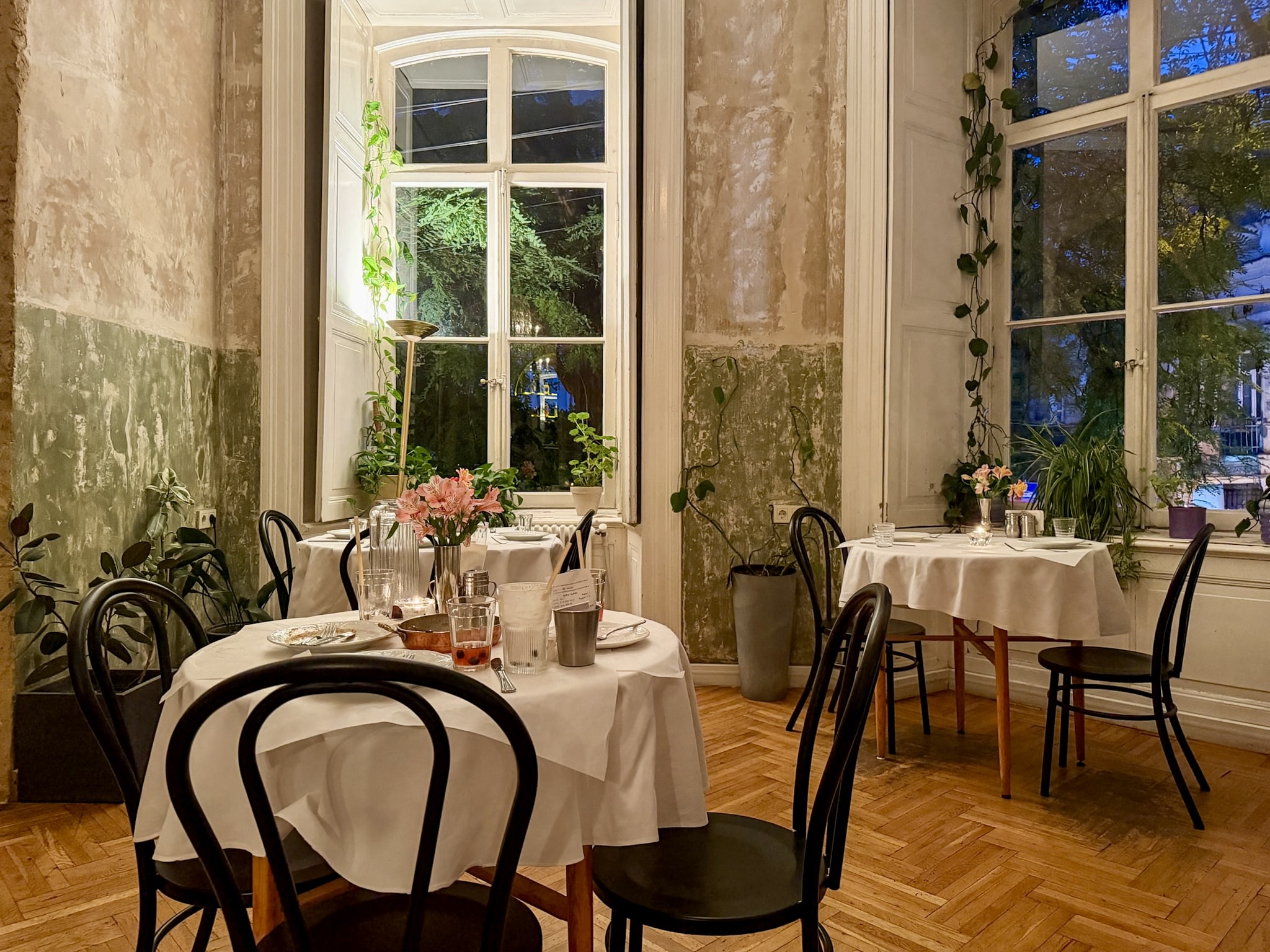
Dinner at Stumari
A short Bolt ride from Abanotubani. We had khinkali, khachapuri, a lamb kebab, and a layered cake for dessert, around 200 GEL for two. Book ahead through Rezto (rezto.ge), especially for a weekend dinner, and ask for either the terrace or the dining room with the 1924 map of the city on the wall.
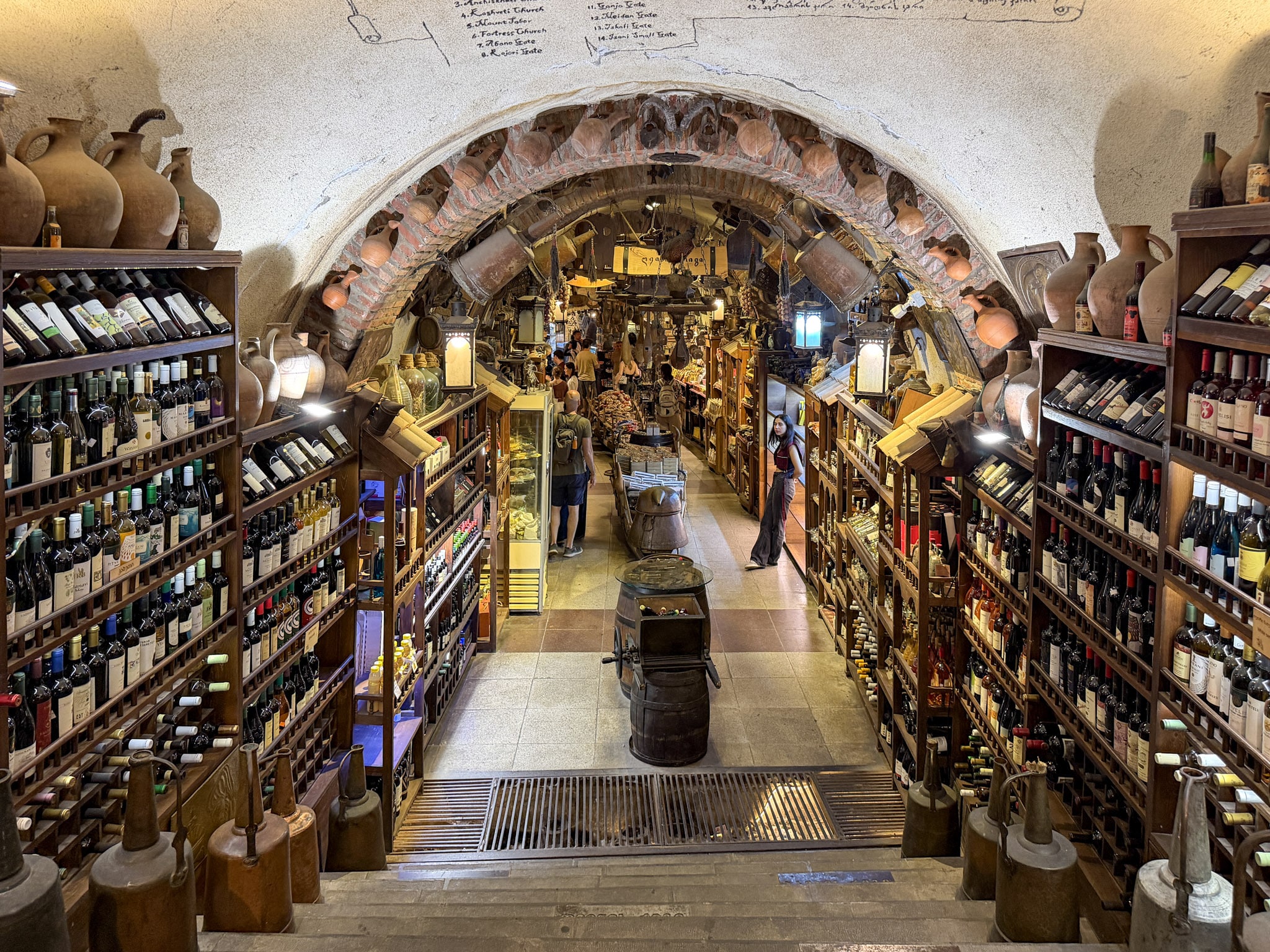
Meidan Bazaar
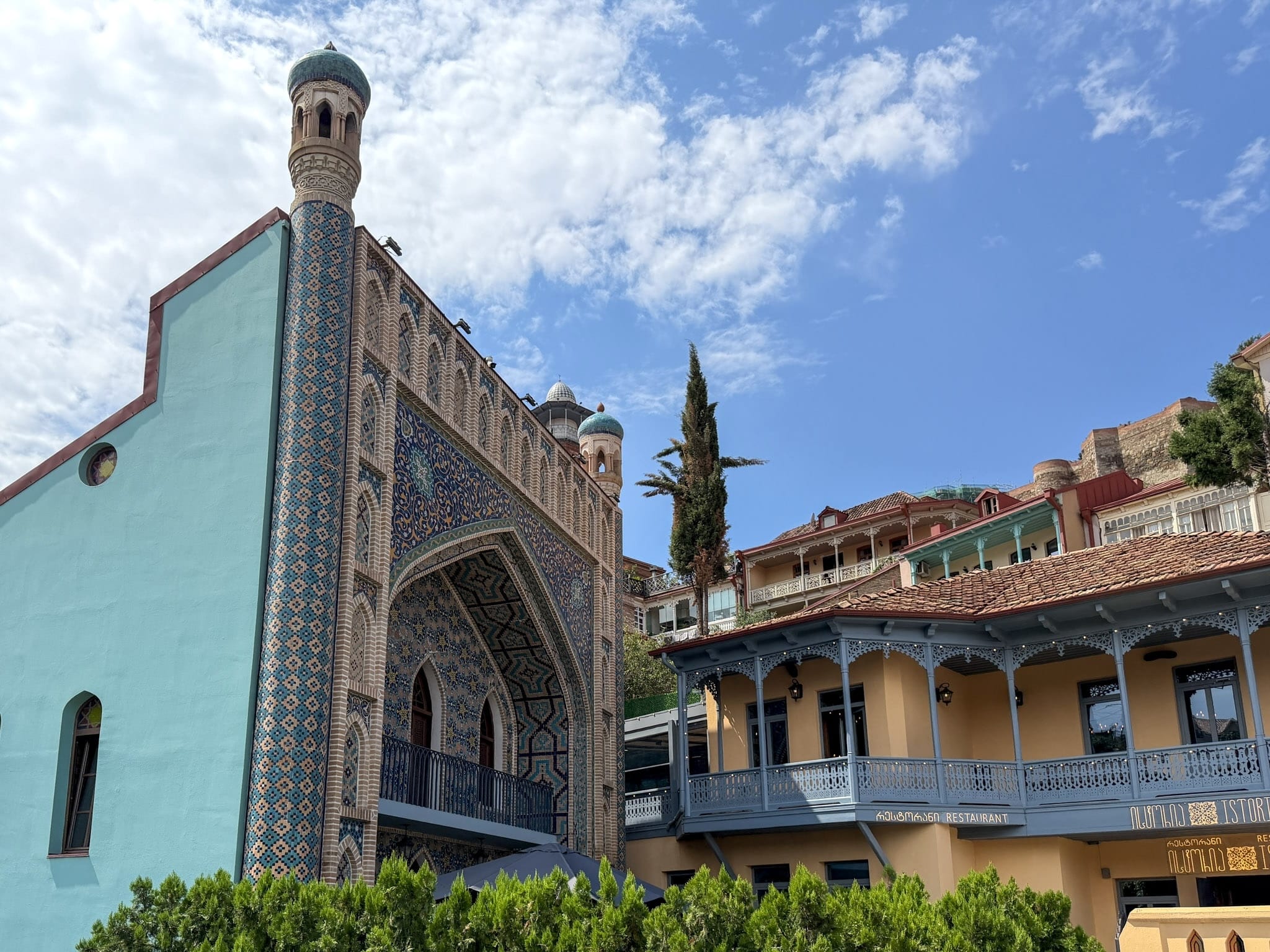
Abanotubani’s Sulfur Baths
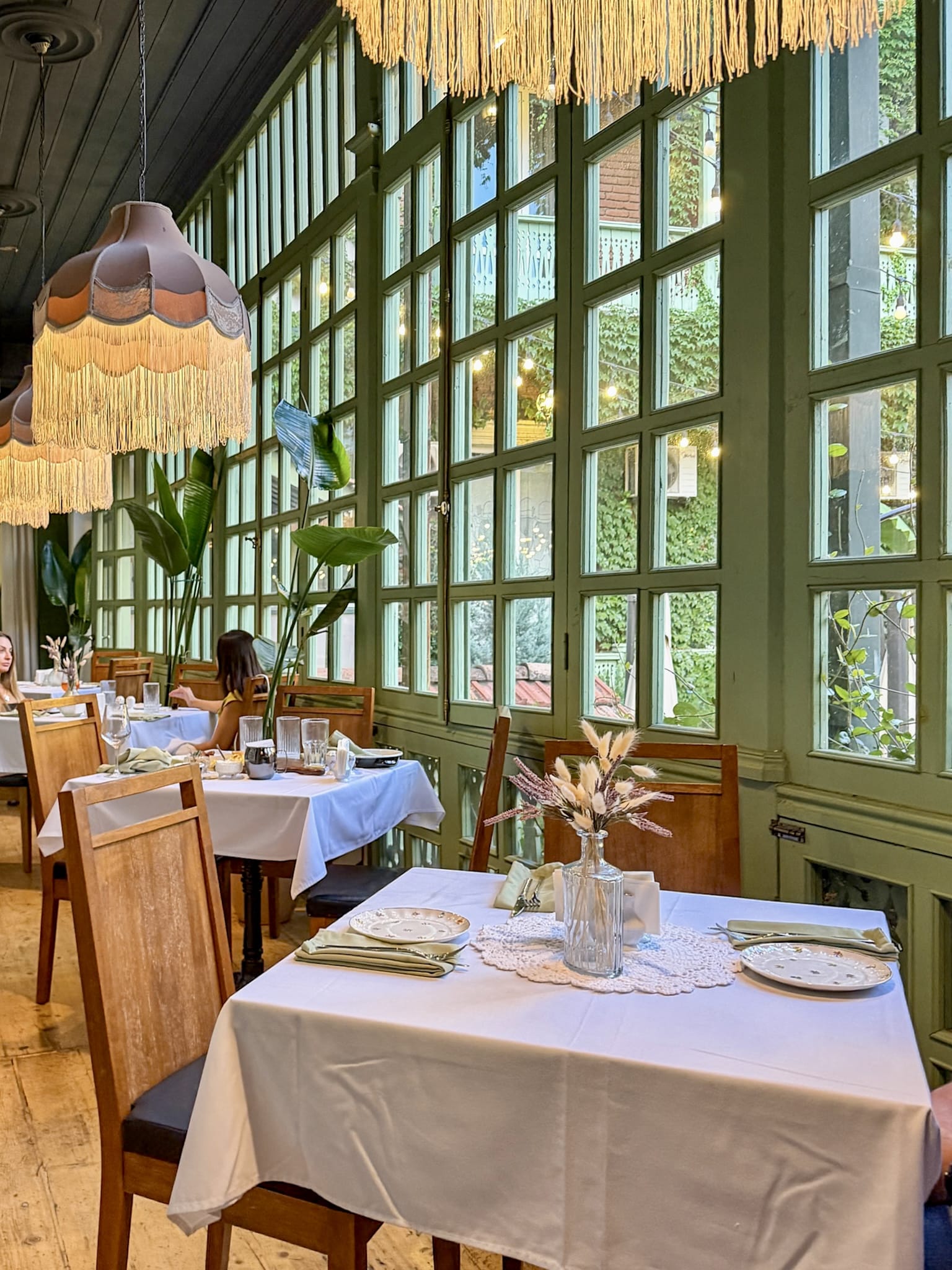
Stumari’s terrace
Day 2 in Tbilisi: Chronicle of Georgia, Sameba & Rustaveli
This is the Bolt day. The stops sit far enough apart that walking between most of them isn't realistic, so budget for several short rides rather than a day on foot.
The Chronicle of Georgia
Sixteen bronze and stone pillars, 35 meters each, standing on a hilltop above the Tbilisi Sea. Sculptor Zurab Tsereteli started building it in 1985, meant to mark 3,000 years of Georgian statehood and 2,000 years of Christianity in the country. It was never finished, funding dried up as the Soviet Union came apart, and it's stood in a partial state ever since.
The lower tiers show scenes from the life of Christ, the upper sections show Georgian kings, queens, and historical battles. Free to visit, no ticket needed, but there's no reliable public transport out there, so it's Bolt both ways, expect around 25 minutes and 25 GEL one way from central Tbilisi. Getting a Bolt back wasn't a problem, though the signal cut in and out a couple of times.
I climbed up among the pillars and walked the whole loop around them, with the lake below looking almost otherworldly from up there. Early morning is probably the better time to go, fewer people around and it's cooler for the climb, with light that still works well on the reliefs.
Sameba Cathedral
Officially Holy Trinity Cathedral, the biggest church in Georgia, a golden dome rising about 86 meters over the Avlabari district, finished in 2004. It holds nine chapels in total, five of them two floors underground, a quieter and dimmer space than the main hall above. Inside, look for the Hope of Georgia icon near the altar, gold and set with precious stones, and the freestanding bell tower on the grounds, home to nine bells, the largest weighing eight tons. Free to enter.
Dress code applies: shoulders and knees covered, women should bring something for their head, scarves are available at the entrance if you forget. Open roughly 07:00 to 22:00, though access can shift during religious services. The walk up from Old Town is a real climb, better to take this one by Bolt too. Inside, it's full of art in every direction, more than I expected walking in.
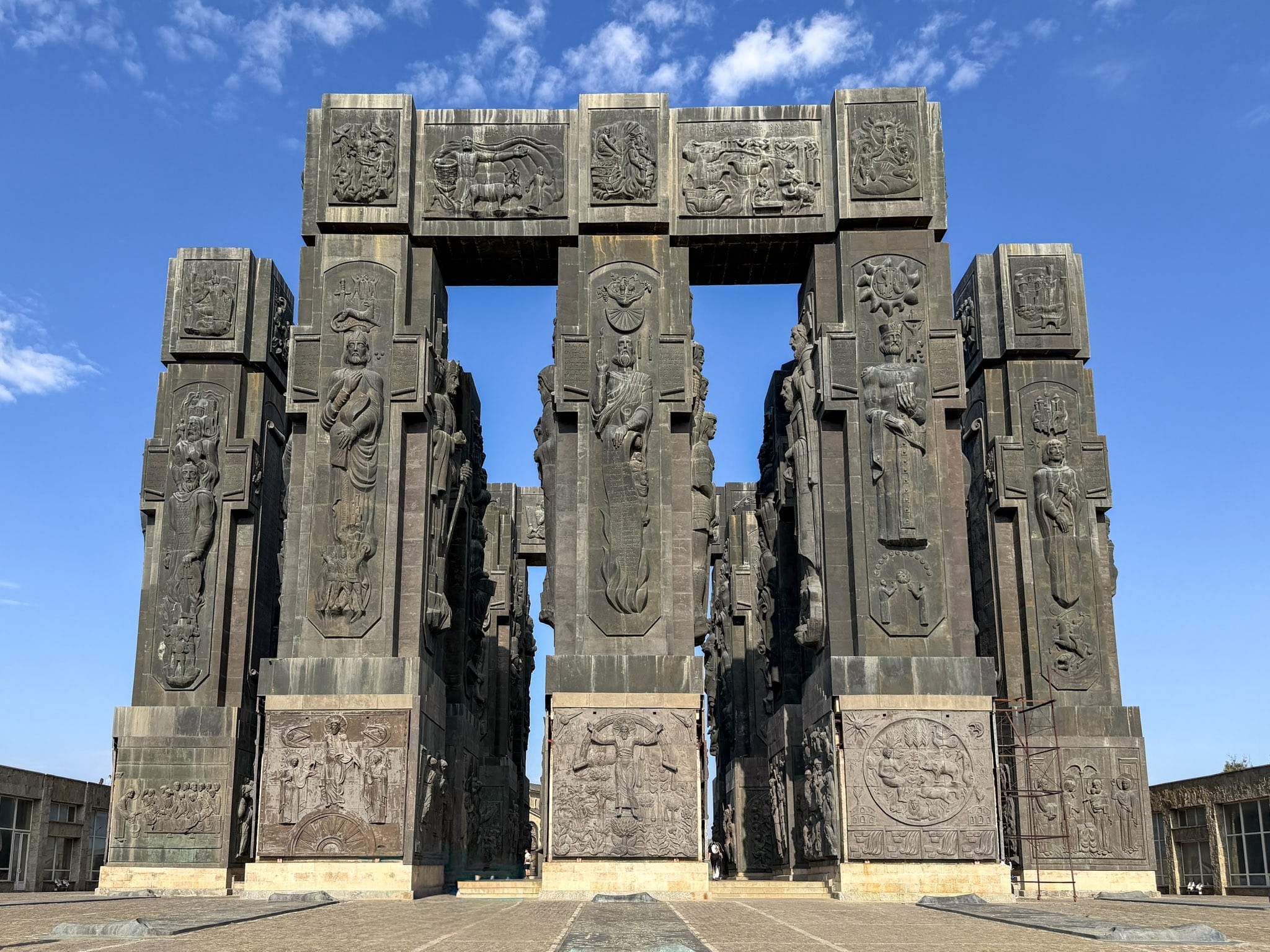
Chronicle of Georgia
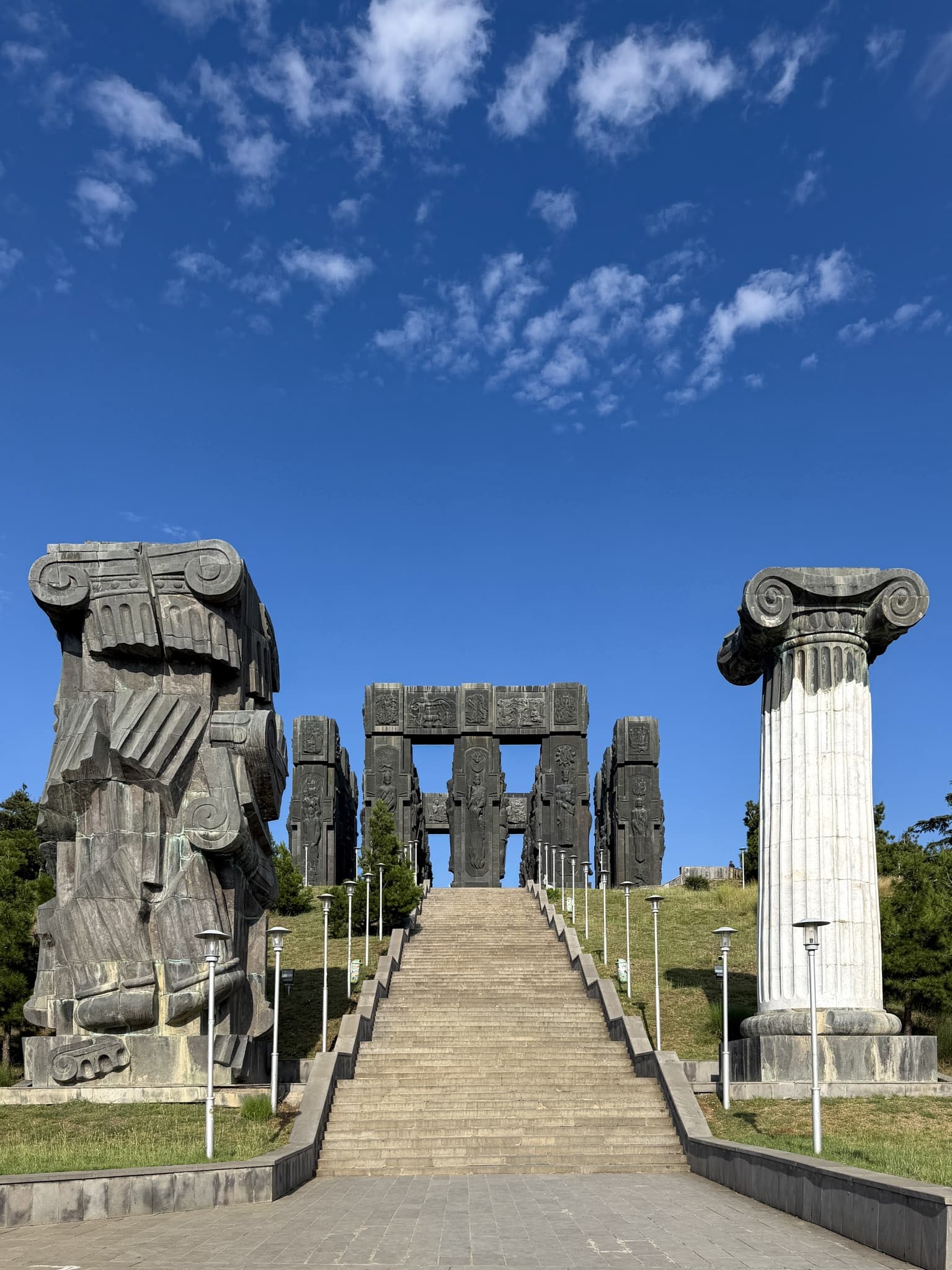
Chronicle of Georgia Staircase
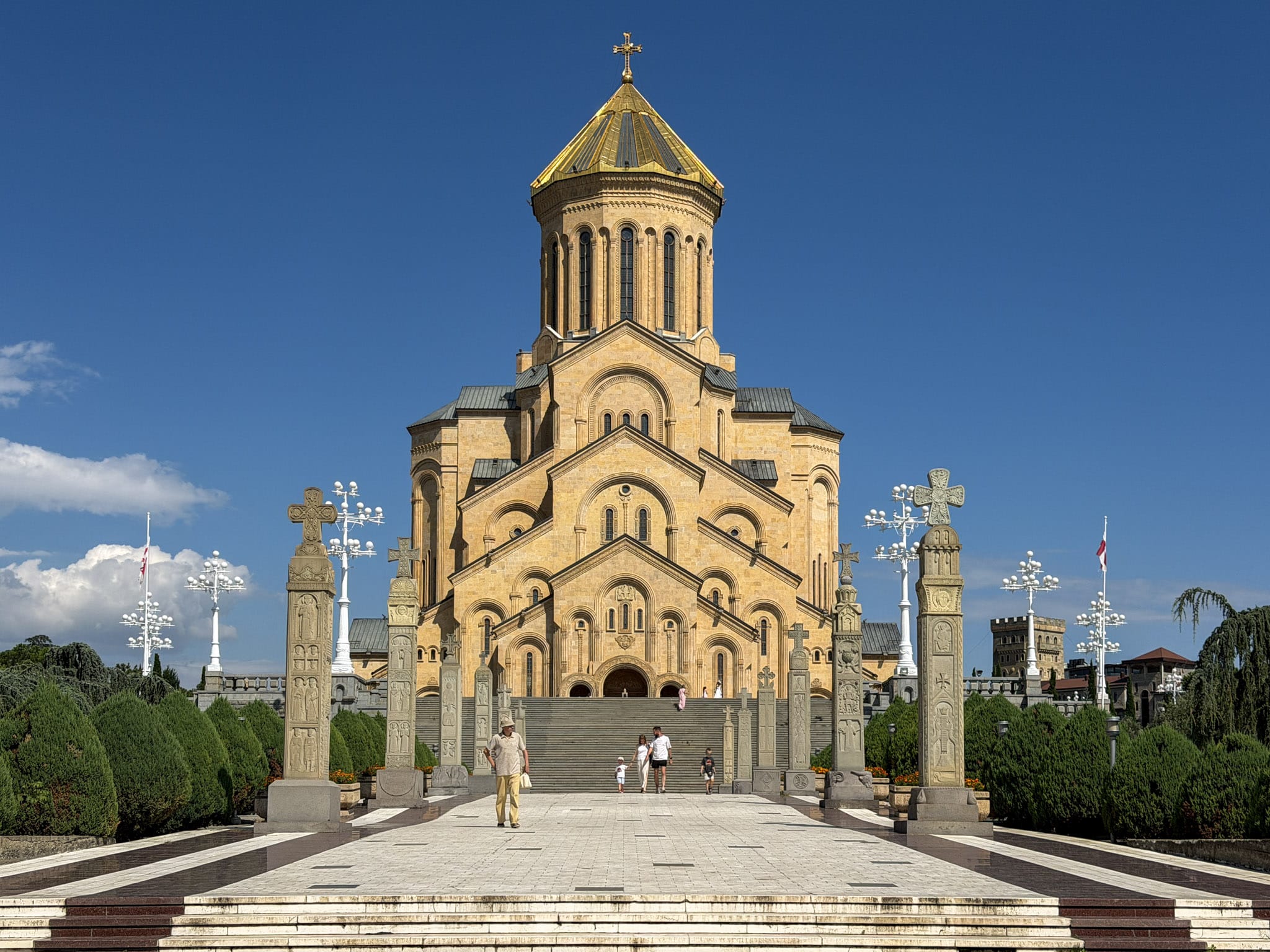
Holy Trinity Cathedral (Sameba)
The Georgian National Museum
This museum will get you from Georgian prehistory through the Soviet occupation. It's located on Rustaveli Avenue, 40 GEL per person to get in, extra if you want a guided tour or audio guide.
This is the one museum in Tbilisi I'd tell you not to skip if you only have time for one. I wrote up the full visit, room by room, including the Soviet Occupation Hall, which was the hardest-hitting part for me, in a separate guide to the museum.
Dry Bridge Market
A flea market spreading across the bridge itself and into the parks on either side, one stretch given over to Soviet memorabilia and household junk, the other to handmade crafts and artwork. It got started in the early 1990s, right after the Soviet Union fell apart, when people began selling their own belongings for food.
Old military medals, propaganda posters, vinyl records, cameras, felted wool, wooden crafts, and paintings, some of them decent reproductions of Pirosmani, Georgia's best known painter. Free to browse, open roughly 10:00 to 17:00 daily, though it's outdoors and can shut down in bad weather. Cash only, and bargaining is expected.
The Bank of Georgia Building
The most photographed piece of Soviet-era architecture in the city, five massive concrete blocks stacked and interlocked, sitting on three vertical cores. It went up in 1975 as the Ministry of Highway Construction, designed by Giorgi Chakhava, who happened to be the Deputy Minister of Highway Construction at the time. You can't go inside, it's a working bank now, offices only. My Bolt dropped me on Gagarini Street, at the upper connection point, roughly level with the middle of the structure. I walked down from there toward President Heydar Aliyev Avenue, where the building meets the road again at the base, though a few stretches along the way don't have a sidewalk.
I covered this one in more depth, alongside six other buildings from the same Soviet era, in my guide to Tbilisi's brutalist architecture.
Dinner at Iasamani
A short Bolt ride back toward Sololaki. We had a pumpkin soup, a Georgian cheese plate, and a lobiani, around 170 GEL for two. Book through WhatsApp, ideally a day or two ahead if you can, because the dining room is small and fills up fast.
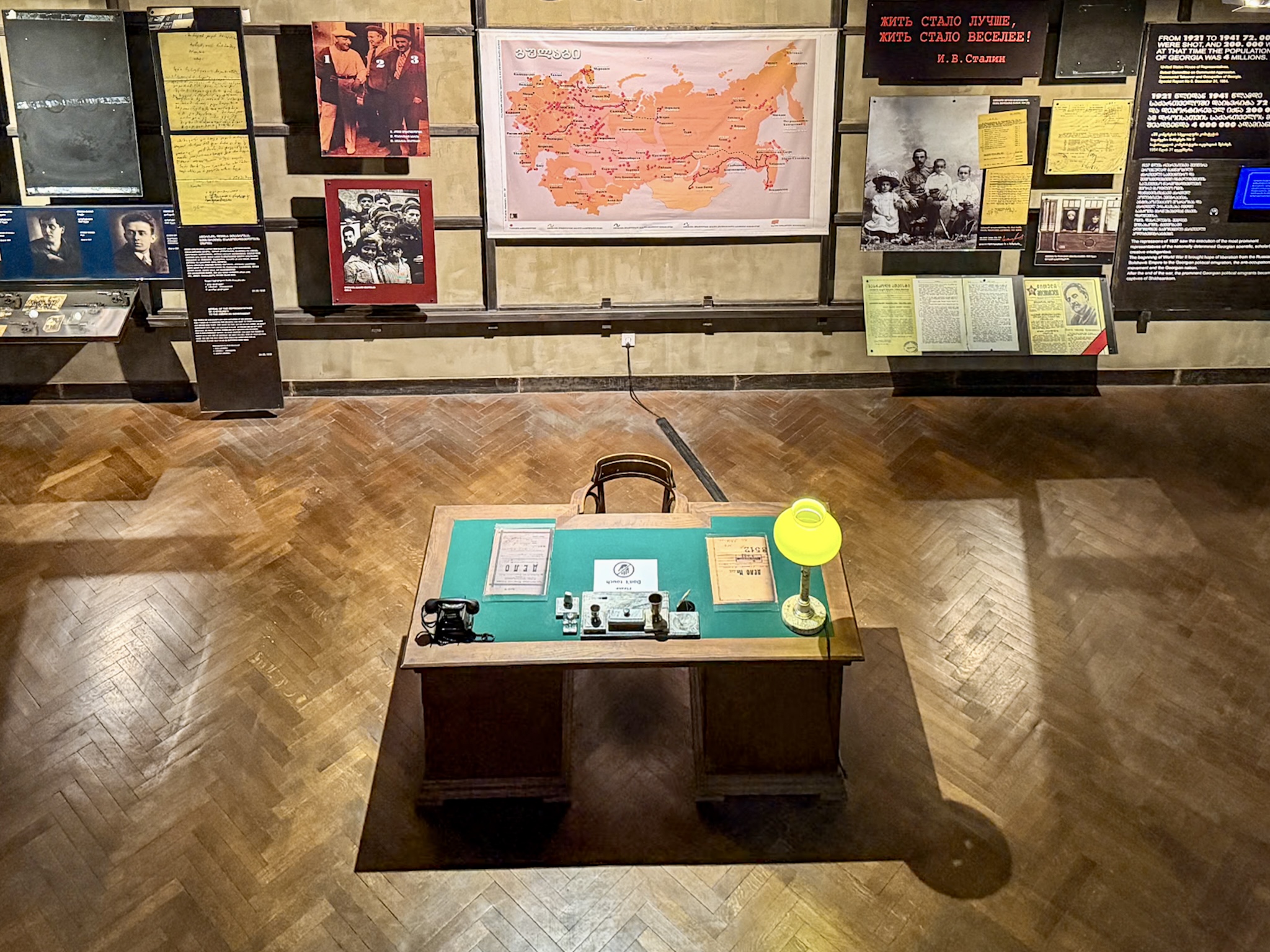
Georgian National Museum
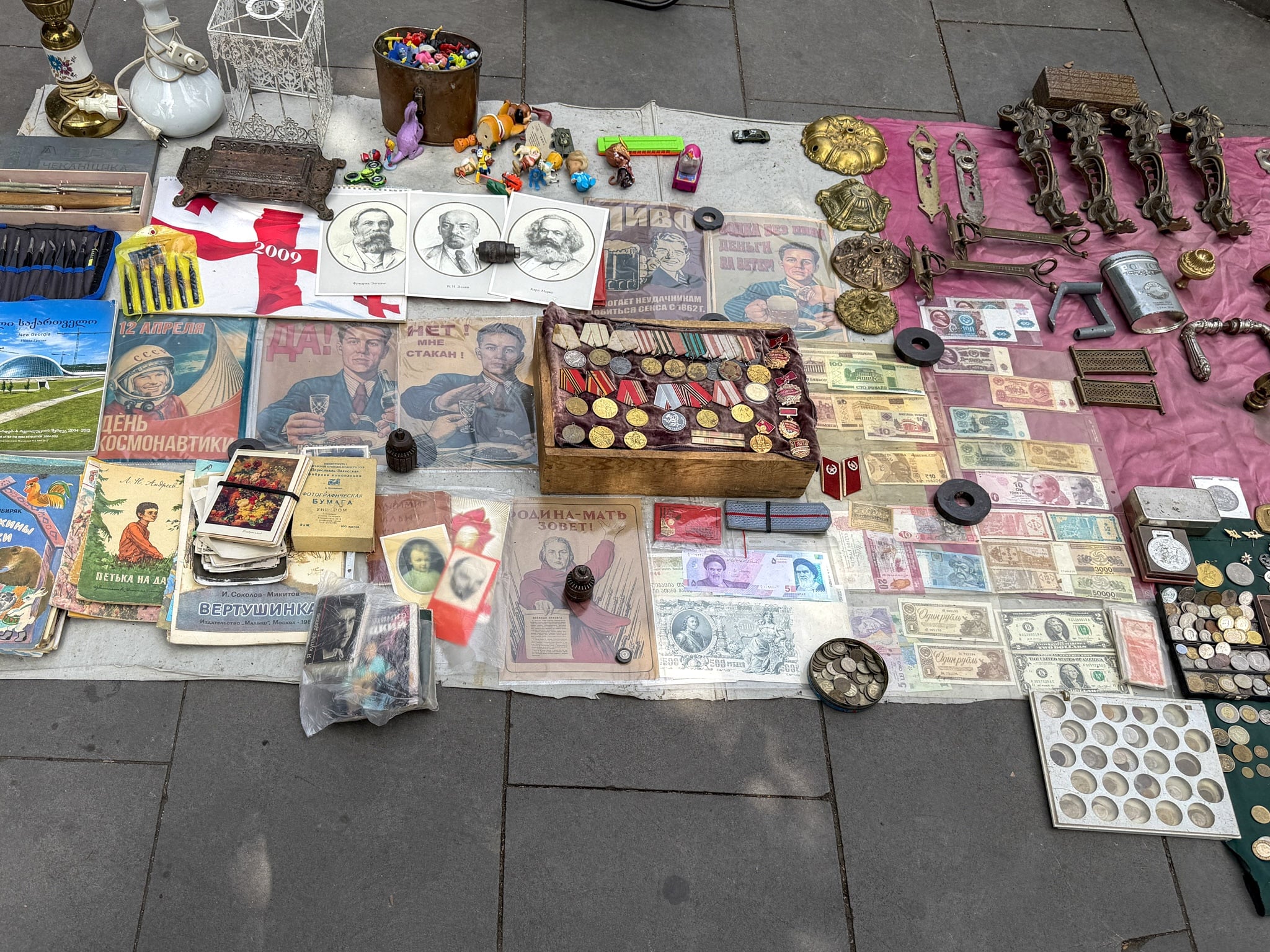
Dry Bridge Flea Market
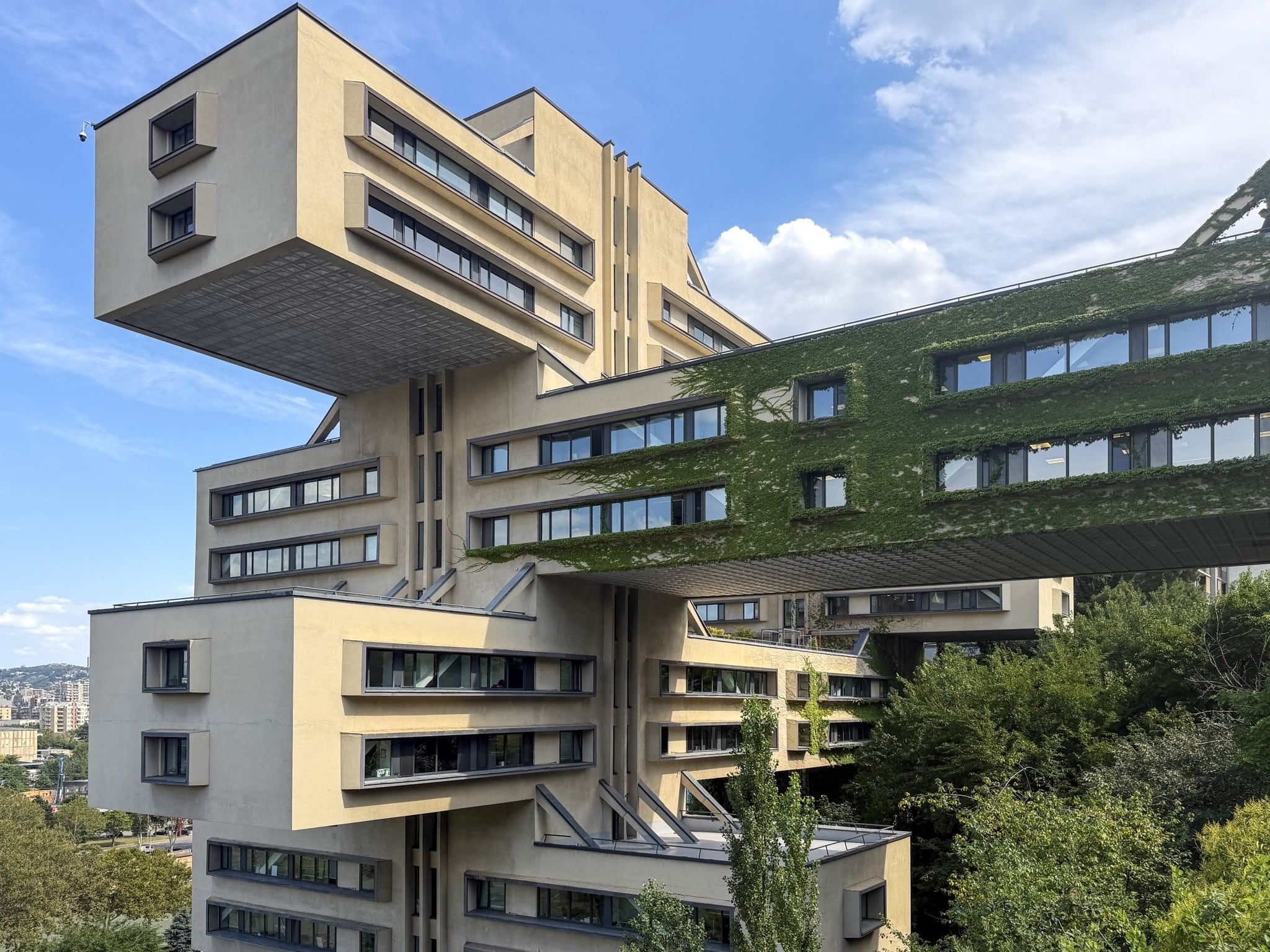
Bank of Georgia
Day 3 in Tbilisi: David Gareja & the Rainbow Mountains
The Day Trip
This one takes the whole day and leaves the city entirely. David Gareja is a cave monastery complex founded in the 6th century, cut into a ridge of dry hills near the border with Azerbaijan, a couple of hours' drive southeast of Tbilisi through increasingly empty, semi-desert landscape. The main complex, Lavra, is still an active monastery, monks living among the same rock-cut cells carved out over a thousand years ago.
From there, a hike leads up and over the ridge to the Rainbow Mountains, striped hillsides in shades of red, orange, and grey, layered by minerals in the rock, an easy walk of around 40 minutes.
You can drive yourself or join an organized tour, which is what I did. I went through the full comparison, along with what the hike actually involves and what to expect at the monastery, in a separate guide to David Gareja and the Rainbow Mountains, worth reading in full before you commit to a self-drive.
Dinner at Shavi Lomi
Back in the city by evening, in time for a booked table. We had a Georgian risotto, beef stewed in a spicy walnut sauce, and kubdari, around 143 GEL for two. Book through their website, linked from their Instagram.
A Drink at Fabrika
A short walk from Shavi Lomi. Fabrika is a converted Soviet-era sewing factory turned into a mix of hostel, co-working space, and shops, and cutting through the building to the back opens onto a narrow lane packed with small bars. I stopped at Tone, casual, young crowd, a good way to close out the trip without planning anything else.
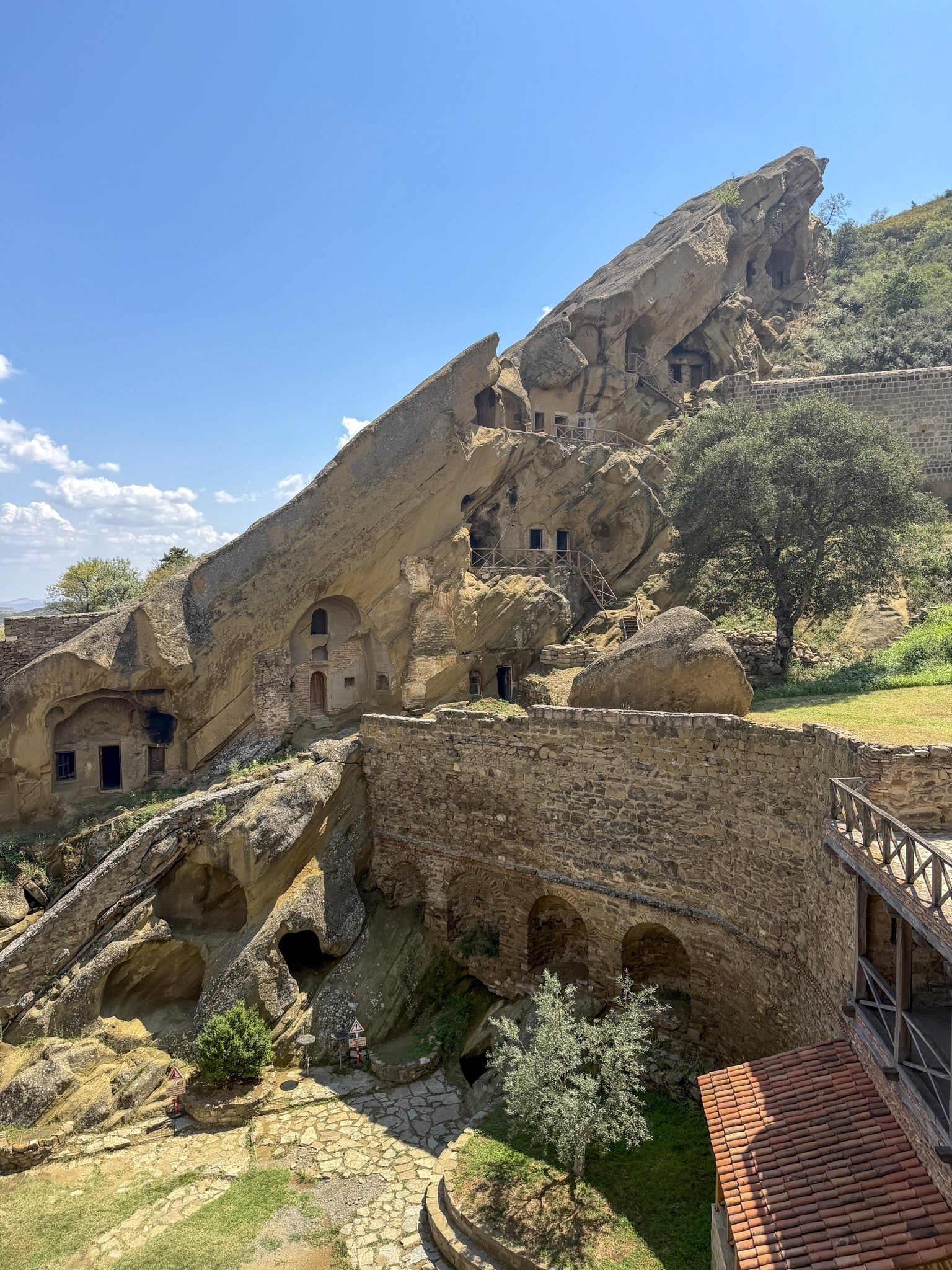
David Gareja Monastery
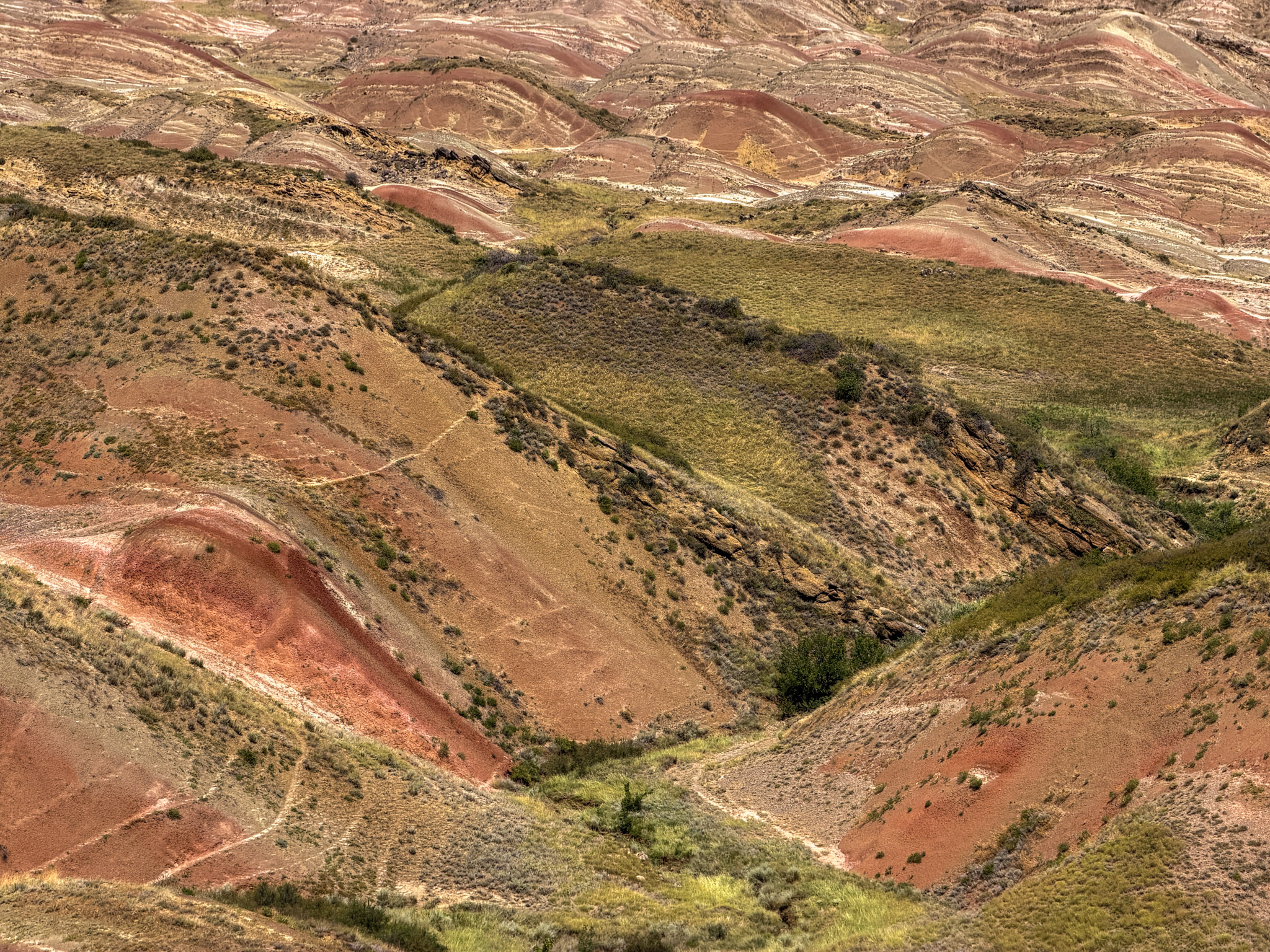
Rainbow Mountain
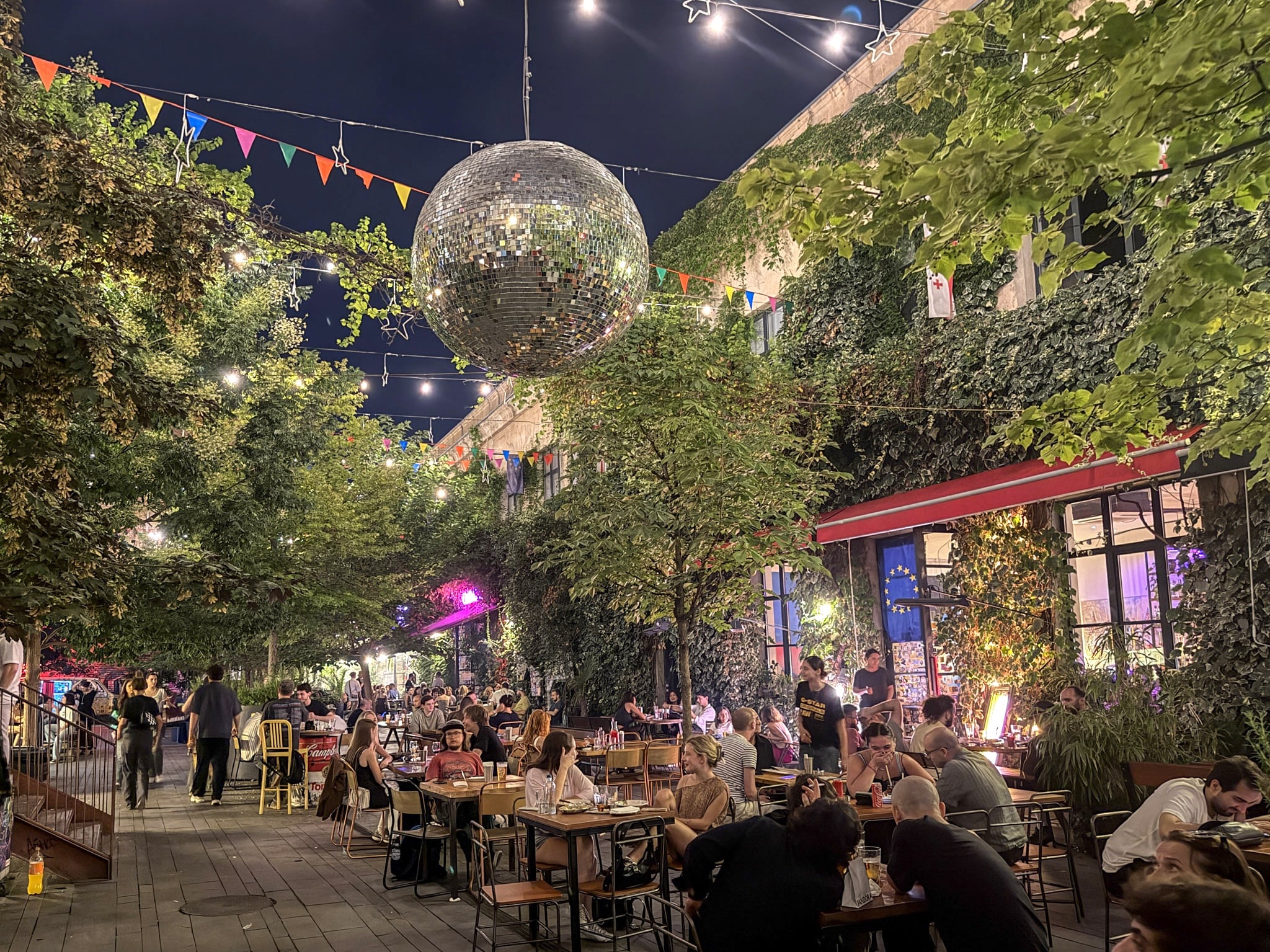
Fabrika
FAQ: Planning Your 3 Days in Tbilisi
How many days do you need in Tbilisi?
Two days covers the essentials if you're tight on time. Three, like this itinerary, is the sweet spot for seeing the city properly without rushing between stops. Four days or more is even better if you want to add one or two day trips outside the city, to Kazbegi, Kakheti's wine region, or Mtskheta, on top of everything here.
Is Tbilisi a walking city, or do you need taxis?
Both, depending on the day. The Old Town, Sololaki, and the areas right around them are close enough to walk. Rustaveli, Vake, and anything further out, like the Chronicle of Georgia, need a Bolt, which is like Uber, so a better and cheaper version of a taxi. Plan for a walking day and a driving day rather than expecting one to cover the whole trip.
How much does a Bolt cost in Tbilisi?
Short rides across the center run around 5 to 10 GEL. Longer trips out to the Chronicle of Georgia, or back from somewhere like Sameba Cathedral, run closer to 15 to 25 GEL. You need a working phone number to sign up for the app, worth doing before you land.
Is Tbilisi hilly? Do I need to be in good shape for this?
Some of it, yes. Old Town and Sololaki have real climbs, especially anywhere near Mother of Georgia or the sulfur baths, but they're short. Nothing here needs hiking gear, just shoes you don't mind on cobblestones.
Do you need to dress a certain way to visit churches in Tbilisi?
Yes, at all the churches and cathedrals on this itinerary. Shoulders and knees covered, and women are expected to cover their heads, though scarves are usually available at the entrance if you forget one. Anchiskati, Sioni, and Sameba all enforce this.
What's the best time of year to visit Tbilisi?
Late spring, May and June, or early fall, September and October, both bring mild weather without the summer heat or winter cold. That said, I visited in the middle of August and found the weather still very pleasant, and the crowds still tame. September has the added bonus of wine harvest season if you're planning to combine Tbilisi with a trip out to Kakheti.
Do restaurants in Tbilisi need reservations?
For the kind of restaurant on this itinerary, yes, especially for dinner on weekends. I booked each one differently, one through a website, one through WhatsApp, noted for each above.
What's the best time of day to visit the Chronicle of Georgia?
Early morning or late afternoon toward sunset, for the same reason either way: fewer people, and light that catches the reliefs on the columns better than flat midday sun does.