From sealed caves to restricted islands and extreme deserts, a research-driven ranking of the world’s least explored places, grounded in scientific sources and access limits.
We started with a simple question: beyond the oceans, which parts of the Earth still sit outside routine human reach?
Satellites, GPS, and global travel have expanded what can be seen, yet first-hand presence remains shaped by heat, depth, terrain, law, and long-standing protection. Using scientific literature, official records, and documented expeditions, this article traces the places where access stays rare, tightly managed, or structurally impossible.
The Unexplored Factor Index (UFI)
To make sense of how unexplored these places really are, we built a simple scoring system called the Unexplored Factor Index, or UFI. Each location was evaluated using three criteria.
Entry scarcity (1-4) considers how often people are physically present at a site, taking into account permits, logistical constraints, technical difficulty, security conditions, and the narrow windows in which work can take place. Coverage gap (1-4) reflects how much of a place has been examined directly, with higher scores given to continuous observation and sampling over isolated visits or remote studies. Restriction level (1-2) captures cases where access is limited by policy, conservation strategy, or ethical choice, regardless of available technology.
Scored together, these factors reveal how uneven first-hand knowledge of the planet in some areas.
1. North Sentinel Island, Andaman and Nicobar, India
Why it remains unexplored: legally enforced isolation built around ethics and non contact.
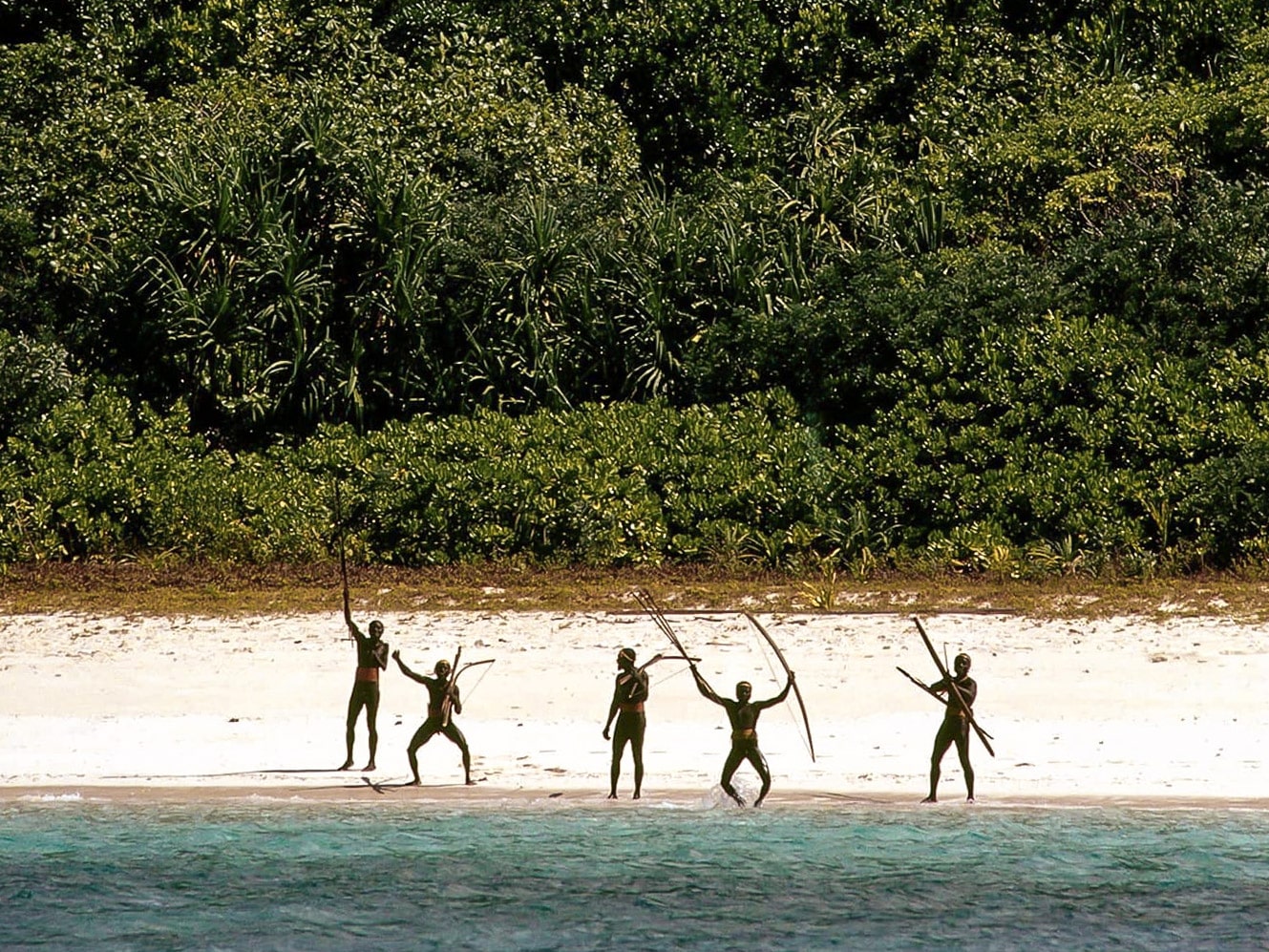
North Sentinel Island sits in the Bay of Bengal, west of the Andaman Islands, as a forested landmass ringed by coral reefs and shallow waters that already complicate navigation before law or ethics enter the picture. Administratively, it belongs to India’s Andaman and Nicobar archipelago, though in practice it functions as one of the most tightly sealed human spaces on the planet.
What makes North Sentinel genuinely unexplored has little to do with technological limits and everything to do with deliberate restraint. The Indian state has drawn a hard perimeter around the island, extending well beyond the shoreline. As stated in an official release by the Press Information Bureau, “the entire North Sentinel Island along with 5 km coastal sea from high water mark is notified as tribal reserve,” a designation that removes the possibility of approach, landing, or observation beyond remote means.
That legal buffer is enforced through a regulatory framework that predates modern satellite surveillance and has remained intact through decades of policy shifts. The Andaman and Nicobar Islands Protection of Aboriginal Tribes Regulation establishes the rule in plain language, specifying that “No person other than a member of an aboriginal tribe shall enter or remain in a reserved area.”
The rigidity of this stance has been reinforced by a small number of widely reported incidents involving outsiders who attempted contact despite the prohibition. In 2006, two fishermen who drifted into the restricted zone were killed after their boat ran aground near the island’s shore. More than a decade later, in 2018, an American national reached the island illegally by boat and was killed shortly after landing.
As a result, contemporary knowledge about North Sentinel relies almost entirely on indirect observation, aerial imagery, satellite data, and rare long-distance encounters from passing vessels form the bulk of the available record. There is no verified modern dataset describing its interior ecology, no systematic mapping of settlement patterns, and no biological inventory comparable to those produced for other protected islands. In practical terms, this means the island remains outside the reach of the very scientific tools usually deployed to understand isolated human or natural systems.
UFI score: 10
Entry scarcity 4 (no legal landings, access formally barred)
Coverage gap 4 (no in situ sampling, only remote observation)
Restriction level 2 (explicit prohibition in regulation and reserve status)
2. Subglacial Lake Whillans, West Antarctica
Why direct exploration remains minimal: physical access exists only through a single, tightly controlled intervention beneath hundreds of meters of ice.
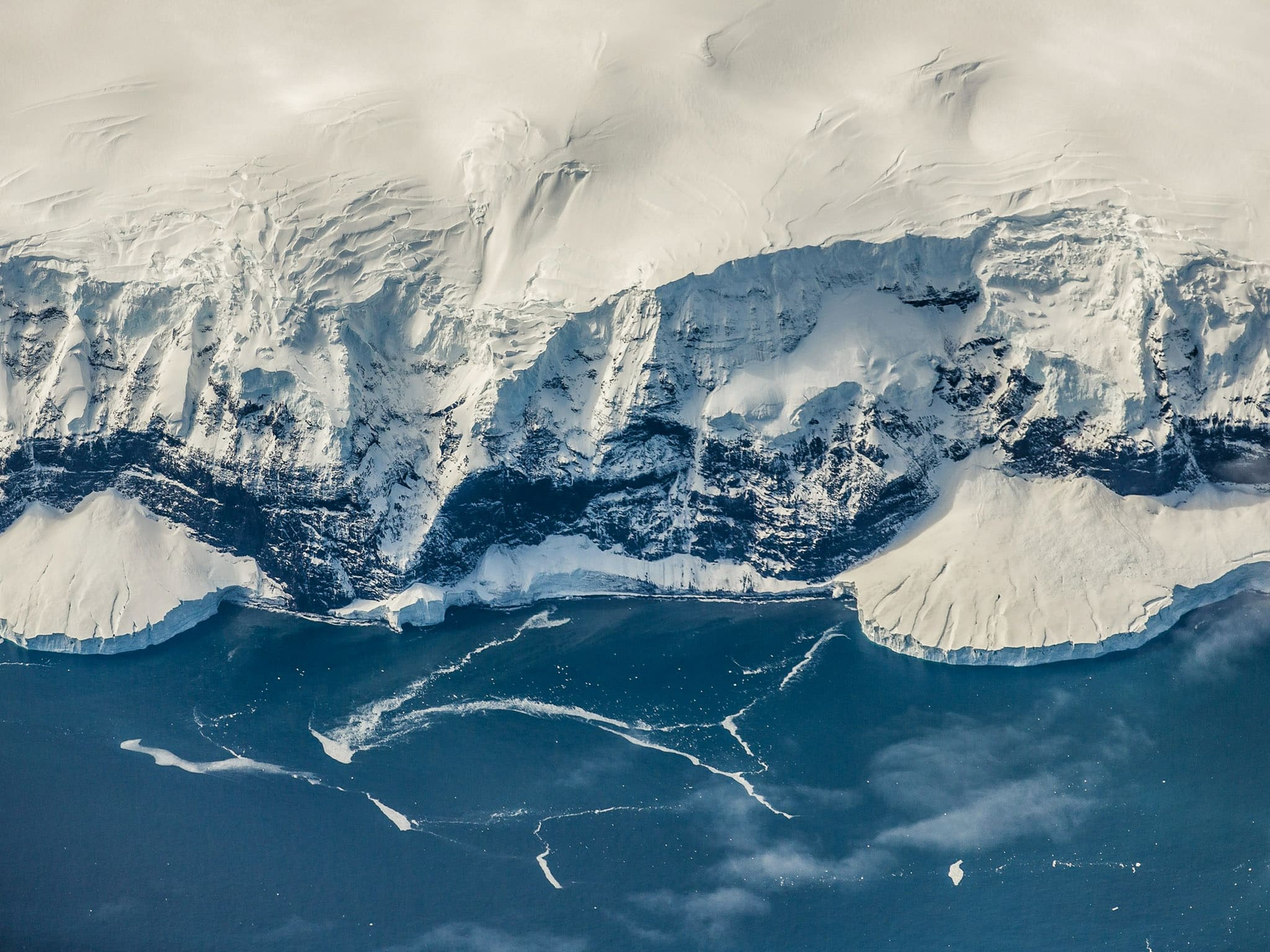
Subglacial Lake Whillans lies buried under roughly 800 meters of ice in West Antarctica, beneath the Whillans Ice Stream, a fast-moving corridor that channels ice toward the Ross Ice Shelf. Unlike surface lakes mapped and revisited over time, Whillans exists as part of a concealed network beneath the Antarctic Ice Sheet, where water, sediment, and ice interact out of sight and on glacial timescales.
For decades, the lake was known only indirectly. Radar and seismic surveys hinted at liquid water trapped beneath the ice, but no one had ever touched it. That changed in late January 2013, when researchers used clean hot-water drilling to melt a narrow borehole through the ice and reach the lake below. The access window was brief and deliberately constrained. As NASA’s Astrobiology program reported, “microbes have been discovered in the first sampling of a subglacial lake in Antarctica, revealing a new and unexpected ecosystem. The finding suggests a possible way for life to survive in the oceans of the outer Solar System moons Europa and Enceladus.”
The scientific payoff of that short encounter was immediate. Instruments lowered through the borehole confirmed the presence of active microbial life, reshaping assumptions about habitability in dark, cold, and isolated environments. At the same time, the encounter underscored how limited direct knowledge remains. One access point, one short campaign, and one set of samples stand in for an entire lake system embedded in a continent-scale ice sheet.
What scientists understand about Lake Whillans today comes from a hybrid record. A few days of direct measurements are combined with years of remote sensing, geophysical modeling, and inference. The lake has been entered, sampled, and confirmed as uniquely biologically active, yet it remains largely uncharacterized in spatial and temporal terms, with most of its dynamics inferred rather than observed.
UFI score: 9
Entry scarcity 3 (single clean-access drilling event through one borehole)
Coverage gap 4 (entire lake system represented by one short sampling window)
Restriction level 2 (strict sterility requirements and environmental stewardship limit repeat access)
3. Bouvet Island, South Atlantic Ocean
First-hand study remains scarce because: extreme remoteness and hostile landing conditions.
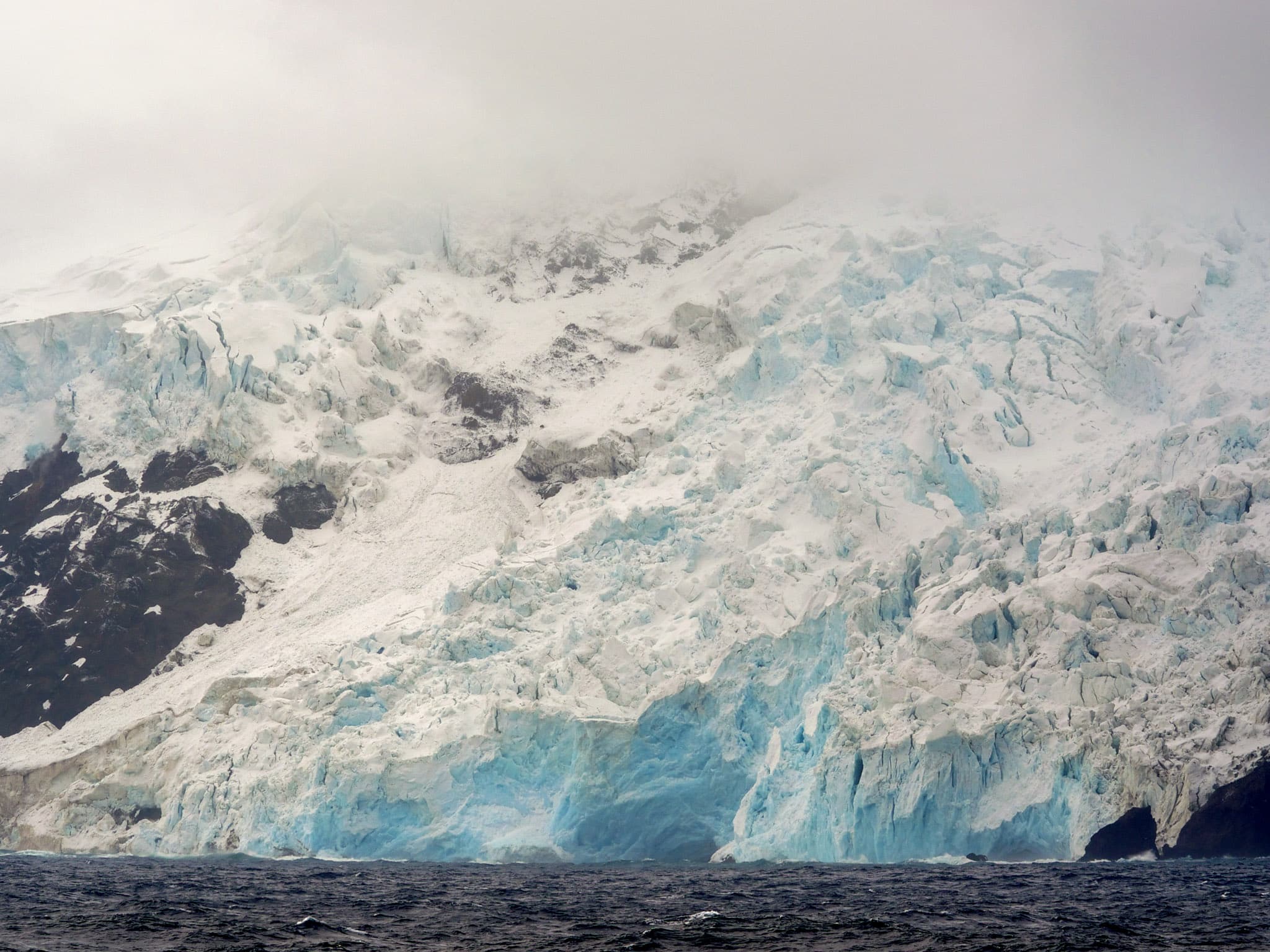
Bouvet Island rises from the South Atlantic Ocean as a small, ice-covered volcanic island located far from any continental landmass, roughly midway between Antarctica and southern Africa. It is administered by Norway as a nature reserve, with no permanent population and no infrastructure beyond temporary scientific installations during infrequent expeditions.
The island’s physical makeup sets immediate limits on exploration. The Norwegian Polar Institute describes Bouvet as “one of the most isolated islands in the world,” noting that “89% of the island is covered by glaciers.” In practical terms, that leaves very little terrain where repeated landings, overland movement, or systematic ground surveys can take place. Most of the surface remains inaccessible to routine fieldwork, even when weather allows approach.
NASA’s Earth Observatory places the island in stark geographic context, stating that “Bouvet Island is known as the most remote island in the world” with Antarctica, more than 1,600 kilometers to the south, as the nearest landmass. Any expedition operates at the end of a long logistical chain, with no alternative ports, limited rescue options, and narrow weather windows that dictate how long researchers can stay ashore.
When landings do occur, activity is concentrated along a small, relatively ice-free stretch of coast. Beyond that narrow zone, the island’s interior remains largely untraversed, with scientific understanding drawn mostly from satellite imagery and aerial observation rather than sustained presence on the ground.
UFI score: 8
Entry scarcity 4 (very few documented landings and no permanent presence)
Coverage gap 3 (interior largely unvisited, research concentrated near landing points)
Restriction level 1 (protected status and operational constraints limit access)
4. Movile Cave, Romania
Why direct investigation remains limited: hazardous air and a sealed ecosystem.
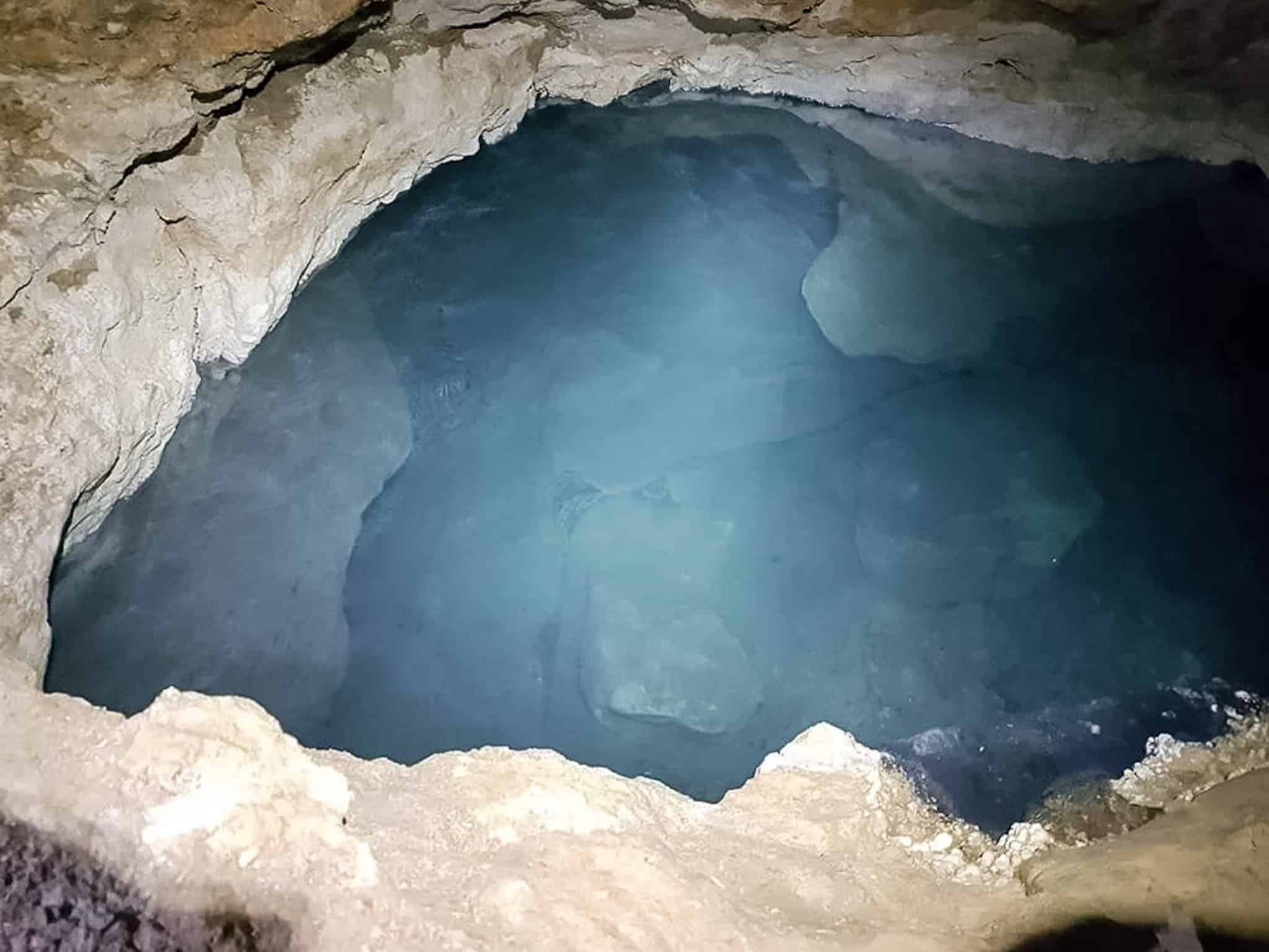
Movile Cave lies near the city of Mangalia in southeastern Romania, hidden beneath a flat, unremarkable landscape that gives no hint of what exists below. Discovered accidentally in 1986 during construction work, the cave has since become one of the most studied yet carefully guarded subterranean environments in the world, not because of its size, but because of how life operates inside it.
Unlike most cave systems, Movile is not sustained by organic matter filtering down from the surface. Its ecosystem is sealed, isolated from sunlight, and driven by chemosynthesis. The cave atmosphere contains high levels of carbon dioxide and hydrogen sulfide, with oxygen concentrations low enough to make prolonged human presence dangerous. These conditions have shaped every aspect of exploration, from access protocols to the pace and scope of scientific work.
The biological significance of the cave lies in how life persists under these constraints. As described on UNESCO’s tentative World Heritage listing, “despite the apparently life-incompatible conditions, the aquifer represents the habitat where an astonishingly diverse community of organisms thrives.” That diversity is built on microbial communities that convert chemical energy into biomass, forming the base of a food web that evolved in isolation.
Because of this fragility, entry is tightly controlled. Sampling is selective, visits are limited, and contamination risk dictates how often researchers can return to the same chambers. Entire niches remain lightly explored because repeated disturbance could irreversibly alter the system. The cave is therefore known in depth biologically, yet incomplete spatially, with large portions documented only in outline.
Movile’s importance extends beyond Earth. A peer-reviewed review of its microbiology notes that “knowing how life operates in subterranean environments may also aid missions focusing on life detection in extraterrestrial subsurfaces.” The cave functions as a natural analogue for environments where sunlight never reaches, offering rare insight into how life might persist elsewhere in the solar system.
UFI score: 7
Entry scarcity 3 (researcher access is restricted and tightly managed)
Coverage gap 3 (many ecological niches remain lightly sampled)
Restriction level 1 (controlled access to prevent contamination)
5. Paektu Mountain Caldera, North Korea and China
Why sustained fieldwork remains constrained: geopolitical boundaries and permitting shape what scientists can observe.
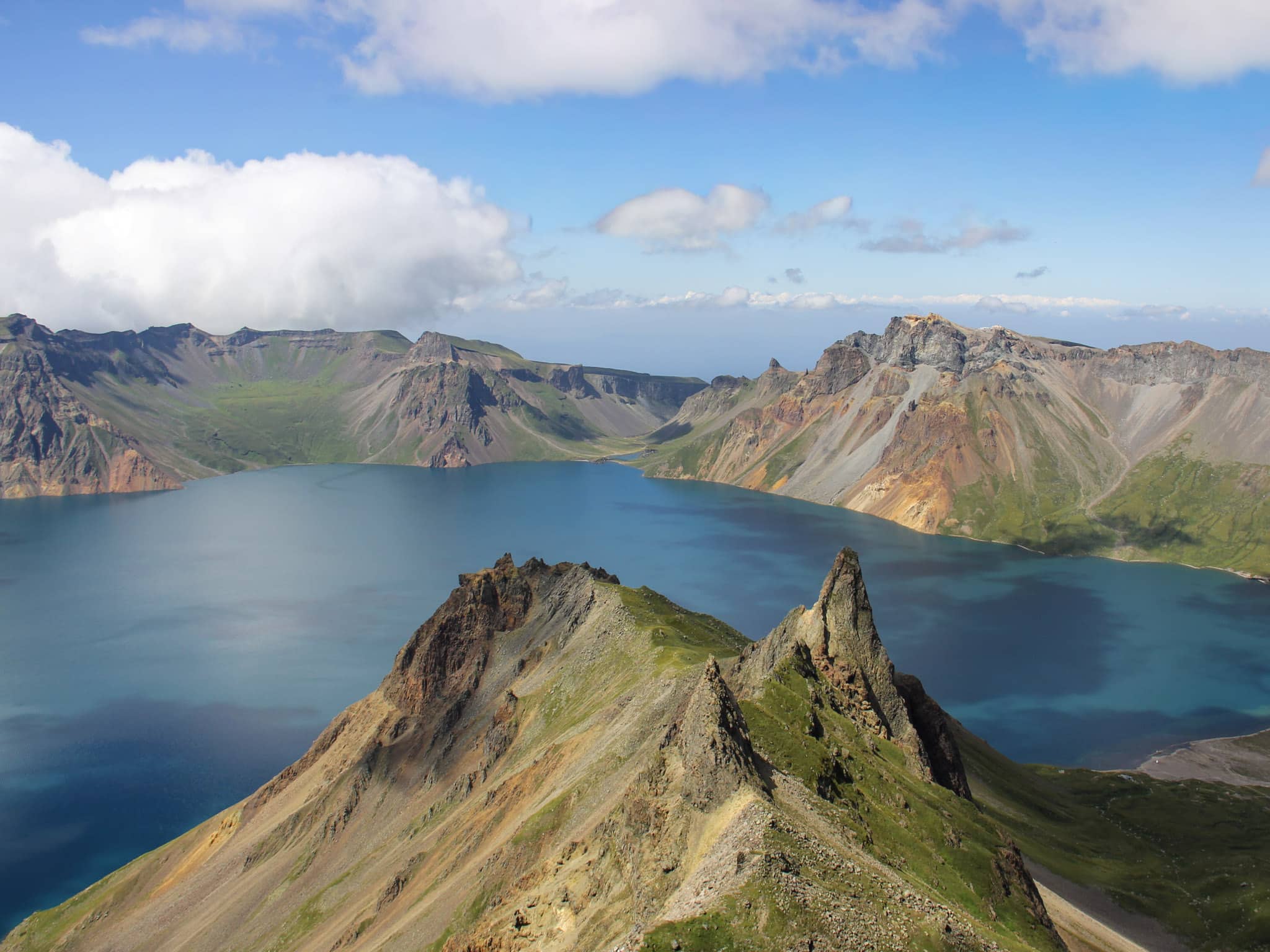
Paektu Mountain rises along the border between North Korea and China, forming a massive stratovolcano crowned by a broad summit caldera filled by a deep crater lake. Known as Changbaishan on the Chinese side and Baekdu on the Korean side, it is both a cultural symbol and a geological system with the potential to affect millions of people living around it.
From a volcanological standpoint, Paektu’s importance lies beneath the surface. The caldera and the magma plumbing system below it represent one of the least directly studied large volcanic systems in East Asia. Access to the area is possible, but uneven. Research permissions, border controls, and diplomatic constraints determine where scientists can go, how long they can stay, and which instruments they are allowed to deploy.
A study published in Nature Geoscience states plainly that “Direct access to the volcano is limited by political restrictions, so much of what we know comes from geophysical observations rather than direct sampling.” Seismic imaging, ground deformation data, and remote sensing have filled in part of the picture, but the structure and behavior of the magma system remain inferred rather than observed. The British Geological Survey, summarizing joint research efforts between China and North Korea, describes Paektu as “one of the most potentially hazardous volcanoes in the region, yet remains poorly understood due to limited access”. Paektu is visible, monitored, and recognized as a significant risk, yet still only partially accessible for the kind of subsurface investigation that would normally underpin hazard assessment.
Core drilling, extensive subsurface sampling, and repeated long-term deployments have not occurred at the scale seen in more accessible volcanic regions. The caldera is therefore well known in outline and poorly known in depth.
UFI score: 7
Entry scarcity 3 (international access restricted by permitting and geopolitics)
Coverage gap 3 (volcanic plumbing system largely inferred, not directly sampled)
Restriction level 2 (administrative and political constraints on research)
6. Surtsey, Iceland
Why studies and data are limited: the island is preserved as a controlled experiment.
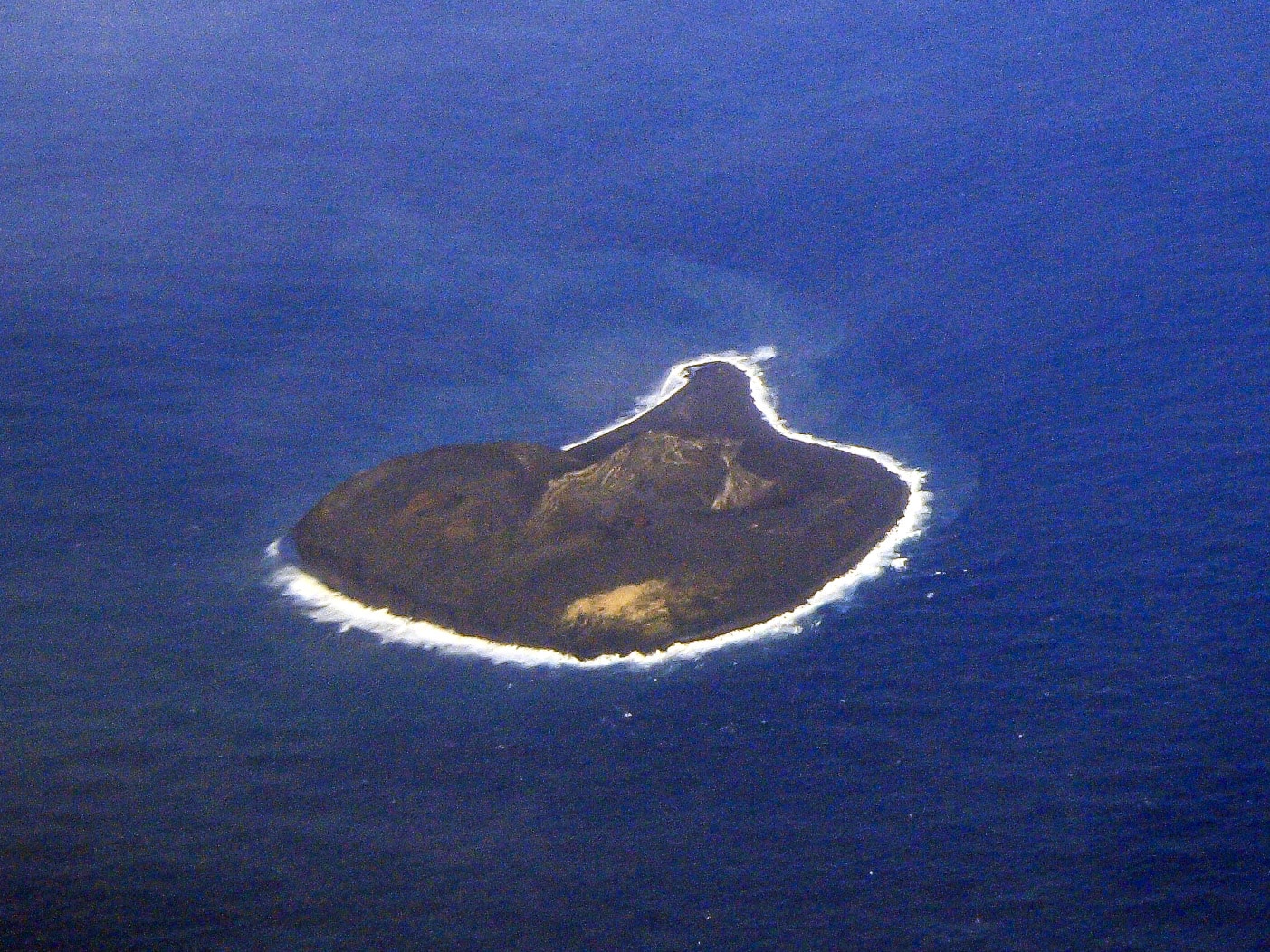
Surtsey sits off Iceland’s southern coast, a volcanic island born suddenly in 1963 after an undersea eruption broke the surface of the North Atlantic. Unlike most landmasses shaped over millennia, Surtsey entered the world within living memory, forming before the eyes of scientists who immediately grasped what had just happened.
From the beginning, the island was treated less as territory and more as an opportunity. As Atlas Obscura notes, “scientists recognized that Surtsey offered a unique opportunity to observe the infancy of a new volcanic island.” Surtsey was a rare chance to watch how life establishes itself from scratch, without inherited soils, seeds, or human interference. That scientific value is the reason Surtsey remains largely unexplored in the conventional sense. Human presence was identified early on as a variable that needed to be removed. Over time, this approach hardened into policy. The island was closed to the public, and access was restricted to a small number of permitted researchers working under strict protocols.
UNESCO’s World Heritage listing makes that intention explicit, stating that “The purpose of strictly prohibiting visits to Surtsey is to ensure that colonisation by plants and animals… will be as natural as possible.” The ban is enforced precisely to prevent contamination, accidental species introduction, or physical disturbance that could alter the long-term trajectory scientists are trying to document.
As a result, Surtsey is exceptionally well known in theory and tightly constrained in practice. Its geology has been mostly mapped, its biological succession recorded, yet most people will never set foot on it. Even researchers experience the island briefly and under supervision.
UFI score: 6
Entry scarcity 2 (access limited to a small number of permitted scientific visits)
Coverage gap 2 (well studied, but direct human presence intentionally minimized)
Restriction level 2 (strict prohibition enforced for conservation purposes)
7. Ilha da Queimada Grande (Snake Island), Brazil
Why systematic fieldwork remains limited: legal prohibition and biological risk.
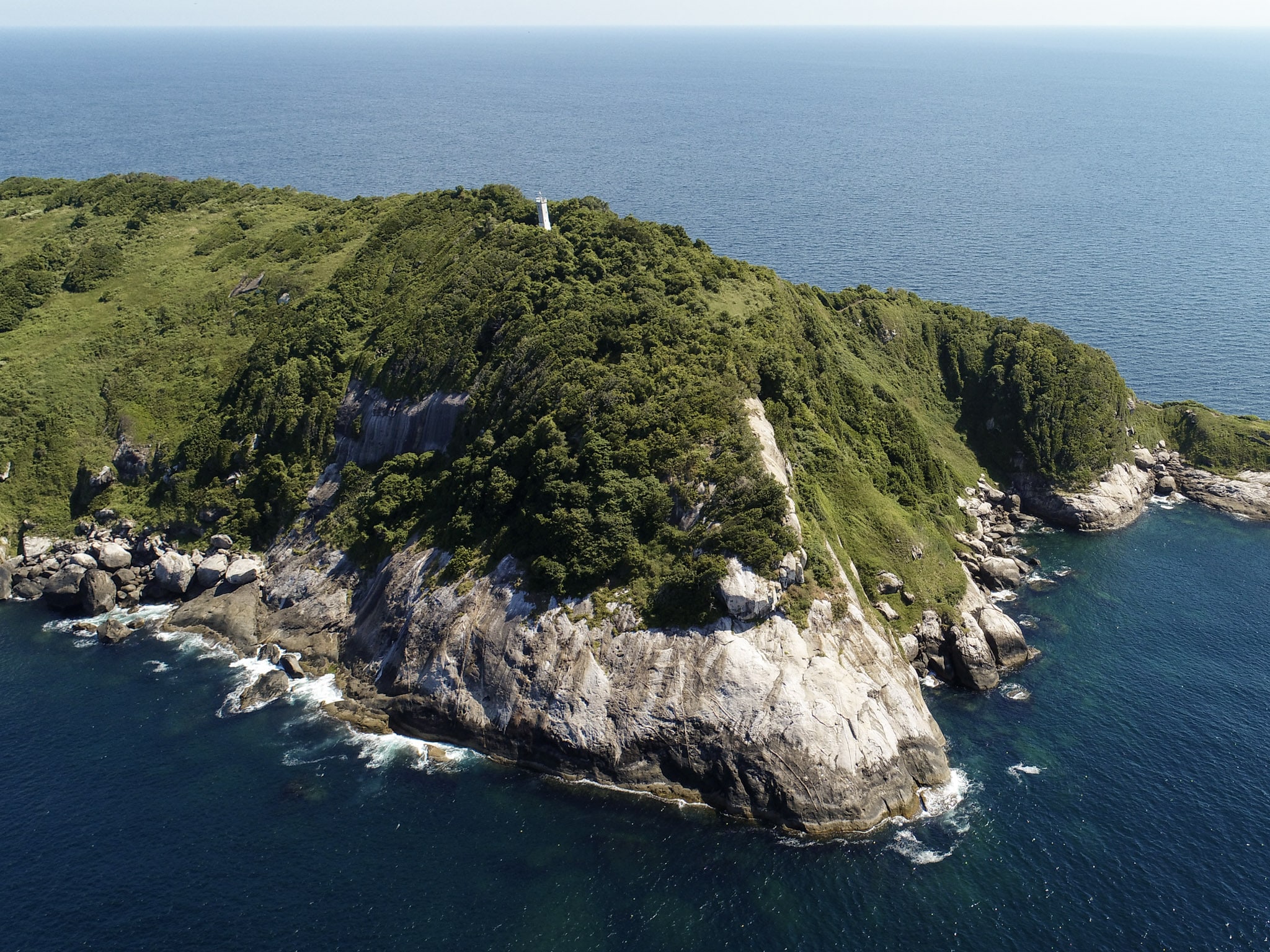
Ilha da Queimada Grande occupies a particular niche among unexplored places. It lies off the coast of São Paulo state, a small Atlantic island separated from mainland Brazil by a narrow but treacherous stretch of sea. From a distance it looks unremarkable. Up close, it is one of the most tightly controlled natural sites in the country, not for geopolitical reasons, but because of what lives on it.
The island is the only known habitat of the golden lancehead viper, a venomous snake species that evolved in isolation after rising sea levels cut the island off from the mainland. For this reason, human access is formally restricted. As stated in Brazilian media, “Ilha da Queimada Grande is uninhabited and access is prohibited, being restricted to authorized scientists and the Brazilian Navy”.
An episode pushed the island back into the global conversation when, in 2023, YouTuber Lord Miles gained notoriety after evading Brazilian authorities and landing on the island, filming what he could before leaving.
The combination of legal restriction and biological hazard limits how research unfolds. Scientific work on the island exists, but it is narrow in scope, focusing primarily on the golden lancehead itself, particularly its venom and evolutionary history. Visits are rare, short, and purpose-driven. Large-scale ecological mapping, repeated seasonal surveys, or long-term monitoring programs are difficult to justify and harder to execute under these conditions. As a result, the snake is well documented, but the island as a system is not.
UFI score: 6
Entry scarcity 4 (public access banned, scientific entry tightly controlled)
Coverage gap 1 (research concentrated on a single species rather than the full ecosystem)
Restriction level 1 (formal access prohibition enforced by authorities)
8. Lechuguilla Cave, Carlsbad Caverns National Park, USA
Why full exploration is incomplete: controlled access and sheer scale slow any underground progress.
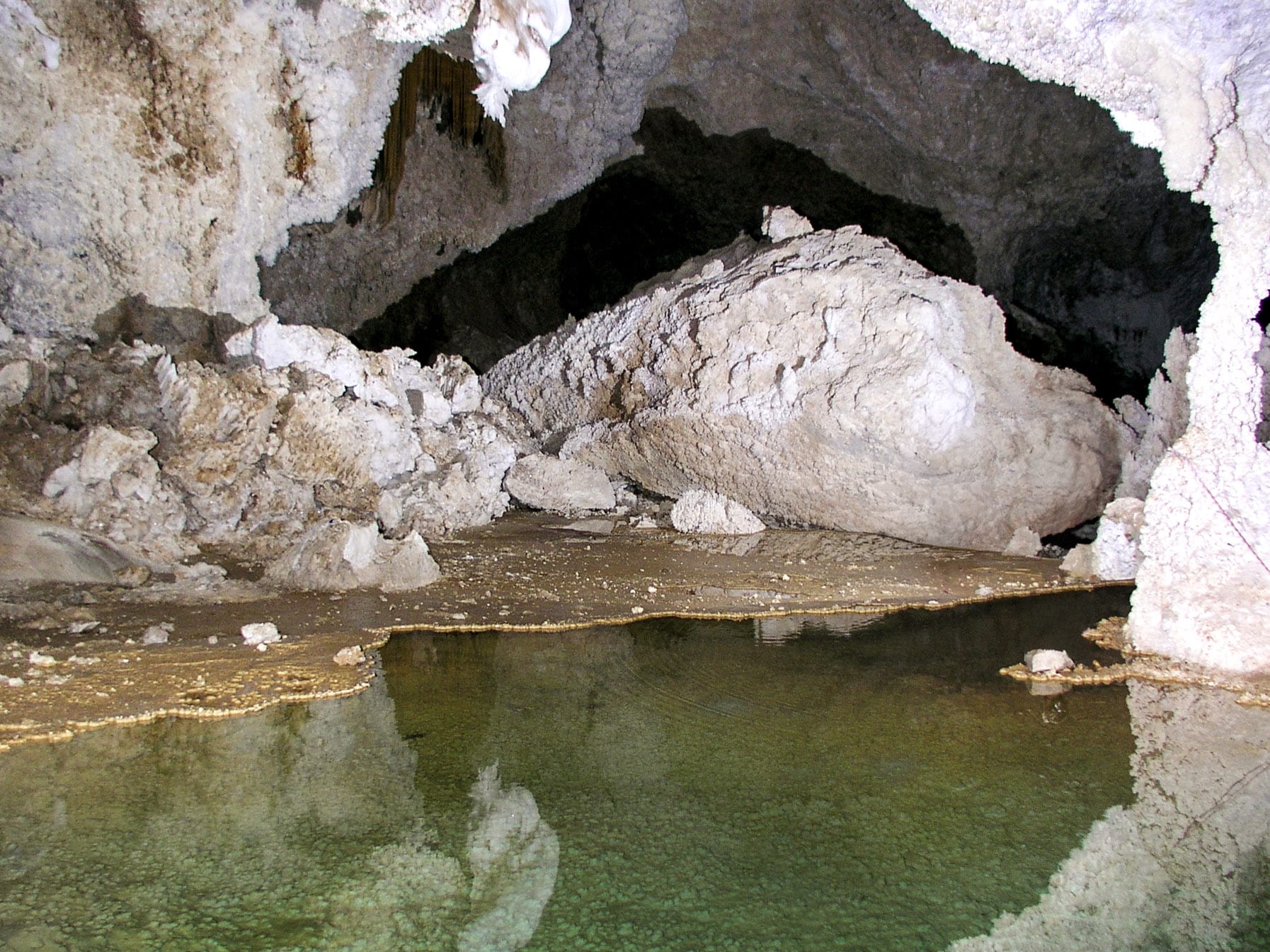
Lechuguilla Cave lies beneath the Guadalupe Mountains in southeastern New Mexico, hidden within Carlsbad Caverns National Park. From the surface, nothing signals what exists below. There is no obvious hint that one of the most extensive cave systems on Earth continues to grow downward and outward in darkness.
Modern exploration of Lechuguilla began late. As New Mexico Magazine recounts, “explorers began to plumb the depths of Lechuguilla, the largest known cave in Carlsbad Caverns National Park, in 1986, half a century after the first mapping of the Big Room”. What followed was not a steady accumulation of discoveries, each one opening new branches. The same account notes that so far, they have documented “more than 150 miles of tangled, subterranean passages but have yet to find its limits” meaning that even decades of focused effort have not reached an endpoint.
The National Park Service treats Lechuguilla as a fragile system where human presence must be justified and controlled. Its current policy states that “access to the cave is limited to approved scientific researchers, survey and exploration teams, and NPS management-related trips”. This restriction shapes the rhythm of discovery, as trips are planned months in advance, teams are small, and time underground is finite.
Exploration proceeds section by section, often through narrow squeezes and vertical drops, with mapping and documentation advancing only as fast as safety and conservation allow. Every mile added to the survey represents weeks of preparation and years of cumulative effort. In the end, Lechuguilla remains unexplored in the way deep systems often do.
UFI score: 5
Entry scarcity 2 (access restricted to approved research and management teams)
Coverage gap 2 (extensive mapping exists, but new passages continue to emerge)
Restriction level 1 (permit system limits frequency and scale of exploration)
9. Veryovkina Cave, Georgia
Why its limits remain unresolved: extreme depth and flooding hazards slow progress to a crawl.
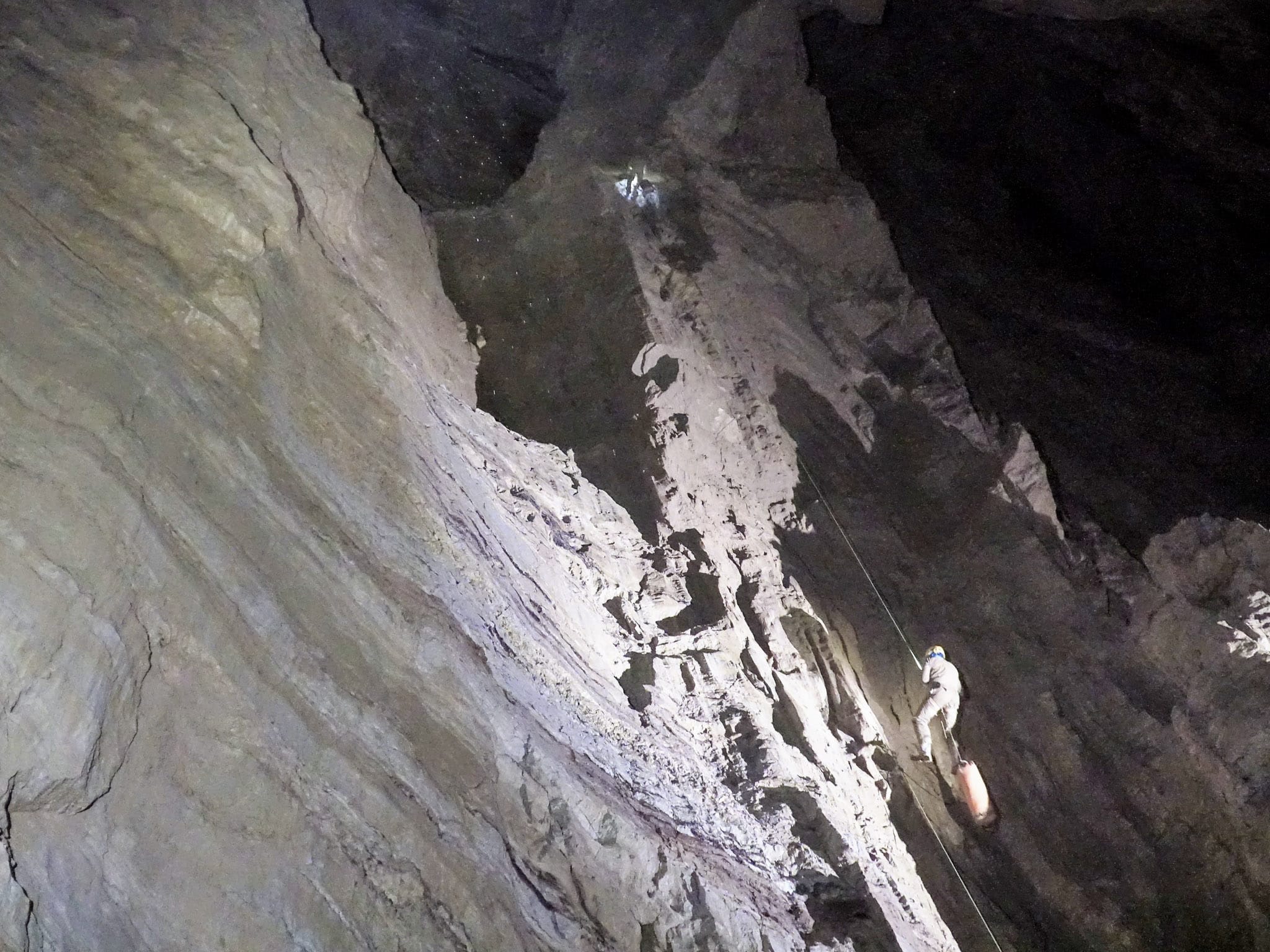
Veryovkina Cave opens in the Arabika Massif of Abkhazia, a limestone plateau overlooking the eastern Black Sea. From the surface, the landscape gives little away. Below it unfolds a vertical world defined by shafts, narrow passages, and water-filled chambers that push human endurance and logistics to their edge.
The cave’s reputation rests on depth, but depth alone does not explain why exploration proceeds so slowly. As National Geographic reports, Veryovkina was named "the world’s deepest cave” after an expedition in March 2018 in which Demidov and his comrades had reached a terminal sump at the water table—a depth of 7,257 feet (2,212 meters). Each additional meter requires days of rigging, descent, and staged camps, turning progress into a high-risk, incremental process.
Reaching those depths is only part of the challenge. The terminal sump marks not a neat endpoint but a barrier shaped by water. Flooding can cut off exits, trap teams underground, and erase weeks of preparation in a single event. Exploration windows depend on seasonal conditions and precise timing, and even then, success is provisional.
As a result, mapping advances in fragments. New passages are discovered, surveyed, and sometimes rendered inaccessible again by changing water levels. The cave’s profile continues to shift, with depth records updated only as conditions allow.
UFI score: 5
Entry scarcity 2 (expeditions occur but are few and highly technical)
Coverage gap 3 (new passages and depth limits continue to change)
Restriction level 0 (no formal prohibition, limits imposed by conditions)
10. Erta Ale lava lake, Ethiopia
Continuous on-site study is limited due to: extreme heat, remoteness, and instability.
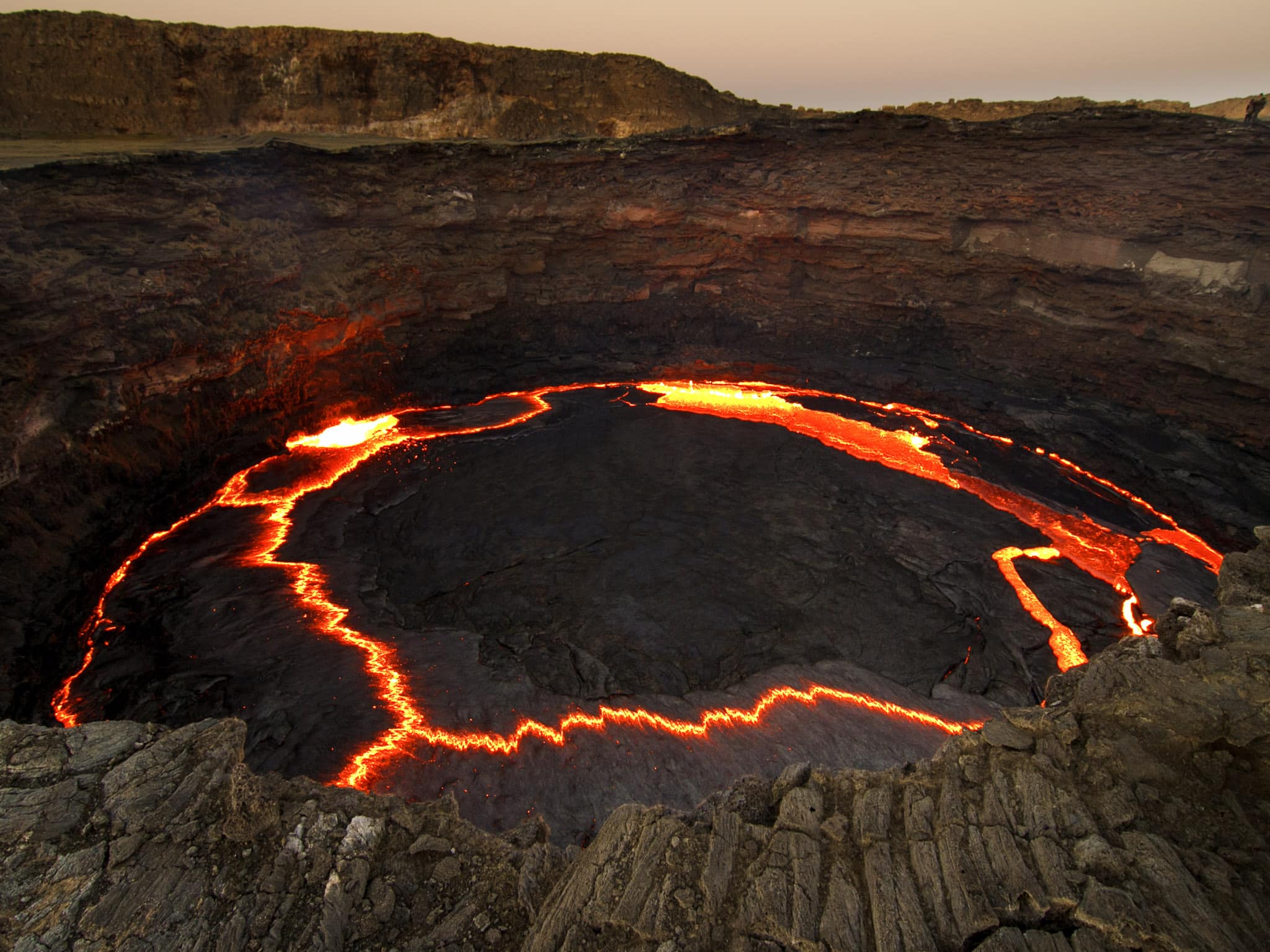
Erta Ale rises from the Afar Depression in northeastern Ethiopia, a volcanic landscape shaped by tectonic divergence and intense geothermal activity. The volcano sits within one of the most geologically active regions on Earth, where the African continent is slowly pulling apart, exposing magma close to the surface.
A persistent lava lake is a very rare feature. The U.S. Geological Survey describes Erta Ale as a place that “hosts one of the few long-lived lava lakes on Earth” a characteristic that makes it a key site for understanding magma circulation and volcanic degassing. That same feature, however, also defines the limits of direct study.
Fieldwork at Erta Ale is shaped by environmental extremes. Surface temperatures are high, volcanic gases are present at hazardous levels, and the surrounding desert offers little logistical support. These conditions compress research into short, carefully planned visits. A peer-reviewed volcanology study confirms that “field observations at Erta Ale are sporadic due to the extreme environmental conditions and logistical difficulties of accessing the volcano” a pattern reflected across decades of published work.
As a result, much of what scientists know about the lava lake comes from snapshots, satellite data, thermal imaging, and brief ground-based measurements. The volcano is known, visited, and mapped, yet it resists the kind of sustained, close-range monitoring that would normally accompany a site of its importance.
UFI score: 4
Entry scarcity 2 (field visits possible but infrequent and short-lived)
Coverage gap 2 (lava lake dynamics sampled episodically rather than continuously)
Restriction level 0 (no formal prohibition, access limited by conditions)
11. Rub’ al Khali, Arabian Peninsula
Exploration remains limited due to: scale, heat, and logistical isolation
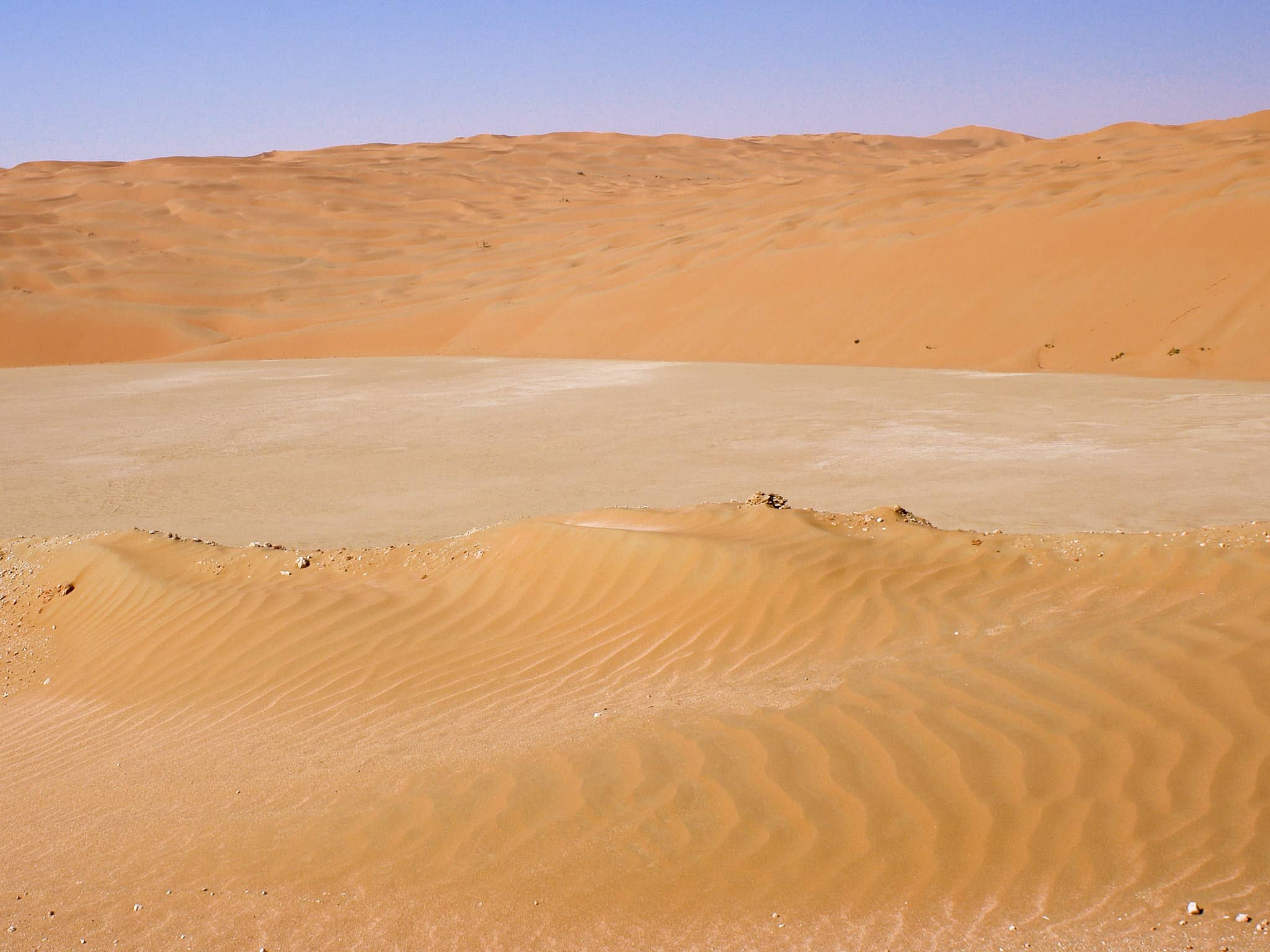
The Rub’ al Khali, known in English as the Empty Quarter, stretches across the southern Arabian Peninsula, covering parts of Saudi Arabia, Oman, the United Arab Emirates, and Yemen. It is the largest continuous sand desert on Earth, a landscape defined not by landmarks but by distance, repetition, and an absence of permanent settlement.
Scientific interest in the Rub’ al Khali has focused on climate history, dune dynamics, and buried paleolakes that hint at wetter phases in the region’s past. These discoveries have been pieced together from isolated sampling sites but there's no comprehensive coverage.
Its size alone complicates exploration. The desert covers approximately 650,000 square kilometers, an area large enough to absorb expeditions without ever revealing a coherent interior picture. While edges and transit routes have been crossed for centuries, large sections of the desert remain far from any road, water source, or logistical support. Fieldwork tends to cluster along margins, leaving the deep interior comparatively untouched.
Environmental conditions impose further limits. NASA’s Earth Observatory describes conditions in unambiguous terms, mentioning that “the absence of rainfall and the scarcity of vegetation make this area uninhabitable, even by pastoral nomads” adding that Bedouin groups living along the desert’s edges “dare not enter the region during the summer when temperatures soar above 122°F (50°C) during the day and drop below 32°F (0°C) at night.” The physical structure of the desert compounds the problem. According to the same source, “sand dunes, whose average height is almost 660 feet (200 meters), can rise more than 1000 feet (330 meters)” creating a terrain that shifts constantly and resists overland travel. The result is a region that is visible from space and outlined on maps, yet unevenly understood on the ground. NASA’s assessment concludes that “so difficult is this desert for humans to penetrate, much of the region remains unexplored.”
UFI score: 3
Entry scarcity 1 (expeditions occur but are limited to specific routes)
Coverage gap 2 (vast interior remains sparsely sampled)
Restriction level 0 (no formal access prohibition)
12. Dallol geothermal field, Ethiopia
Why scientific coverage is uneven: chemical extremity and security constraints.
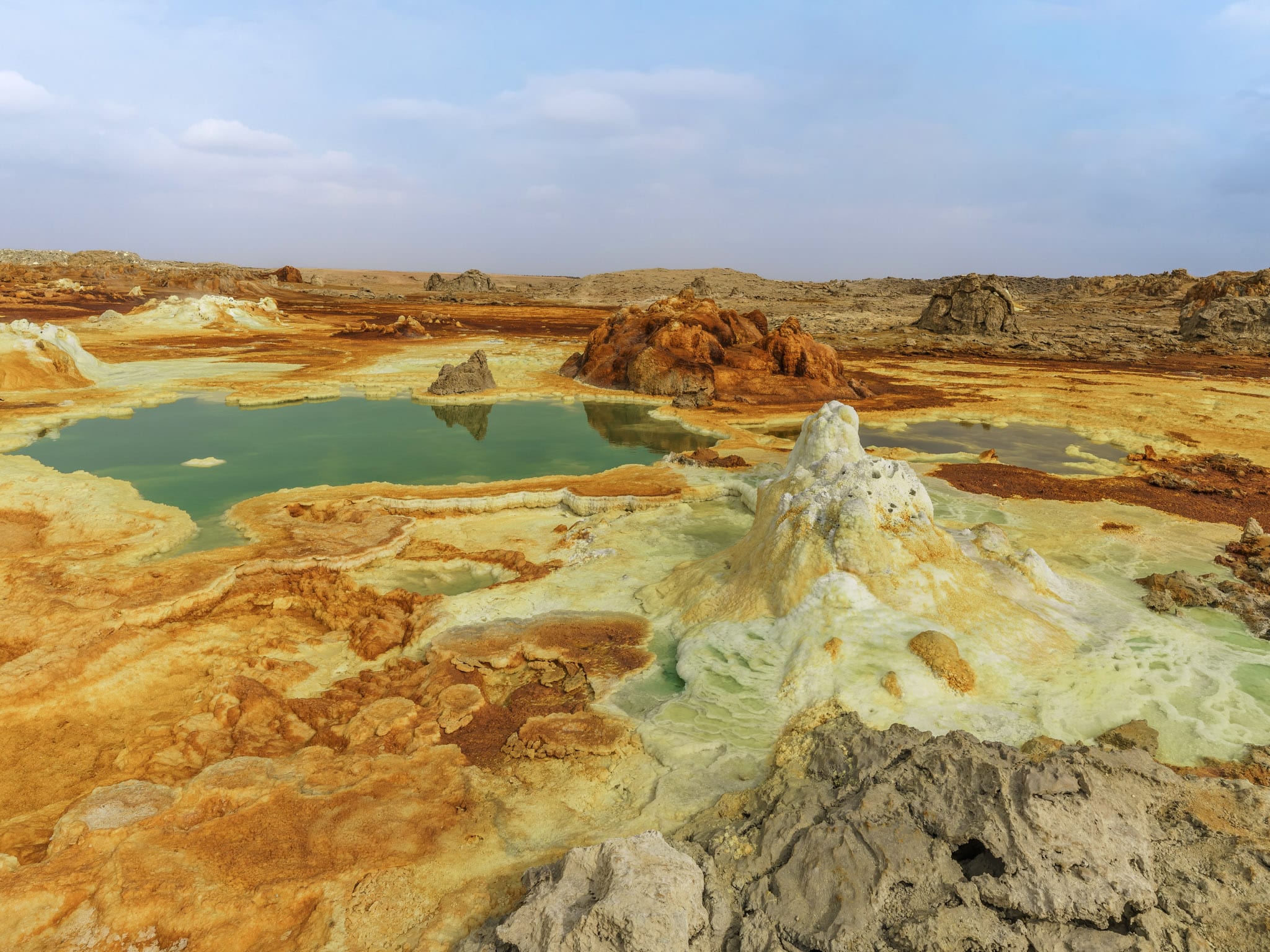
The Dallol geothermal field lies in Ethiopia’s Danakil Depression, a low-lying basin near the border with Eritrea that sits below sea level and ranks among the most hostile environments on Earth. The landscape is shaped by tectonic rifting, salt flats, and active hydrothermal processes that produce pools, terraces, and vents unlike anything found elsewhere.
What distinguishes Dallol scientifically is not just its appearance, but the limits it pushes. A peer-reviewed synthesis of the area describes it as “hosting environments at the very edge of natural physical-chemical extremities,” noting that it is “surrounded by a wide, hyperarid salt plain and is one of the hottest (…) and most acidic natural systems (…) on Earth.” These conditions place strict boundaries on both biological activity and human endurance, turning even short field campaigns into carefully managed operations.
Access to the region adds another layer of constraint. Visiting Dallol is not only a matter of showing up with equipment. As reported by Deutsche Welle, while it is possible to organize a tour in the area “it has to be planned in advance and is never a low-cost experience” because “tour operators must apply for a lot of permits and the situation in the region has been more than a little volatile over the past years.” Entry is tightly controlled, and “only guided tours are allowed to visit the area and every one of these tours needs to be accompanied by a military escort.”
Conditions on the ground reinforce those limits. The same reportage notes: “this is not an easy journey. The path is dark, temperatures are high and the sharp rocks on the way can hurt you if you lose your footing”. Movement is slow, exposure is constant, and time on site is constrained, all of which shape what kind of data can realistically be collected and how often researchers can return.
As a result, Dallol is intensely studied in fragments. Individual pools, mineral formations, and micro-environments have been analyzed, while broader spatial and temporal patterns remain harder to pin down.
UFI score: 3
Entry scarcity 1 (access possible but tightly managed and infrequent)
Coverage gap 2 (sampling focused on specific micro-sites rather than the full field)
Restriction level 0 (no formal scientific prohibition, constraints arise from conditions and security)
13. Tsingy de Bemaraha, Madagascar
Comprehensive ground coverage is limited because of: extreme terrain conditions.
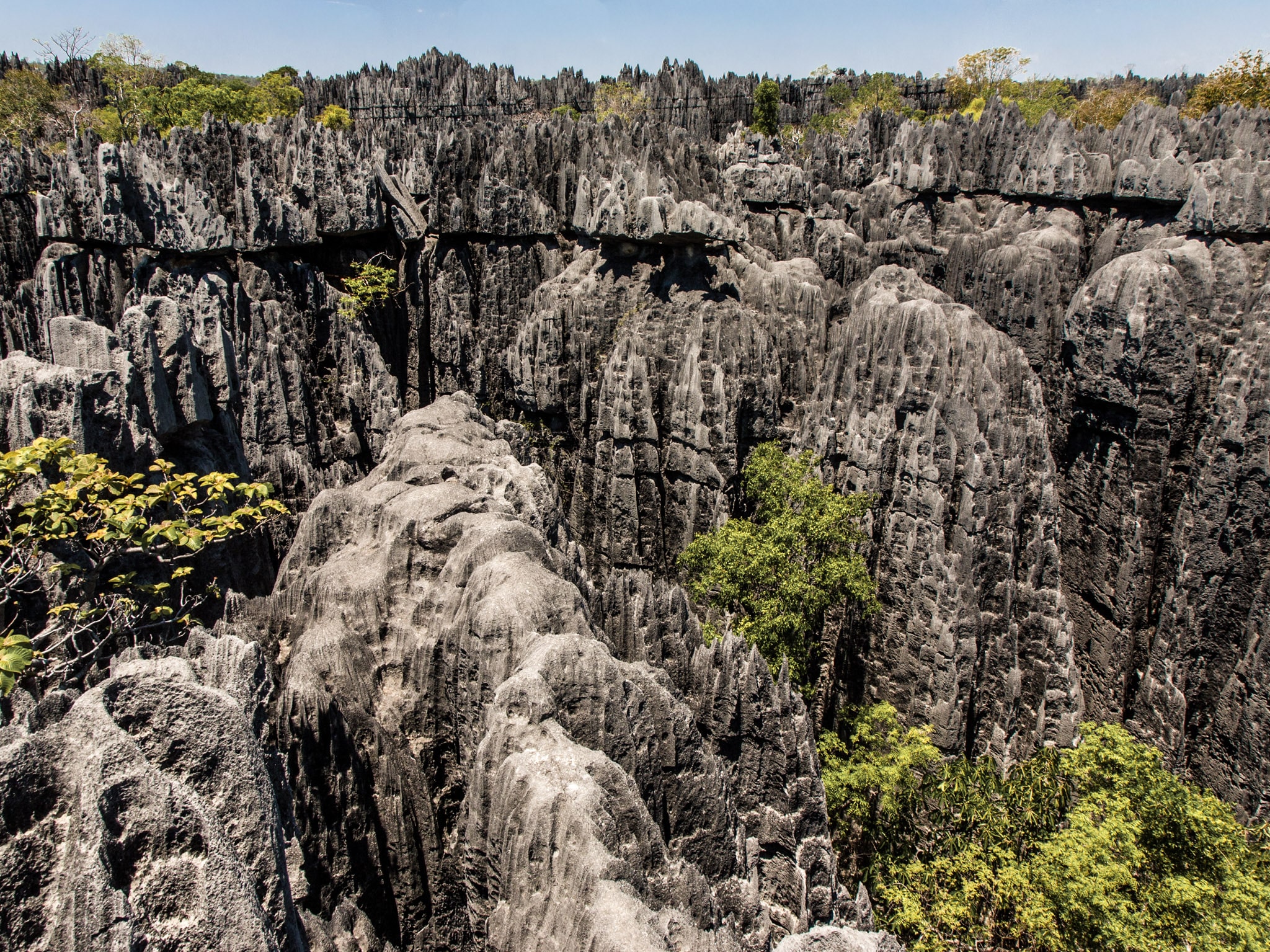
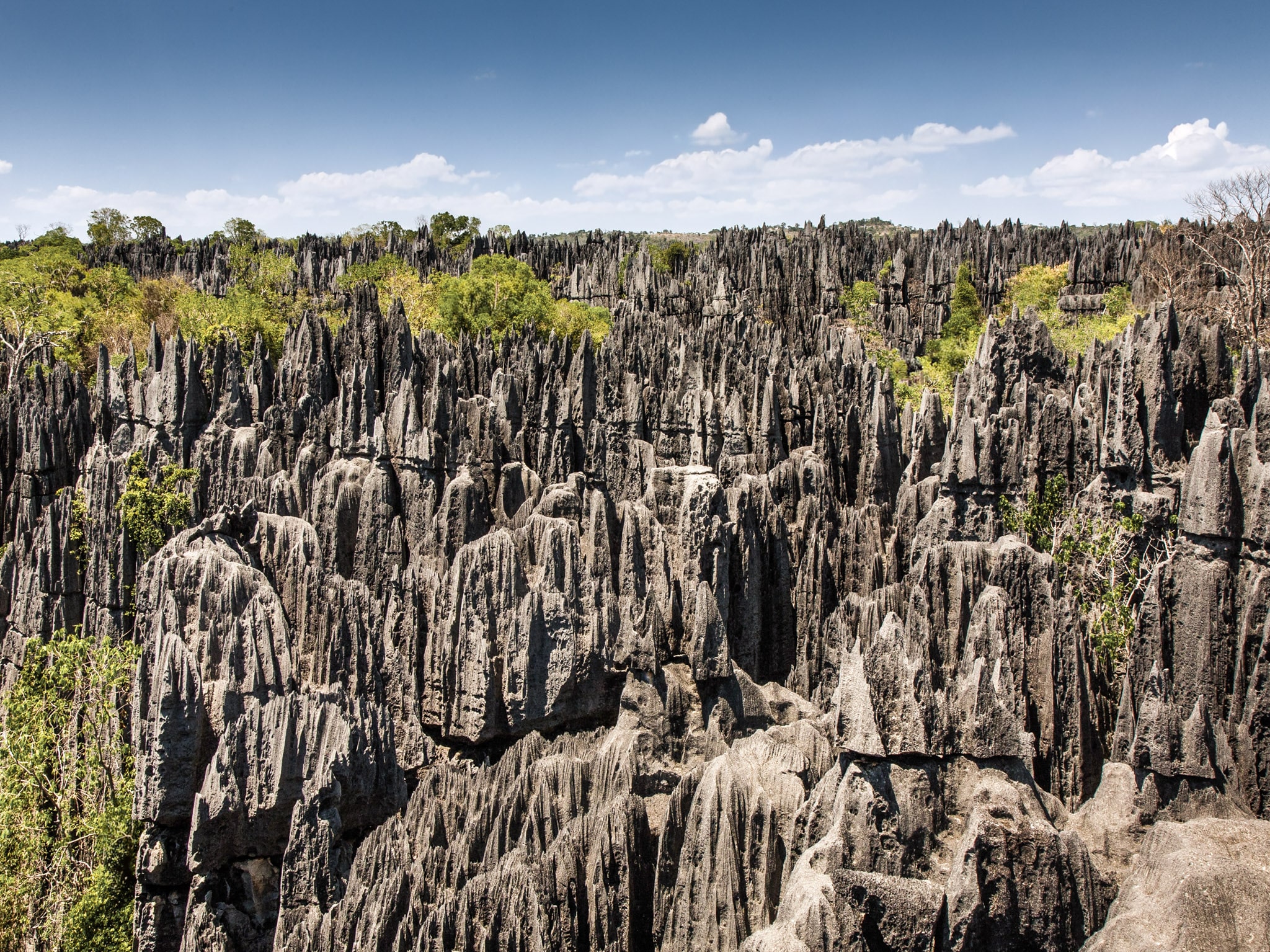
Tsingy de Bemaraha stretches across western Madagascar as a limestone plateau carved into a dense forest of stone pinnacles. From above, it appears almost abstract, but on the ground, it becomes immediately hostile to movement. The formations rise in tightly packed blades, leaving little stable surface to stand on and even less margin for error.
An entry in the International Journal of Speleology explains that “the Tsingy, a remarkable tropical karst landform assemblage, consist of extensive fields of giant grikes perpendicular to each other” noting that tsingy formations occur in only four localities in Madagascar, with Bemaraha among the most significant. This arrangement creates a fractured terrain that resists continuous surveying and makes lateral movement slow, technical, and exhausting. This physical danger of the landscape has always shaped how humans interact with it. NASA’s Earth Observatory describes the risk noting that “a haphazard landing on these razor-sharp rocks guarantees injury” adding that “the inhospitable terrain long provided local wildlife with protection against human encroachment” That same barrier which preserves biodiversity also restricts how researchers can move, map, and return to the same locations over time.
As a result, scientific work in the Tsingy has progressed unevenly. Accessible edges, walkways, and selected routes have been studied in detail, while large interior sections remain difficult to traverse repeatedly. So while Tsingy de Bemaraha can also be partially visited by tourists, it remains explored only in outline and elusive in detail.
UFI score: 3
Entry scarcity 1 (tourism and research exist, but access routes are limited)
Coverage gap 2 (large interior areas remain difficult to survey on foot)
Restriction level 0 (no formal prohibition, terrain itself restricts access)