
Tokyo’s train and subway map looks wild, but this guide breaks it down: tickets, IC cards, stations, exits, and how to tap your way through the city like a local.

If you’re heading to Tokyo, congrats: you’ve just signed up for a crash course in urban choreography. The city’s subway system is a rite of passage, but with 13 subway lines, countless train routes, and stations that feel like underground cities, it’s easy to get overwhelmed. The map? A rainbow spaghetti nightmare. But the reality? Surprisingly navigable once you know the moves.
This guide is your cheat sheet to surviving (and thriving) in Tokyo’s transit maze. We’ll give you ticket hacks and rush-hour etiquette, so you can ride like a local without losing your cool—or your Suica card.
Train and Subway Lines Basics
The subway and train lines are the most convenient means of transportation for moving around Tokyo and its outskirts. They are always spotless and on time, so you should learn to take advantage of them. You’ve got:
- Subway lines that crisscross the city centre. These are your go-to for hitting hotspots like Shibuya, Ginza, and Asakusa. There are 13 lines split between two different operators, although you don’t really have to worry about knowing that.
- JR trains, especially the Yamanote Line—a loop that connects all the big neighbourhoods. If you’re unsure, this line is your safety net.
- Other private railway trains head out to the suburbs, beaches, and temples. You’ll only need these if you’re venturing beyond the city.
The subway map below displays all of Tokyo’s subway lines and the most important JR lines, plus some famous attractions for reference. Here’s a PDF version.

Opening Hours
Tokyo’s trains run from 5:00 AM to around 1:00 AM, depending on the line and the station. That gives you 20 hours of mobility, which is plenty of time to chase ramen, neon, and existential clarity.
Some lines extend service during national holidays, but don’t count on it unless you’ve checked the schedule. So no, there’s no 24-hour subway. If you miss the last train, you’re either cabbing it or embracing the all-night karaoke lifestyle.
Trains run every 2–3 minutes during rush hour, and every 7–10 minutes late at night. Peak times are 7:30–9:30 AM and 5:00–7:00 PM. If you value personal space, aim for mid-morning or early afternoon.

Tickets & IC Cards
Tokyo’s ticketing system is extremely simple if you let it be. Paper tickets are still around, but why bother? You’ll have to calculate fare zones and stand in line. Skip it. Instead, here’s how to actually make it seamless:
Option 1: Physical IC Cards
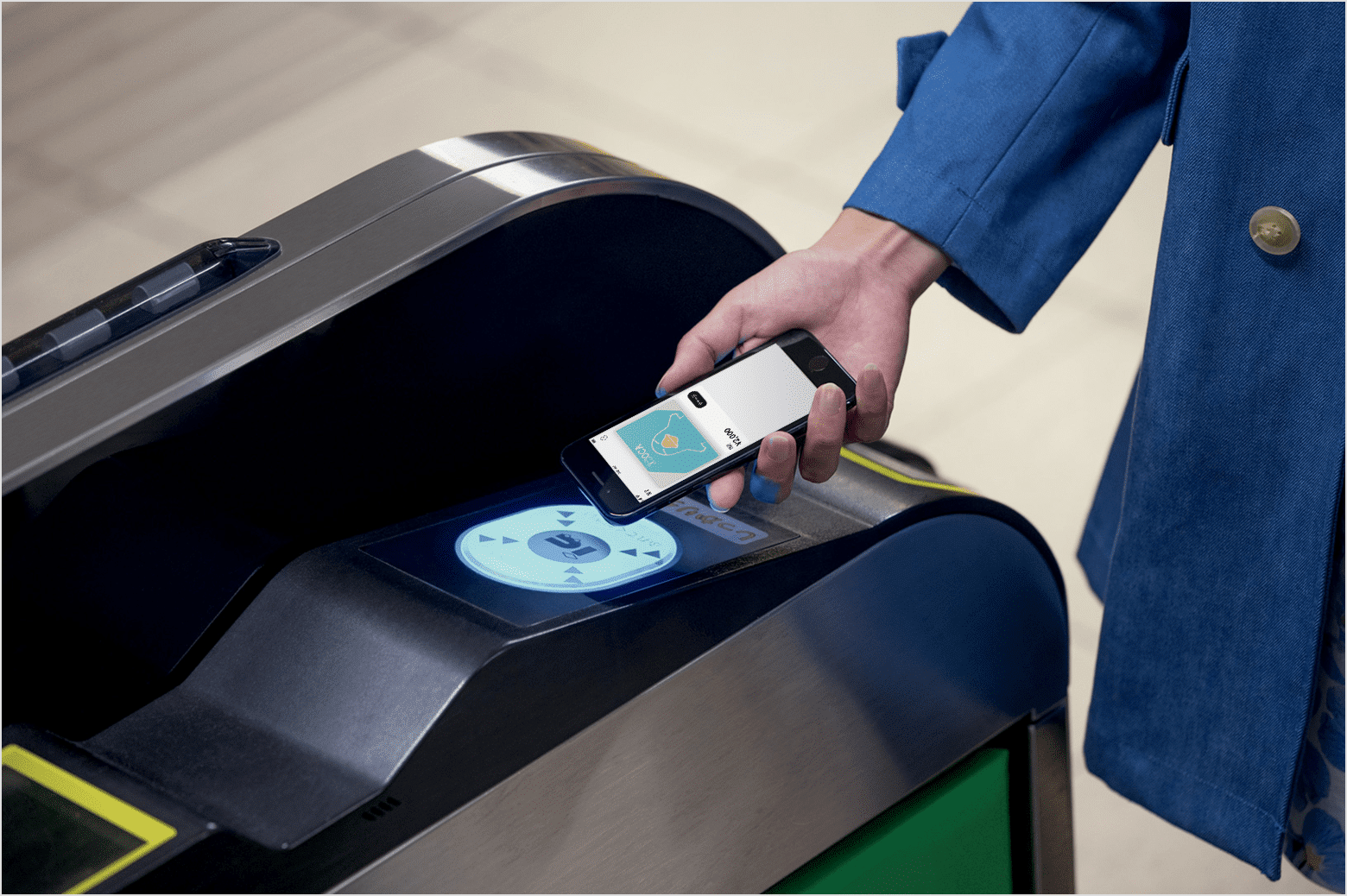
IC Cards, such as Suica and Pasmo, are your best friends. They are rechargeable cards that can work across subways, JR trains, buses, and even vending machines. Tap in, tap out. No math, no stress.
- Where to buy: Get one at any major station (look for machines labelled “IC Card”) or at Narita/Haneda airports. You’ll pay a ¥500 (3$) deposit plus your starting balance.
- How to use: Tap in at the gate, tap out when you leave. The system auto-calculates the fare.
- Recharge: Use any ticket machine or convenience store, all machines have an English button.
- Tourist versions: “Welcome Suica” and “Pasmo Passport” are short-term cards (valid for 28 days), available at airport counters. No refunds, but no deposit either.
Option 2: Mobile IC Cards
If you’ve got Apple Pay or Google Wallet, you can add a Suica or Pasmo card digitally. No physical card needed. Just make sure your phone’s battery isn’t on life support.
iPhone setup:
- Open Apple Wallet, tap “+”
- Select “Transit Card” → choose Suica or Pasmo
- Add money via Apple Pay
- Enable Express Mode to skip Face ID at gates
Android setup:
- Make sure your phone supports NFC and Osaifu-Keitai
- Download the Suica or Pasmo app
- Add your card and top up via Google Wallet
You can recharge with cash at convenience stores or Seven Bank ATMs even for mobile cards. And you can, and should, set up your mobile IC before you land in Japan.
How Fares Work
Fares are distance-based, starting around ¥180 and going up depending on how far you travel. Transfers between different operators (e.g., Tokyo Metro → JR) may cost extra. IC cards automatically calculate and deduct the correct fare, so no need to guess.
Also, Google Maps works very well as a fare calculator. When you search a route in Google Maps, it’ll show you which lines to take, the transfer stations, and the exact fare for the trip.
How to Navigate Tokyo Stations
Tokyo stations are massive, some feel like underground cities with food courts, bookstores, and enough exits to make you question reality. But here’s the trick: Google Maps is very accurate. It tells you which exit to take, and the signs inside the station match it exactly.
So don’t overthink it. Just:
- Check Google Maps before you enter.
- Follow the exit number it gives you.
- Trust the signs. They’re in English and they’re spot-on.
In mega-stations like Shinjuku or Tokyo Station, the right exit can save you a 15-minute walk. If you ignore it, you’ll be wandering past five bakeries and a violin shop wondering where your hotel went.
Rush Hour Etiquette: Survive the Crush
Tokyo rush hour is not chaos, it’s choreography. Trains are packed, but people move with quiet precision. Your job? Don’t mess up the flow.
Here’s how to not be that tourist:
- Back off the doors. Let people exit first, always.
- Don’t talk loudly. This isn’t a party.
- Wear your backpack on your front. Or better yet, hold it down by your legs.
- Stand in line. Yes, there are lines. Follow them and don’t cut or improvise.
- Avoid peak hours if you can: 7:30–9:30 AM and 5:00–7:00 PM.
Accessibility & Facilities
Tokyo’s subway is somewhat inclusive. Most stations are equipped with:
- Elevators and escalators: look for the universal signs. Google Maps often shows which exits have elevators—use it.
- Priority seating: clearly marked and respected. If you’re pregnant, elderly, injured, or traveling with kids, don’t hesitate to use it.
- Barrier-free gates: wider ticket gates for wheelchairs, strollers, and luggage. Usually near the station staff booth.
-
Tactile paving: yellow textured paths guide visually impaired passengers from the street to the platform.
Keep reading:
Fushimi Inari Hike Guide: Full Trail, Hidden Paths, Tips
Everyone comes to Kyoto to walk through the orange gates, but few realize the Fushimi Inari Hike is an actual climb, not just a photo stop. Here’s how to do it right.[dssb_sharing_buttons icon_placement="icon" icon_width="fixed" alignment="left" icon_color="#000000"...
10 Best Things To See in Tokyo for First-Timers
Planning your first Tokyo trip? Here are the 10 best things to see in Tokyo from sushi breakfast, through quiet shrines, and up to that crossing you’ve seen a thousand times online. [dssb_sharing_buttons icon_placement="icon" icon_width="fixed" alignment="left"...
Where To See The Famous Japan Bamboo Forest (and a Few More)
Discover where to find Japan's famous bamboo forest (hint: it’s in Kyoto) and other stunning bamboo groves across Japan.[dssb_sharing_buttons icon_placement="icon" icon_width="fixed" alignment="left" icon_color="#000000" use_custom_icon_size="on" icon_font_size="14px"...