A detailed breakdown of an Oban wildlife tour to Staffa, Lunga and Iona, including puffins, caves, and beaches, as well as details on ferries, island logistics, and other practical tips.
There are dozens of day-tours leaving Oban promising puffin sightings and island hopping around western Scotland, yet surprisingly little information on what these days are actually like once you book them.
After comparing what felt like every possible combination, I ended up choosing the Wildlife Tour operated by West Coast Tours and Staffa Tours. It combined Staffa and Fingal’s Cave, the puffins of Isle of Lunga, and the white beaches of Isle of Iona in a single day.
It also required enough ferries, buses and tiny boats that, by the end of the day, I had accidentally tested most of western Scotland’s public transportation network.
Oban, Puffin Colonies and the Tours Explained
Where is Oban located?
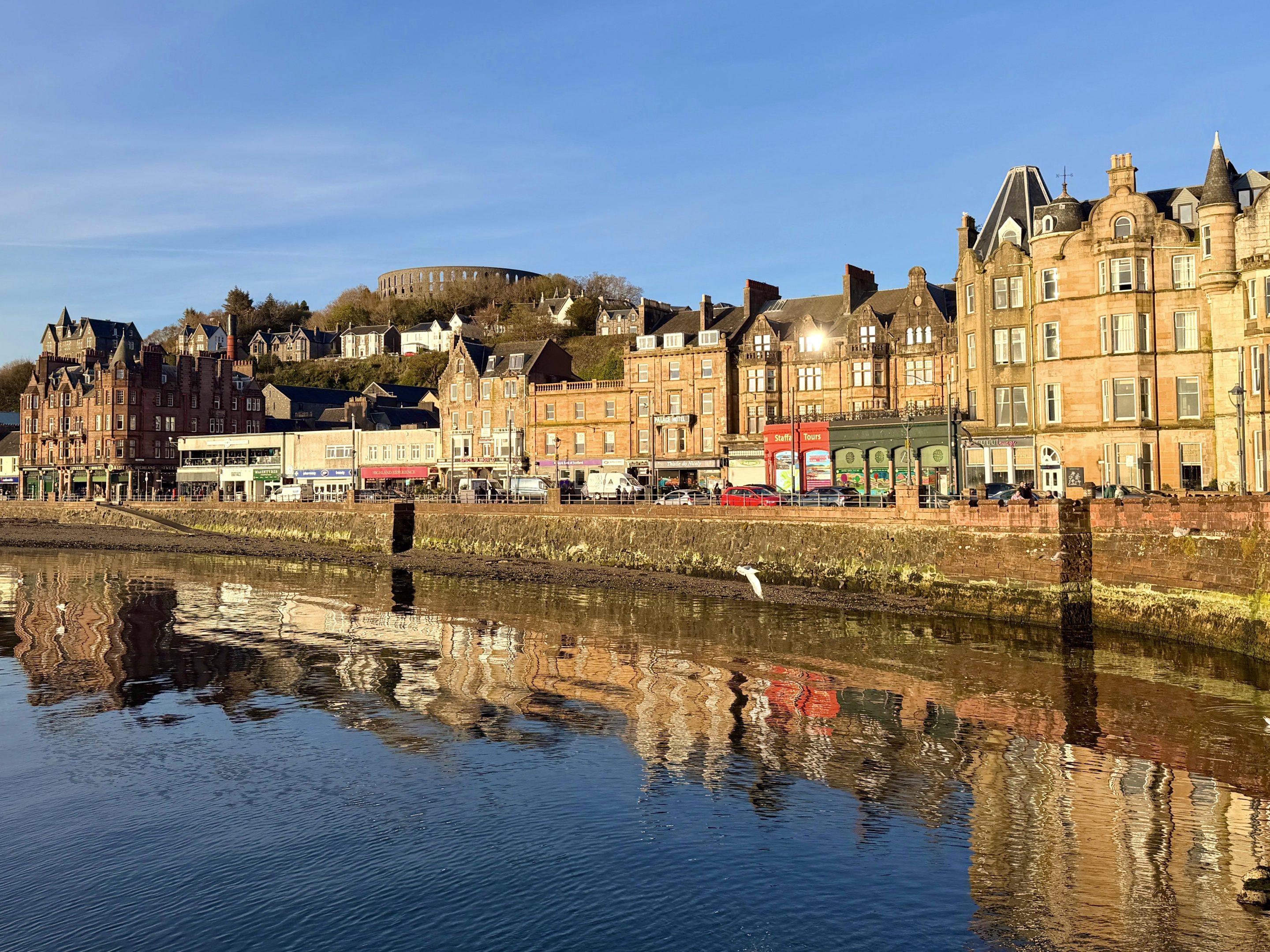
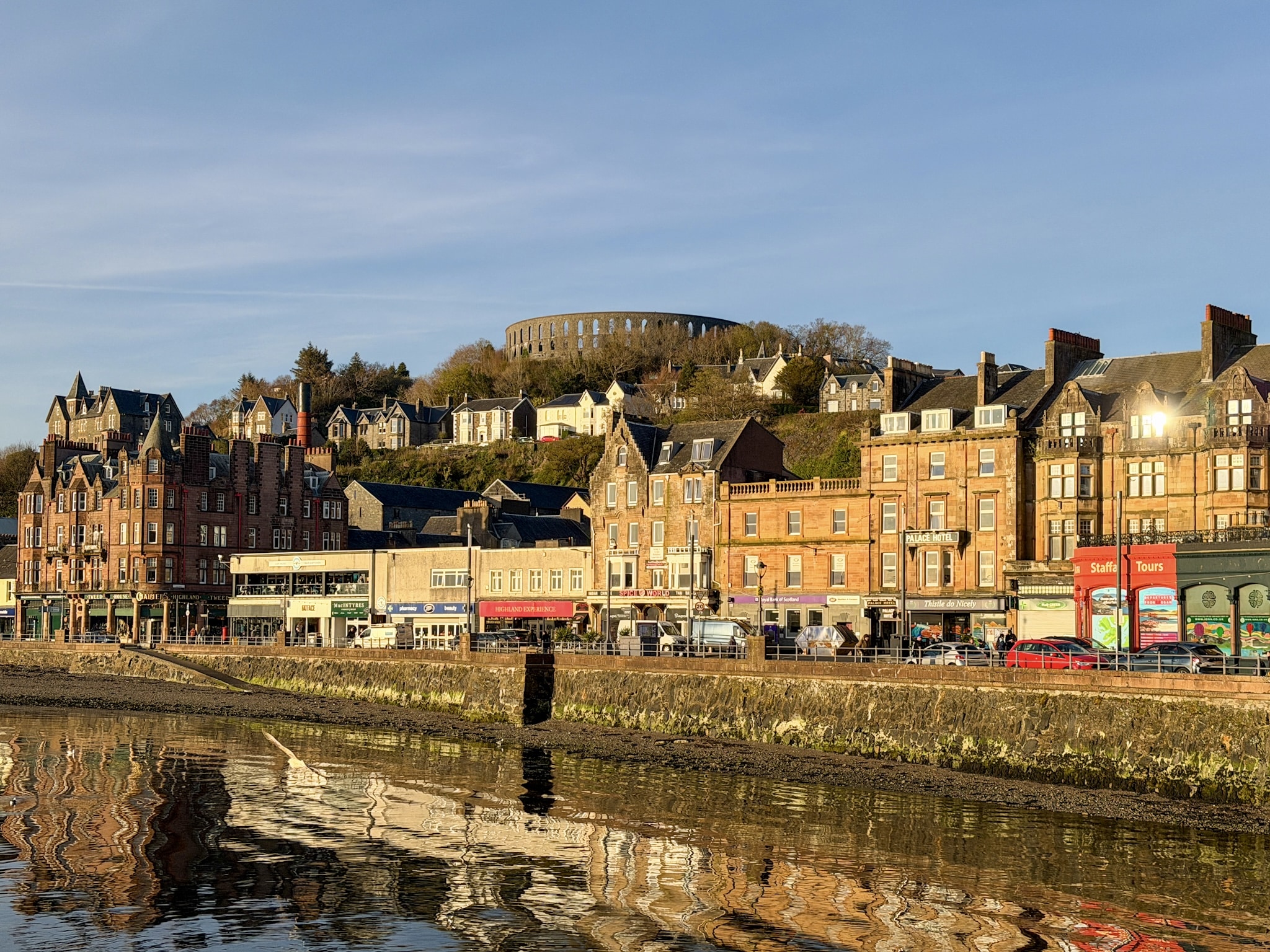
Oban sits on the west coast of Scotland and acts as the main gateway to the Inner Hebrides. It’s the place where ferries leave for islands like Mull, and, more importantly for this trip, Oban is also where most tours to Staffa and the Treshnish Isles start.
It’s a relatively small town, and that’s part of the appeal. Everything revolves around the harbour, the ferry terminal, a rather famous whisky distillery and a handful of restaurants and shops. Once you’re there, moving around is easy. The only real variable is the weather.
Getting to Oban
Getting to Oban from a major city in Scotland is usually not complicated. From Edinburgh, there's a four-hour train to Oban with one short connection in Glasgow. In my personal experience, the trains were on time, comfortable enough, and luggage space was tight but manageable. I booked all the tickets through the official ScotRail app, so no queues at ticket offices. The second half of the journey is lovely: as you move west, the landscape opens up into lochs, hills and empty stretches of land that feel very different from the cities.
You can drive as well, and many people do, but the train works perfectly fine if you don’t want to deal with parking or long distances on the left side of the road.
I arrived in Oban by train the day before the tour, and stayed in an apartment right in front of the ferry terminal. That made the early start the next morning much easier, but the real reason to build in extra time is reliability.
Ferries here are not guaranteed. Weather and sometimes random events can cancel, anticipate or delay departures, and if your whole trip to Scotland revolves around this tour, you don’t want a single bad day to ruin it. Staying at least one or two extra days gives you a second chance to rebook, and if all goes well and nothing gets canceled, there are still other fun activities to do in Oban, including visiting the famous Oban Whisky Distillery and several nearby castles.
-
- For the full rundown of what else to do in town: 8 Best Things to Do in Oban, Scotland: My 2-Day Itinerary
The Puffins
Most people book this tour for one reason: puffins. Puffins in Scotland are mainly found on the Treshnish Isles, a small group of islands off the coast of Mull. The key stop is Isle of Lunga, where hundreds of puffins nest along the cliffs during the season.
Puffin season in Scotland runs roughly from April to July, with May and June being the peak. I went in the last week of April, specifically for this, and there were already plenty of adorable birds around.
Puffin Tours in Oban
Most tours here use the same archipelago name to describe the included activities, but not all are the same. Before booking, the real thing to check is the actual route and number of stops.
What you have to look for specifically is the Isle of Lunga, which is an essential stop if you want the close-up puffin experience. Some tours skip it completely, others will add other stops, too. Specifically, some add Tobermory on the Isle of Mull, the colourful harbour town. Others add the Isle of Iona, which gives the day a beach-and-abbey ending instead of making it only about wildlife. Most tours here also include the isle of Staffa, known for Fingal’s Cave.
Overall, you have mainly two options if you want to see the puffins up-close on Lunga, departing from Oban:
- The Wildlife Tour by West Coast Tours & Staffa Tours. This is the one I booked. It includes stops in Staffa, Lunga and Iona, with time ashore on all 3 islands when conditions allow.
- The Treshnish Isles and Staffa Wildlife Tour by Turus Maura. It has a similar route, including time on Staffa and Lunga.
Seafari Tours can show up when researching this kind of trip, but it is not the same thing. The first difference is that it does not depart from Oban, but from Easdale / Ellenabeich, on the Isle of Seil, around 16 miles south of Oban. Their Iona, Staffa & Puffin Colony tour includes 2.5 hours on Iona, Staffa and a seasonal puffin colony viewed from the boat. It also states there is no landing on Staffa.
Full Itinerary Breakdown, Hour by Hour
The Wildlife Tour by West Coast Tours & Staffa Tours is a full chain of ferries, buses and smaller boats, stitched together by two companies that clearly know what they’re doing. However, the tour still requires you to pay attention, as most of the trip is self-guided (meaning you're on your own).
In a nutshell, the route goes like this.
- Sail from Oban Ferry Terminal to Craignure on the island of Mull by ferry (1 hour)
- Ride from Craignure to Fionnphort by coach (1 hour 15 minutes)
- Sail from Fionnphort to Staffa, Lunga and Iona by 3 different boat rides (full day until late afternoon, and the only guided portion of the trip)
- Then the same thing backwards: coach from Fionnphort to Craignure, and ferry back to Oban
Here's a breakdown of how the day worked for me:
Arrival at Ferry Terminal in Oban
The day starts early, and more importantly, it starts on your own.
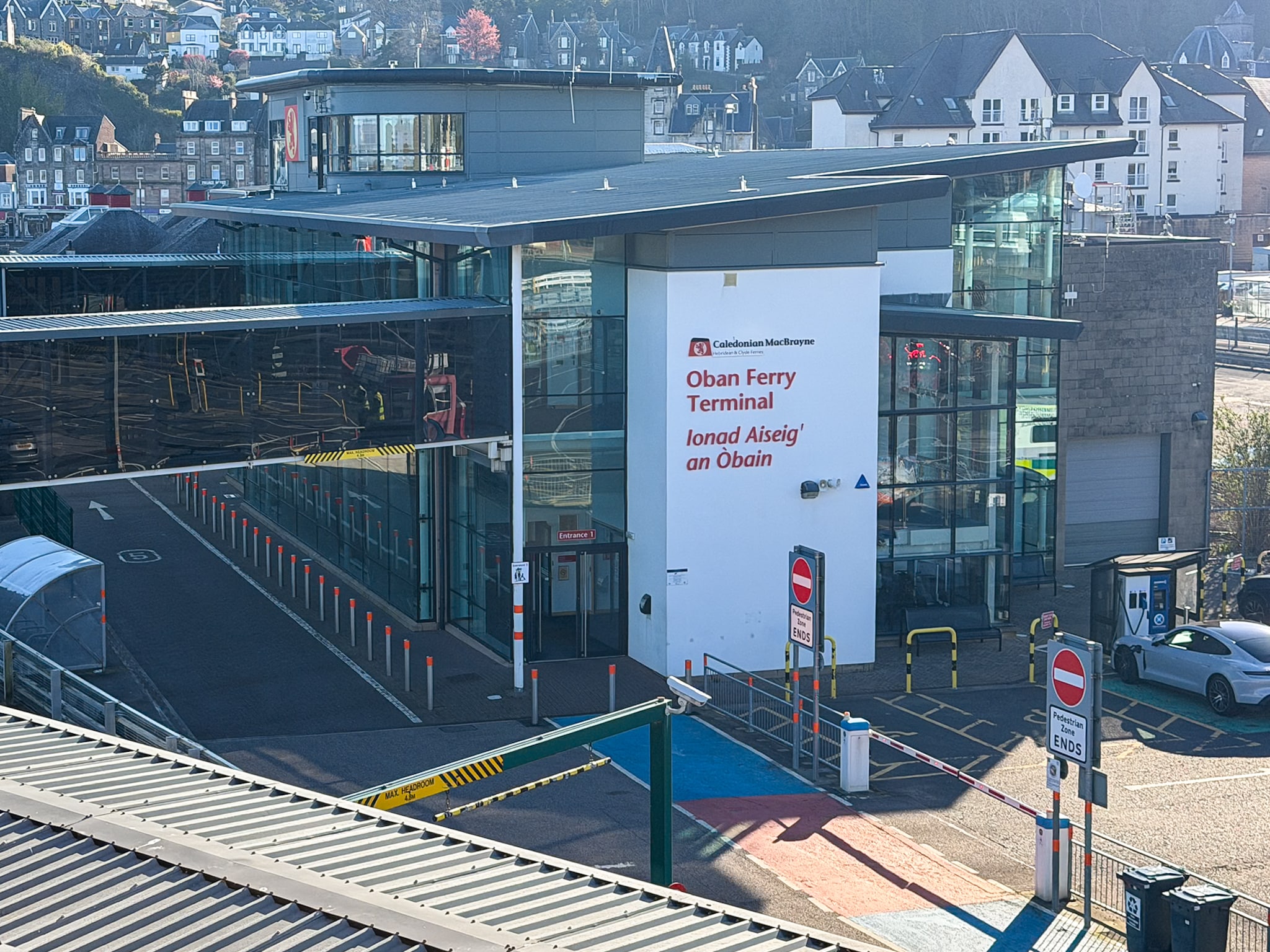
As suggested by the company, at 06:55 I was already at the ferry terminal in Oban to collect the tickets that West Coast Tours had pre-booked for us. There’s no guide waiting for you, no group gathering, nothing that really feels like a “tour” at this stage. You walk into the terminal, find the ticket office, pick up your pre-paid ticket, and proceed to the assigned gate.
From Oban to Mull: Ferry and Coach Transfer
The ferry normally departs around 07:25 and takes you to Craignure on the Isle of Mull in roughly 1 hour. On board you'll find a bar, a small restaurant, plenty of space to sit down, and bathrooms.
We left with a slight delay, which I discovered is not unusual here. I actually texted West Coast Tours while saling to make sure the delay wouldn’t affect the rest of the itinerary, and it didn’t.
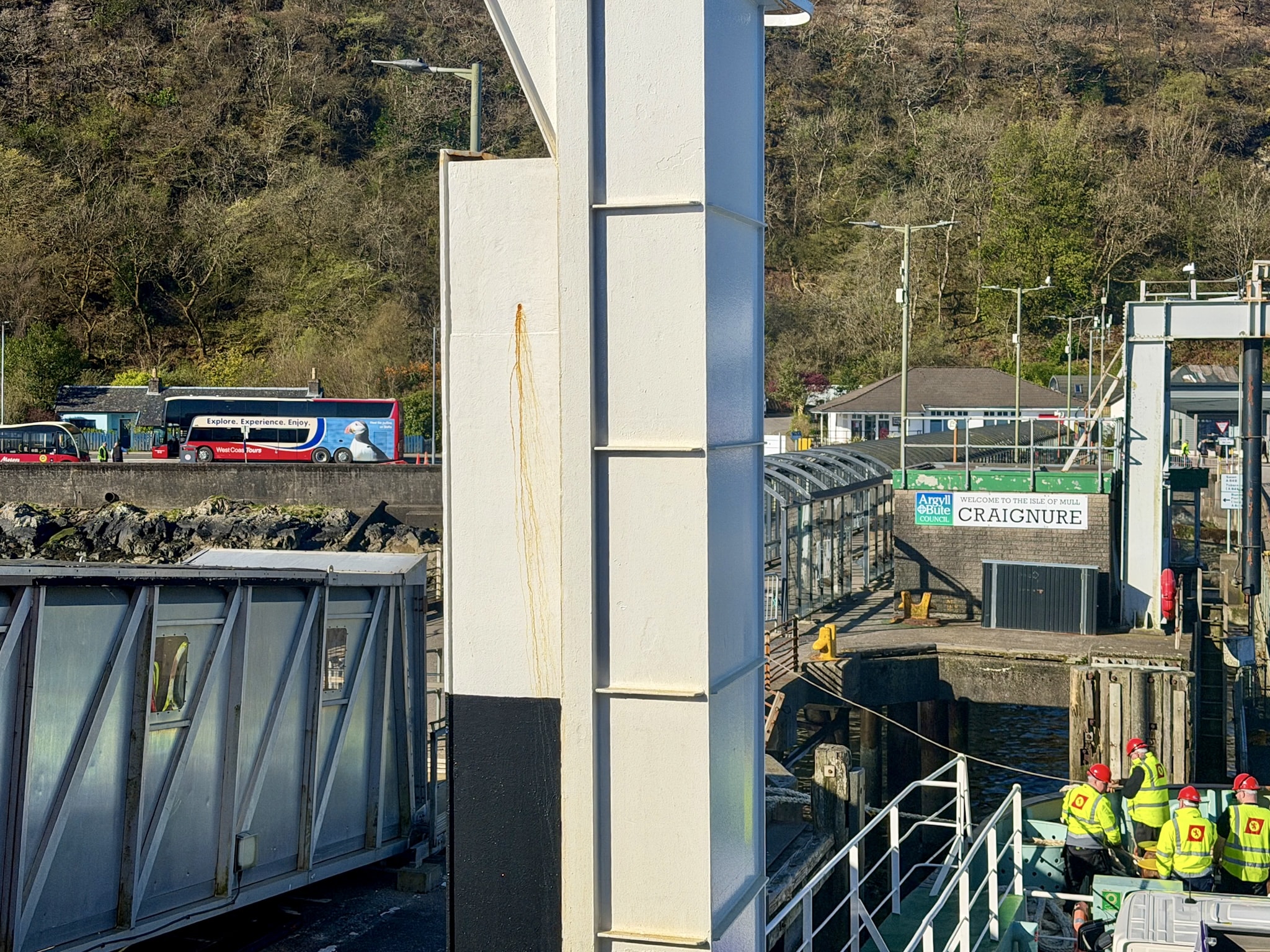
Once you arrive in Craignure, the West Coast Tour buses are right there, lined up outside the port. There’s more than one, depending on the tour variation, but the drivers guide you to the right one without too much confusion.
The coach ride across Mull to Fionnphort takes about 1 hour and 15 minutes. It’s scenic, definitely, but also longer than it sounds. Narrow roads, constant turns, and occasional moments where the bus has to negotiate space with oncoming cars. There are no stops, just a straight transfer across the island.
Fionnphort: Where the Island-Hopping Begins
You arrive in Fionnphort, and this is where the actual “tour” part begins.
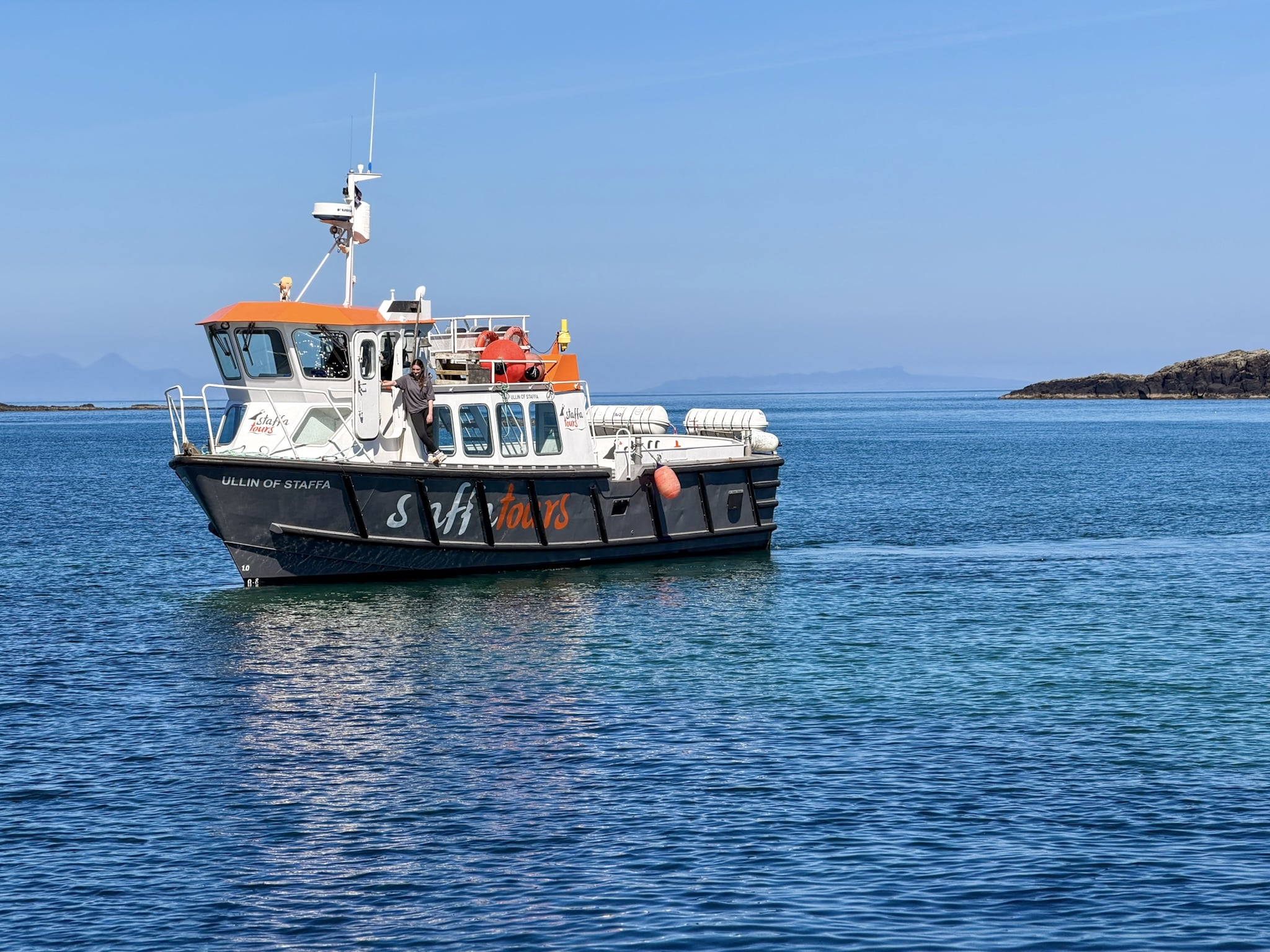
You get off the bus, walk for a couple of minutes towards the harbour, and the boats from Staffa Tours are right there. The logo is clearly visible, and the West Coast drivers point you in the right direction anyway. This is the first moment where it feels organized again after the more independent first part of the day.
Staffa & Fingal’s Cave: The First Stop
The first stop is Staffa, mainly for Fingal’s Cave.
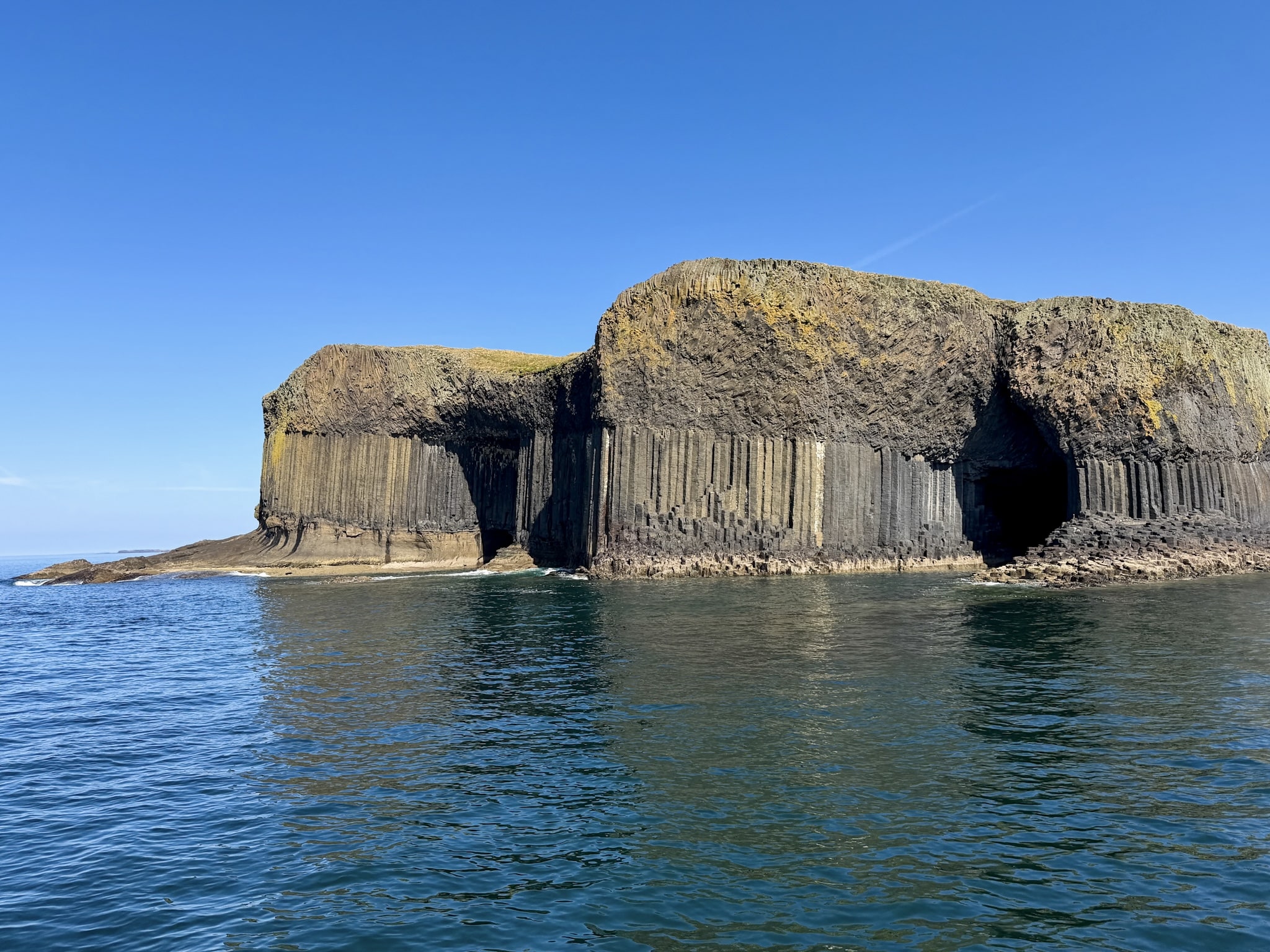
We spent about 50 minutes getting there and then 30 minutes circling the island. On that specific date it wasn’t possible to land because the stairs on the isle were under maintenance, but even from the boat, it’s impressive. The basalt columns and the structure of the cave are clearly visible, and you have enough time to appreciate it and take pictures without feeling rushed.
Landing is usually part of the experience, but it’s not guaranteed. Conditions and maintenance can change that.
Lunga: Puffins Up Close
Then comes the main event: Isle of Lunga.
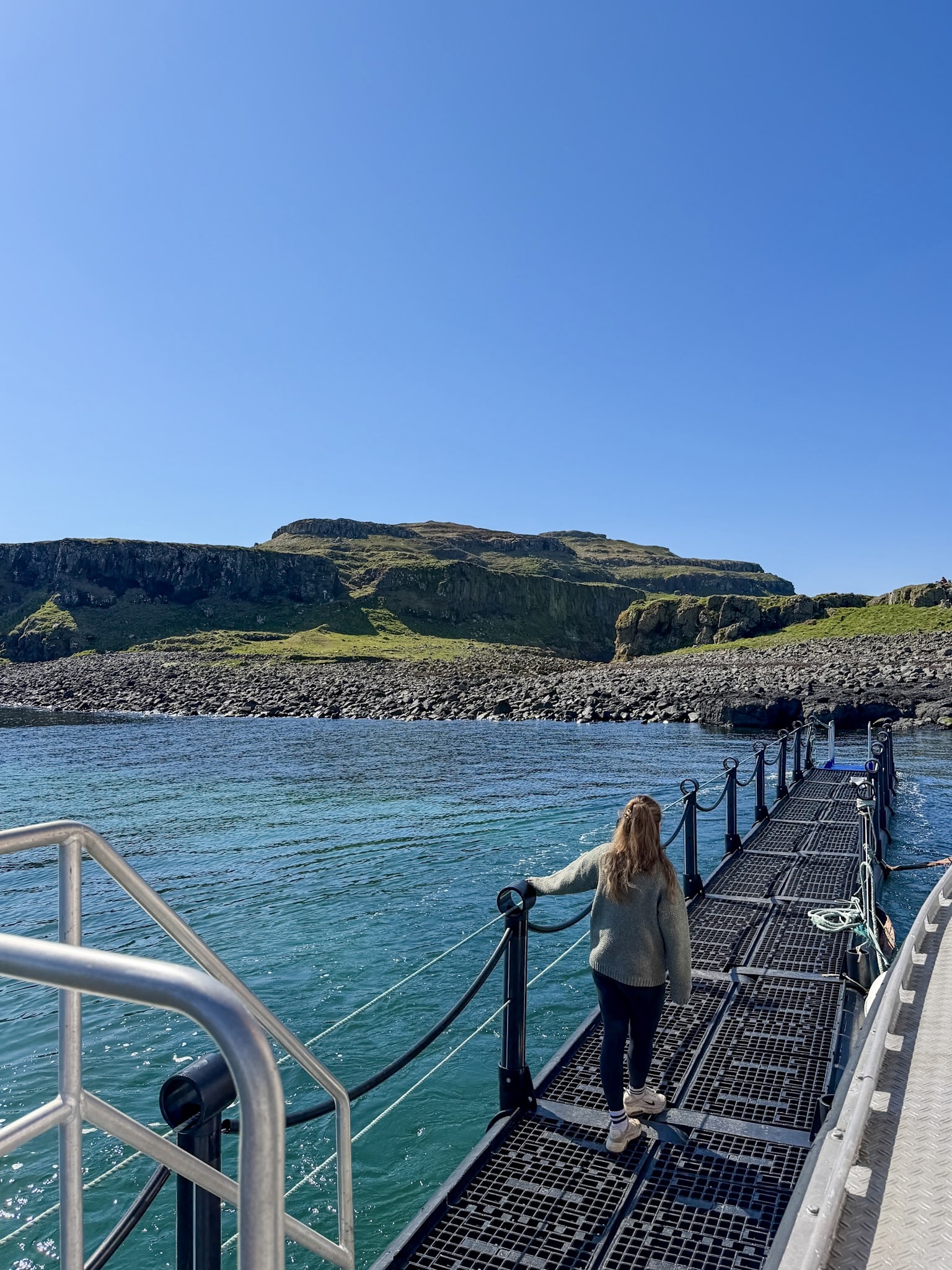
You disembark on rocks and are immediately directed towards the path by the Staffa Tours crew. From there, you’re on your own, there's no guide coming with you.
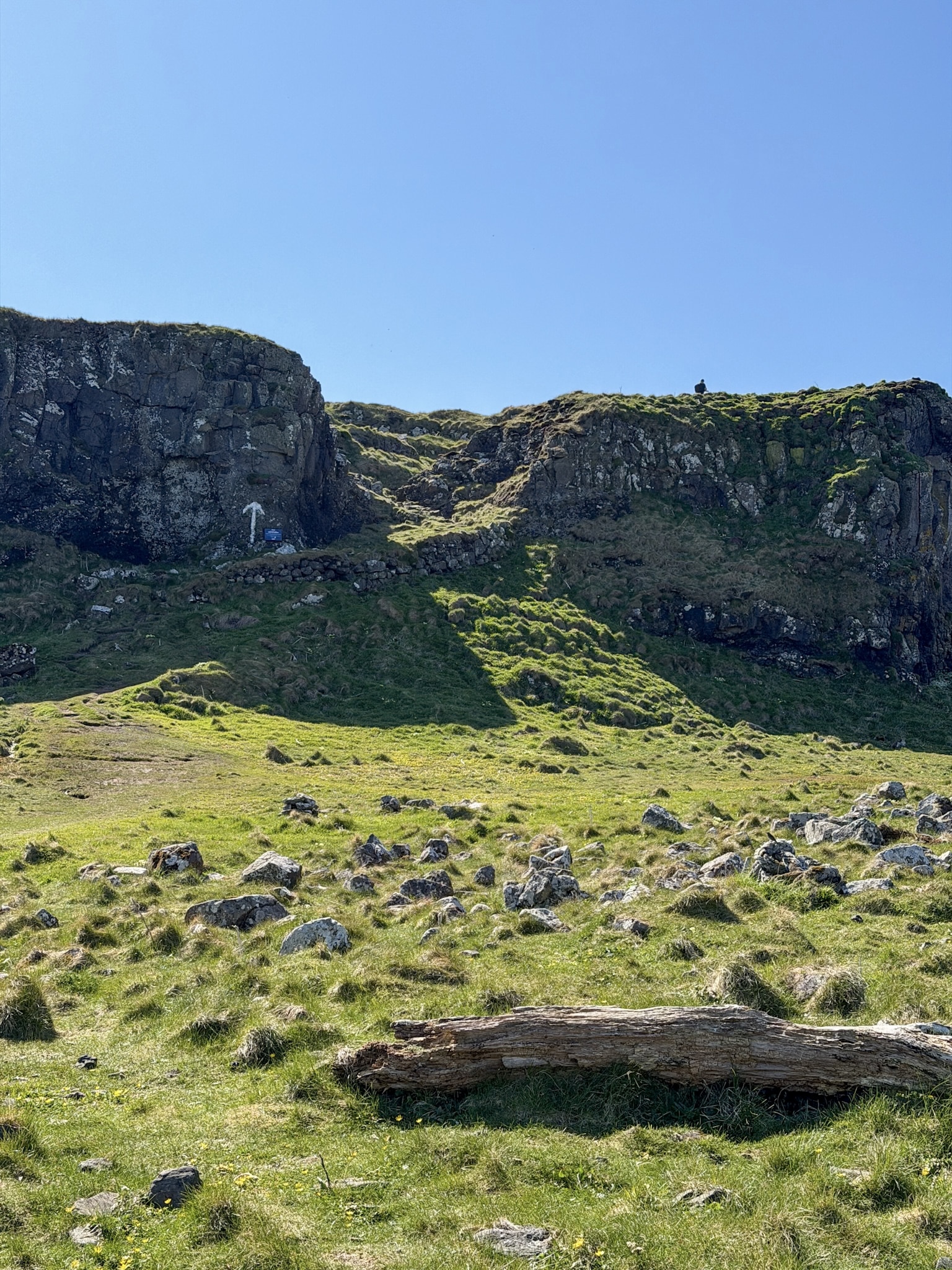
The walk is straightforward but not completely flat. About ten minutes across rocks, then another ten minutes climbing up towards the cliffs. It’s manageable for most people, but not feasible if you have mobility issues. It’s a very natural, beautiful and wild environment without any kind of man-made structures.
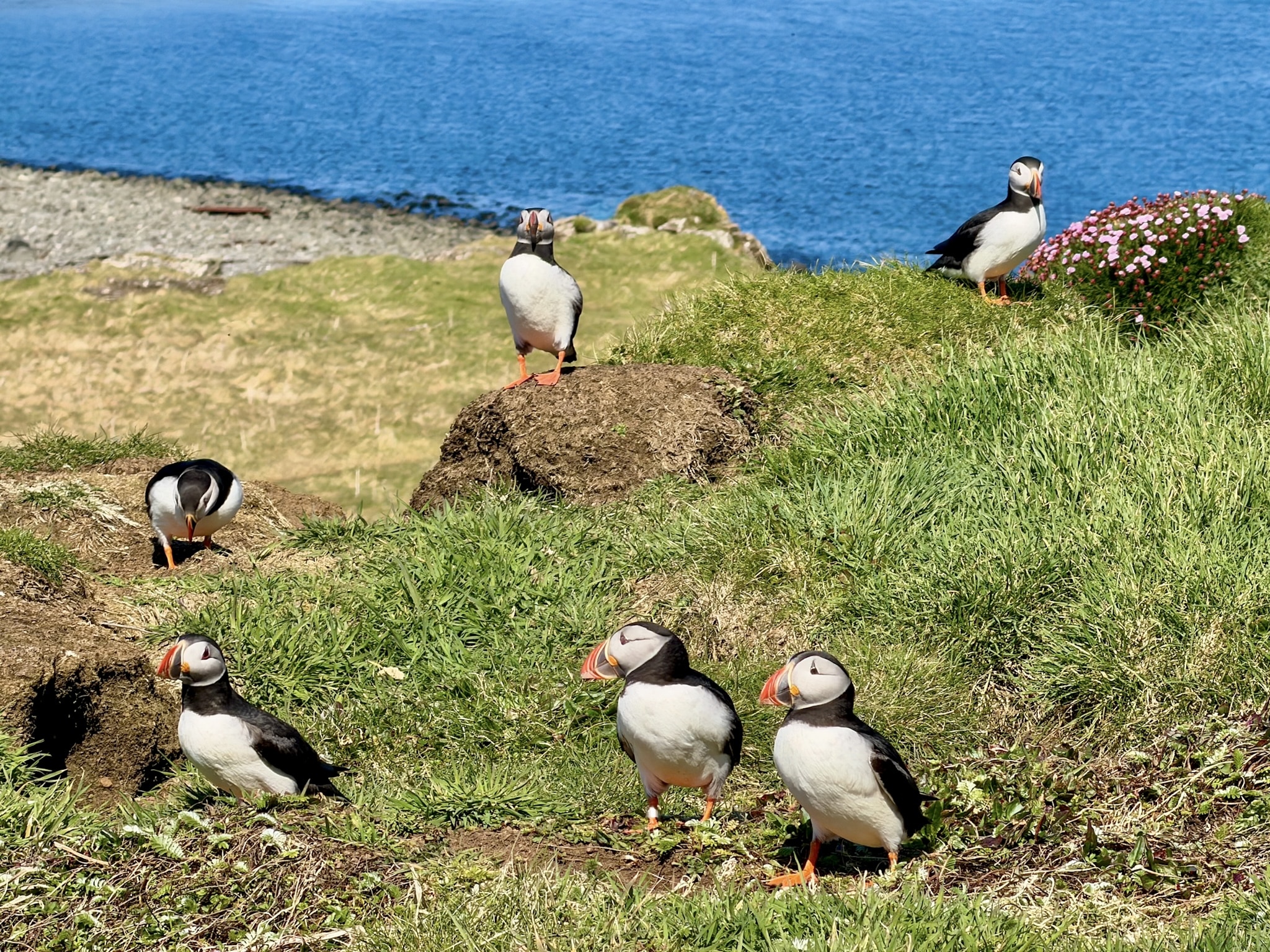
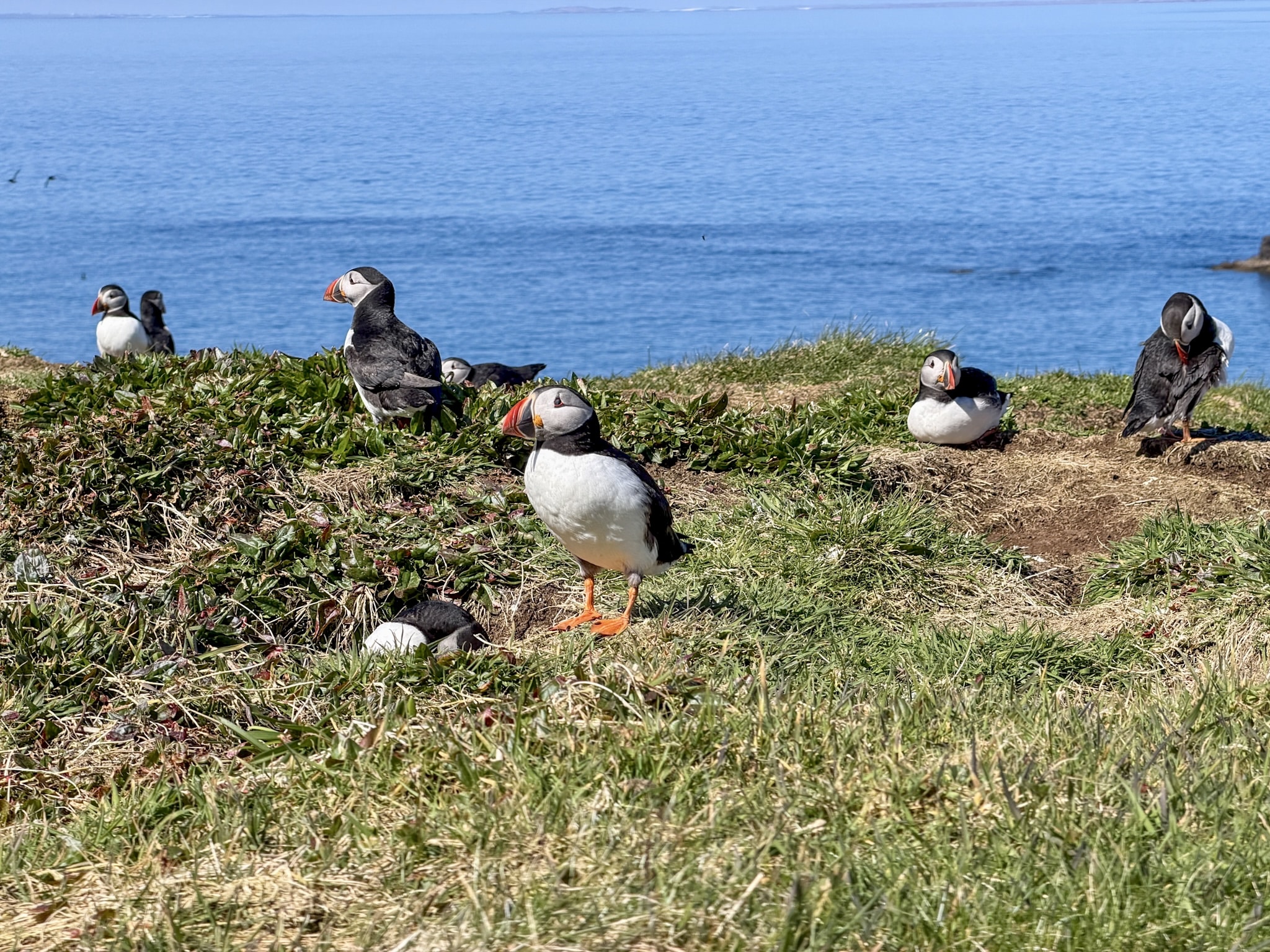
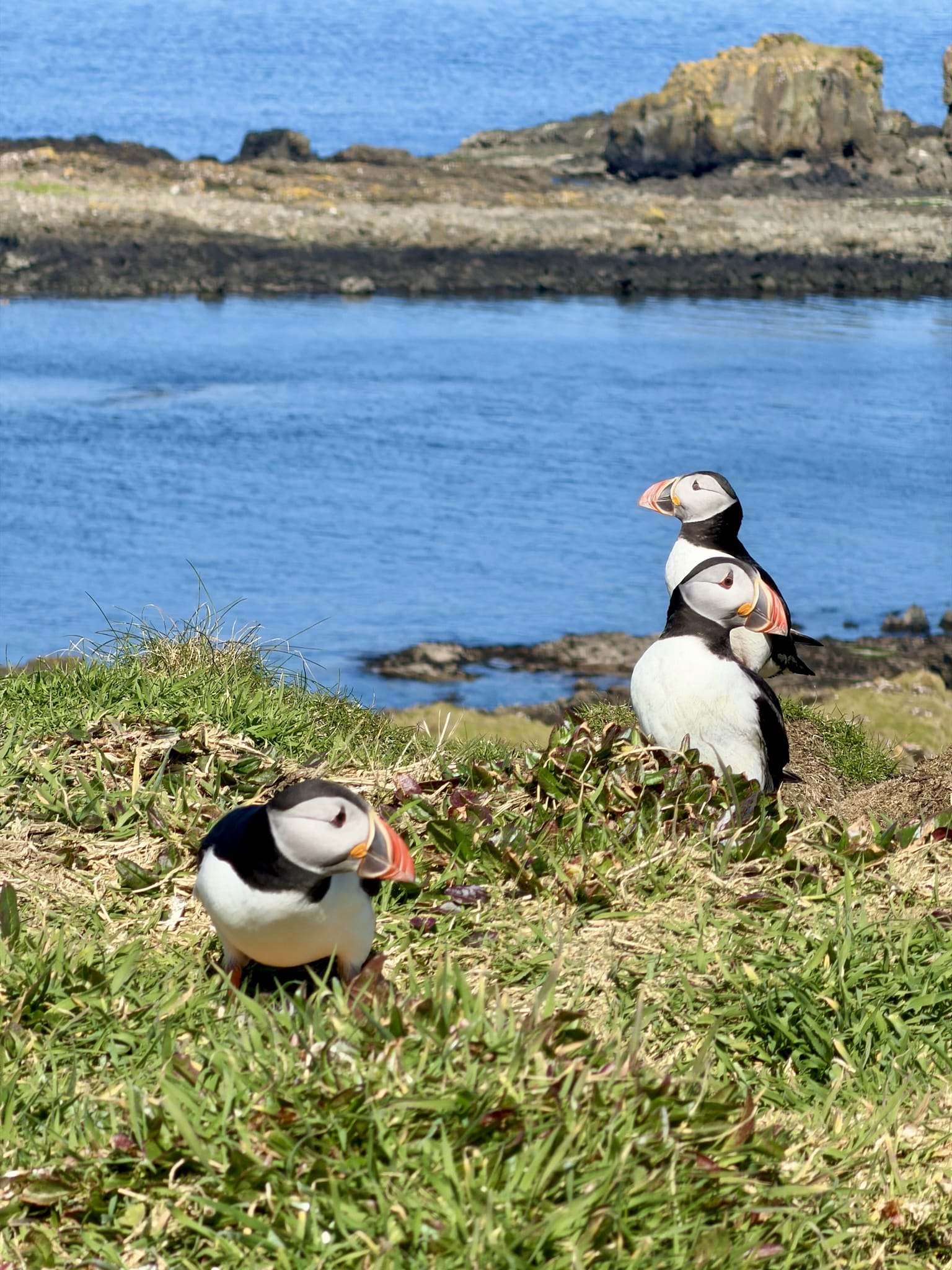
Once you’re up there, you’ll see puffins everywhere. Hundreds and hundreds of them, roaming all around the very edge of the cliff.
We found maybe twenty other people spread across the area, and because different tours rotate quickly, it never felt crowded. We had two full hours to explore, which is more than enough. You can walk around the perimeter, sit down, take photos, or just stay there watching puffins go back and forth.
Iona: The Final Stop
The last stop is Isle of Iona, and it completely changes the pace of the day.
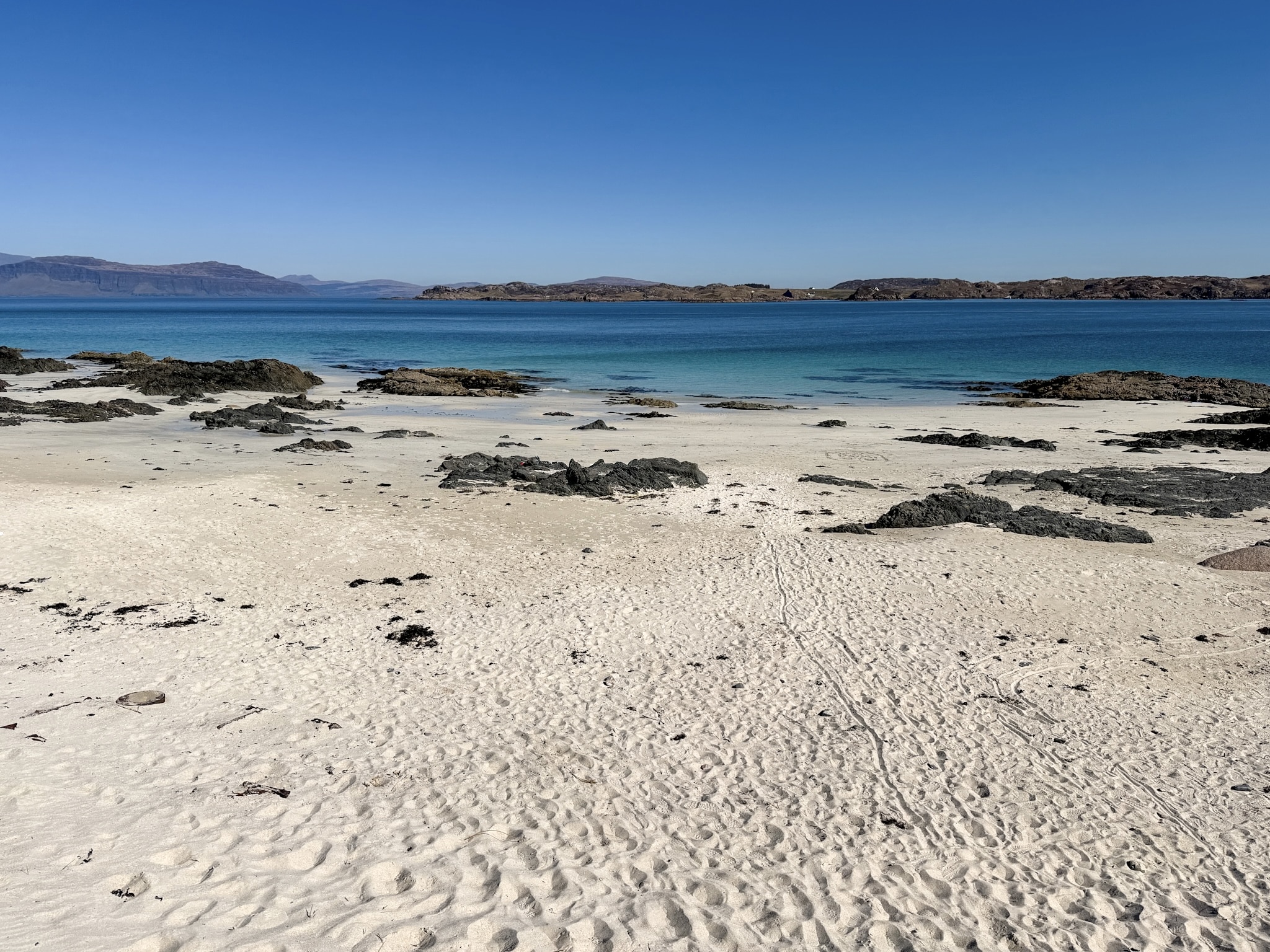
The island sits just off the southwest coast of Mull, in the Inner Hebrides, and it has a strange double identity. On one side, it’s one of the most important religious places in Scotland. On the other side, it also has incredible beaches that look frankly ridiculous for Scotland. The first thing I noticed after getting off the boat was the sand. Not just on one beach, but around the harbour too: white, bright, tropical. The water was turquoise and transparent in a way I hadn’t seen anywhere else in Scotland, even after visiting several beaches on Skye.
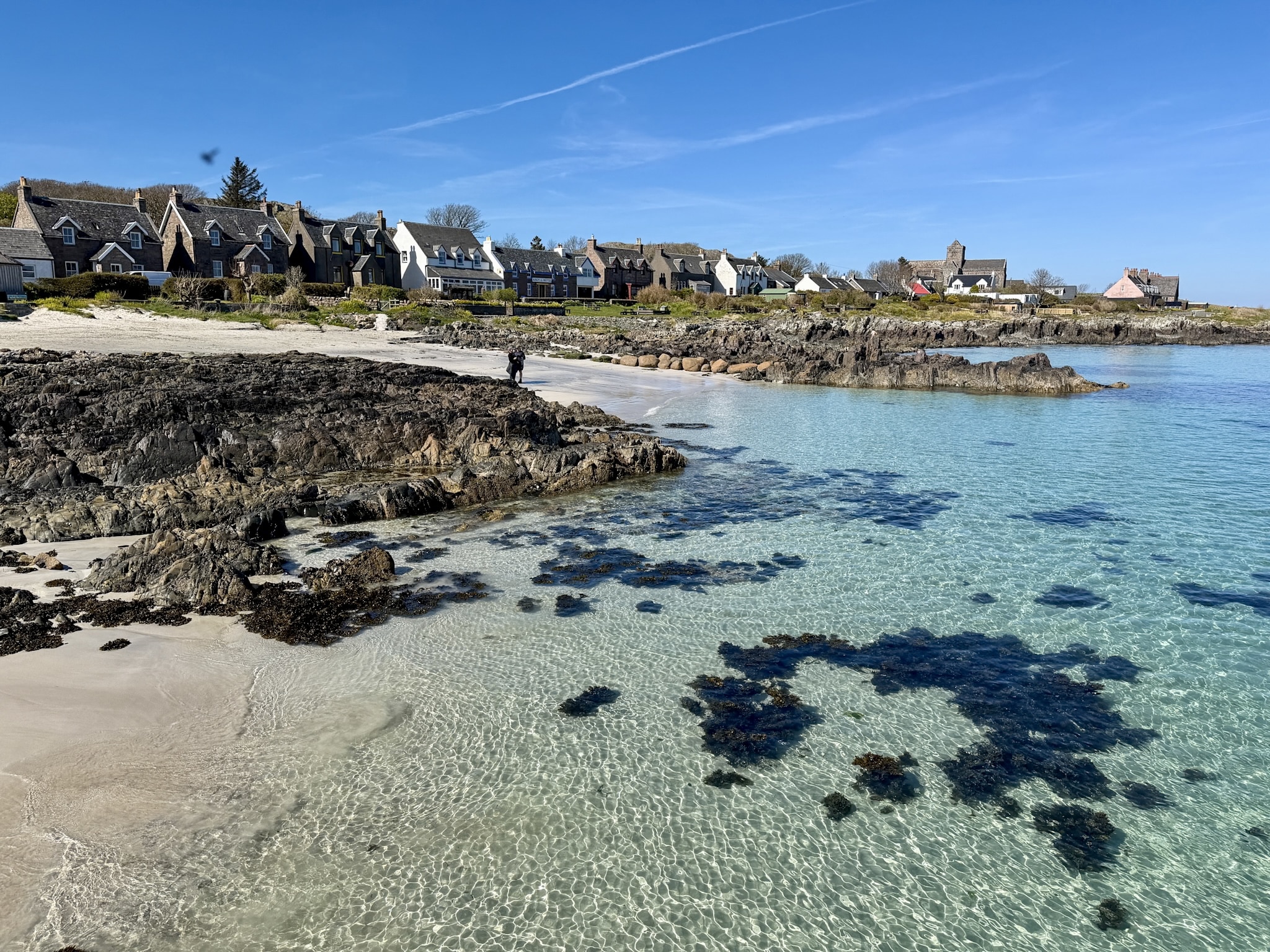
Most tours give you around 2 hours on Iona. On paper, that sounds decent. In reality, it forces a choice.
The obvious cultural stop is Iona Abbey, which you pass walking on the way inland. Even from the outside it looks fascinating, and it makes sense: the site has been associated with Christian worship since St Columba arrived in AD 563, and the monastery founded there became one of the most important religious centres in the British Isles. But visiting the Abbey properly takes time, and if you want to go inside, you should sort the ticket in advance.
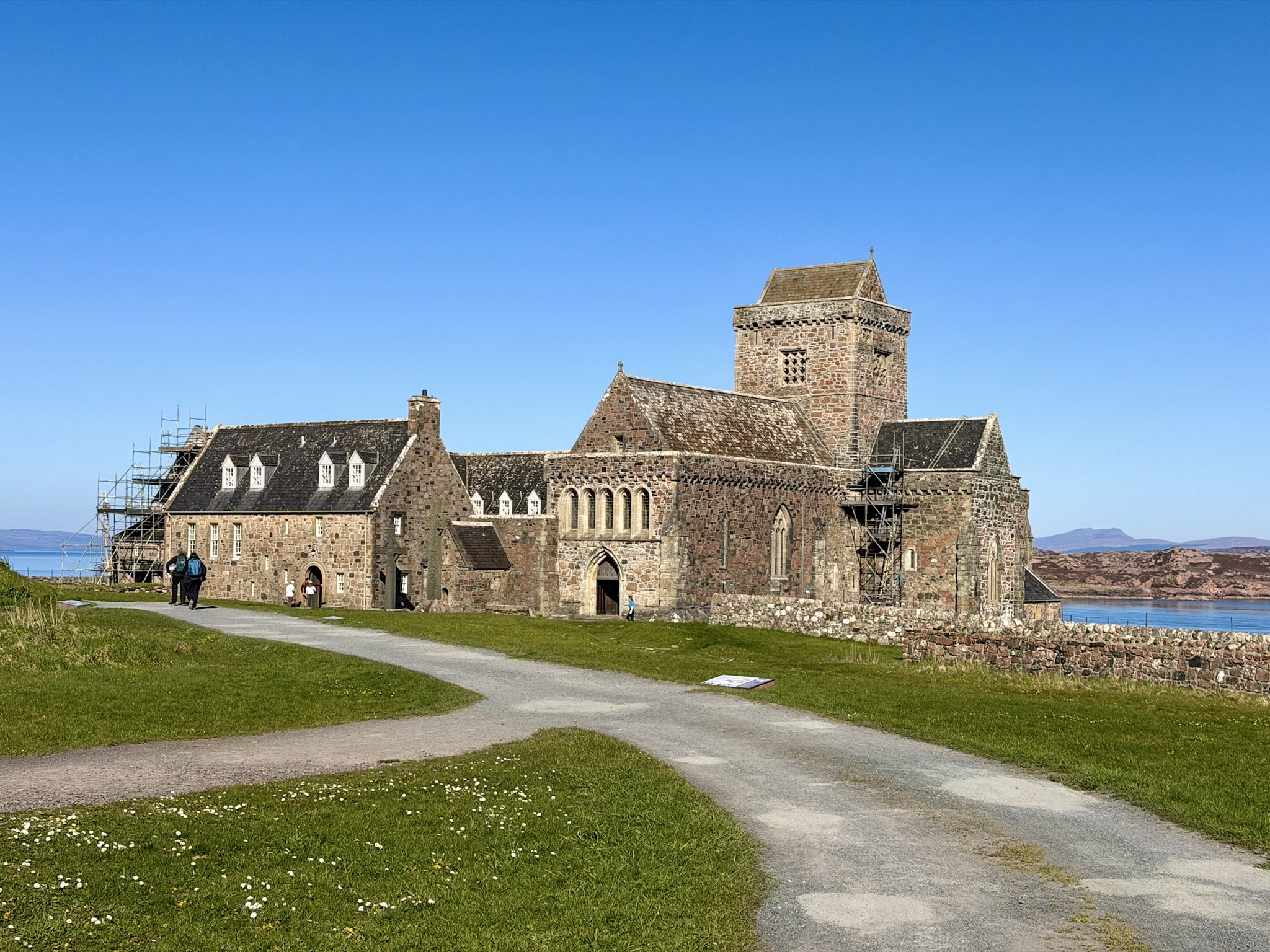
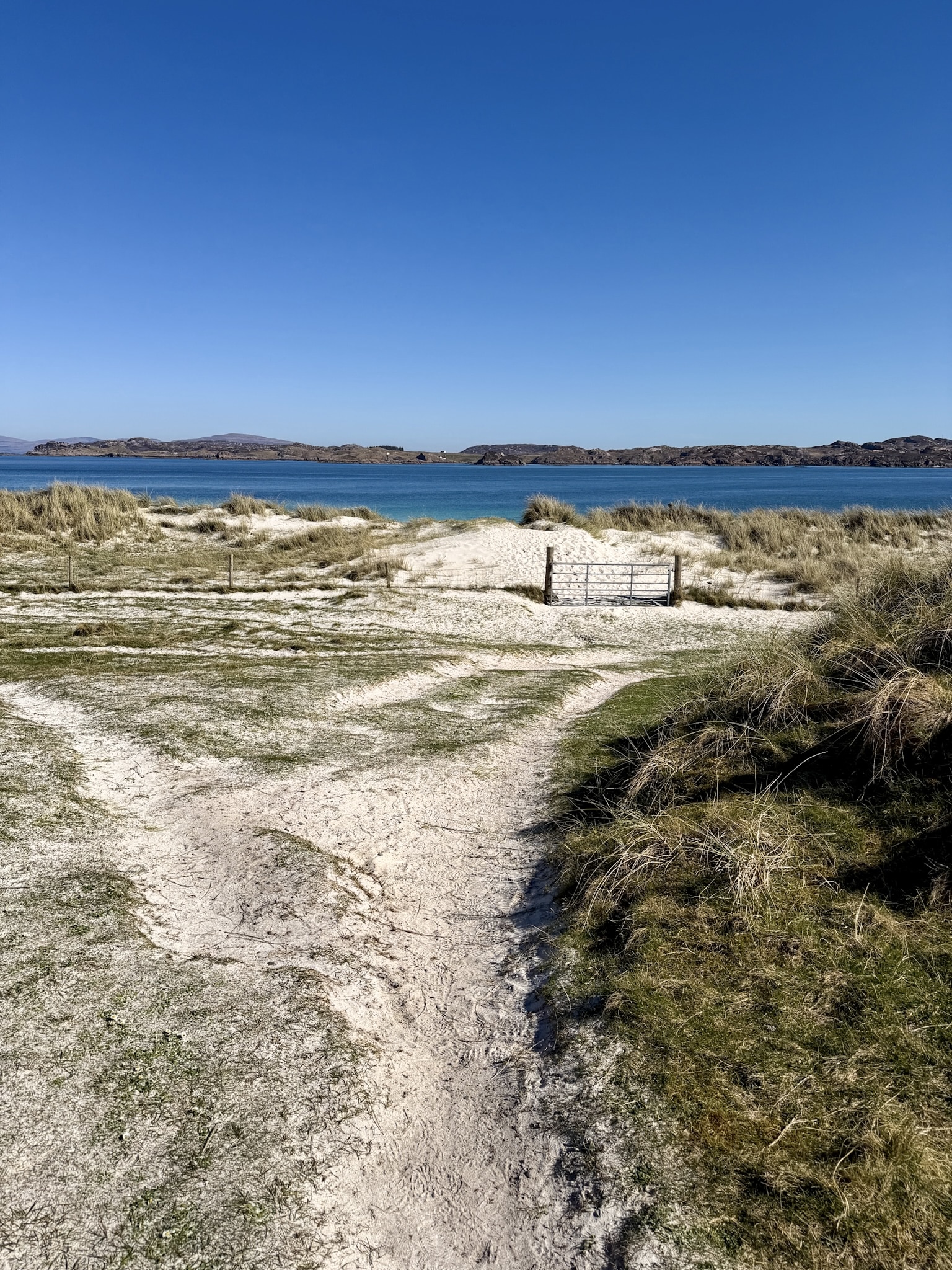
The other option is to walk up to the Iona Abbey, but skipping the visit and continuing to walk up until the White Strand of the Monks, one of Iona’s northern beaches. There’s this striking combination of powdery white sands, aquamarine seas and views toward Mull, the Treshnish Isles and beyond that looks insanely beautiful. The walk from the harbour up to this beach takes about 30 minutes at a steady pace. It’s straightforward and easy to follow on Google Maps, but it still eats into your stop.
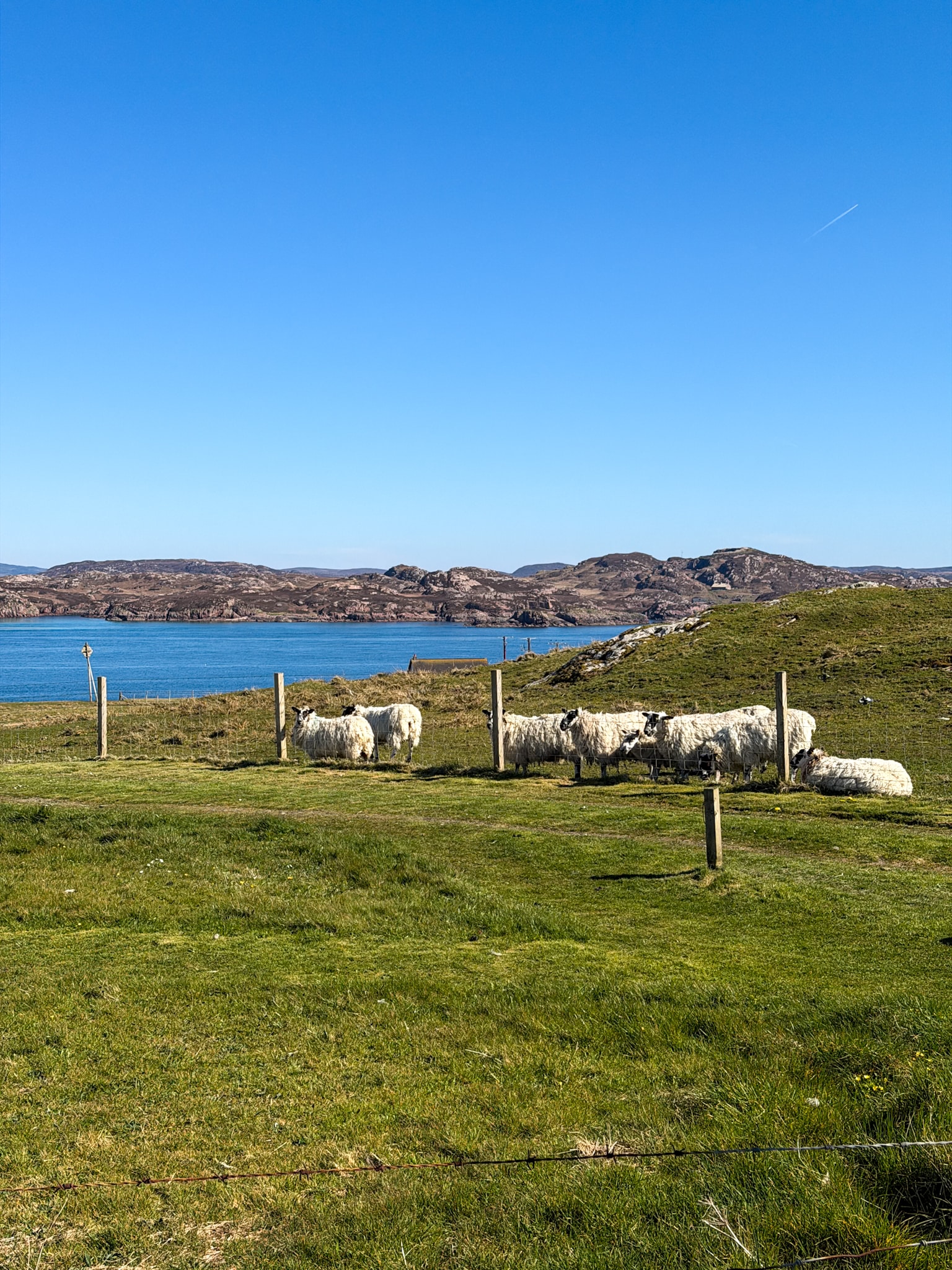
The walk itself is also part of the appeal: open fields, sheep, quiet roads, wide views and almost no people. I would have stayed another hour easily.
The Return to Oban
The return follows the exact same steps in reverse. Boat back to Fionnphort, coach across Mull, ferry to Oban.
It feels smoother because you already know what to expect, but also longer because by that point it’s been a full day. In my case, the final ferry was delayed again, and we arrived in Oban about thirty minutes later than planned.
Not a disaster, just something to be aware of.
The tricky Point about the Tour
The only real stress point is the first ferry, which is not directly managed by the tour companies. On my trip, the ferry from Oban left late, enough that I called West Coast Tours to check if we were going to miss the coach and the island-hopping part. Everything was sorted out in the end, but it also proved the obvious: the whole day depends on the first ferry departing on time, and not getting delayed too much.
That’s also why some travellers sleep directly on Mull and book the Staffa Tours portion from there. It removes the Oban ferry from the equation and makes the day less vulnerable to delays. But if you want the full route from Oban, including Staffa, Lunga and Iona, the combined West Coast Tours and Staffa Tours setup does make sense. You just need to understand that you are following a well-planned chain, and your job is to keep up with it.
Lunga Puffins: How Close Do You Really Get?
The answer is very, and it also happens suddenly.
As you approach the island, you expect to start spotting puffins in the water or along the cliffs. We didn’t see a single one. Not on the sea, not on the side of the island we were facing, not even while walking the initial stretch after landing. For a moment, it almost feels like you’re going to have to go looking for them.
Then you reach the other side of the island, climb up towards the cliffs, and it flips completely. Hundreds of puffins, everywhere, covering the entire grassy edge of the cliff. For reference, I visited the isle at the end of April, which is considered to be just the beginning of the puffins season.
And you definitely don’t need a zoom lens to see them up close. At some points, they were about 50 inches away. They walk around, stop, look at you for a second, and carry on with whatever they were doing. They fly in and out of their burrows, they land a bit clumsily, walk in that slightly adorable awkward way they have, and disappear into the ground.
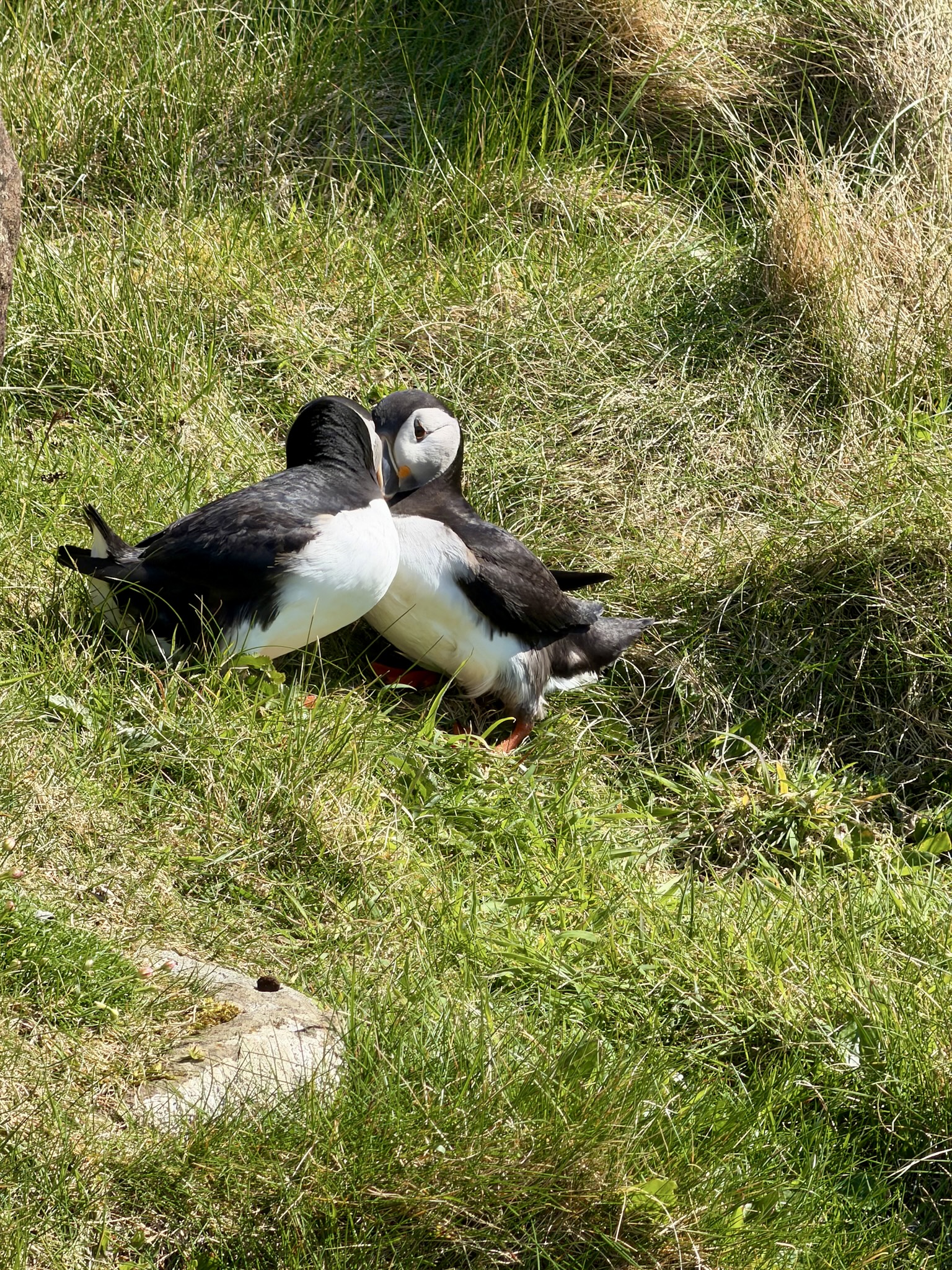
Pairs interact constantly. You’ll see them standing face to face, rubbing their beaks together in what looks very much like a mating gesture. There is sound, but it’s not loud. A low background of calls, nothing you notice from far away. And no smell, at least not in any noticeable way. Considering the number of birds, that’s something you might expect, but it never really becomes part of the experience.
There is a clear marking on the ground indicating how far you can go. It’s not there to keep you away from the edge, but to protect the burrows. Step in the wrong place and you could collapse a nest. People respect it, obviously, and you should too, always.
There are also other rules, like no dogs allowed after a certain point, although not everyone seems to follow them perfectly.
Staffa Tours vs West Coast Tours: What’s the Difference?
They are two separate companies but they operate as a coordinated system.
West Coast Tours is essentially the backbone of the logistics. They handle:
- pre-booking of the ferry tickets from Oban to Mull
- the coach across Mull
- coordination between all parts of the trip
They also have a physical office right in front of the ferry terminal in Oban, which is useful if you want to double-check anything in person before departure. What they don’t do is run a “guided tour” in the usual sense. There’s no guide walking you around, no group management. It feels more like a well-organized ticketing and transport system that gets you exactly where you need to be.
Staffa Tours takes over once you reach Fionnphort.
They operate the small boats that bring you to Staffa, Lunga and Iona. This is the part of the day that feels more like an actual tour. There’s commentary on board during navigation, some context about the islands, and a clearer sense of structure. That said, even here, you’re not guided on land. Once you step off the boat, you explore on your own.
I booked directly through West Coast Tours and even had to contact them when the ferry was delayed. They handled communication with Staffa Tours directly and made sure the boat waited for us.
Important Tips Before You Book
- Check the CalMac ferry status before you leave. The whole tour depends on the Oban to Mull ferry. CalMac provides live service updates, and you should check them the night before and again in the morning.
- Stay at least three nights in Oban. Do not travel to Oban for one night only if this tour is the whole reason you’re going. Weather disruption is normal on the west coast. Give yourself a buffer day or two in case you need to be rebooked.
- Wear proper shoes. For Lunga, hiking shoes or sturdy boots are strongly recommended. Staffa Tours says access involves rocks, a moderately steep climb and uneven/slippery paths. This is not hard hiking, but it is not suitable for weak footwear or mobility issues.
- Bring waterproof layers, even in good weather. I had full sun and calm sea, which was lucky. Operators still recommend layers and waterproof clothing because conditions can change quickly, especially at sea.
- Bring lunch, snacks and water. Food is easy only at the start, on the Oban to Mull ferry, and later on Iona. Between those points, there’s nothing. Bring a packed lunch unless you want to waste your short Iona stop looking for food.
- Use the bathrooms when you can. There are toilets on the main ferry and on the Staffa Tours boat. On the islands, facilities are limited. Staffa has no facilities, and Iona is the only reliable island stop for bathrooms.
- Don’t assume the sea will be calm. My crossing was very smooth, but other reviews mention rougher conditions. If you get seasick, bring whatever you normally use. Staffa Trips also recommends motion-sickness remedies for passengers who need them.
- Bring sunscreen. You’re outside for most of the day, often with little or no shade.
- Don’t expect a guided tour. This is a structured but independent day. You follow the itinerary, board ferries, find buses, and explore islands on your own. Staffa Tours gives commentary on the boat, but nobody walks around the islands with you.
- Book the Iona Abbey ticket ahead if you want to go inside. If you plan to visit Iona Abbey during the two-hour stop, don’t improvise. The alternative is walking to White Strand of the Monks, which is what I’d personally choose again.