
Japan
Japan stretches over more than 3000 kilometers from north to south, which explains why travellers can experience such vastly different climate, landscape, and daily life between regions. Snow-heavy areas like Hokkaido coexist with subtropical islands such as Okinawa, while the main island concentrates most urban and cultural landmarks. Cities like Tokyo operate at a massive scale, with districts built around rail hubs that function as commercial and social centers, while Kyoto preserves one of the world’s highest concentrations of temples, shrines, and traditional streets. Beyond the cities, Japan’s countryside offers to the most curious explorers incredible mountains, volcanic terrains, and charming small towns connected by local rail lines.
Tokyo
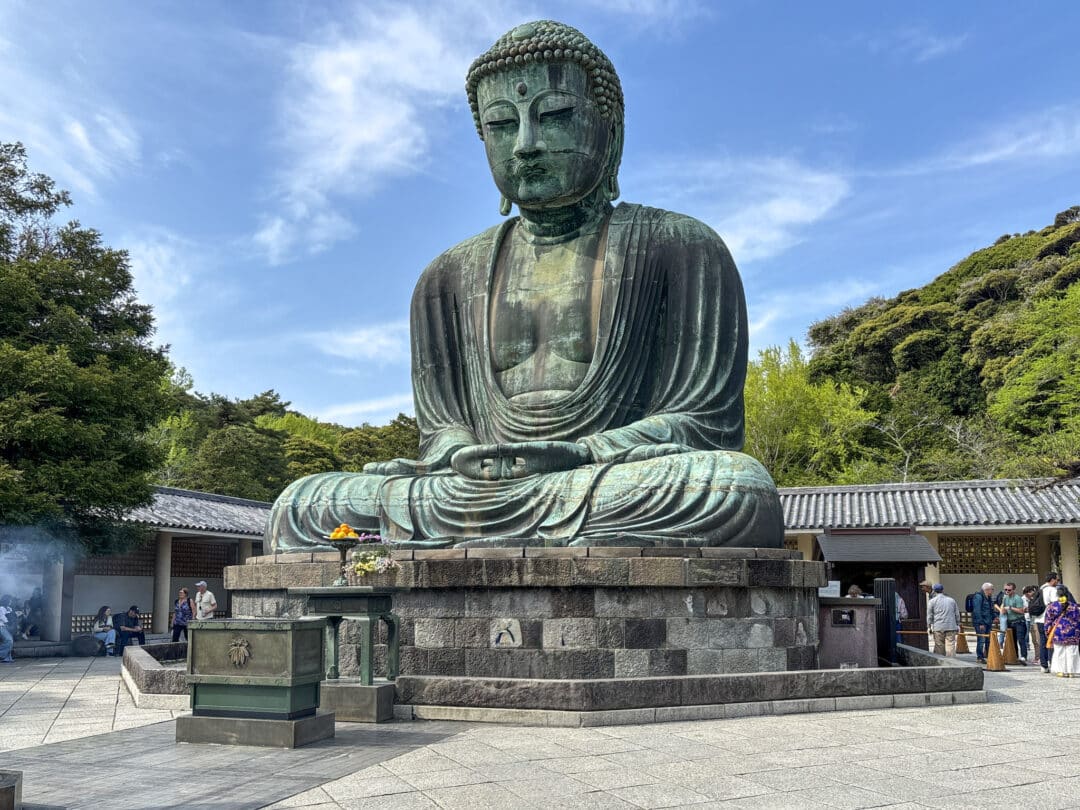
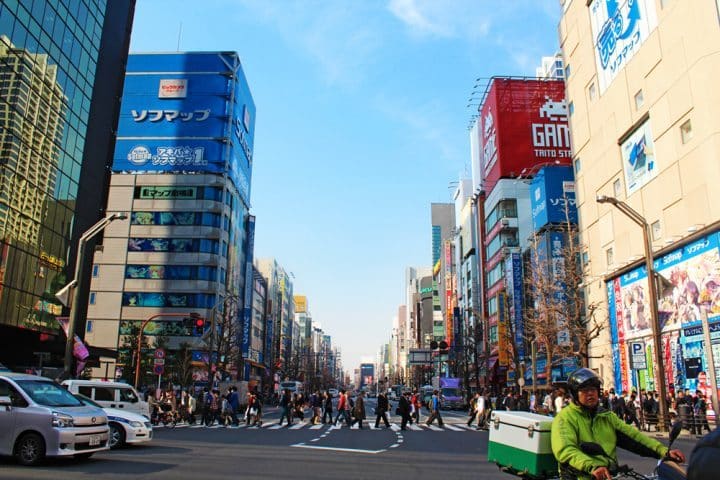
Tokyo operates through districts connected by one of the most efficient subway systems in the world, making movement across the city fast and predictable. Areas like Shinjuku, Shibuya, Asakusa, and Ginza function almost as separate cities, each with its own rhythm, food scene, and daily routines. Dining ranges from standing sushi counters to late-night ramen shops built into train stations. Tokyo also works as a base for easy day trips, with places like Kamakura reachable in under an hour by train.
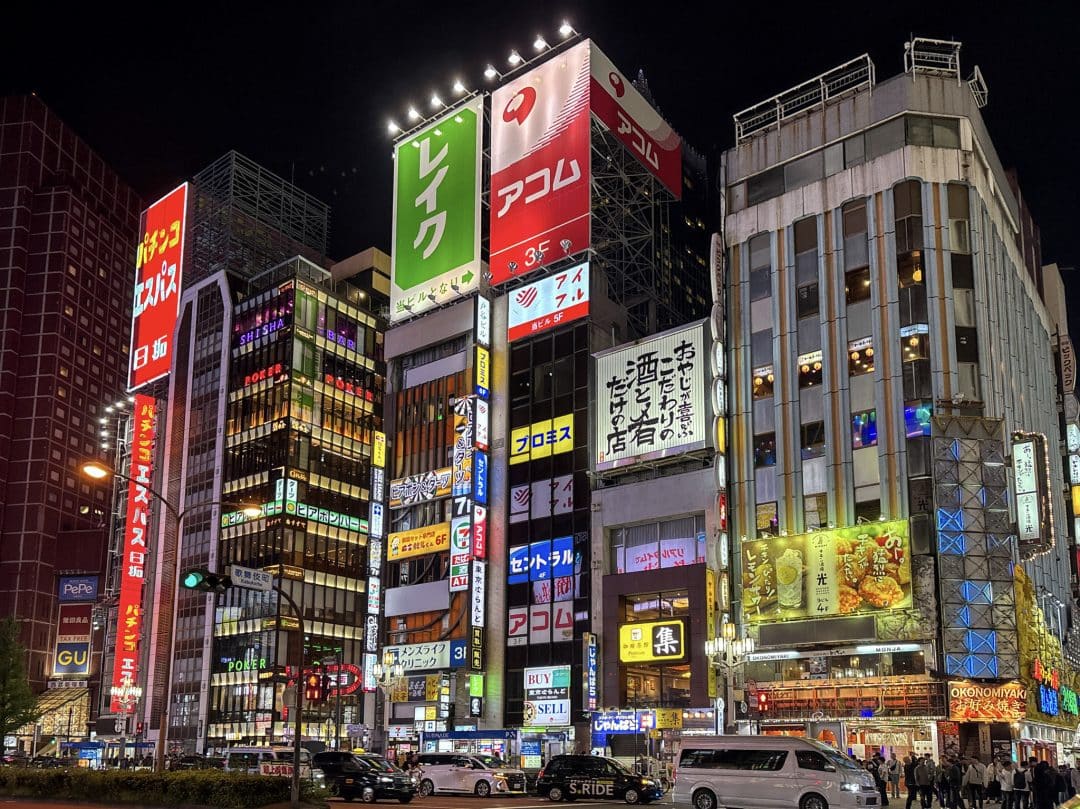
10 Best Things To See in Tokyo for First-Timers
Jun 25, 2026
Planning your first Tokyo trip? Here are the 10 best things to see in Tokyo from sushi breakfast, through quiet shrines, and up to that crossing you’ve seen a thousand times online.

Kyoto
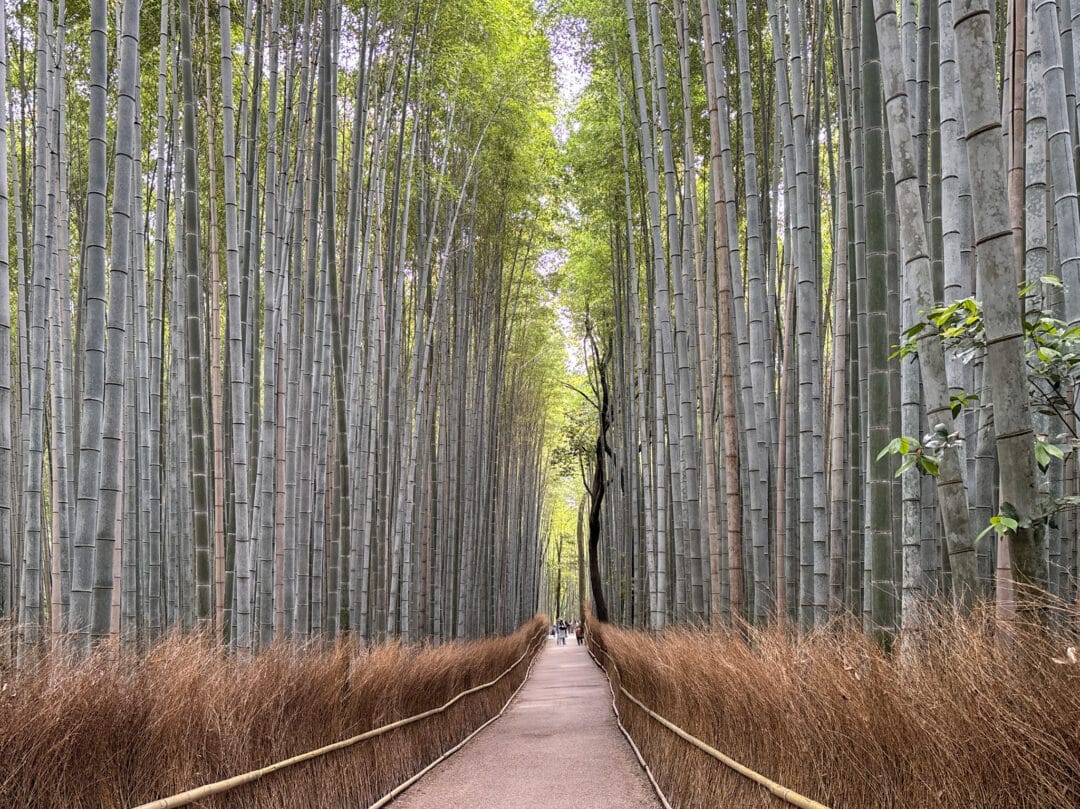
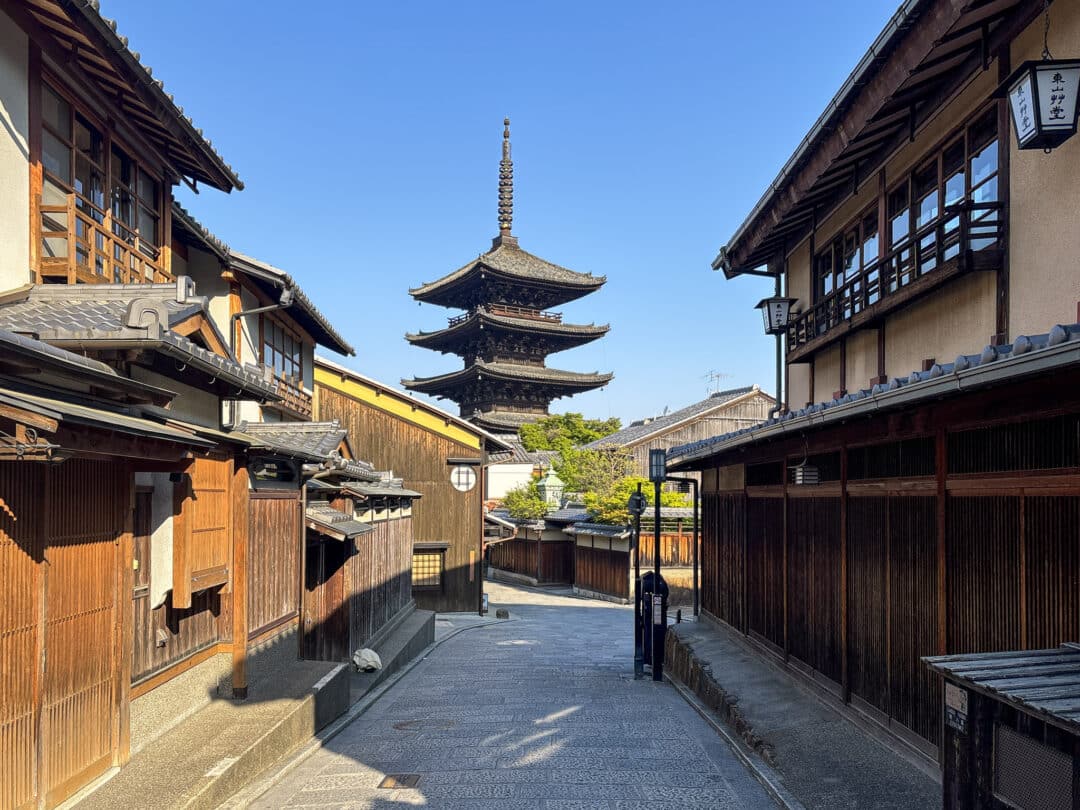
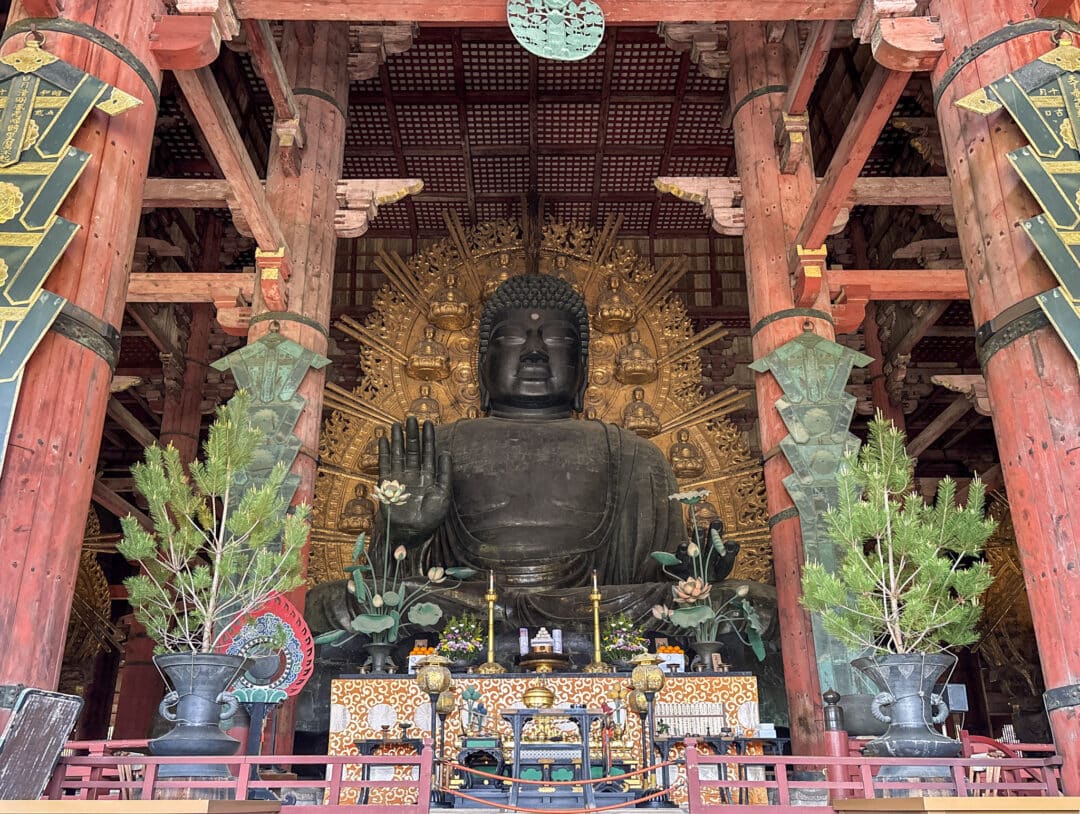
Kyoto is structured around temples, shrines, and preserved neighborhoods that follow a slower daily pace. Major sites like Fushimi Inari, the Arashiyama bamboo grove, and the temple complexes scattered across the city define most visits, often combined with early mornings to avoid peak crowds. Kyoto also connects directly to nearby destinations, with Nara commonly visited as a half-day trip for its temples and park areas.
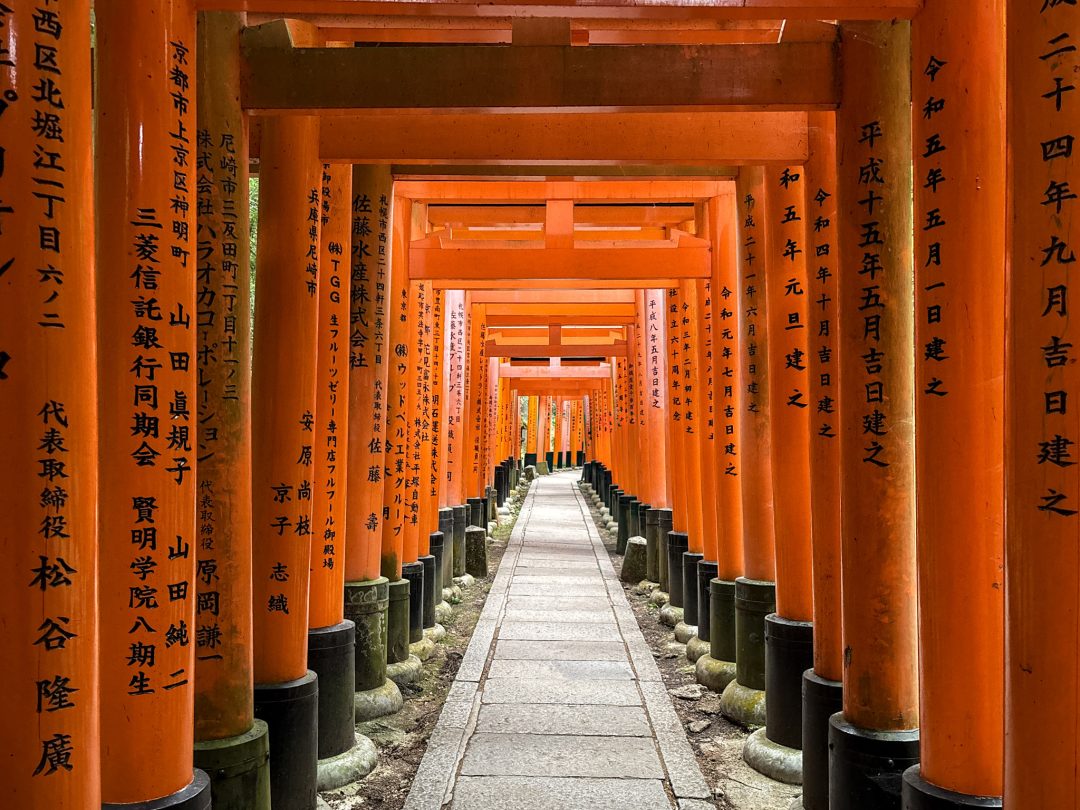

The Perfect Kyoto 3-Day Itinerary for First-Timers
Jun 25, 2026
Three days in Kyoto, expertly paced with early pagodas, the most beautiful shrines, bamboo forests strolls – a complete travel itinerary mapped by someone who’s walked every single step.
Okinawa
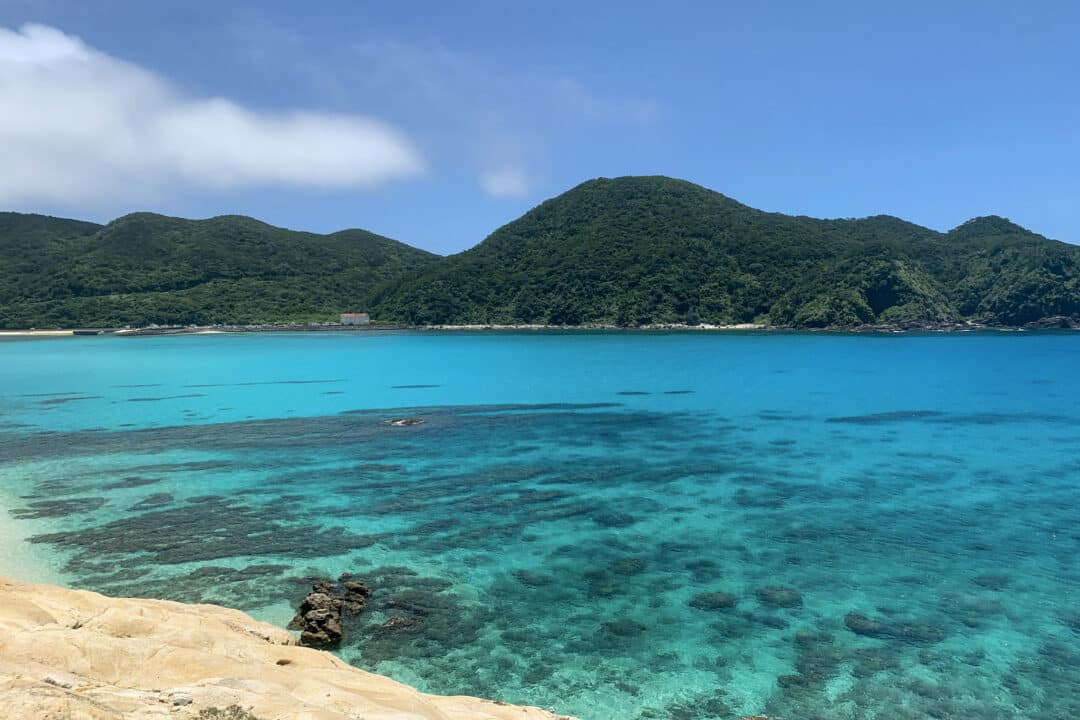
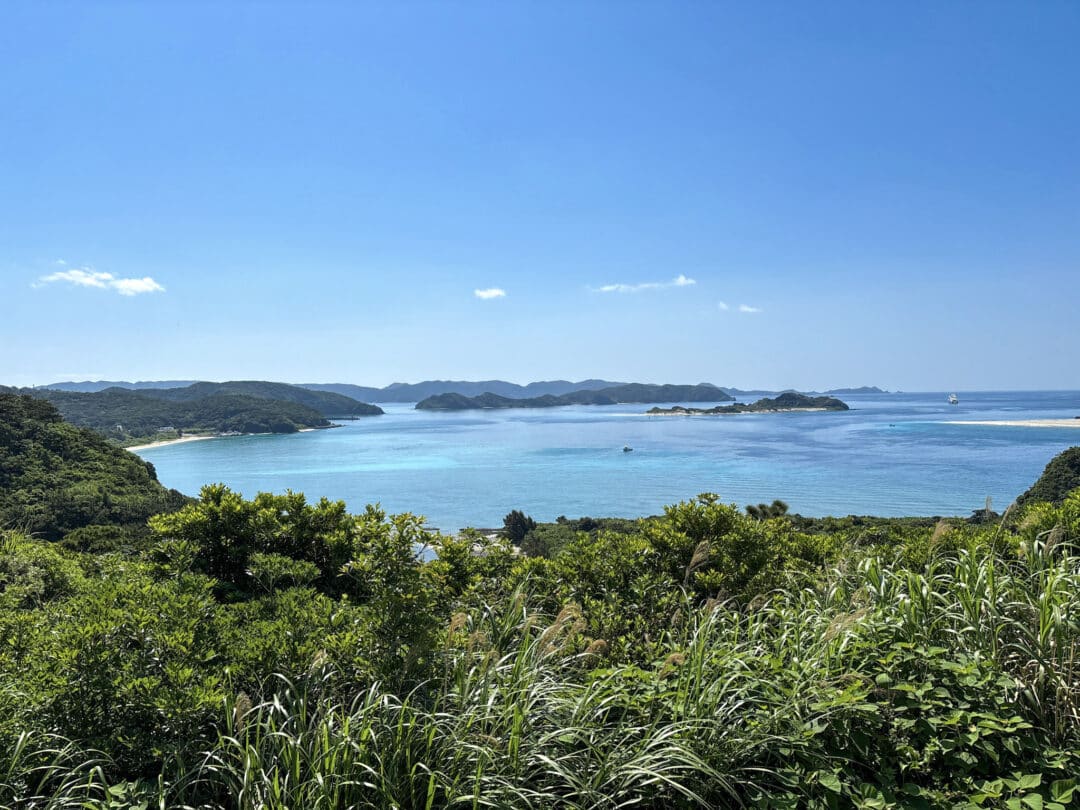
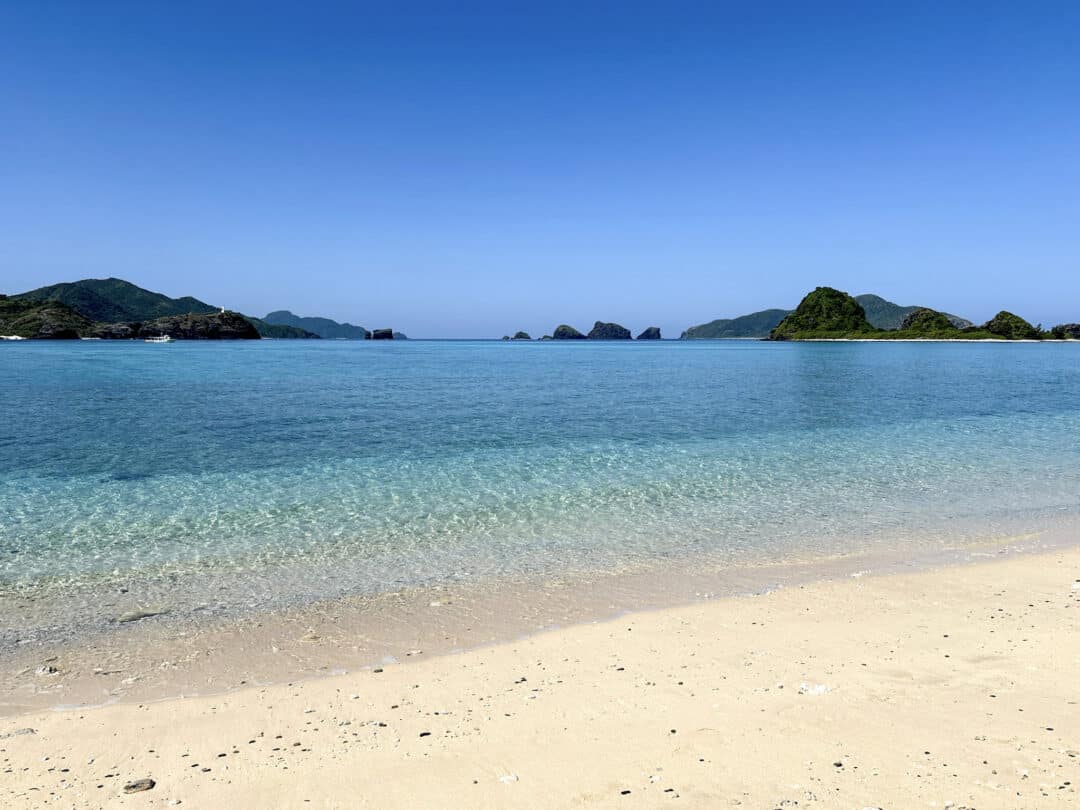
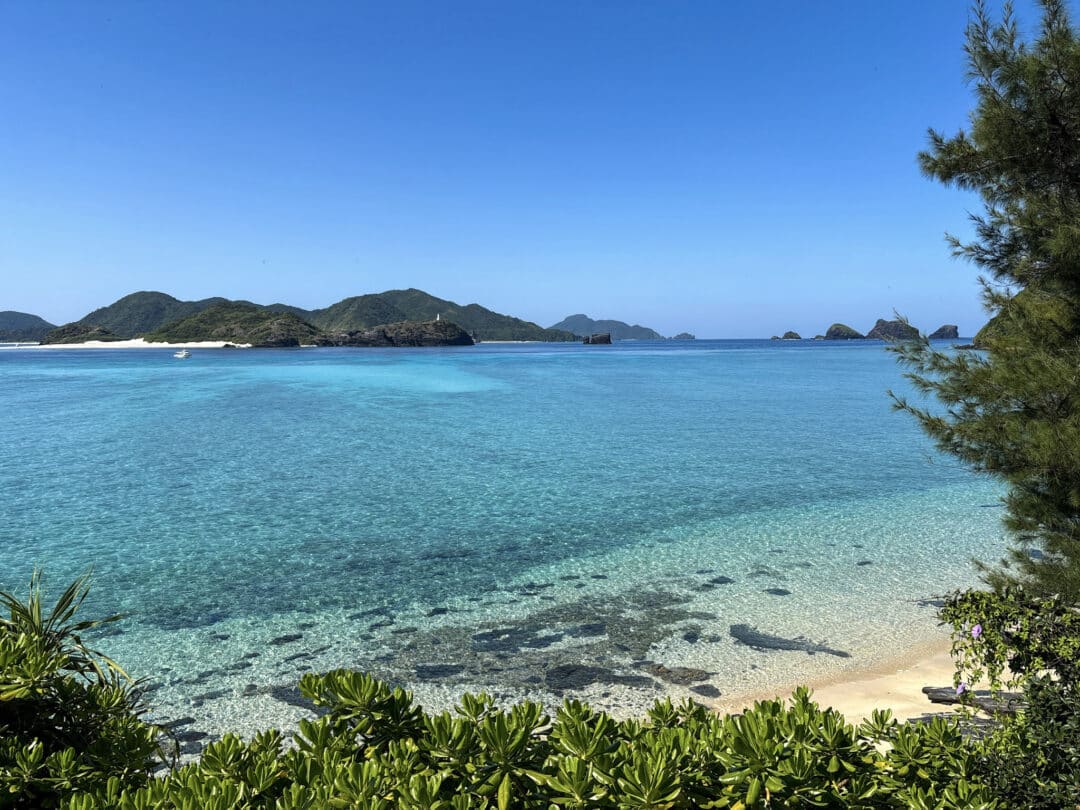
Okinawa is made up of multiple island groups, including the Kerama Islands, Miyako Islands, and Yaeyama archipelago. Travel here centers on beaches, snorkeling, and smaller island hopping rather than urban sightseeing. The climate is subtropical, the food scene differs noticeably from mainland Japan, and many travelers split time between the main island and outer islands like Ishigaki or Miyakojima.
Itineraries & Inspiration
Alongside routes and logistics, this section leaves space for cultural context that shapes travel in Japan. Practical etiquette, everyday customs, seasonal considerations, and social rules often influence how places are experienced as much as geography does. You’ll also find broader pieces that explain why Japan attracts repeat visits, from food culture and regional variation to habits that surprise first-time travelers and quietly define daily life once you’re there.
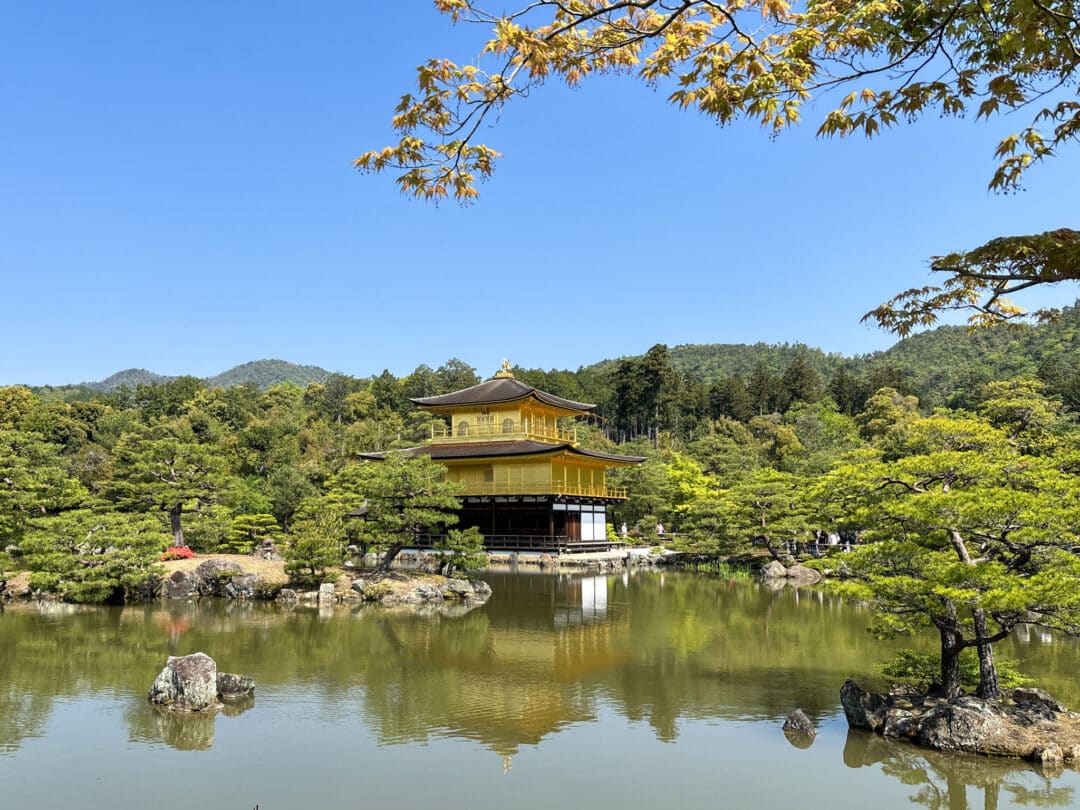
2 Weeks in Japan: My Tokyo, Kyoto & Okinawa Route
Jul 17, 2026
Five days in Tokyo & Kamakura, four in Kyoto & Nara, and five slow ones on a small island in Okinawa. This is the 2-week Japan itinerary I actually followed and loved, day by day.
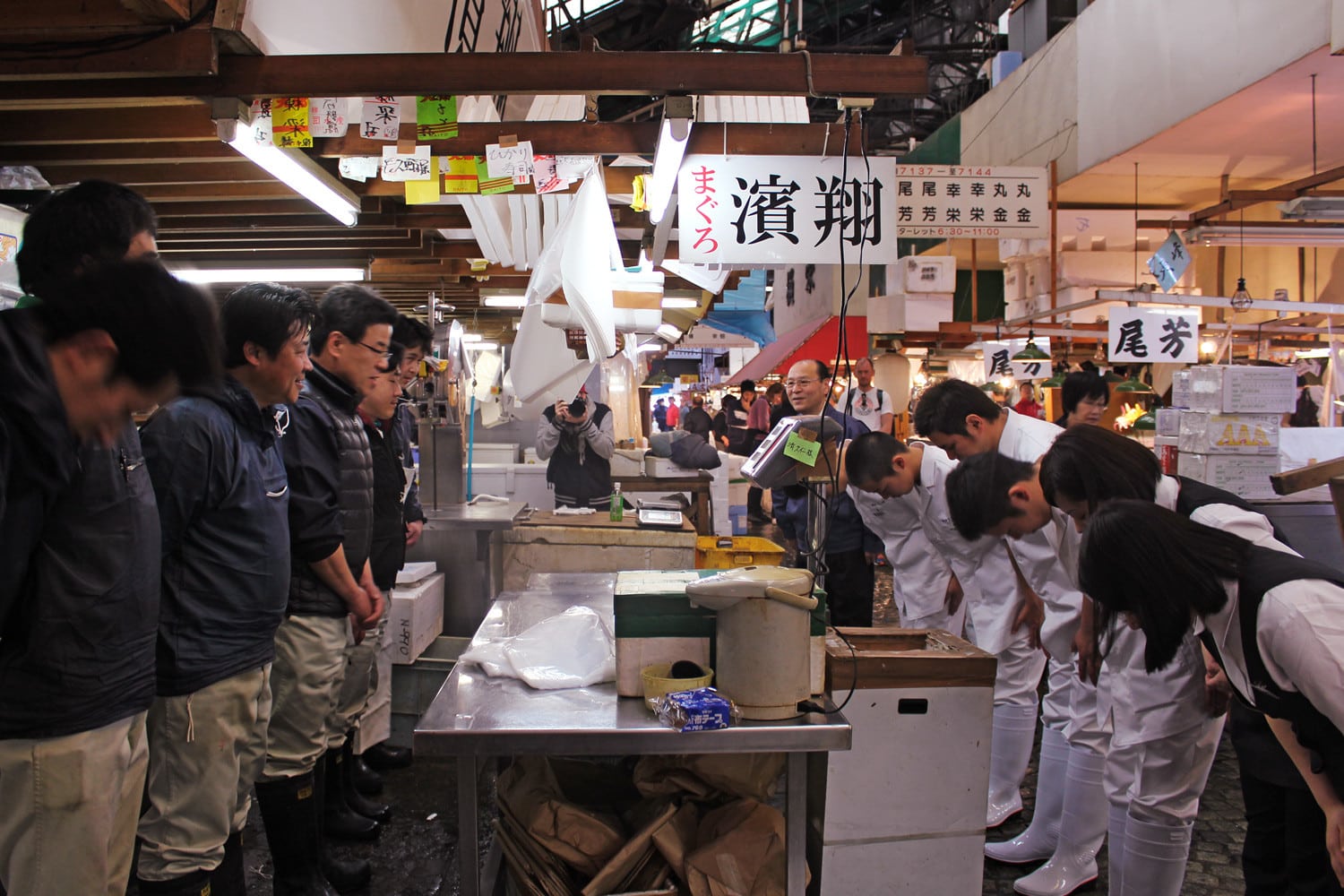
Japanese Etiquette: What to Know Before You Visit Japan
Jul 2, 2026
Japanese social rules can be intimidating to many first-time visitors, and for good reasons. Japan’s 5,000-year-old civilization has developed a very complex code of etiquette and customs. But don’t panic just yet: with some patience and the proper guidelines you can easily get a handle on the basic rules of the Japanese etiquette code.

Here’s Why You Should Visit Japan Right Now
Jun 24, 2026
Millions of travelers every year visit Japan, but why? Why visit Japan? What is so special about Japan anyway? If you’re asking yourself all these questions, then you have come to the right place. From Tokyo to Kyoto, from Osaka to Nara, I’m here to show you all of the beautiful things that Japan has to offer that you won’t find in any other country.