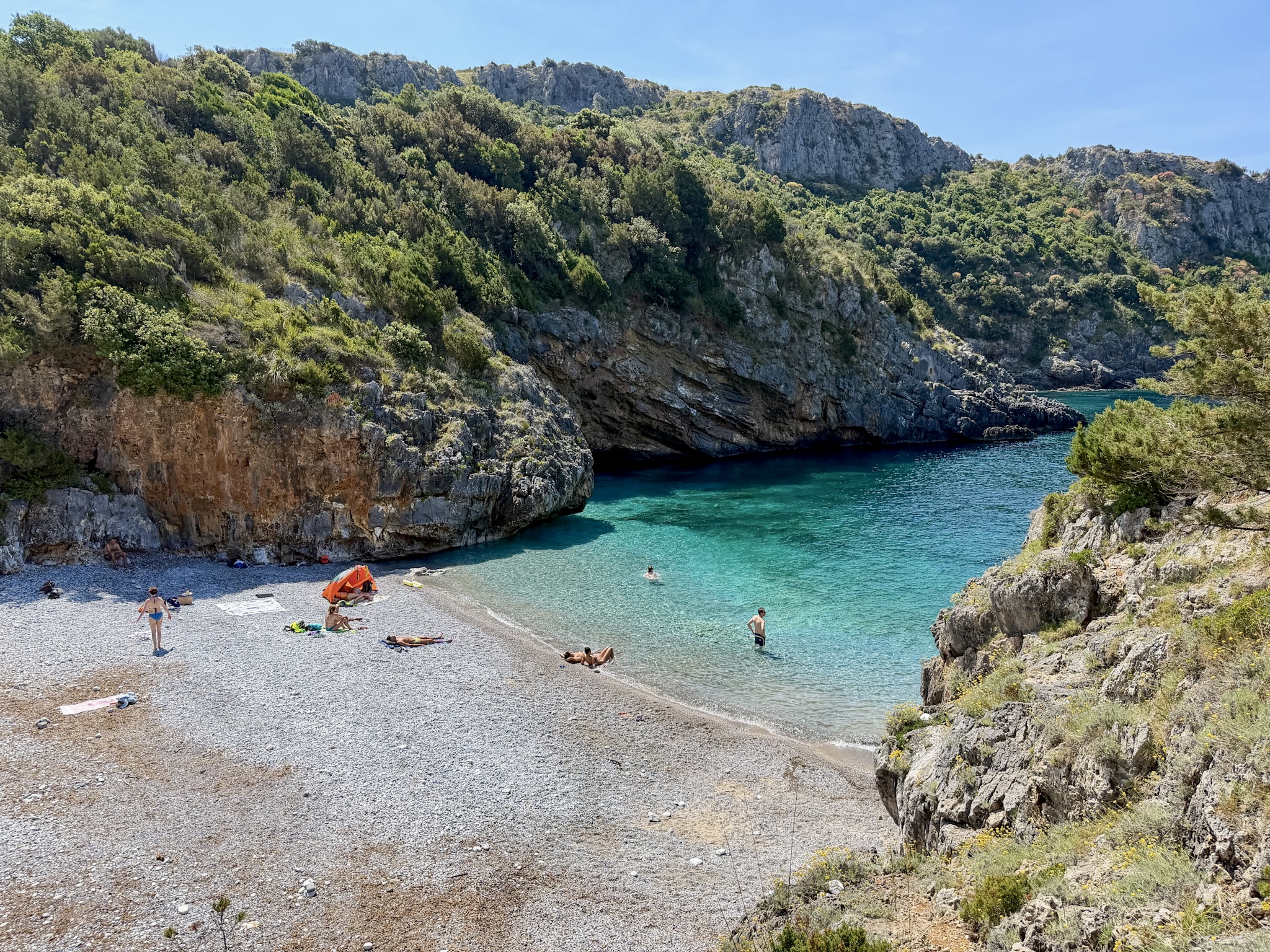
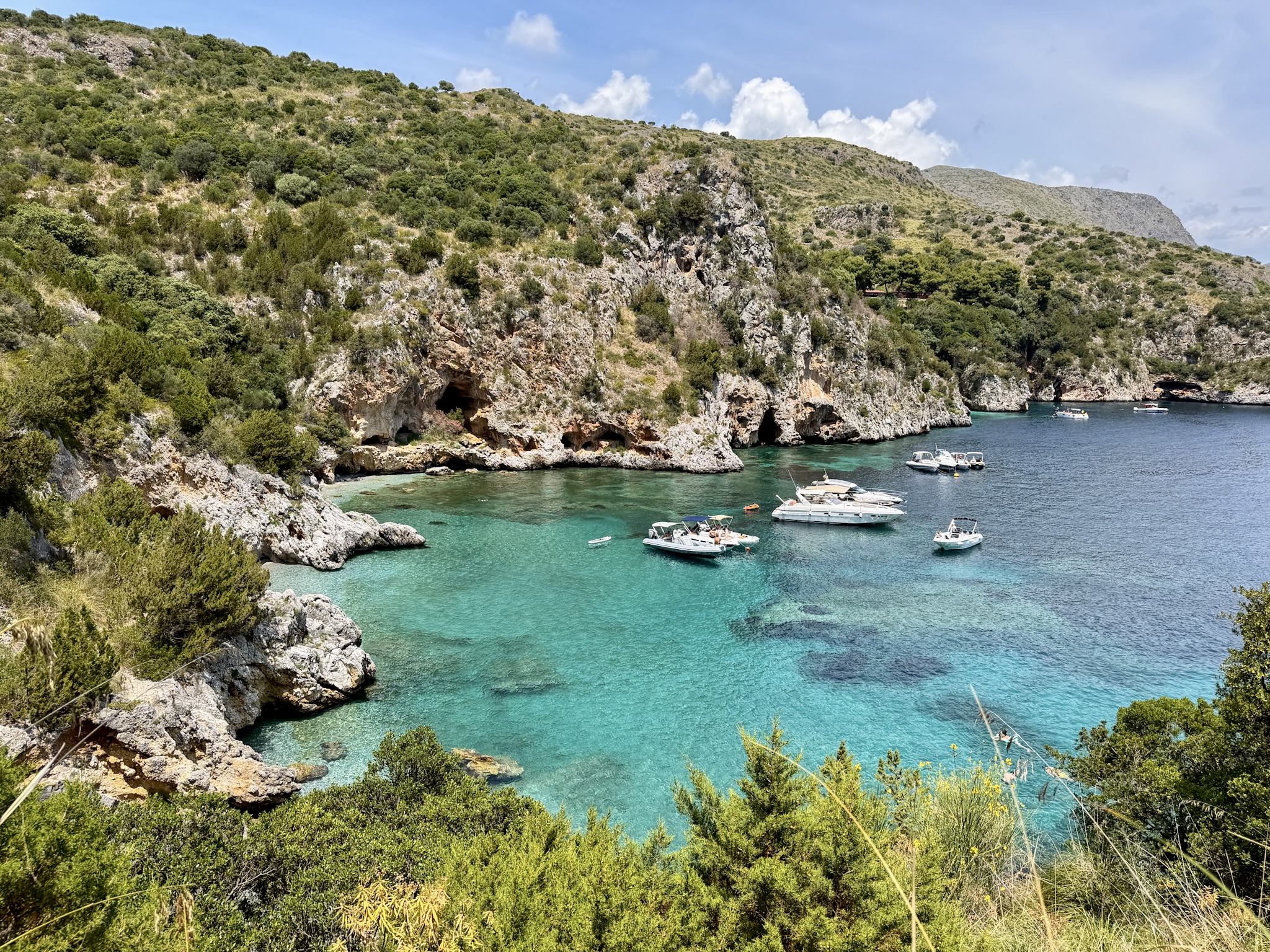
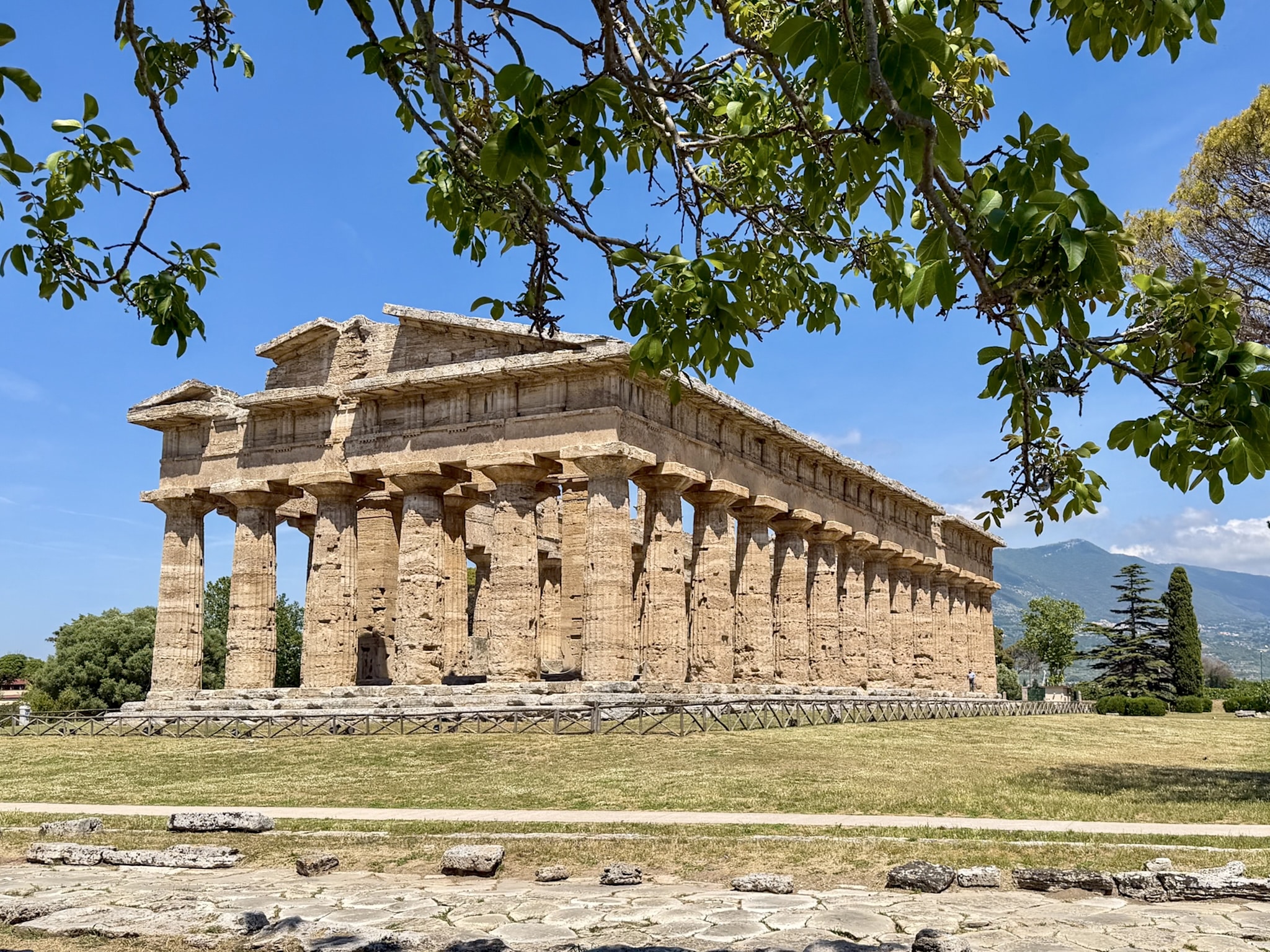
The fastest way to secure a perfect Italian summer: find a beach town where the water is clear, the streets have history and nice restaurants, and the days stretch long. These are the best beach towns in Italy for the job, picked by an Italian (because who else knows better?).

Italy has more than 4,660 miles (7,500 kilometers) of coastline, and I grew up spending summers chasing all of them, from quick weekend escapes in Liguria to long, slow August weeks in the south. In the last 3 years alone, I’ve revisited 7 of the towns in this guide to check how they actually feel post-pandemic travel boom, how prices shifted between 2024 and 2026, and how crowded peak season really gets once schools close across Europe in late June.
If you’re searching for the best beach towns in Italy, you are really making three decisions at once. Water quality, town atmosphere, and logistics. You can absolutely find transparent water in Italy. You can absolutely find beautiful historic towns. Finding both together, with beaches you’ll actually want to spend 6 hours on, is where local knowledge starts saving you time and money.
This guide will help you decide quickly: which towns work best for first-time Italy trips, which ones justify a dedicated 3 to 5 night stay, and where you’ll still enjoy yourself when August crowds hit full force.
Map of the Best Beach Towns in Italy
This map gives you a fast, realistic sense of how Italy’s best beach towns are positioned along the coast and how they naturally group into travel regions you can combine. Looking at it helps you avoid the classic mistake of trying to cover too many coasts in one trip. For example, traveling from North to South, specifically Liguria to Puglia, means roughly 600 miles of distance and typically 9 to 11 hours of combined train or driving time, which is a full travel day.
Use the map in a simple way: pick one coastal region that fits your trip vibes. Then use the destination chapters below to understand the best base town, local access, best things to do, and beach setup.
Planning Your Trip: Airports, Timing, and Budget Expectations
First, choose the right international gateway. Second, understand which regions are train-friendly and which ones lean on cars or ferries. Then you can fine-tune logistics for your chosen beach town, as transport reality changes a lot from place to place.
International airports
Most travelers arrive through Rome Fiumicino, Milan Malpensa, or Venice Marco Polo. Rome Fiumicino works best for central and southern coasts, Milan Malpensa for Liguria and northern Italy coastlines. Inside each destination chapter, you will find the real route logic, including exact train stations, ferry routes, and road access.
Regional transport
Some coastal areas run on dense rail corridors. Liguria and parts of the Adriatic coast allow you to move town to town by train alone with tickets between 8 and 35 euro depending on distance.
Other regions shift toward car plus short drives between beaches. Puglia, Sardinia, and parts of Sicily require rental cars to reach the best beaches. Summer rental prices typically range between 60 and 120 euro per day for compact vehicles fully insured. Certain high density coastal zones also rely heavily on ferries during summer. On the Amalfi Coast and parts of Liguria, ferries can cut travel time by 45 to 90 minutes compared to road traffic in peak season.
Each destination section will break down exactly which combination works best locally.
How long to stay in one coastal area
For a single signature town experience, while 4 nights allows a couple of full beach days plus town exploration. For multi-town coastal exploration inside one region, like Puglia or Sicily, 5 to 7 nights will give you a nice pace with real beach time and extra fun adventures on the side.
What summer travel budgets look like
- Mid-range hotels in major Italian beach towns usually land between 150 and 300 euro per night in July and August. Shoulder season May, early June, and late September often drops similar rooms to 120 to 220 euro per night.
- Beach clubs usually cost between 25 and 40 euro per day for two chairs and umbrella in less famous towns, and between 60 and 180 euro per day in premium locations such as Positano or Capri facing beaches.
- Meals in coastal towns average around 20 to 40 euro per person for lunch and 30 to 60 euro per person for dinner in mid-range restaurants. A staple Aperol Spritz before dinner will usually fall between 6 and 15 euro.
Prices and transport schedules can shift a lot seasonally, especially for ferries and beach clubs, so it always makes sense to check current season availability during final trip planning.
1. Tropea, Calabria

Tropea is easily one of the best beach towns in Italy for those who want postcard views without the crowds. Perched high above the bluest water you’ve ever seen, the town itself is a maze of old palazzos, sun-faded shutters, and restaurants serving fresh swordfish like it’s no big deal.
What You Can't Miss in Tropea
The historic town rises about 165 feet (50 meters) above the coastline, creating one of the most recognizable beach skylines in southern Italy, especially around the Santa Maria dell’Isola monastery, which sits on its own rock outcrop just off the main beach and becomes the visual anchor for almost every photo taken here.
When you’re not in the water, wander through the Centro Storico, grab a cone of tartufo di Pizzo (a next-level chocolate-hazelnut gelato ball), and catch sunset at Piazza del Cannone, where the view turns the whole place gold.
Best Beaches in Tropea
- Spiaggia della Rotonda is the main central beach directly below the historic center and near Santa Maria dell’Isola. This is where you get the postcard Tropea view with the monastery on the rock and the old town rising above you. The sand here is light and fine, and the seabed drops gradually, which makes swimming comfortable even if you like staying in shallow water. Beach clubs here usually charge between 30 and 45 euro per day for two chairs and umbrella in peak summer.
- Spiaggia del Cannone sits just north of the main beach and feels slightly more protected and quieter. The beach space is smaller, which gives it a more intimate feeling, and water clarity here is often excellent because of how currents move along this section of coast. This is a good choice if you want the Tropea scenery without the densest part of the crowd.
- Marina dell’Isola stretches south of the monastery and gives you longer walking space along the shoreline. Free beach sections are easier to find here, especially outside the most central areas. If you want a beach day that mixes swimming with long shoreline walks, this is usually the most flexible area.
- For day exploration, Capo Vaticano sits about 20 minutes south by car and gives you access to beaches like Grotticelle, where the water color shifts between deep blue and bright turquoise depending on light and depth. Parking near Capo Vaticano beaches usually costs between 5 and 10 euro per day in summer.
Getting To and round Tropea
Fly into Rome (FCO) or Milan (MXP). From either airport, you can take a domestic flight to Lamezia Terme, which is the closest airport to Tropea. From Lamezia, a regional train takes about 1.5 hours to reach Tropea. Renting a car is an option, but parking in the town can be challenging. Inside town, everything is walkable. The historic center to main beach descent usually takes 10 to 15 minutes on foot depending on which stair access you use.
2. Cefalù, Sicily

Sicily does beach towns better than most Italian regions, and Cefalù is proof. It sits on the northern coast of Sicily, about 43 miles (70 kilometers) east of Palermo. It’s got the medieval streets, the golden sand, and the kind of sunsets that turn the whole town into a Renaissance painting. It’s lively but not overwhelming, touristy but still local, and the kind of place where an afternoon swim casually turns into a four-hour seafood dinner.
Fun Things To Do in Town
The Duomo di Cefalù (a UNESCO site) dominates the town skyline and dates back to the 12th century. The interior Byzantine mosaics, especially the Christ Pantocrator, are among the most important medieval artworks in southern Italy. Entry is usually free, and lines are usually manageable outside late July and August afternoons.
La Rocca di Cefalù rises about 270 meters above town and gives you a full view of coastline curvature. The hike to the top usually takes between 45 and 60 minutes depending on pace. Entrance to the archaeological park usually costs around 5 euro. The path is rocky and exposed to sun, so water and proper shoes help.
The old port area near Porta Pescara gives you one of the best sunset walking areas in town. Restaurants along this section usually specialize in seafood pasta and grilled fish, with dinners typically landing between 35 and 60 euro per person in mid range places.
Beautiful beaches in Cefalù
- Spiaggia di Cefalù is the main town beach and stretches directly along the old town waterfront for roughly 0.9 miles (1.5 kilometers). The sand is fine and golden, and the seabed slopes gently. Beach clubs here usually charge between 30 and 50 euro per day for two chairs and umbrella in peak summer. The western end of the beach, closer to the marina area, usually gives you slightly more free beach sections. The eastern stretch toward Lungomare Giuseppe Giardina has more beach club density and easier access to cafés and showers.
- Mazzaforno Beach sits about 3 miles (5 kilometers) west of town and feels more local and less dense. This area mixes sand and small stones, and water clarity here often stays excellent because fewer boats operate in this stretch. Driving time from town center usually sits around 10 minutes, and parking areas often cost between 3 and 5 euro per hour.
- Caldura Beach sits closer to the La Rocca side of town and gives you rock platform swimming with extremely clear water, which works well if you enjoy snorkeling style swimming instead of long sand entry beaches.
Getting To and Around Cefalù
Fly into Palermo Airport (PMO), which has direct flights from some European cities but usually requires a connection from Rome, Milan, or another major hub. From Palermo, Cefalù is an easy 1-hour train ride along the coast. A rental car isn’t necessary unless you plan to explore more of Sicily.
3. Positano, Amalfi Coast, Campania

Despite the crowds and the price tag, Positano stays firmly on the list of the best beach towns in Italy, simply because nowhere else looks quite like it. The pastel-coloured houses, the designer boutiques, the yachts bobbing offshore—it all screams "I’m on vacation, and it’s expensive." But despite the high-end reputation, it’s still one of the most stunning places to swim in Italy.
The Best of Positano
Start in the upper lanes around Via dei Mulini and follow the flow downhill, because the town’s design gives you a natural route and saves your legs for later. The main landmark is the Chiesa di Santa Maria Assunta, easy to recognize by its majolica tiled dome, and it sits close enough to the waterfront that you can pop in, look up, and be back on the beach within 5 minutes.
For views, take 10 minutes to walk to the edge of town near the Spiaggia Grande waterfront, then look back toward the hillside. It’s the angle that explains Positano’s appeal in one frame. At the end of your day, walk up to Le Sirenuse for sunset drinks (if your wallet can handle it).
On the water side, Positano functions as a launching point. Boat services and tours run to Capri and along the Amalfi Coast, and a half day shared boat tour commonly lands in the $70 to $130 range per person depending on the season and boat size.
Best Beaches in the Town
- Spiaggia Grande is the headline beach, the one with rows of umbrellas and the full skyline rising behind it. The beach is pebbly, with darker sand mixed in, and the water gets deep fairly quickly. In peak summer, two chairs and an umbrella often sit around $80 to $140 per day depending on the exact section and service level, and the free beach strip becomes prime real estate early in the day.
- Fornillo Beach sits about a 0.4 mile walk from Spiaggia Grande along the coastal path. It feels more relaxed in mood, with a slightly narrower shoreline. Chair and umbrella pricing is usually a little softer than Spiaggia Grande, often in the $60 to $110 range for a set, again depending on the day.
- Arienzo Beach, often called the “300 steps” beach, sits about 1.2 miles east of the center. It’s smaller, scenic, and sunlit later in the day, which makes it a smart choice if your morning started slow. Access involves stairs, and many people reach it by boat shuttle in summer, which turns the trip into part of the fun.
- Laurito Beach sits about 2.1 miles west of town and feels like a tucked away cove, with a smaller footprint and clear water that invites long floats. It’s a good option when you want a quieter setup and you’re happy to commit to a single beach for the day.
Getting To Positano
The nearest airport is in Naples (NAP), which has direct flights from some U.S. cities and easy connections via Rome. From Naples airport, you can take a taxi to reach the main port and then hop on a 1.5-hour ferry, which will take you directly to Positano. Another common route is train from Naples to Sorrento, then private transfer to Positano. Driving is possible but not recommended due to heavy traffic and scarce parking.
Inside Positano, everything runs on foot and stairs. The practical rule is simple: choose lodging based on your tolerance for climbs. A hotel that looks only 0.3 miles from the beach can still mean hundreds of steps.
4. Alghero, Sardinia

Alghero sits on the northwest coast of Sardinia, about 100 miles northwest of Cagliari, and it feels different from most Italian beach towns the moment you step into the historic center. Street signs appear in both Italian and Catalan, the old town walls run directly along the sea, and sunset happens right over the water, which is rare in Italy unless you are on the west coast.
Top Activities in Alghero
The historic center inside the Bastioni walls is the core experience. The sea facing walls create a walking path where you can see straight out over the Mediterranean, and the light here in late afternoon turns the stone almost honey colored. Cattedrale di Santa Maria sits inside the old town and gives you a quick architectural break from beach time. Around it, streets fill with small shops selling coral jewelry, which has been part of Alghero’s identity for generations.
The waterfront promenade outside the walls stretches for about 1.5 miles, connecting the old town to Lido Beach. It’s flat, wide, and built for long evening walks, bike rides, or simple pre dinner wandering.
Boat tours to the Neptune’s Grotto area usually last between 2 and 3 hours and typically cost between 70 and 120 dollars per person depending on boat size and season. The cave system sits below dramatic cliffs and is one of the most photographed natural sites in northern Sardinia.
Beautiful beaches in Alghero
- Spiaggia del Lido di Alghero starts almost directly from town and runs for roughly 2 miles along a long, sandy shoreline. The sand is pale and soft, and the water stays shallow for a long distance, which keeps the water warm and comfortable for long swimming sessions. Beach clubs usually cost between 35 and 65 euro per day for two chairs and umbrella.
- Maria Pia Beach sits about 2 miles north of the old town and feels more natural and open, with pine trees behind the beach and wide sand sections. This is often the best balance between convenience and space. Parking nearby usually costs between 5 and 10 euro per day in peak season.
- Le Bombarde Beach sits about 6 miles north of Alghero and gives you clearer, deeper water with a slightly more dramatic coastline. This is where many locals go when they want a full beach day outside the city.
- Lazzaretto Beach sits about 7 miles north of town and breaks into small coves separated by rock formations, which makes it great for swimming and snorkeling. The water here often looks deeper turquoise compared to the city beaches.
Getting There
Fly into Rome (FCO) or Milan (MXP) first, then take a connecting flight to Alghero Airport (AHO), which is about 20 minutes from town. Inside Alghero, the historic center and Lido beach area are fully walkable. For beaches like Le Bombarde or Lazzaretto, rental cars or seasonal beach buses work best.
5. Monterosso al Mare, Cinque Terre, Liguria

Cinque Terre isn’t exactly known for its beaches—steep cliffs and tiny rocky coves are more the vibe—but Monterosso is the exception. It’s the only town in the famous five that has an actual, lay-down-and-stay-all-day sandy beach, making it the go-to choice if you want to swim without dodging sea urchins.It sits on the Ligurian coast about 55 miles southeast of Genoa and about 65 miles northwest of Pisa, and it splits naturally into two zones, the historic old town and the newer Fegina area, connected by a short pedestrian tunnel you can cross in about 5 minutes.
What Should Be On Your Bucket List
The old town sits on the west side and feels older, tighter, and more atmospheric, with narrow lanes that open into tiny squares where restaurants spill onto stone streets. This is where you go for slow dinners and evening walks that feel properly Ligurian, with focaccia, anchovies, and white wine dominating menus. The seafront promenade runs for about 0.7 miles and connects beach clubs, cafés, and small gelato spots, which makes it perfect for post swim wandering.
The Sentiero Azzurro hiking trail connects Monterosso to Vernazza, and the trail section is about 2.2 miles one way. Hiking time lands between 1.5 and 2 hours depending on pace and heat. Entrance fees for Cinque Terre trails usually sit around 8 to 12 euro depending on season and ticket type.
The Beach in Monterosso
- Spiaggia di Fegina is the main beach and stretches for roughly 0.6 miles, which is huge by Cinque Terre standards. The sand is golden and mixed with small pebbles, and the water gets deep fast, which makes swimming feel clean and open. Beach clubs here usually charge between 70 and 140 dollars per day for two chairs and umbrella in peak summer. The free beach section sits closer to the train station side of Fegina, and it fills early on hot days, often by mid morning.
- Spiaggia del Centro Storico, sometimes called the old town beach, is smaller and sits right next to the historic harbor. It mixes sand and small stones and feels less scenic but more local.
Getting To and Around Monterosso:
Fly into Milan (MXP), Florence (FLR), or Pisa (PSA), as Cinque Terre does not have its own airport. From Milan, Florence, or Pisa, take a train to La Spezia, the main transport hub for Cinque Terre. From La Spezia, there are frequent direct trains to Monterosso al Mare, taking about 30 minutes. A car is unnecessary and also not practical here.
Regional trains connect all five Cinque Terre towns, and travel between Monterosso and Vernazza takes about 4 minutes by train, while Monterosso to Riomaggiore usually takes about 15 to 20 minutes.
Inside Monterosso, everything is walkable.
6. San Vito Lo Capo, Sicily

San Vito Lo Capo might not have the international fame of other Italian summer destinations, but most locals would agree that is one of the best beach towns in Italy. It sits on the northwest coast of Sicily, about 65 miles west of Palermo, in a wide natural bay backed by steep mountains. The first time I drove in, the landscape changed in the last few miles, where dry hills suddenly open into a flat coastal strip that looks almost Caribbean in color but still feels unmistakably Italian.
Best things to do in town
The town center revolves around Piazza Santuario and the Sanctuary of San Vito Martire, a fortress-style church that anchors the skyline and gives you orientation anywhere in town. Around it, streets fill with seafood restaurants, gelato shops, and small bakeries where couscous di pesce appears on menus year-round because this part of Sicily sits culturally closer to North Africa than mainland Italy.
Boat tours along the coast usually run between 2 and 4 hours and often cost 55 to 90 dollars per person, depending on boat size and season.
San Vito Lo Capo Beaches
- Spiaggia di San Vito Lo Capo is the main beach and stretches for roughly 2 miles along a wide crescent bay. The sand is extremely fine and pale, and the seabed stays shallow for a long distance, which keeps water warm and comfortable for long swims. Beach club setups here usually cost between 35 and 60 dollars per day for two chairs and umbrella in peak summer. The western end of the beach, closer to the port, often feels slightly quieter and gives you more space for free beach setups.
- Macari Beach sits about 4 miles east of town and gives you a more open landscape with mountains behind and long sunset views over the water. Parking areas here usually cost between 6 and 10 dollars per day in summer.
- Then there's Riserva dello Zingaro, a stunning nature reserve with hidden coves and hiking trails, with coves like Cala Tonnarella dell’Uzzo and Cala Marinella that offer extremely clear water and strong snorkeling visibility. Reaching these coves usually requires hiking between 0.8 and 2 miles depending on entry point.
How to Get to San Vito Lo Capo
Fly into Palermo (PMO), which has international connections but may require a stopover in Rome or Milan. From Palermo, San Vito Lo Capo is about a 1.5 to 2-hour drive. Public transport options are limited, so renting a car is the easiest way to get there.
7. Vieste, Puglia

Vieste sits on the edge of the Gargano Peninsula, about 115 miles northeast of Bari, a chunk of coastline that feels nothing like the rest of Puglia, with wild limestone cliffs, hidden sea caves, and beaches that stretch for miles. It’s less famous than other areas in Puglia but just as stunning, with far fewer tourists and way more space to breathe.
Best Places To Visit in Vieste
The historic center is compact and slightly chaotic in a good way, where you can cross most of it in about 0.5 miles of walking. The Cathedral of Santa Maria Assunta sits near the highest part of town, and small terraces around it give you views straight over the Adriatic.
Pizzomunno, the massive limestone sea stack sitting directly on the main beach, is Vieste’s natural landmark. It rises about 80 feet out of the sand and becomes the visual anchor for most photos of the town.
Boat tours to the Gargano sea caves usually run between 2 and 4 hours and often cost between 65 and 110 dollars per person depending on boat size and season. These tours reach sections of coast that you cannot access by road and are one of the best ways to understand how rugged this coastline really is.
Beautiful Beaches in Vieste
- Spiaggia del Castello sits directly below the old town and runs for roughly 1.8 miles of sand. The beach mixes sand with small pebbles, and the water usually stays very clear because currents move consistently along this stretch. Beach clubs usually cost between 35 and 70 dollars per day for two chairs and umbrella in summer.
- Spiaggia di Pizzomunno sits in the same stretch and is where you get the best views of the sea stack with the old town behind you. The seabed slopes gradually, which makes swimming comfortable even if you like longer shallow water sections.
- Baia delle Zagare sits about 30 miles south of Vieste and is one of the most scenic beaches in southern Italy, with white cliffs, sea stacks, and very clear deep blue water. Access sometimes requires stairs or hotel beach access depending on season, and parking nearby usually costs between 8 and 15 dollars per day.
- Spiaggia di Scialmarino sits about 4 miles north of town and gives you a longer, flatter sand beach with more space and often lighter crowd density compared to town beaches.
Getting To Vieste
The closest major airport is Bari Airport (BRI), which has flights from major European cities but usually requires a connection from Rome or Milan for long-haul travelers. Driving from Bari to Vieste usually takes about 2 hours 30 minutes to 3 hours, covering roughly 115 miles, depending on traffic and season.
Public transport exists but often requires multiple bus connections, which can push total travel time past 4 hours, so rental cars become the most practical option for most travelers.
8. Santa Teresa di Gallura, Sardinia

Santa Teresa Gallura sits on the very northern tip of Sardinia, about 40 miles north of Olbia and only about 8 miles across the water from Corsica, and that geography shapes everything here. The wind feels stronger, the water often looks brighter, and on clear days you can see the white cliffs of Bonifacio across the strait. It’s less flashy than the Costa Smeralda but just as stunning, without the billionaire yacht crowd taking up all the space.
Top Things To Do
Piazza Vittorio Emanuele is the center of town life, where cafés fill in the evening and you start noticing how many travelers use Santa Teresa as a base for exploring the northern Sardinia coast. The Torre di Longonsardo, a 16th century coastal tower, sits above the harbor and gives you one of the best views over the strait toward Corsica. Walking there from the main square usually takes about 10 minutes.
Boat excursions to the Maddalena Archipelago or along the northern coast usually run between 4 and 8 hours and often cost between 90 and 160 dollars per person depending on route and season. The ferry to Bonifacio in Corsica usually takes about 50 to 60 minutes, which makes international day trips surprisingly realistic from here.
Beaches You Should See
- Rena Bianca Beach sits directly below town and stretches for about 0.4 miles of extremely fine white sand. The seabed stays shallow for a long distance, which keeps water warm and makes long swimming sessions easy. Beach club sections usually cost between 45 and 85 dollars per day for two chairs and umbrella in summer.
- Capo Testa sits about 3 miles west of town and completely changes the landscape, with granite rock formations, small coves, and extremely clear water. Beaches like Cala Spinosa mix rock entry with small sand pockets and are excellent for snorkeling.
- Rena di Ponente and Rena di Levante sit on opposite sides of the Capo Testa area and give you two completely different wind exposures, which is useful on windy days because one side is usually calmer.
- Valle dell’Erica beaches sit about 7 to 9 miles east of town and give you long, quieter sand stretches with extremely transparent water and views toward small offshore islands.
Getting To and Around Santa Teresa
Fly into Olbia Airport (OLB), which is the closest major airport. Olbia has some seasonal international flights but may require a connection through Rome or Milan. From Olbia, Santa Teresa Gallura is a 1.5-hour drive. Renting a car is highly recommended, as public transport is sparse.
9. Camogli, Liguria

Camogli sits on the Ligurian coast about 20 miles east of Genoa, tucked between steep green hills and a narrow strip of waterfront where tall pastel buildings face directly onto the sea. It's truly the Ligurian beach town everyone wishes they knew about sooner. If Cinque Terre feels too hectic, this is the quieter, effortlessly beautiful alternative, and one of the best beach towns in Italy.
Activities in Camogli
The seafront promenade is the heart of daily life here. It runs along the main beach and harbor, and it’s where morning coffee, afternoon swims, and evening walks all naturally happen. The Basilica di Santa Maria Assunta sits directly above the waterfront and is visible from almost every angle of town. Walking up to it from the promenade usually takes about 3 to 5 minutes. The small harbor area is still active with fishing boats, and early evening is usually the best moment to walk here, when boats return and restaurants start setting tables outside.
From Camogli harbor, boat services run to San Fruttuoso and Portofino depending on season. Boat rides to San Fruttuoso usually take about 30 minutes and typically cost between 35 and 70 dollars depending on operator and season.
Top Beaches in town
Spiaggia di Camogli runs along the entire waterfront and stretches roughly 0.4 miles. The beach is made of smooth grey pebbles, which keeps the water extremely clear. The seabed gets deep fairly quickly, which makes it excellent for swimming if you like deep water close to shore. Beach club setups usually cost between 45 and 85 dollars per day for two chairs and umbrella in peak summer.
Free beach sections exist between beach clubs, and locals often use these areas, especially early in the day.
How to Get To Camogli
Fly into Genoa Airport (GOA), which has some European connections but usually requires a stopover in Rome or Milan. From Genoa, Camogli is a 40-minute train ride. Milan Malpensa (MXP) is another option, with a 2.5-hour train ride to Camogli. No car is needed.
10. Polignano a Mare, Puglia

Polignano a Mare sits on limestone cliffs above the Adriatic about 22 miles south of Bari, and it is one of those towns where the geography does half the storytelling for you. The old town hangs directly over the water, balconies lean toward the sea, and the coastline breaks into small coves where the water turns deep blue within a few yards of shore.
What's in Polignano
The historic center is the main experience. Enter through the Arco Marchesale and follow the small lanes toward the sea. Many streets end in terraces built directly over the cliffs, and these viewpoints appear suddenly, usually with people leaning on stone walls watching swimmers far below. Piazza Vittorio Emanuele II acts as the social center, where cafés fill from late afternoon through evening. From here, you can walk toward the Lama Monachile viewpoint in under 5 minutes.
The Domenico Modugno statue sits about a 10 minute walk from the old town, facing open sea, and the terrace around it gives you one of the widest views in the area.
Boat tours along the coast usually run between 1.5 and 3 hours and often cost between 60 and 110 dollars per person depending on boat size and season. These tours explore sea caves carved into the limestone cliffs, many of which you cannot see from land.
Best beaches in Polignano a Mare
- Lama Monachile Beach is the main cove beach and sits directly below the old town. It is made of small pebbles and flat stones, which keeps the water extremely clear. The seabed drops quickly, which swimmers usually appreciate. There are no permanent beach clubs here, so bringing water shoes makes entry and exit easier. It's extremely crowded in August so I would mostly suggest a day here if you're visiting off-season.
- Cala Paura sits about 0.6 miles south of the historic center and feels more protected and calmer, especially on windy days. It is smaller, with rock and small beach sections, and works well for short swim stops.
- San Vito Beach sits about 2 miles north of town, near the historic abbey. This area mixes sand and small stones and gives you more space than the central cove beaches. Parking nearby usually costs between 5 and 10 dollars per hour in peak summer.
Getting to Polignano
The best airport for international travelers is Bari (BRI), which has some European connections but usually requires a stopover in Rome or Milan. From Bari, Polignano a Mare is an easy 30-minute train ride or a 40-minute private transfer. A car is necessary if you plan to explore more of Puglia’s coastline.
FAQ About Beach Towns in Italy
What is the best time of year to visit beach towns in Italy?
Late May through June and early September usually give the best balance of warm sea temperatures, manageable crowds, and more flexible hotel pricing. July and August deliver the hottest weather and the fullest summer atmosphere, especially between about July 20 and August 25, when most of Europe is on vacation.
Which Italian beach towns are easiest to reach without a car?
Monterosso, Camogli, Cefalù, and Polignano a Mare are among the easiest because train stations sit inside or very close to the town center. From major airports like Rome, Milan, Naples, or Palermo, you can usually complete the trip using high speed trains plus short regional connections.
Are Italian beach towns expensive compared to the rest of Europe?
Premium destinations like Positano or peak season Cinque Terre usually sit at the higher end, where beach clubs can reach around $100 to $150 per day for two chairs and umbrella, and mid range hotels can sit between $250 and $450 per night in peak summer. Less internationally exposed areas like parts of Calabria, Gargano, or some Sardinia zones often land lower for similar quality beach experiences.
Do Italian beaches charge entrance fees?
Many beaches are free by law, but large sections operate as managed beach clubs where you rent chairs and umbrellas. Expect roughly $35 to $70 per day in less famous towns and $80 to $140 per day in premium locations during peak summer. Free sections almost always exist nearby.
Which beach towns in Italy have sandy beaches instead of rocks?
Monterosso, San Vito Lo Capo, Cefalù, Vieste, and large parts of Sardinia offer long sand beaches. Many Ligurian towns and parts of the Amalfi Coast lean more toward pebbles or mixed sand and stone.
Can you swim easily in most Italian beach towns?
Yes. In most towns listed in this guide, water quality is excellent and swimming conditions are strong through most of summer. Many beaches transition from shallow to deep water fairly quickly, which swimmers often prefer because water clarity stays high.
Is it realistic to visit multiple beach regions in one trip?
Yes if the trip is longer than about 10 to 12 days. For shorter trips, focusing on one coastal region usually creates more beach time and less transit fatigue. For example, traveling between northern Liguria and southern Puglia can mean roughly 560 to 620 miles of distance and a full day of train or driving time.
Do you need to book beach clubs in advance in Italy?
In peak July and August, booking 1 to 3 days ahead is common in famous towns. In June and September, many travelers book the same day, especially outside headline locations like Positano or central Cinque Terre beaches.
How to Choose the Right Beach Town for Your Trip
If you are deciding between several beach towns in Italy, the fastest way to choose is to match the town to how you actually like to travel and the type of vibes you're looking for.
Best overall: Tropea, Calabria. Unreal water, historic charm, and no Amalfi-level crowds.
Best for dramatic scenery and high-end experiences: Positano, Amalfi Coast. The most iconic, with a price tag to match.
Best for a classic Italian summer town: Cefalù, Sicily. Golden sand, medieval streets, and all the Sicilian energy.
Best hidden gem: Vieste, Puglia. Wild coastline, fewer tourists, and a laid-back vibe.
Best for pure beach quality: San Vito Lo Capo in Sicily or Santa Teresa di Gallura in Sardinia. Both have soft white sand and water that looks straight out of the Caribbean. San Vito Lo Capo is easier to get to.