The best things to do and see on the Isle of Skye: castles, cliffs, waterfalls, a whisky distillery, and the exact two-day route I drove to see them all.
Skye is bigger than it looks on a map, and slower to get around, mostly single-track roads and sheep who've never once yielded to a car in their lives. Worth every extra minute, though.
I covered Skye almost entirely just recently, on a longer trip through Scotland that started in Edinburgh and cut through the Highlands. This is my pick of the best things to do on the Isle of Skye: twelve stops worth building a trip around, mapped along the exact two-day route I drove.
Quick facts about Skye
- Best base: Portree
- Time needed: 2 full days minimum, 3 if you want to do longer hikes
- Do you need a car: Yes. There's a bus that loops parts of Skye, but building a route around its schedule is difficult.
- Best time to visit: April, May, June, or September.
Getting to Skye, and How I Split It Into 2 Days (Map)
Before moving with the list, you need to understand that Skye is bigger than the postcards suggest. It's close to 50 miles from top to bottom. From Edinburgh, budget 5 to 6.5 hours. From Inverness, you're looking at a much shorter 3 hours.
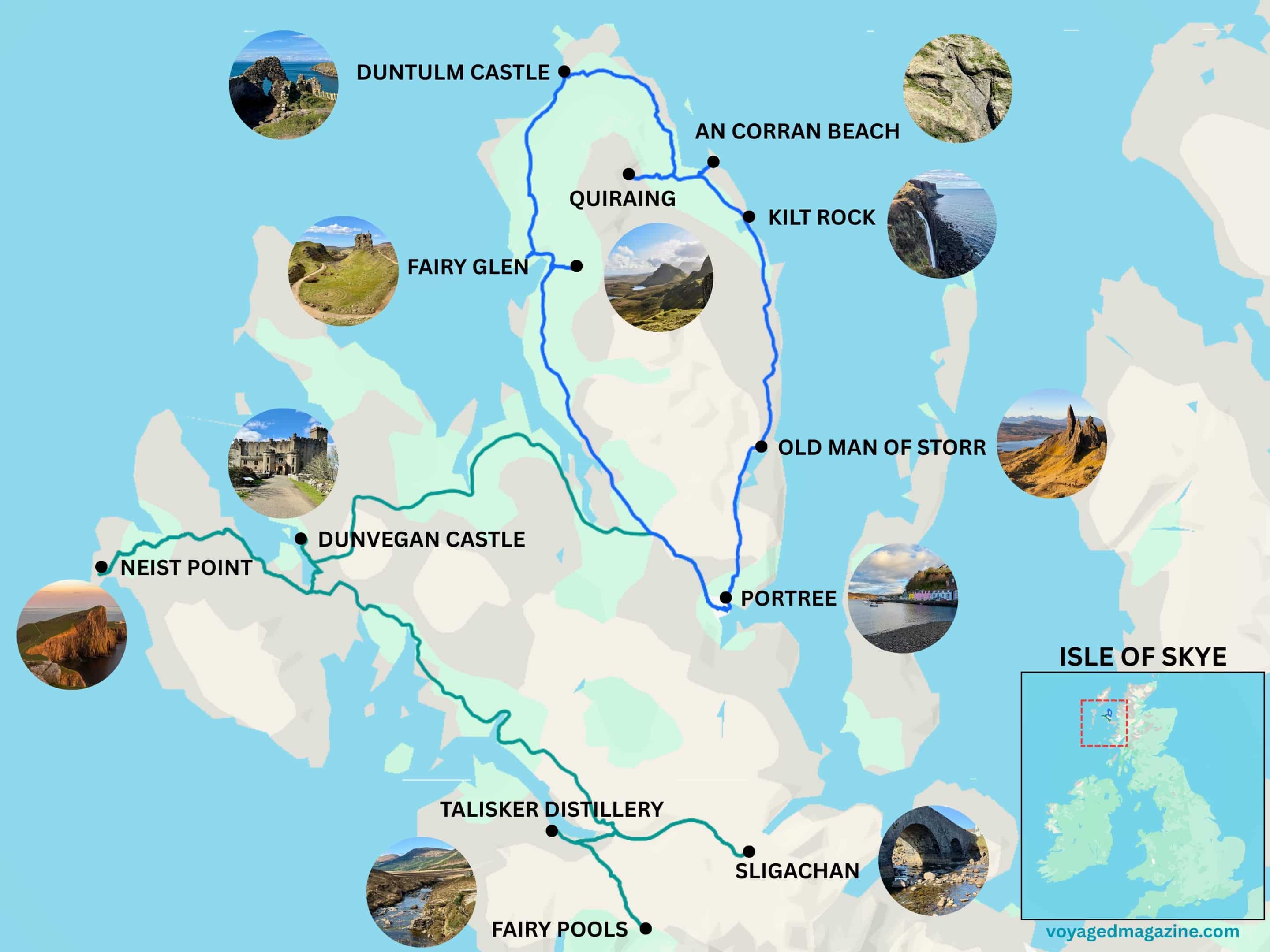
To cover the entire list of the 12 best things to do and see in Skye, you’ll need a minimum of two full days. You can split it exactly along the colors on the Skye attractions map below.
- Day one is the blue loop, the Trotternish route, which starts at Old Man of Storr, then Kilt Rock and Lealt Falls, An Corran's beach, the Quiraing, Fairy Glen, and Duntulm Castle.
- Day two is the teal loop heading south and west: Dunvegan Castle, Neist Point, Talisker, the Fairy Pools, and Sligachan on the way back.
If you're only here for a day, skip the south loop entirely and stick to the Trotternish loop.
Top Things to Do in The Isle of Skye
1. Portree
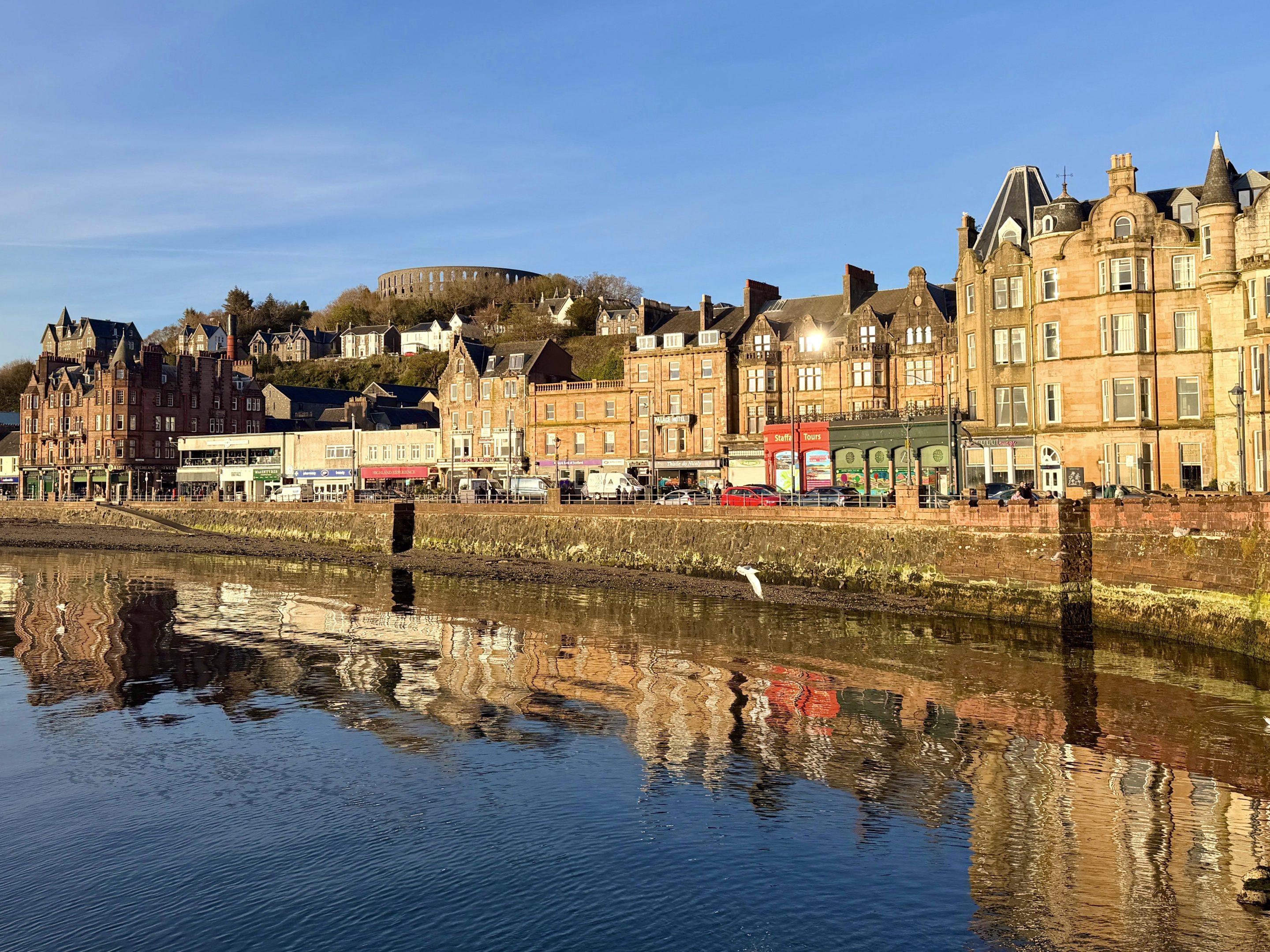
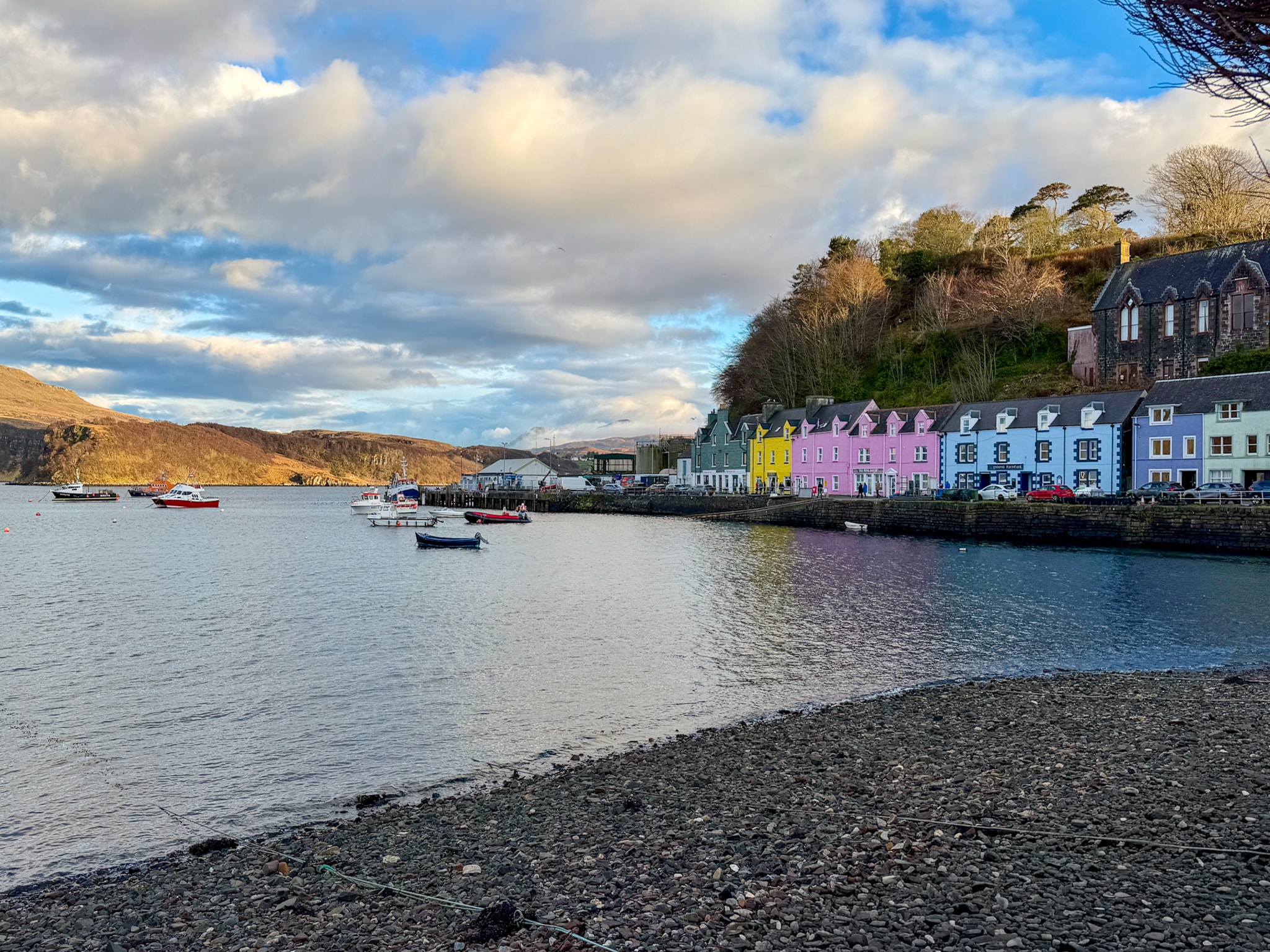
Portree is Skye's only real town, and you'll end up here whether you planned to or not. It's the one place with actual restaurants, proper pubs, and enough hotels that "where am I staying in Skye" researches will 99% of the times bring you here.
Even if you don’t stay in town, the harbour still earns a stop, a row of colorful buildings facing the water that looks almost too tidy to be real. Parking's the only mildly annoying part: Somerled Square is central but fills fast, Bayfield is the safer bet at around £4 for 12 hours, free overnight. You can have breakfast here before heading out, or loop back for sunset over the harbour and dinner after a long day of driving. After all the places I've tried there, Antlers Bar & Grill was my favourite, but you need to book a table weeks ahead.
Either way, you'll pass through more than once.
2. Old Man of Storr
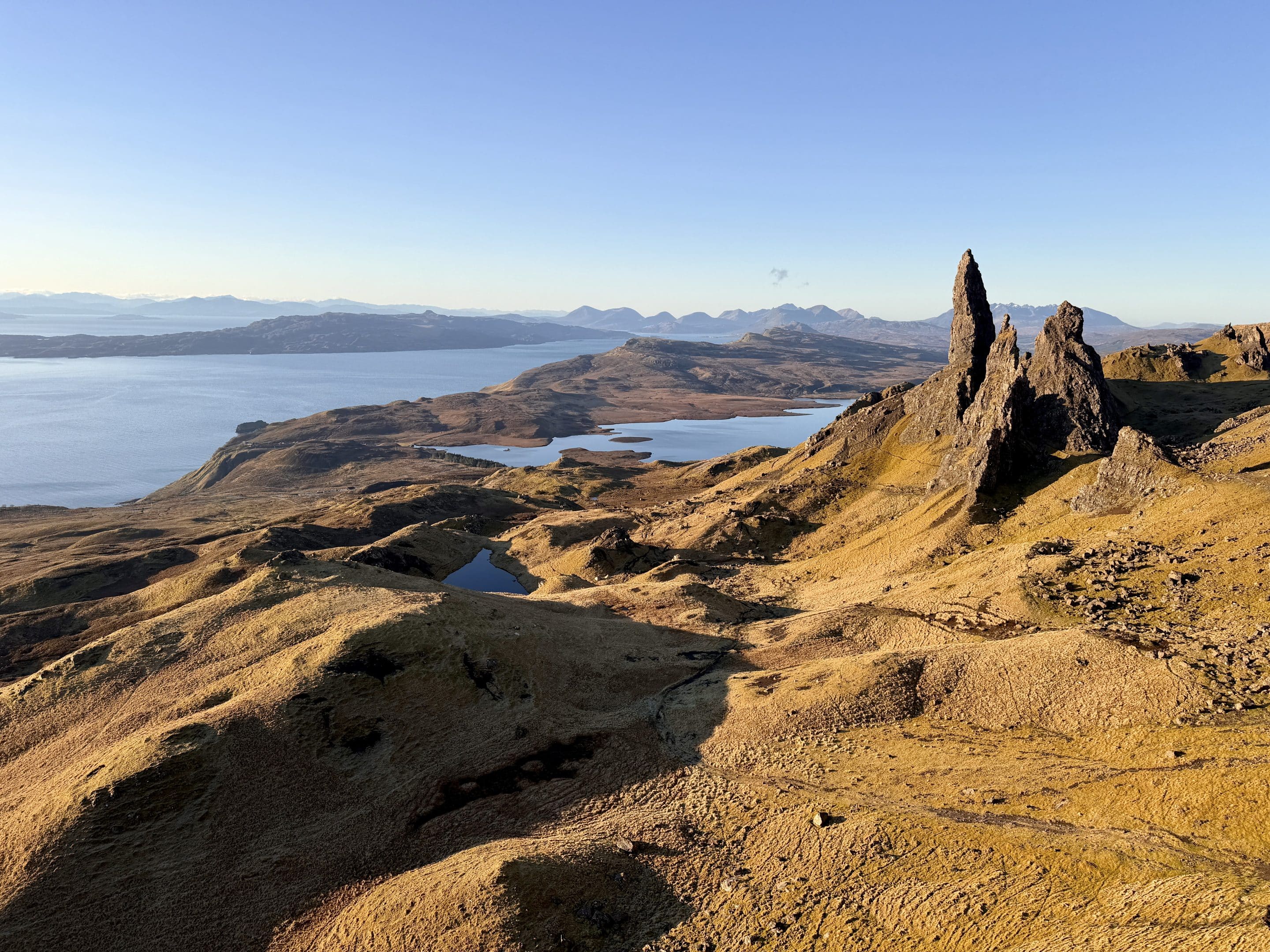
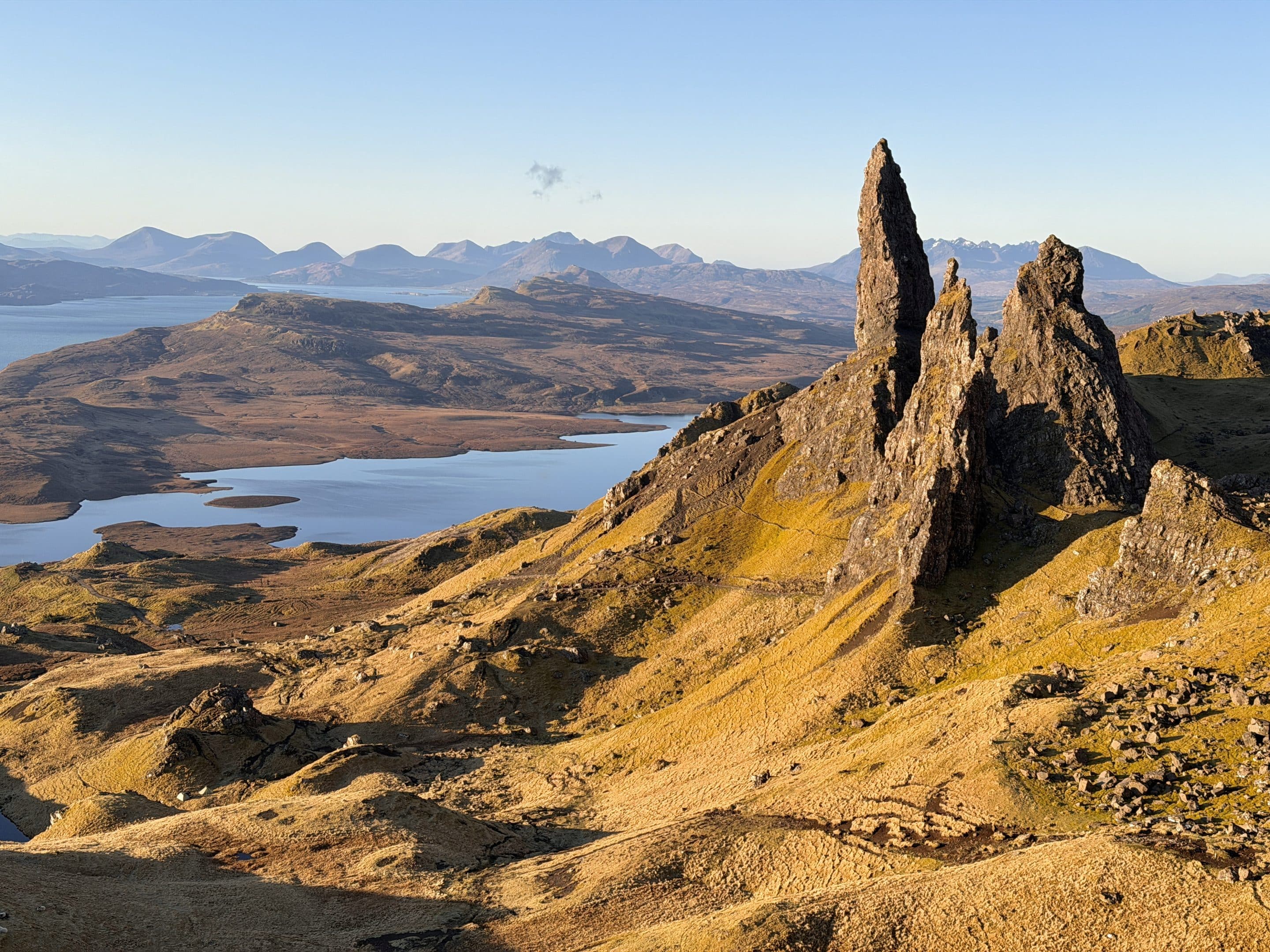
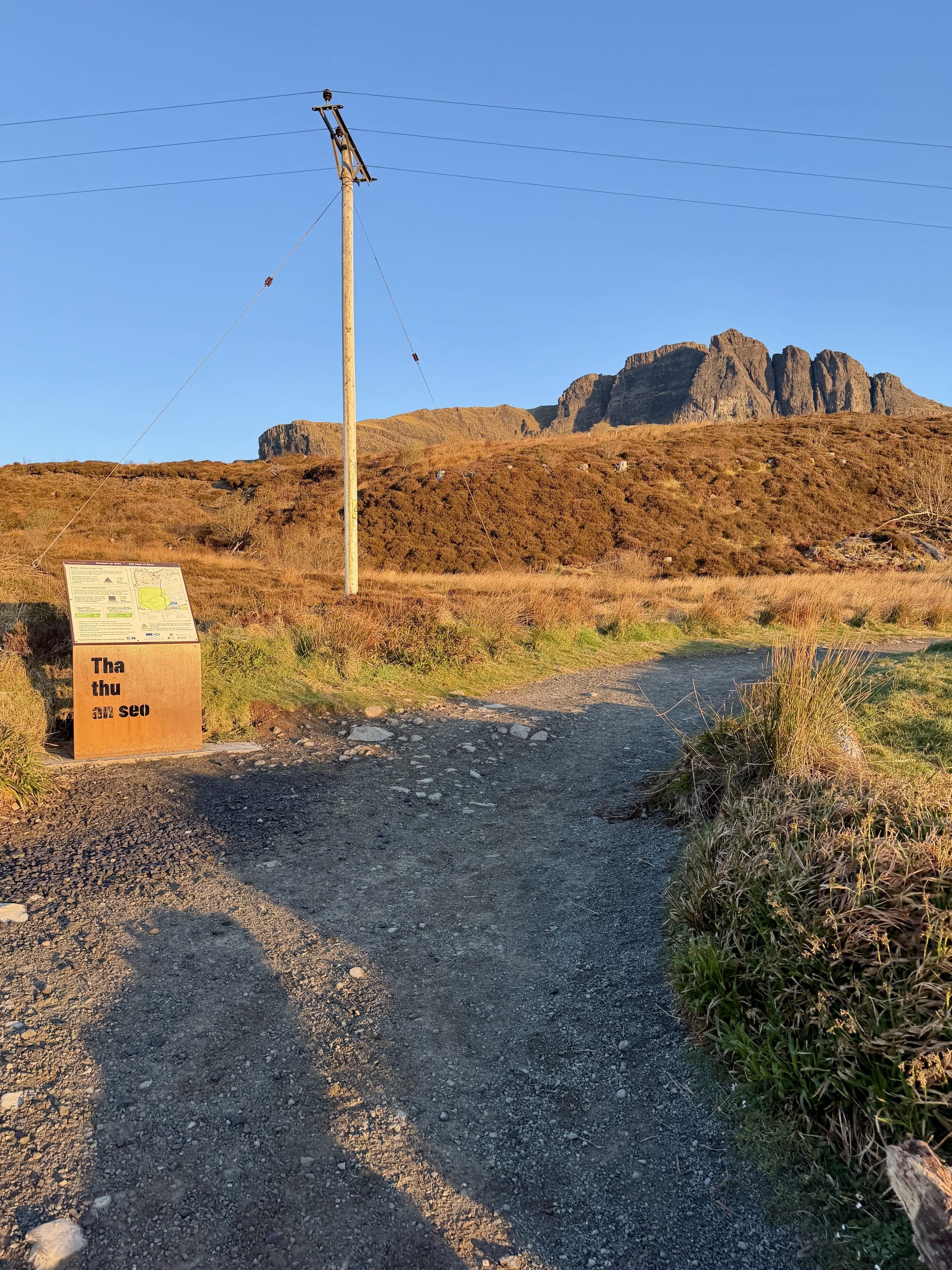
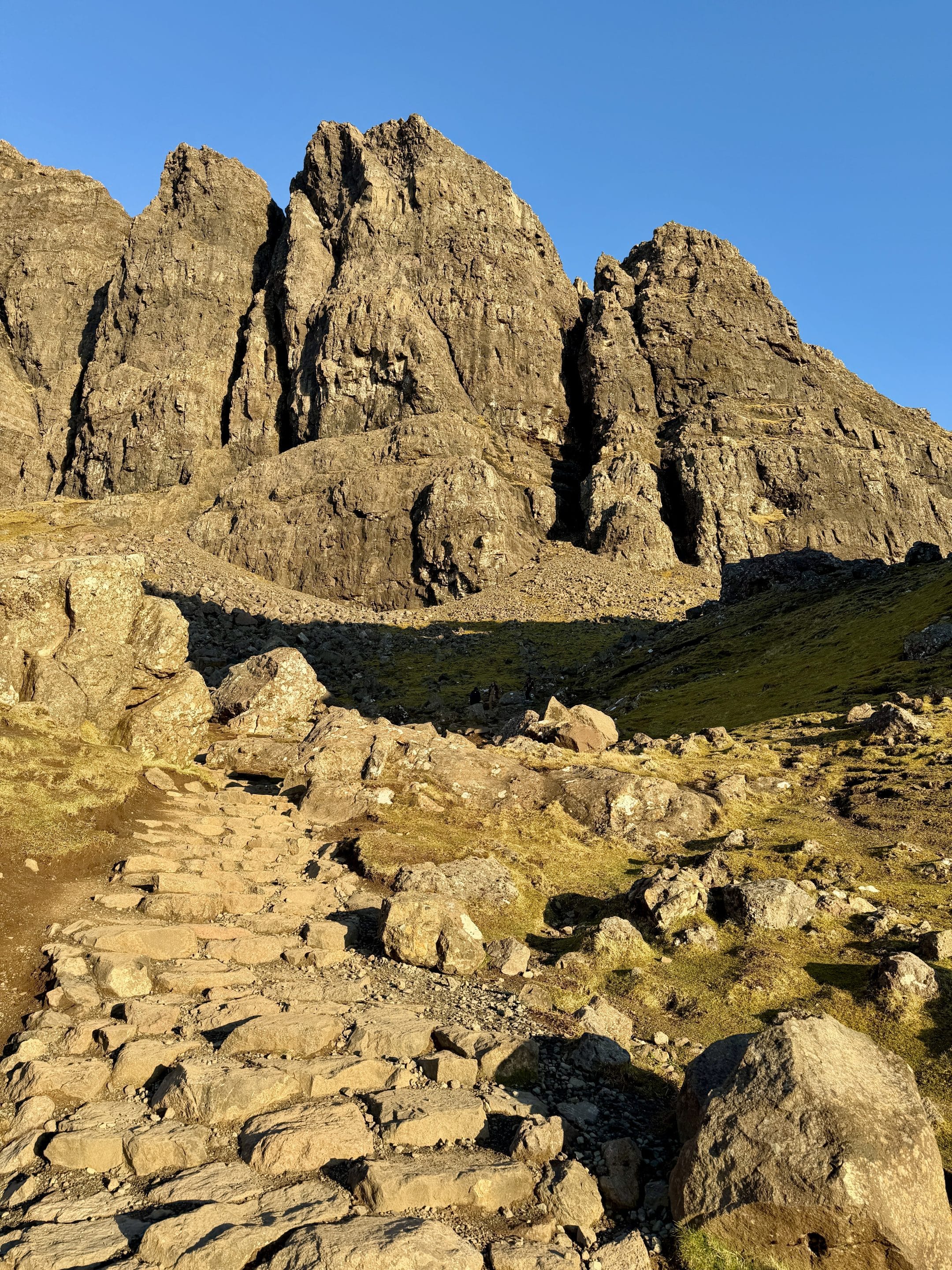
If you only do one hike on Skye, make it this one. Basically every list on the internet, mine included, agrees. It's a 3.8km round trip up to a rock pinnacle so tall and strange-looking that "old man" barely covers it. Budget two hours or three, depending on how many photo stops you allow yourself (and the answer is always more than planned). The uphill part (which is most of it) is a bit tiring but doable even for beginners, as long as you’re reasonably fit. There are no exposed sections or technical parts.
Parking runs £6 for up to 6 hours or £8 for 12, and the 140-space lot fills by 10am most of the year, earlier once summer hits.
-
- I wrote up the full hike here: Old Man of Storr Hike: The Best Sunrise Hike on Skye? My experience
3. Kilt Rock & Mealt Falls
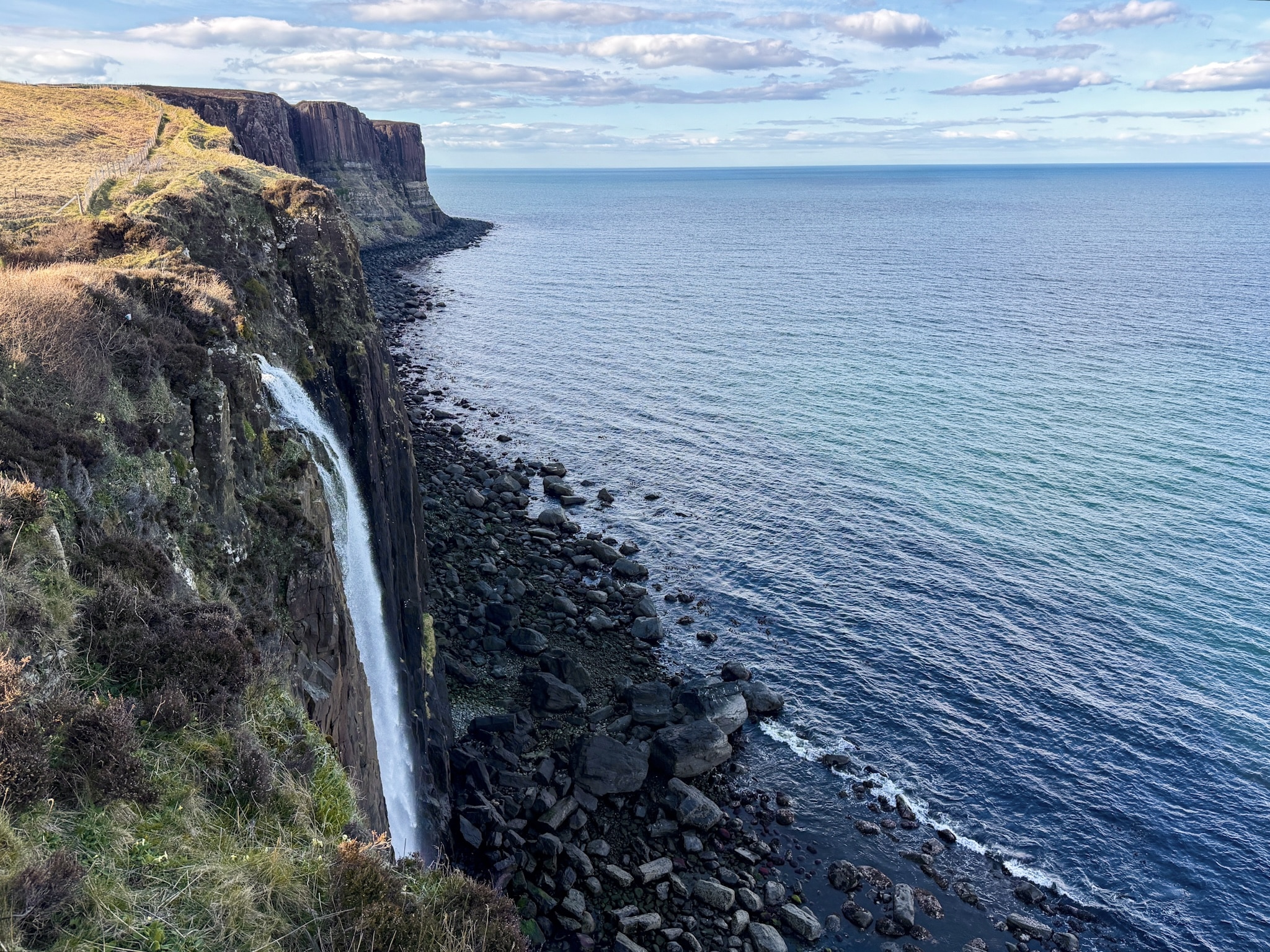
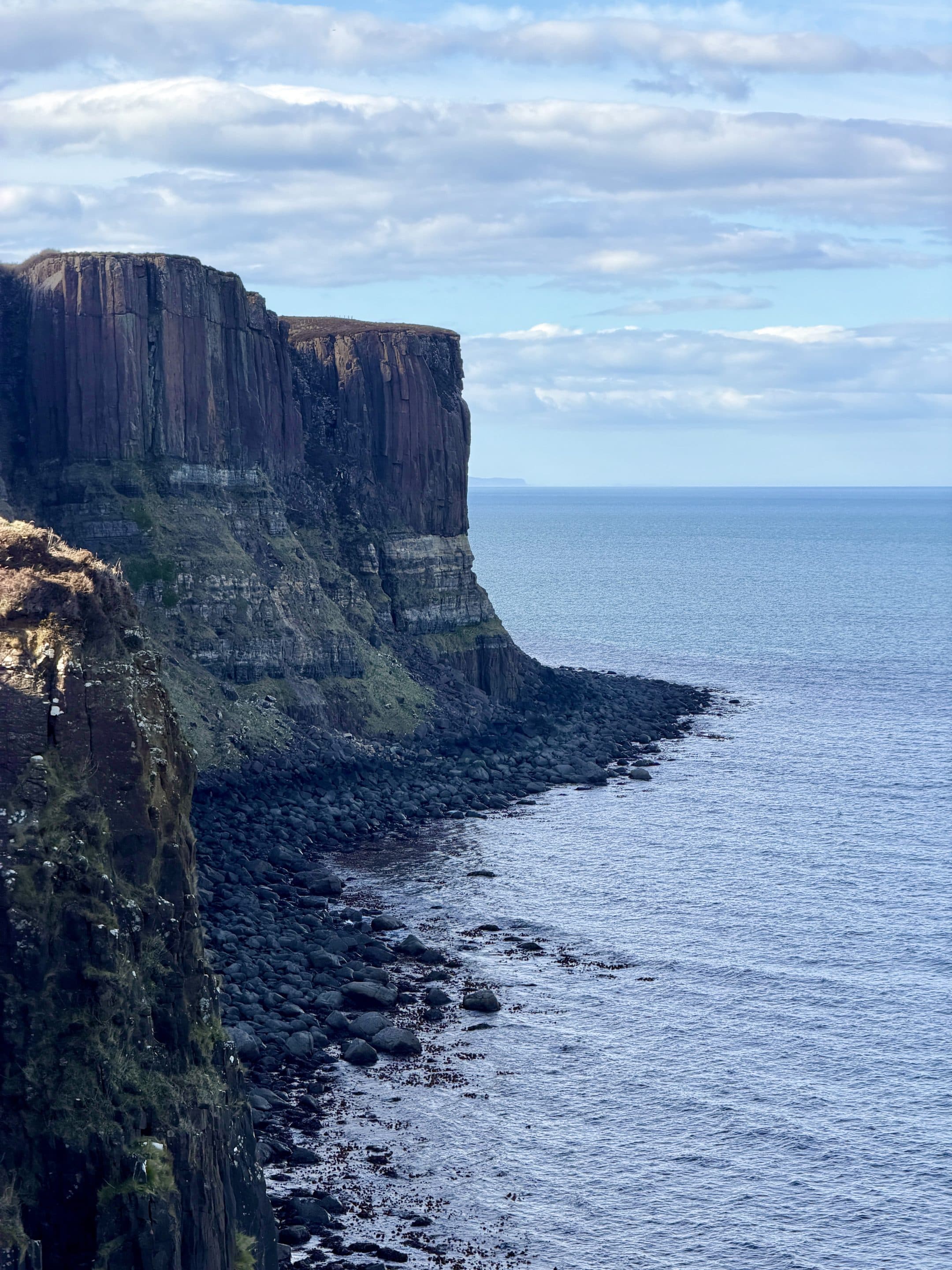
This one's a five-minute stop, tops, and still worth it. A waterfall drops straight into the sea in front of a wall of basalt columns that genuinely does look like the pleats of a kilt, or at least a very dramatic skirt. Flat one-minute walk from the car park.
Parking's £6 for the day, but only charged between 8am and 8pm, free outside that window.
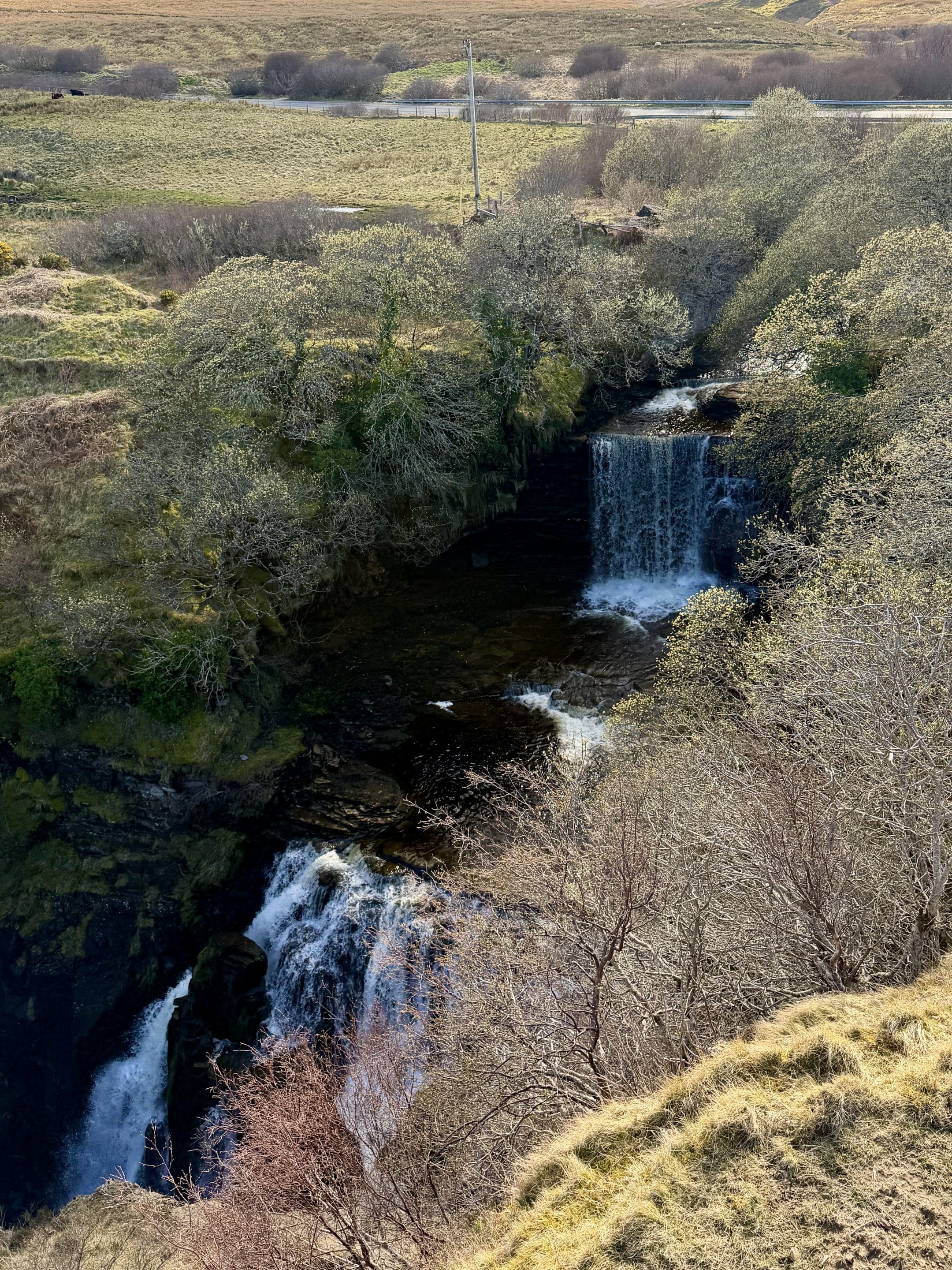
Bonus stop, five minutes further down the road: Lealt Falls. Different waterfall, suspiciously similar name, constantly mixed up with Mealt Falls by people who didn't do the reading (but you just did!).
This waterfall drops through a narrow, tree-lined gorge instead of straight into the sea, with its own viewing platform and a coffee stand.
4. An Corran Beach
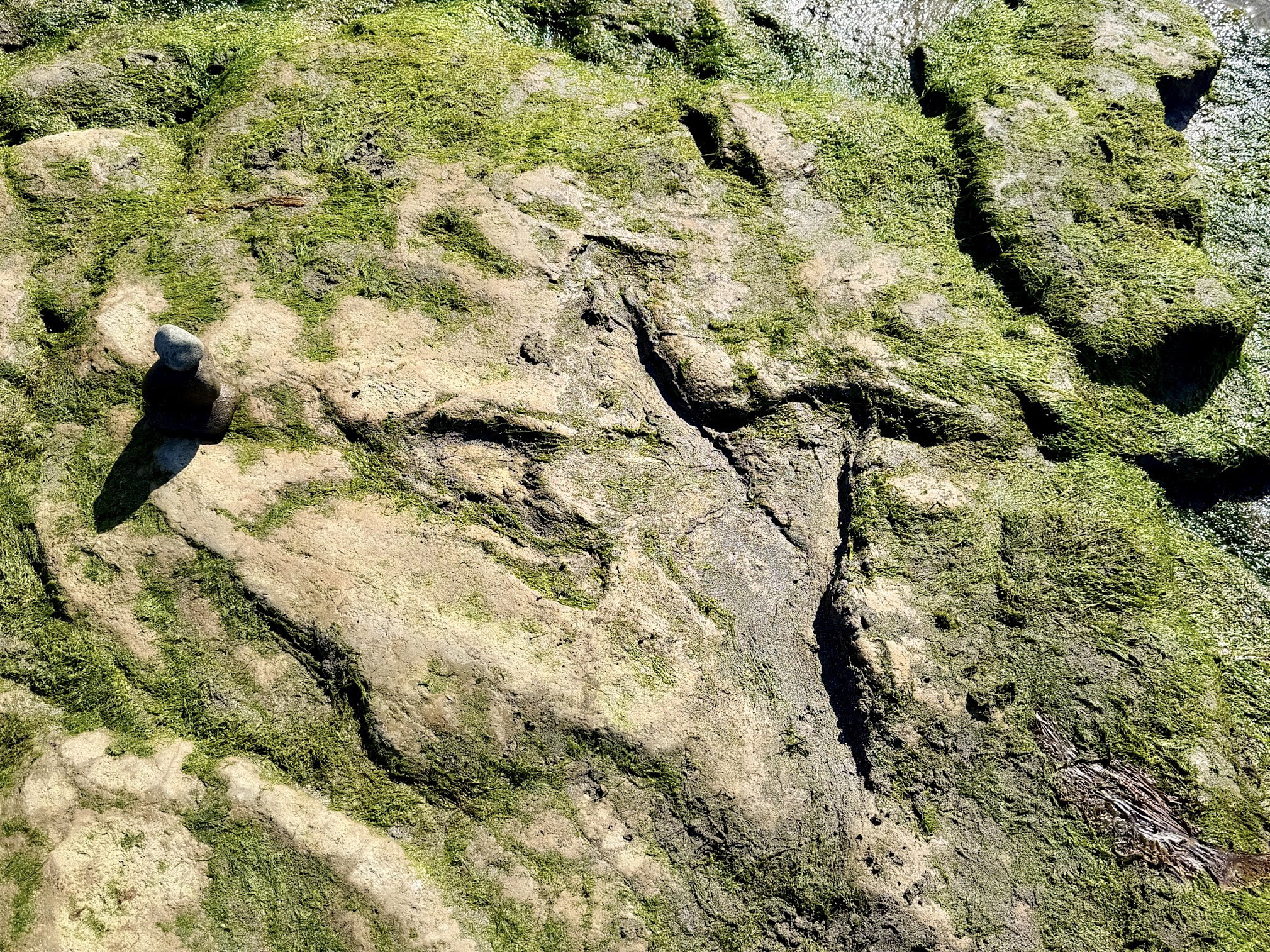
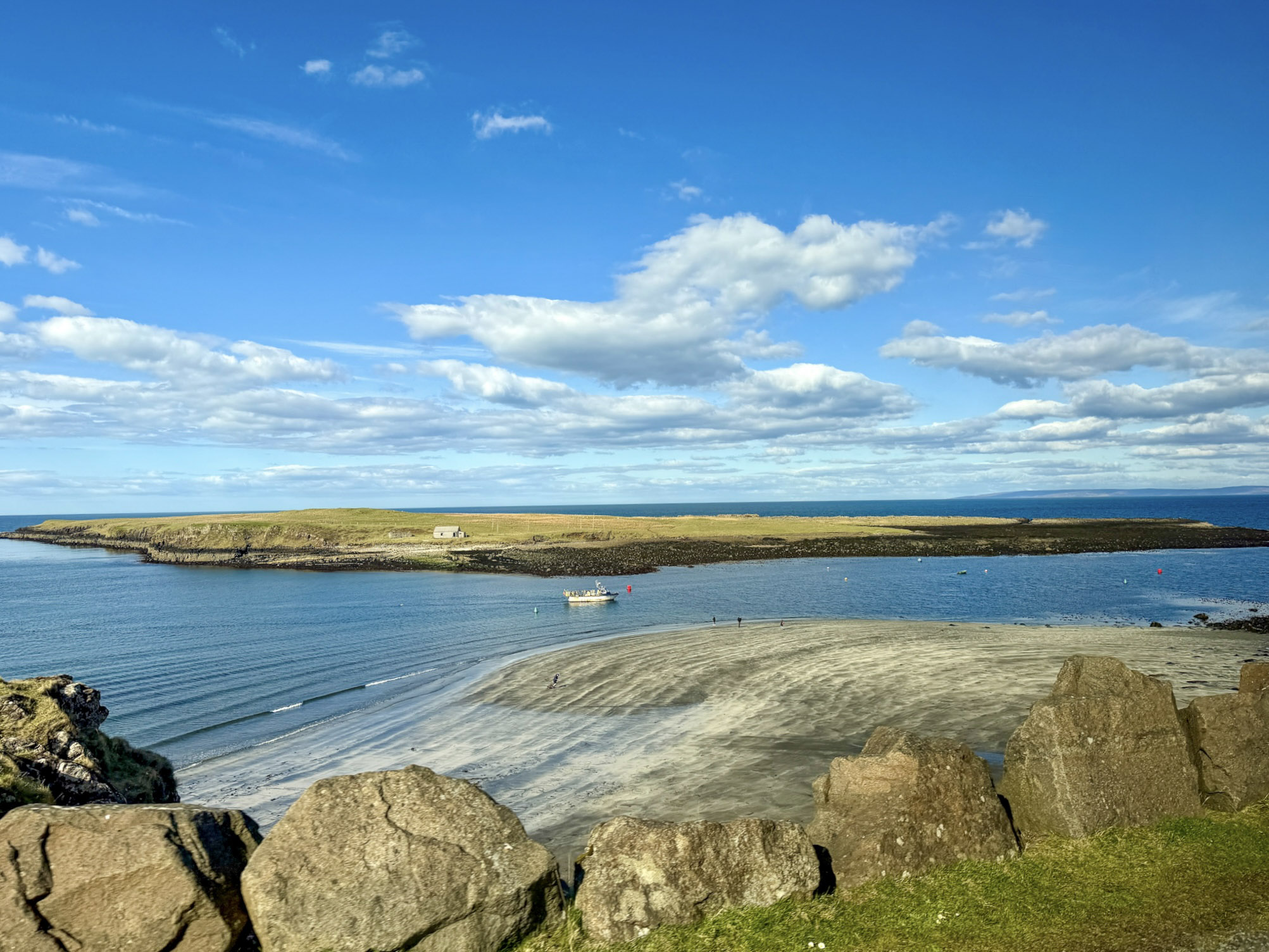
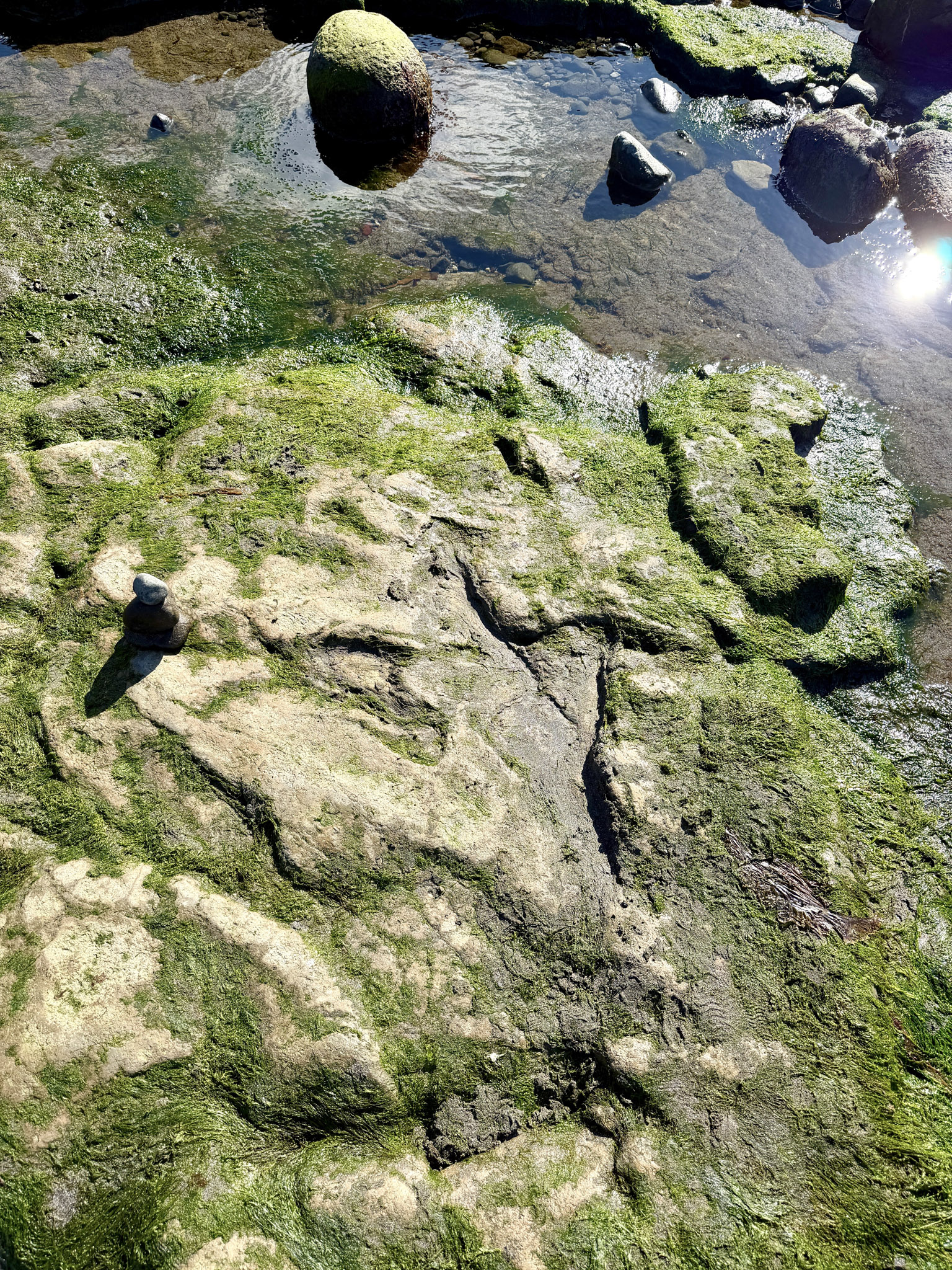
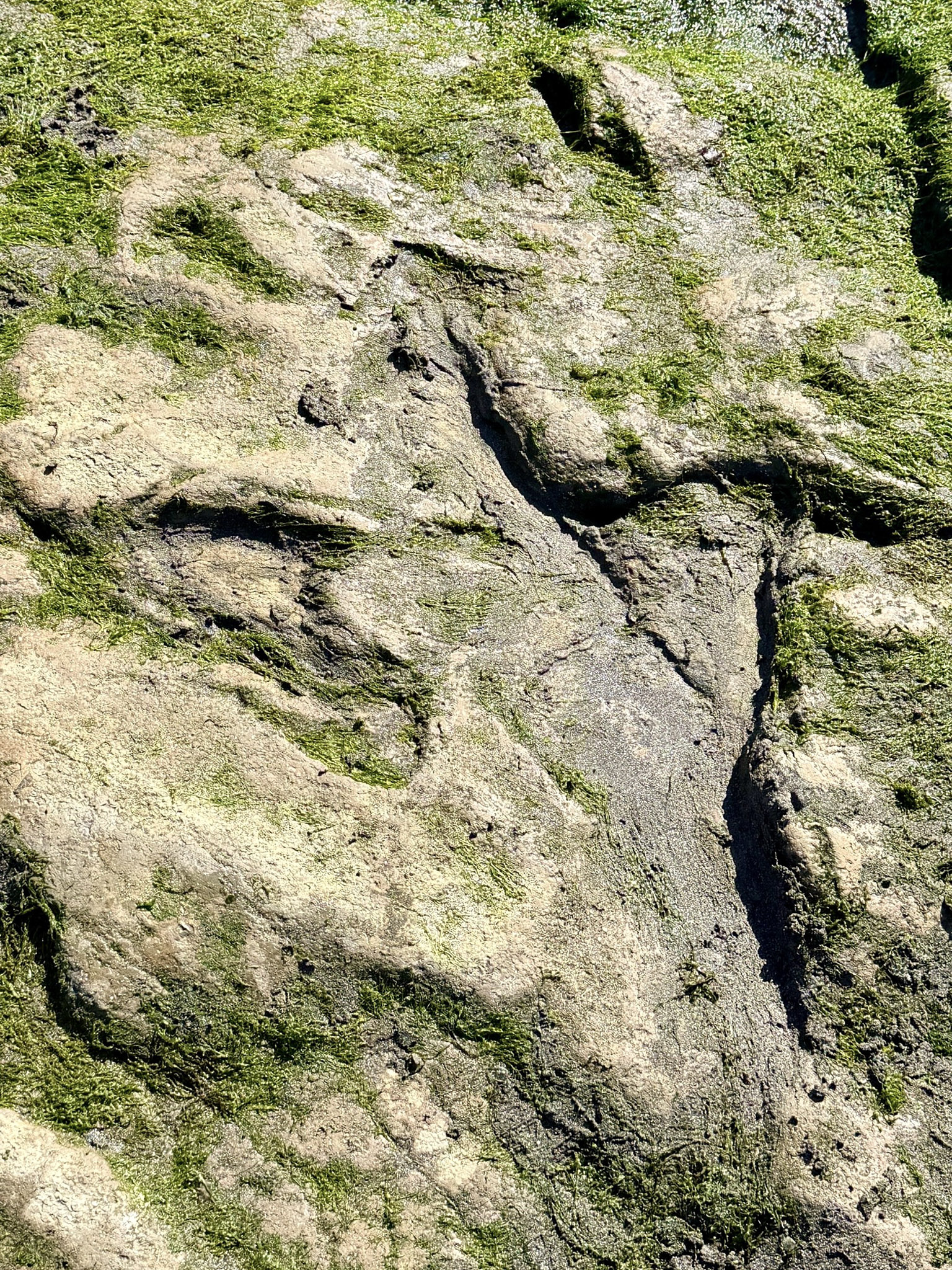
An Corran Beach doesn't look like much from the road, just a stretch of sand near Staffin. That’s before someone tells you that you can actually see actual dinosaur footprints on it. They were dated 166 million years old, and found completely by accident in 2001. Eighteen of them are scattered across the tidal rocks, including one near-perfect Megalosaurus print. You’ll have a better chance of spotting the footprints around low or mid tide, at high tide the whole thing's underwater and you're just squinting at wet rock.
-
- If you need some help in spotting the footprint on the beach, I wrote a dedicated article to An Corran Beach: Dinosaur footprints in the Isle of Skye: Are They Real?
5. Duntulm Castle
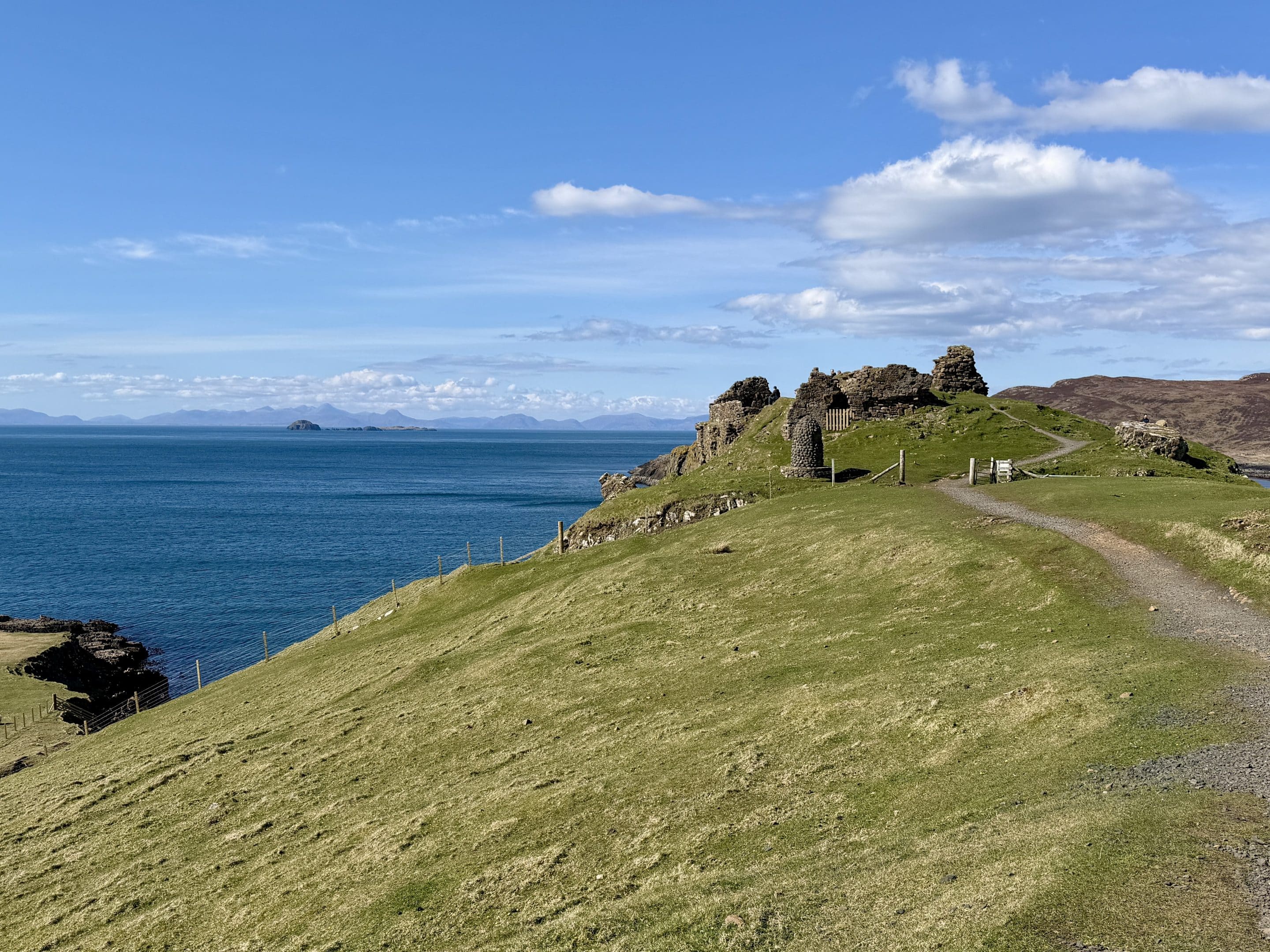
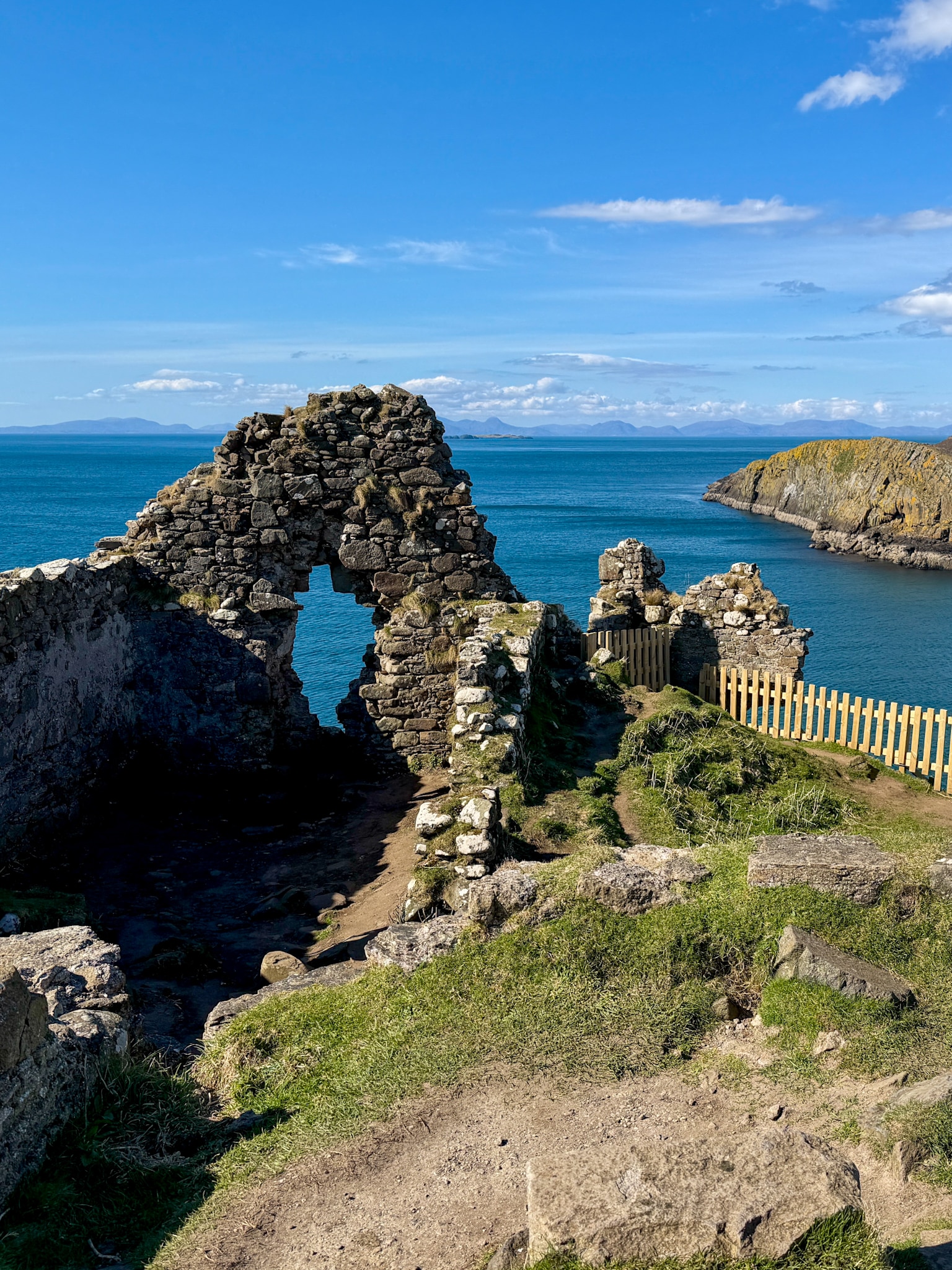
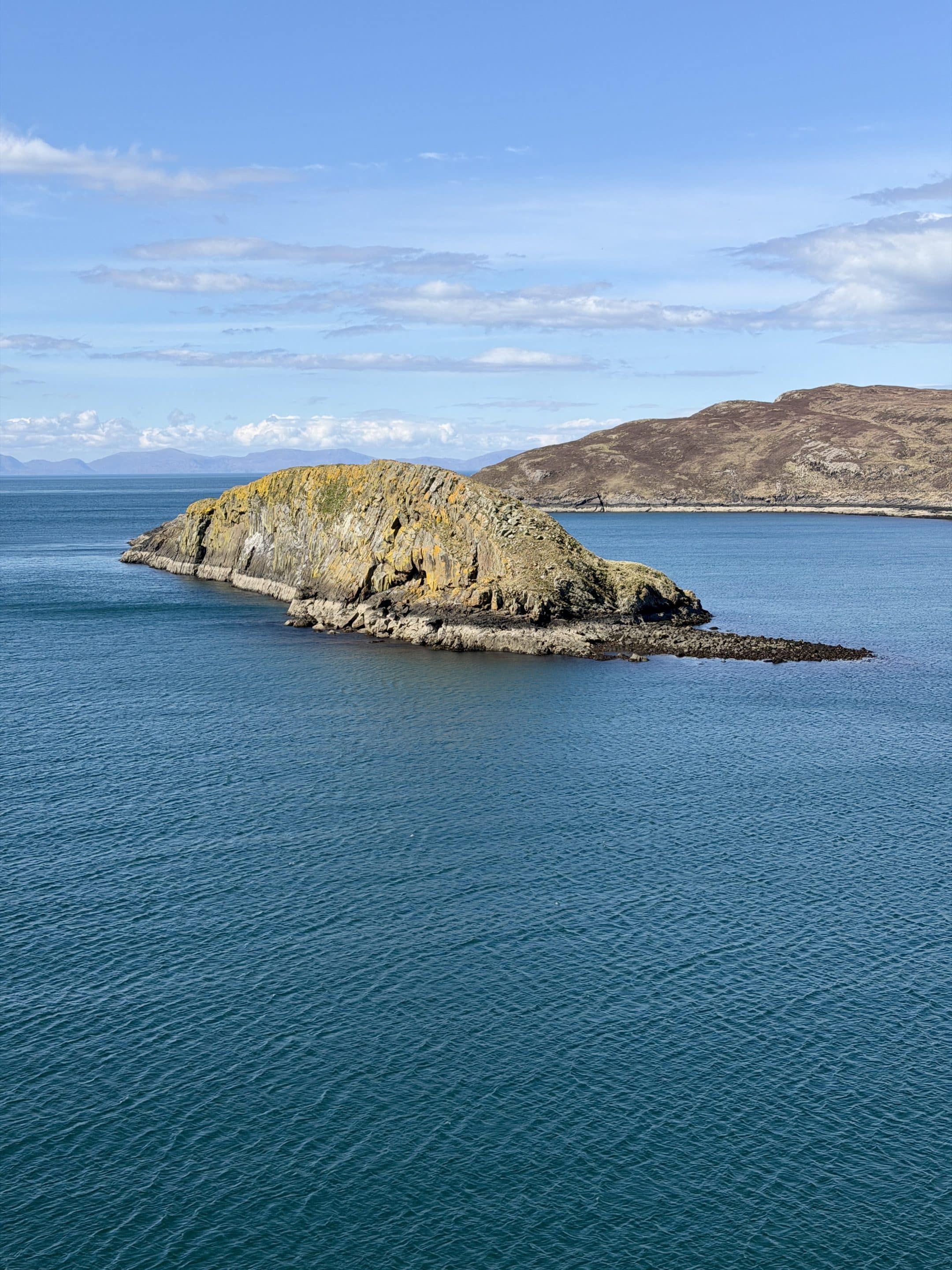
Duntulm Castle is mostly rubble, and it'd be easy to write it off on that basis alone. Don't. This is where I got one of the best sea views of the whole trip, cliffs on three sides and the Atlantic.
The history backs it up too: a Norse fort first, then Clan MacLeod's, then the main seat of Clan MacDonald of Sleat for almost two centuries. It's tied to the last clan battle ever fought on Skye. There's a ghost story, too: a nursemaid who dropped the chief's infant son from a window and was set adrift at sea as punishment is said to still be heard crying on stormy nights. The MacDonalds abandoned the place in 1732, allegedly because of said ghost, and hauled the stones off to build somewhere new.
Free to visit, free roadside parking, a short walk through an active sheep pasture to reach the ruin. Thirty to forty-five minutes covers it.
6. Quiraing
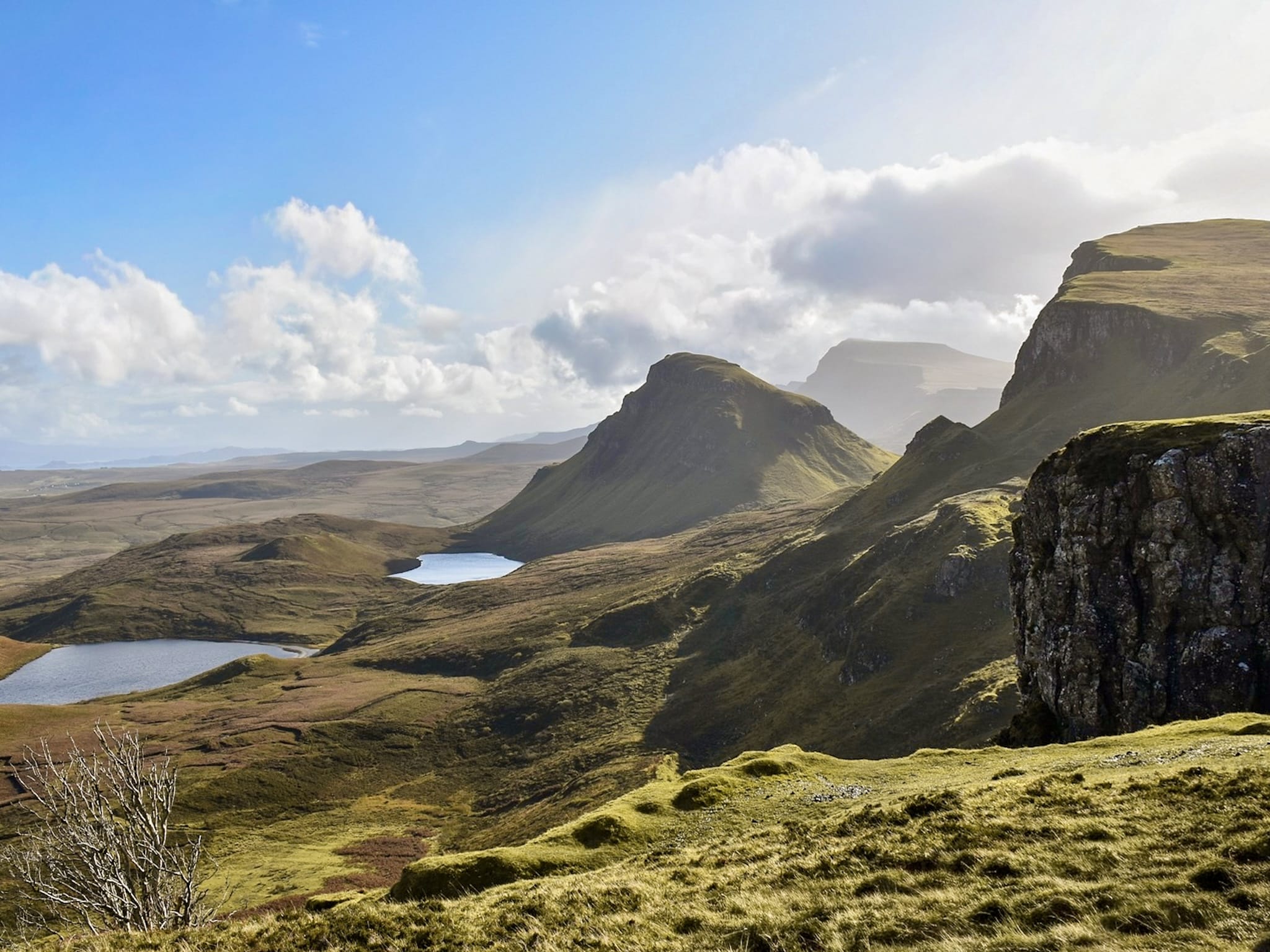
The Quiraing edges out everything on this list except the Storr, for me. This is Trotternish's biggest landslip, a jumble of cliffs, hidden plateaus, and rock formations with names like the Needle, the Table, and the Prison, all still slowly sliding toward the sea.
How much of it you actually see is up to your mood that day. The full loop runs 8km, so 3 to 4 hours, with a properly steep climb right out of the gate.
If you’re not feeling it, the out-and-back to the Needle and Table takes 30 to 60 minutes on much gentler ground. Not feeling that either, the main viewpoint is about 100 meters from the car park, and honestly, even just driving through gives you views most people pay tour operators for. Parking's £3 for 3 hours or £5 for 6.
7. Fairy Glen
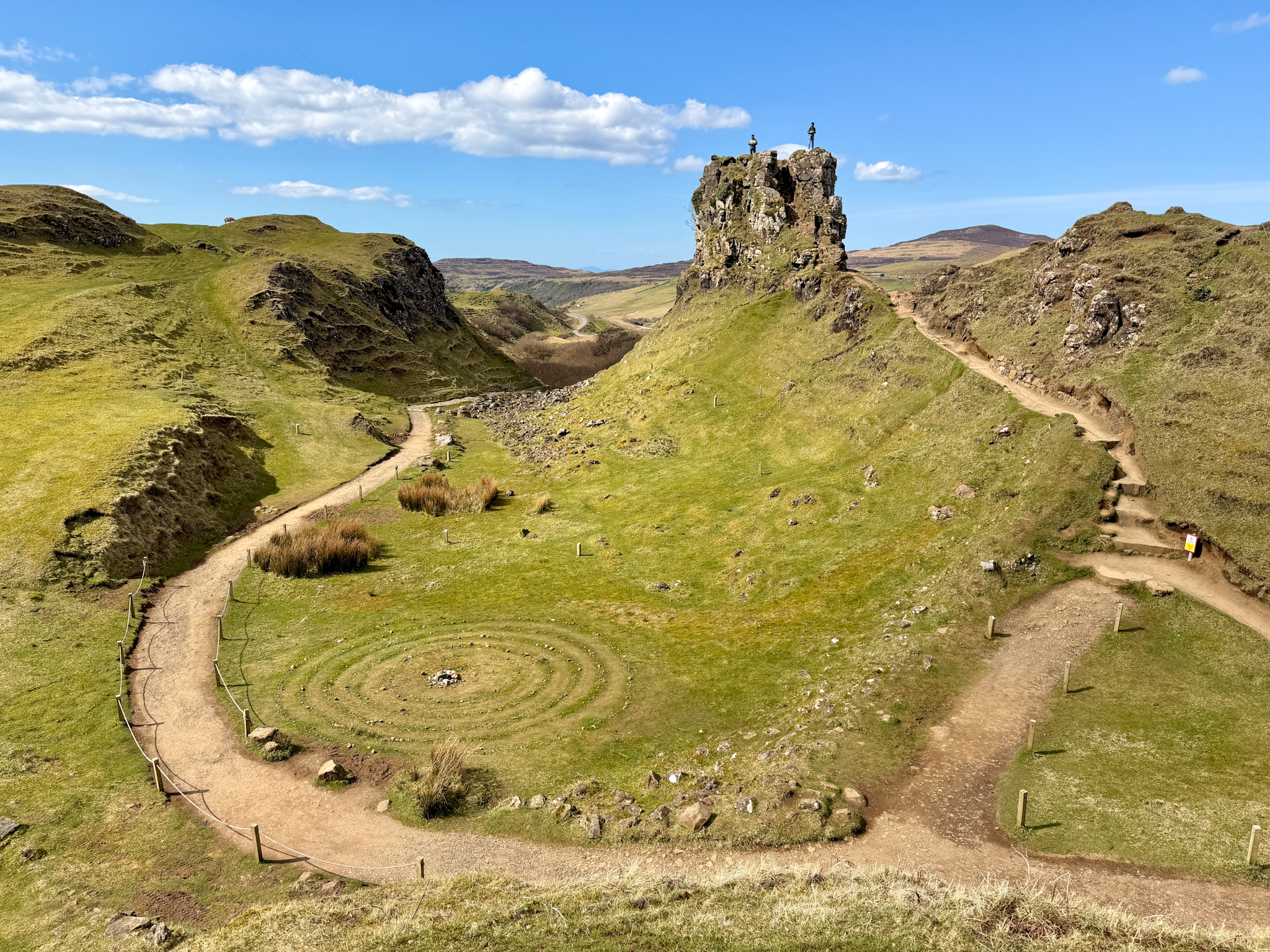
Fairy Glen is a small cluster of grassy, cone-shaped hills near Uig that looks almost too magical and neat to be natural, sometimes with sheep grazing between them, too. The centerpiece is Castle Ewen, a taller rock tower you can actually climb, some scrambling involved but nothing technical.
The path to explore the area starts right by the parking area, where you'll also see a small loch. It's free, no ticket needed, though the whole place is small enough to feel crowded fast in peak season.
-
- I go deeper on what's folklore versus just geology here: Fairy Glen, Isle of Skye: My Visit to Skye's Strangest Spot
8. Dunvegan Castle
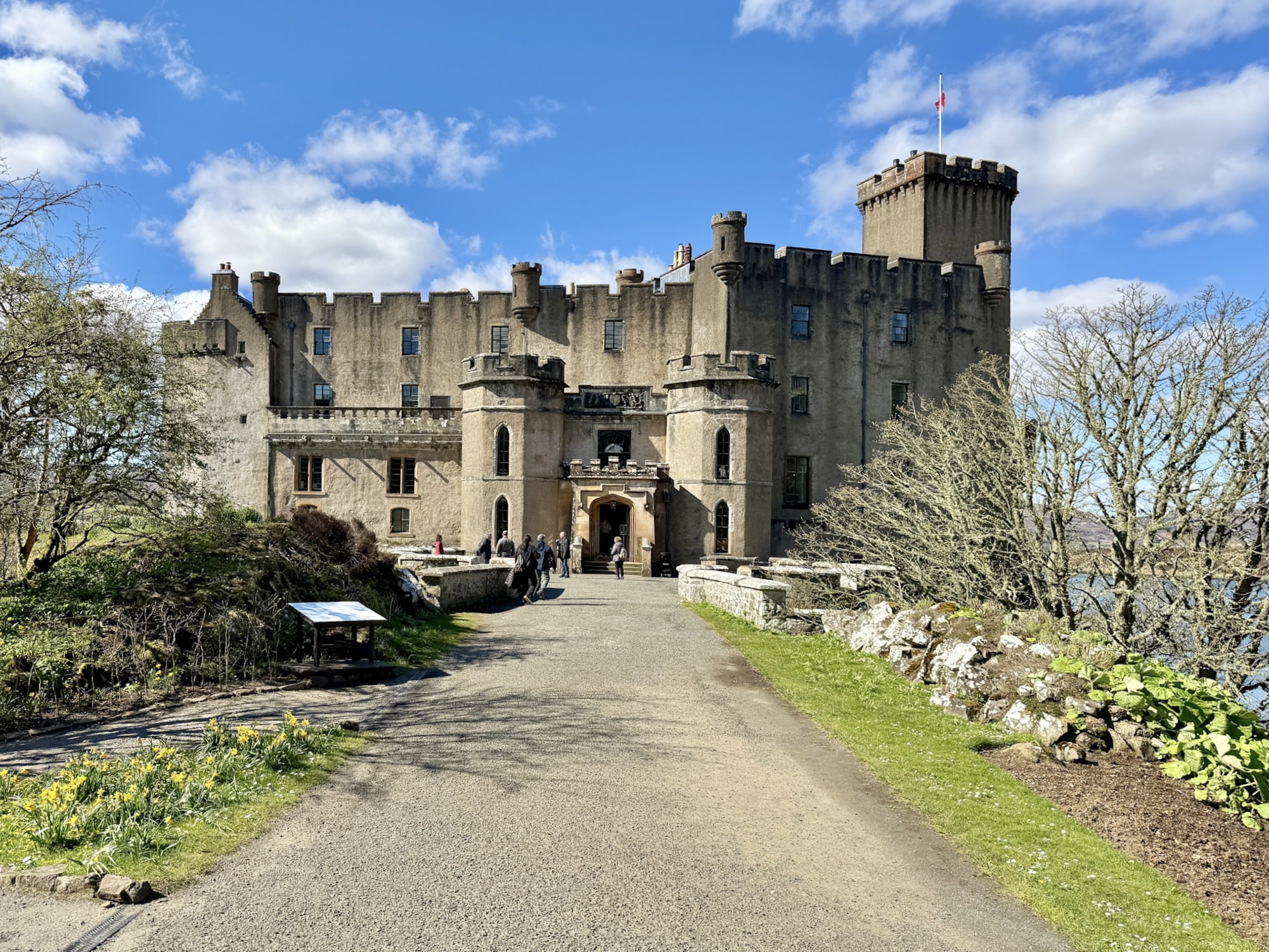
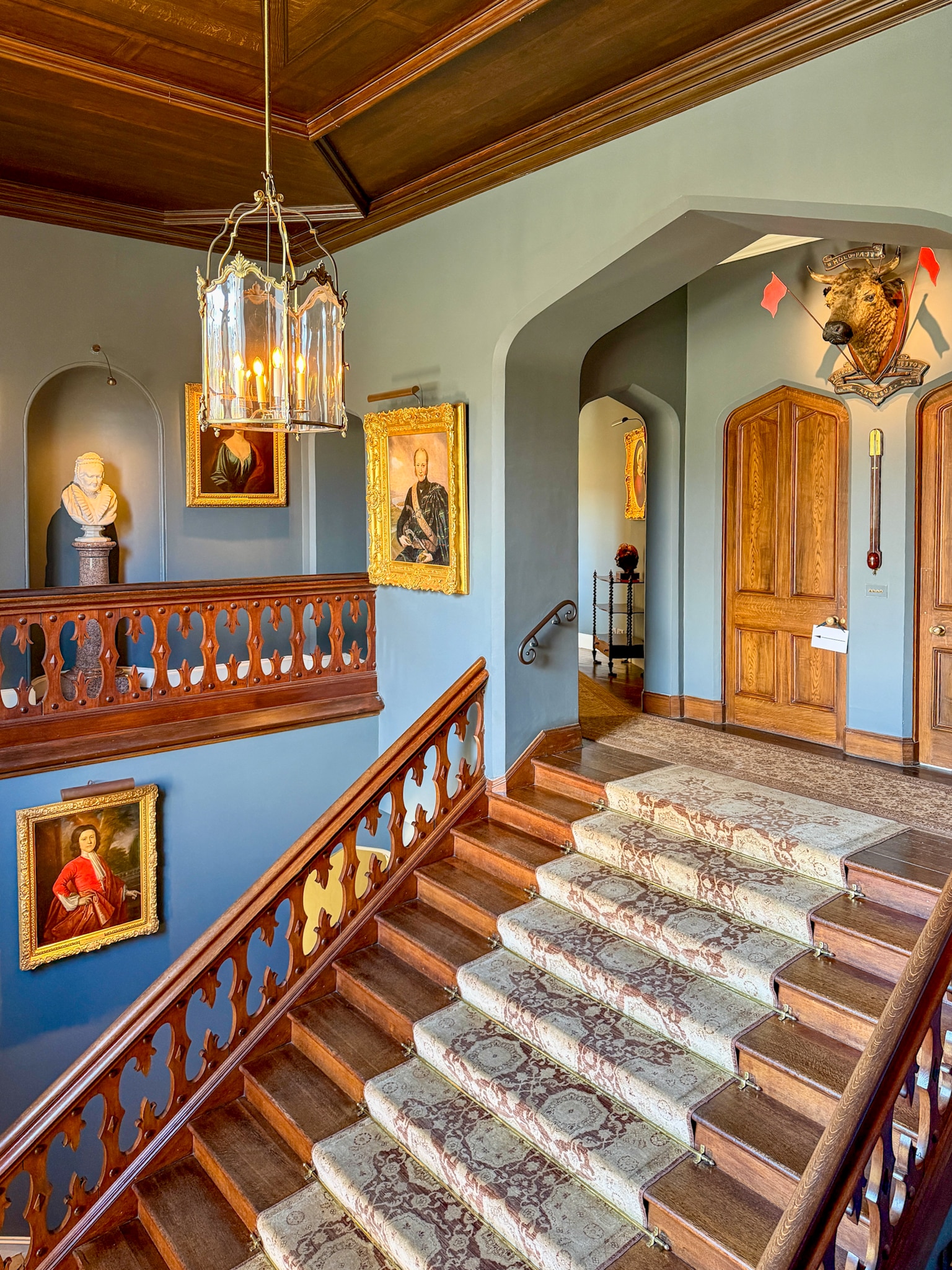
Dunvegan has been Clan MacLeod's home for over 800 years, officially the oldest continuously inhabited castle in Scotland, they just never left. Inside is the Fairy Flag, a scrap of ancient silk the clan believes has saved them from disaster twice already, with one use still in reserve. Nobody can fully explain how it got there, tests just trace the silk back to somewhere between the 4th and 7th century, possibly the Middle East.
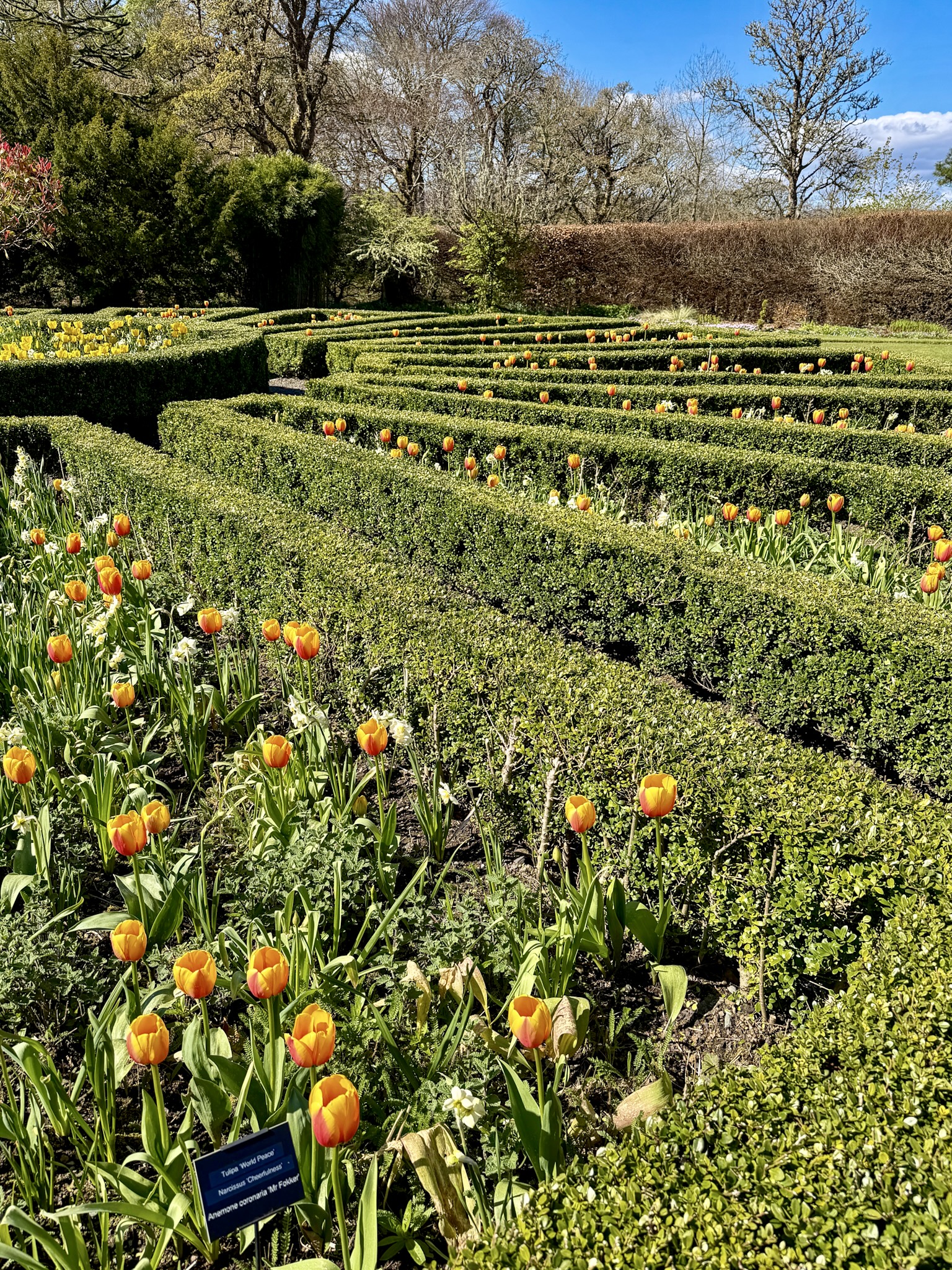
Honestly, though, the castle wasn't my highlight. The gardens were, five acres of water gardens, a walled garden, and a rose garden that looks like someone airlifted an English estate here. Give them 30 to 40 minutes on their own, don't just breeze through on the way to the gift shop.
Tickets run roughly £16 to £17.50 for castle and gardens together, open daily from April through mid-October, 10am to 5:30pm. The car park's properly spacious, and MacLeod Tables Cafe sits right in it, using produce from the castle's own walled garden, so lunch here is basically farm-to-table.
9. Neist Point
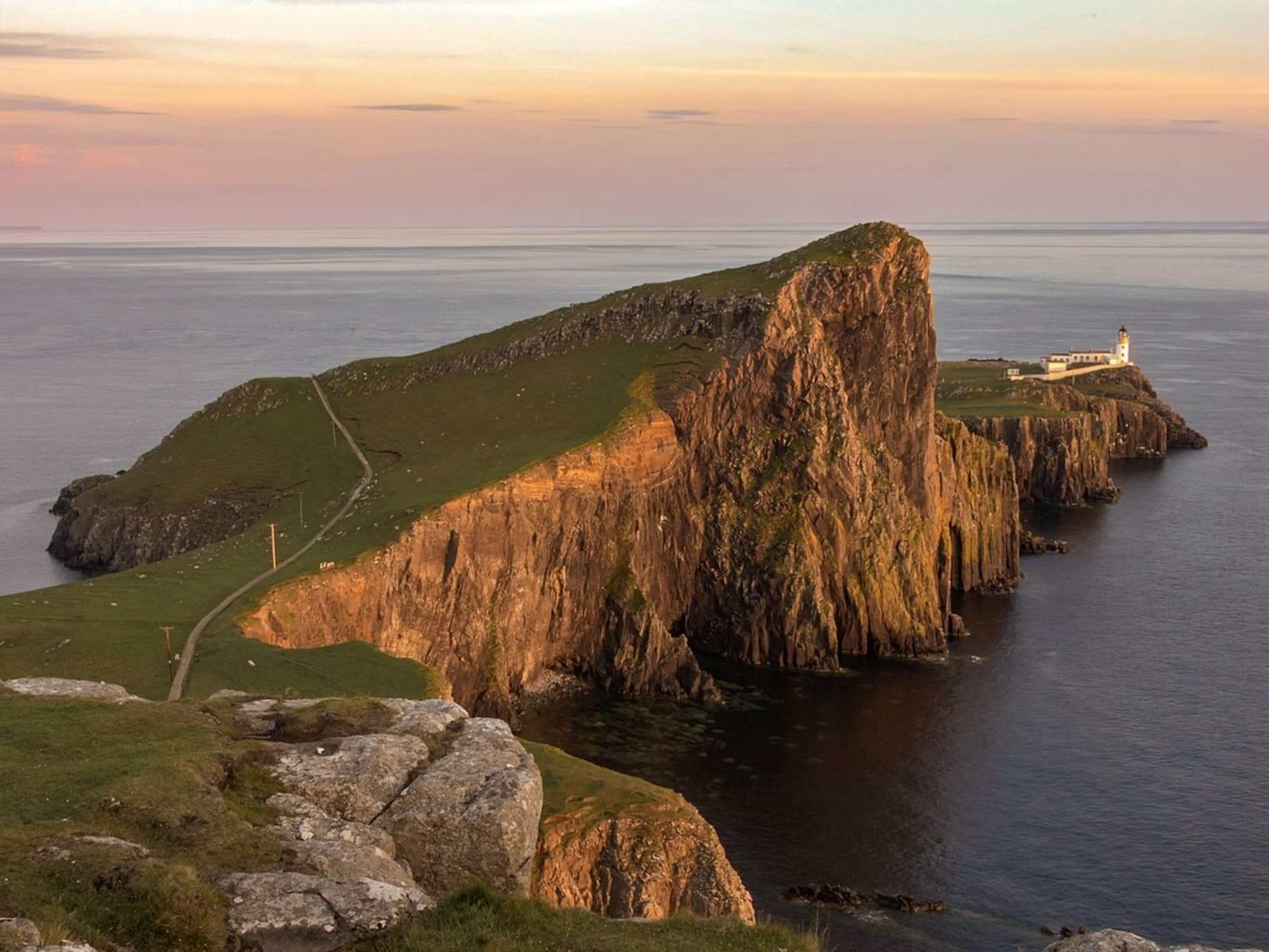
Neist Point is Skye's westernmost tip, and I found it to be one of the least crowded stops on this whole list despite being one of the most photographed. I guess most day tours skip it, it's just enough of a detour from the main loop that a lot of them don't bother.
The selling point here are the iconic lighthouse views out over the Sea of the Hebrides, which become even more striking at sunrise or sunset.
It was the windiest place I stood on the entire trip, so hold onto your hat, literally, or watch it become someone else's problem out at sea. Parking's free, the walk down runs about 2.2 to 2.7km round trip, roughly 45 minutes, all on steep concrete steps. Easy enough going down. Coming back up is a different conversation with your legs! No facilities at all, so plan ahead.
10. Talisker Distillery
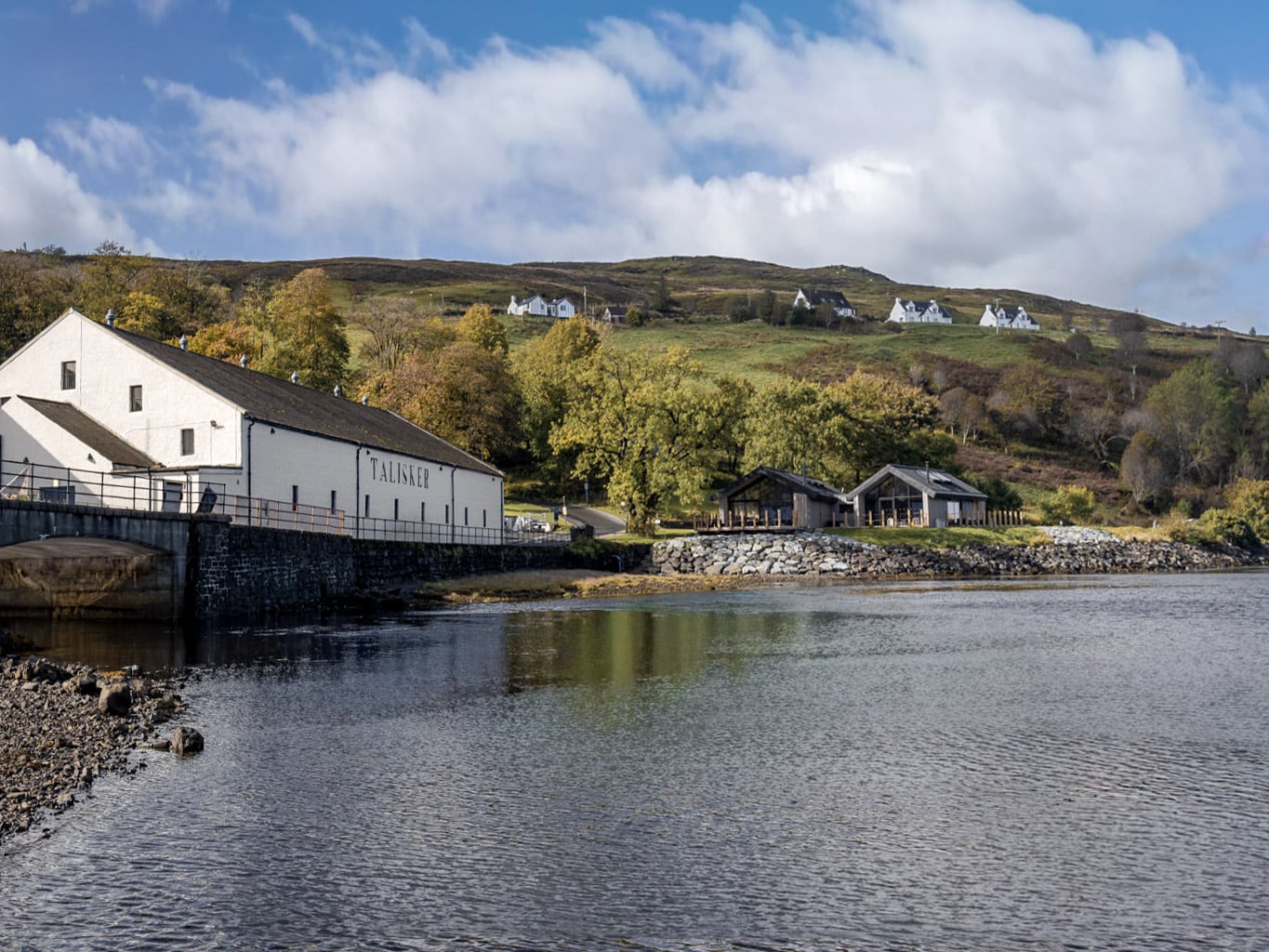
Talisker is Skye's only whisky distillery, and the reason its smoky, peaty single malt ended up on backbars everywhere. The full guided tour inside runs about an hour and £22 if you book direct, and tasting included at the end.
Honestly I just did a quick stop on a busy day, so I only stayed 20 minutes here, just enough for a taste of the Talisker 10 and a look at the distillery-only bottles, no grain-to-cask walkthrough involved. If whisky's actually the point of your trip, book directly with Talisker.
-
- If you have some extra days and want to turn your trip into a proper distillery tour, you can pair it with a visit to the famous one in Oban. You can read about my experience here: Oban Distillery Tour Review: What Actually Happens Inside
11. Fairy Pools
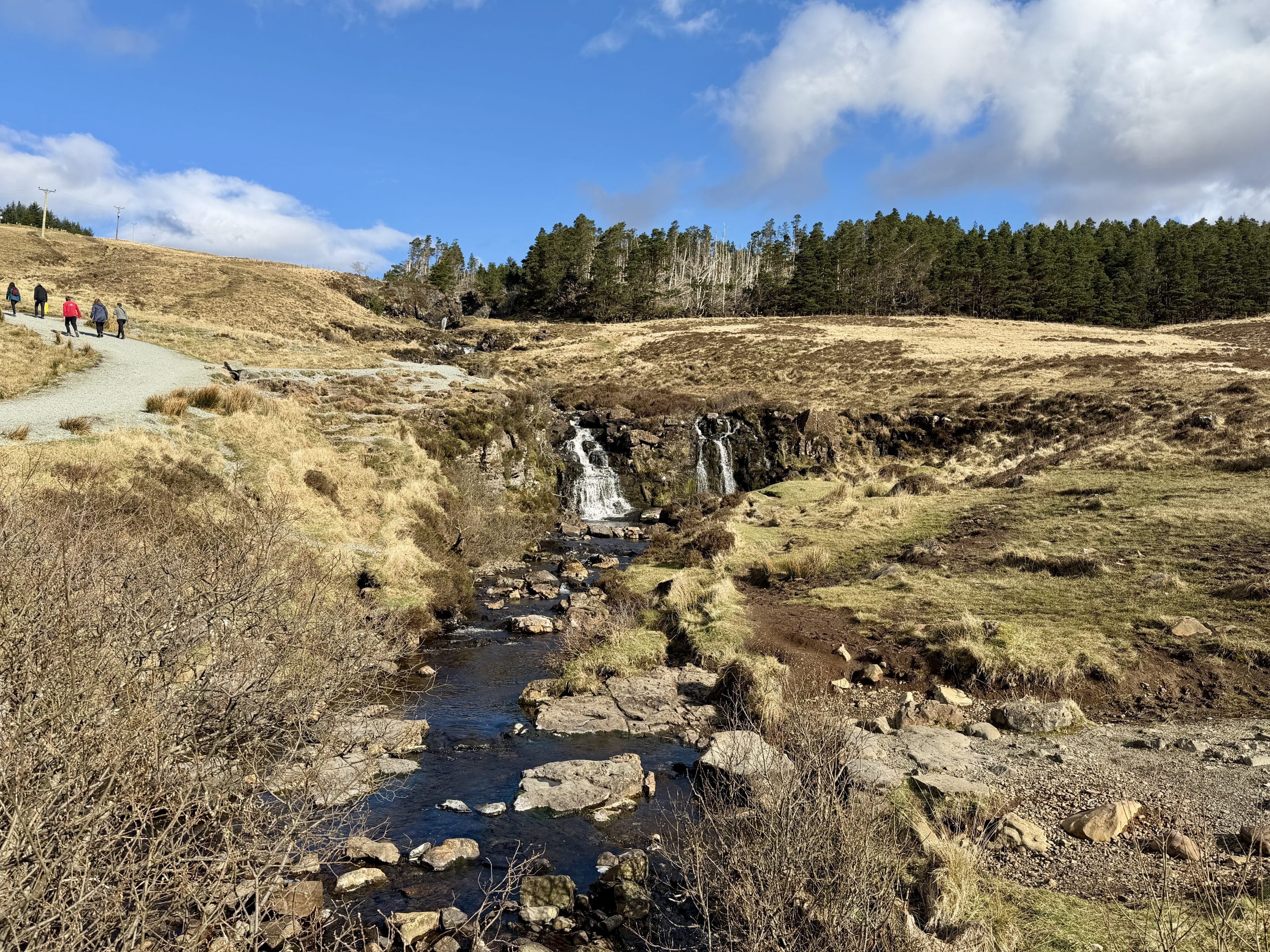
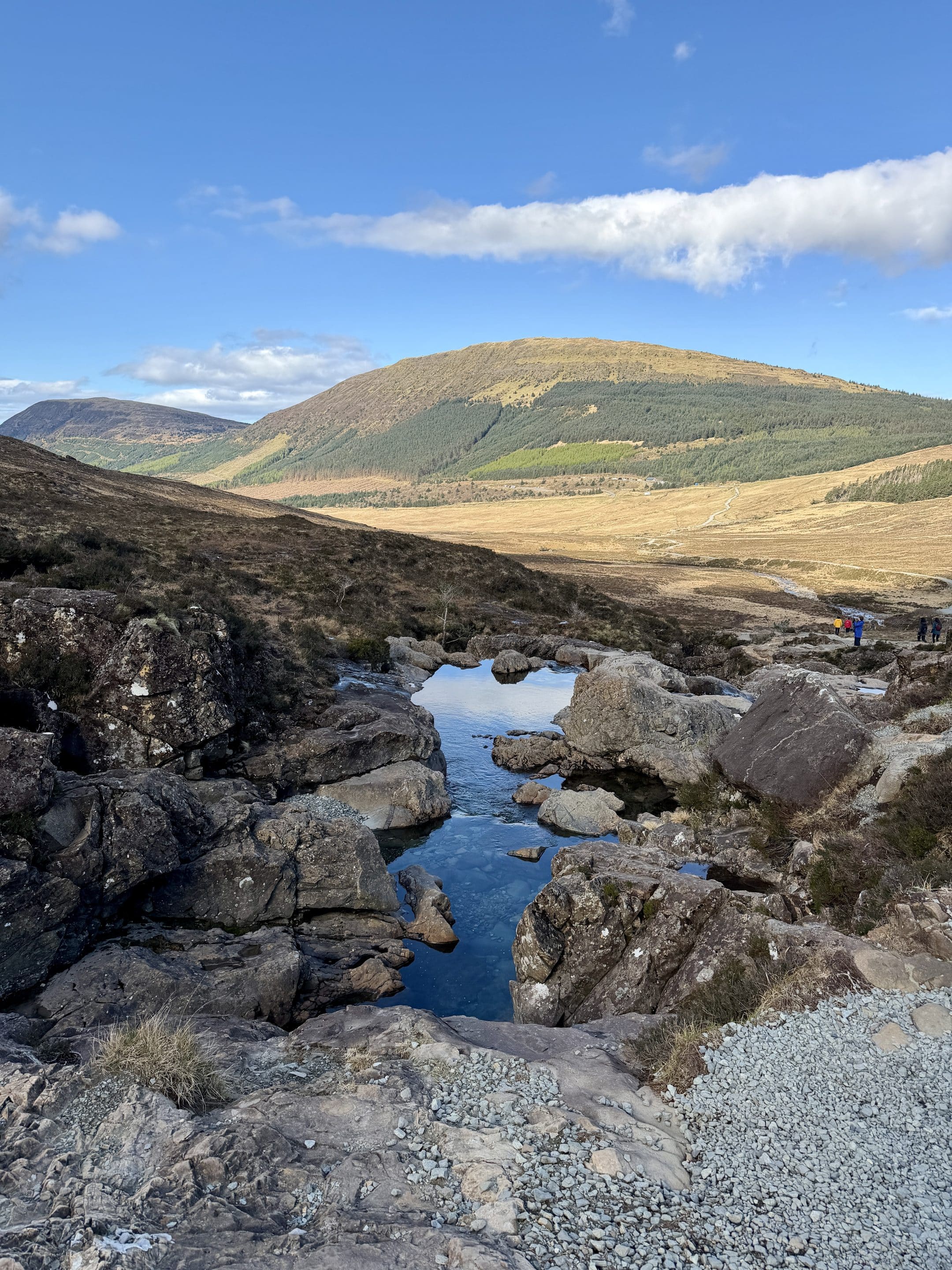
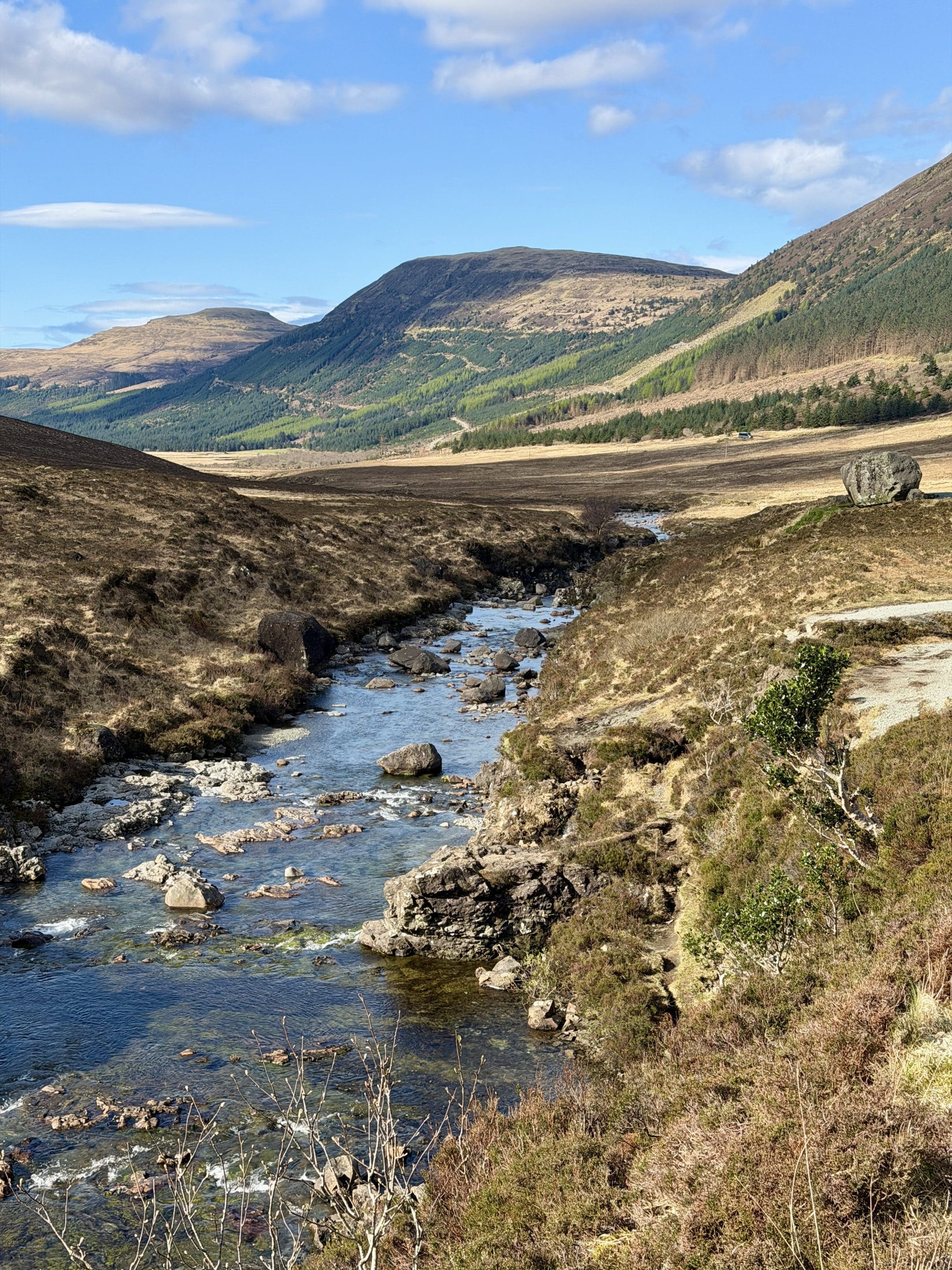
The Fairy Pools sit right at the foot of the Cuillins, a chain of crystal-clear pools and small waterfalls carved out by glacial meltwater. On a clear day, the whole jagged skyline reflects back at you in the water, and that's genuinely the version worth planning for, this place turns moody fast under cloud cover.
Free to visit, though parking runs £5 to £8 depending on the day. The walk in is about 2.5km, and 2 to 2.5 hours round trip covers it.
12. Sligachan Bridge
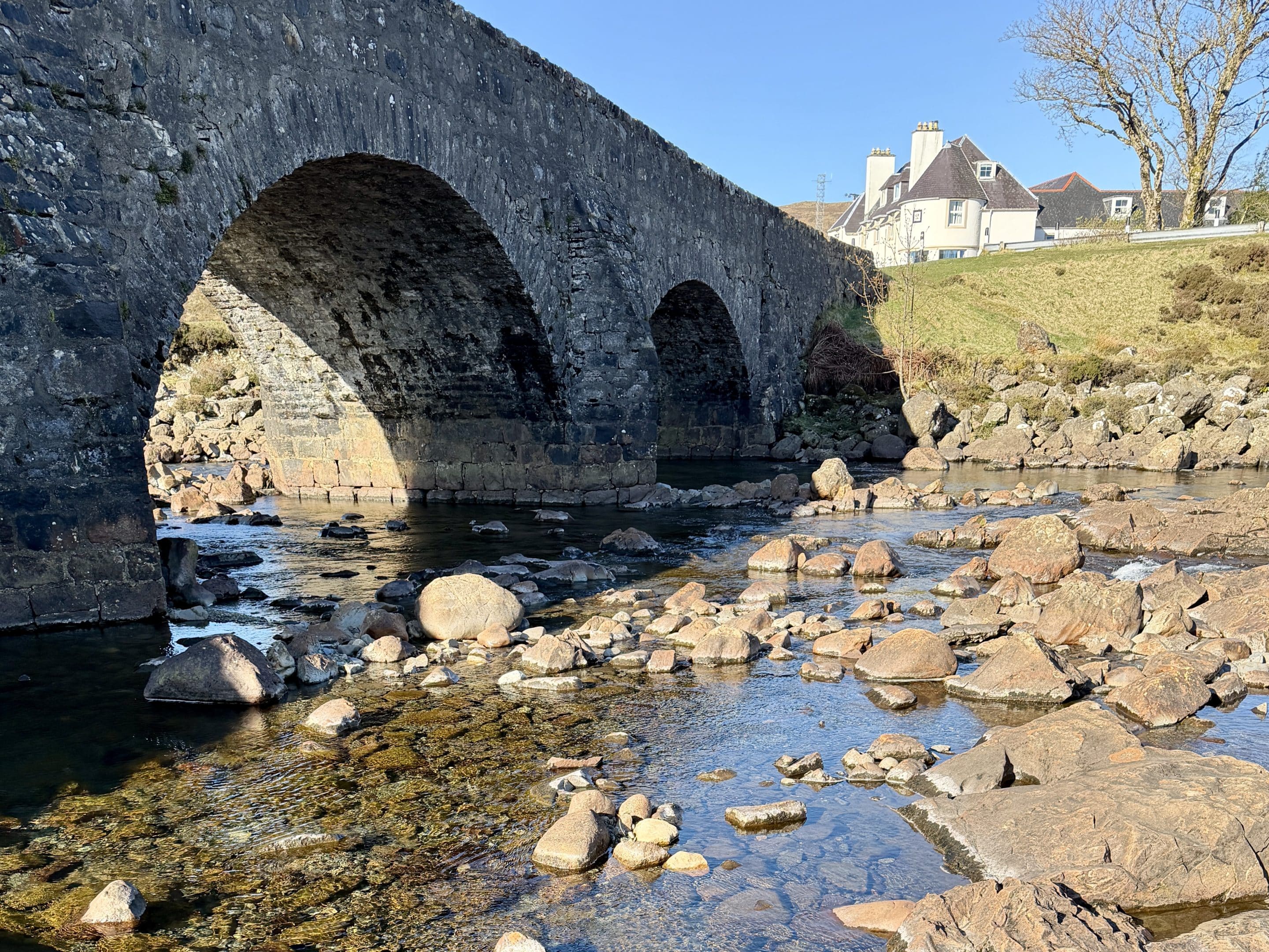
Sligachan is barely a stop, more a scenic excuse to pull over.
An old stone bridge, the Cuillins doing their broodiest mountain thing in the background, and a legend that talked me into kneeling down and dunking my face in freezing river water for seven seconds.
The story traces back to Scáthach, a legendary warrior said to have trained the Irish hero Cú Chulainn here, whose daughter begged the local fairies to end their exhausting duel. The fairies helped, and supposedly left some magic in the water as thanks, dip your face in and let it dry naturally, no wiping, and you're set for eternal beauty. I did it. Cold as hell.
Is this whole tradition something invented for tourists? We’ll never know. Still, I did it, and you probably will too. Free, right off the road, and the Sligachan Hotel's bar is a short walk away if your face needs recovering from all that authenticity.
FAQ: How Long to Stay, Driving Situation and Weather Conditions
How many days do you need on the Isle of Skye? Two full days minimum to get through this whole list at a reasonable pace, three if you actually want to enjoy everything at a slower pace, and take your time with the hikes.
Those 3-day tours that loop Edinburgh, the Highlands, and Skye all in one go are very convenient but tend to skip some of these stops entirely and leave almost no time for actual hiking. Fine for a sightseeing tour, not enough for complete exploration.
Can you do Skye as a day trip from Edinburgh or Inverness? From Edinburgh or Glasgow, don't. You're looking at 14 to 18 hours round trip, roughly 10 of that just sitting in a car, for a handful of rushed photo stops. From Inverness it's doable, about 3 hours each way, but be honest with yourself about what "doable" means: a lot of organized day tours from Inverness only allow quick photo-op stops, and places like the Old Man of Storr don't actually show themselves from the car park, you need the walk to see it properly, which those tours often skip. A day trip from Inverness works if you pick 3 or 4 stops and commit to them, not if you're trying to squeeze in all twelve.
Do you need a car to get around Skye? Yes, and it's close to non-negotiable. There's a Stagecoach bus network linking the main villages, but building a two-day route around its timetable eats more time than it saves. If you're flying in without one, you can rent locally in Portree or Armadale, just book ahead, options are limited compared to a mainland city. If you don't want to drive at all, your best option is to book a guided multiple-days tour.
What if you're running low on fuel? Petrol stations thin out fast once you're past Broadford or Portree, and quite a few close earlier than you'd assume, don't count on 24-hour availability like you would at home. Fill up whenever you pass a station with a decent amount left in the tank, always. If you're catching an early ferry or driving before dawn, the Co-op in Broadford has historically kept round-the-clock pumps, but worth confirming ahead if your schedule depends on it.
How do the single-track roads actually work? Better than the panic suggests, at least if you visit outside peak season. The rule is simple: if a passing place is on your left, pull into it, if it's on your right, stop level with it and let the oncoming car use it. Traffic heading uphill gets priority when it's not obvious who should give way. Never park in a passing place to take a photo, that's what laybys are for. A wave as you pass someone who's pulled over for you is basically the local currency.
Is there phone signal on Skye? It’s patchy but not absent, and it depends heavily on your carrier. Vodafone and O2 generally do best; expect real dead zones regardless, especially the stretch between Broadford and Portree, Portree to Uig, and Glen Brittle, which is close to a total black spot.
It’s a good idea to download offline Google Maps before you leave, and if you're heading somewhere remote for a solo hike, tell your host or a friend your plan and rough return time. Spotty signal plus a twisted ankle on a quiet trail is the actual risk here.
What's the best time of year to visit? April, May, June, and September hit the sweet spot: decent weather, manageable crowds. Personally I went in April and was lucky to find almost only sunny days. April and May are the driest months if you don't mind cooler temperatures.
July and August are peak season for a reason, but that reason comes with a catch nobody puts on a postcard: midges. Skye is one of the worst spots in Scotland for them, worst at dawn and dusk on still, humid days, late May through September is the full season.
Is Skye worth visiting in bad weather? Yes, but adjust what you're chasing. The view-dependent stops, like Storr, the Quiraing, and Neist Point, lose most of their impact in low cloud since the whole point is seeing out to the horizon. Fog rolling in mid-hike is a real possibility. Fairy pools and fairy glen will be more moody and muddy, but still worth a stop unless it's pouring beyond basic visibility. The castles, the Talisker tour, and Portree's restaurants and pubs all hold up fine regardless of what the sky's doing, so worth keeping as backup plans. Pack proper rain gear no matter the season, this isn't optional in Scotland.
Is Skye good for kids? Mostly, yes, if you're selective. Kilt Rock, Lealt Falls, Fairy Glen, Duntulm Castle, and Sligachan are all short, flat, or close to the car park, manageable for most ages without much complaint. The full Quiraing loop and Neist Point's steep steps are a maybe, depending on how old your kids are. Pick the easier half of the list for a family day and nobody ends up carried back to the car!